

Introduction

In the world of metalworking, where precision meets power, the importance of metal work dust extraction cannot be overstated. Effective dust collection systems are crucial for maintaining a safe and productive workspace, ensuring that harmful particles do not compromise air quality or worker health. By investing in a robust collector dust solution, businesses can mitigate risks associated with metal dust and create an environment conducive to creativity and efficiency.
Importance of Metal Work Dust Extraction
Metal work dust extraction plays a pivotal role in safeguarding both workers and equipment from the detrimental effects of airborne contaminants. The fine particles generated during machining processes can lead to respiratory issues, equipment malfunction, and even fire hazards if left unchecked. Therefore, implementing an effective dust collection system is not just a regulatory requirement; it is essential for promoting workplace safety and enhancing operational efficiency.
Risks of Inadequate Dust Collection
The risks associated with inadequate dust collection are significant and multifaceted. Without an industrial dust collector or proper shop vac dust collection system in place, metalwork shops may experience increased health hazards due to exposure to toxic metal particles. Additionally, neglecting effective dust filtration can lead to costly equipment damage from abrasive particles settling on machinery, ultimately affecting productivity and profitability.
Overview of Effective Dust Collection Systems
An effective dust collection system is designed to capture various types of metal debris while ensuring minimal disruption to workflow. These systems range from high-capacity industrial dust collectors to versatile wood dust collector options that can handle mixed materials in workshops. By understanding the unique requirements of their operations, businesses can choose the right type of metal dust collector that aligns with their specific needs for optimal performance.
Understanding Metal Work Dust
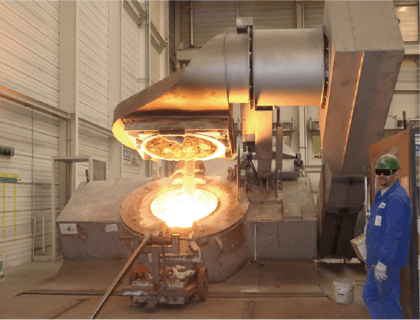
Metal work dust extraction is a crucial aspect of maintaining a safe and efficient workplace in metalworking environments. Understanding the types of dust generated, the health hazards associated with it, and its common sources can help in choosing the right dust collection system. This knowledge not only aids in compliance with safety regulations but also enhances overall productivity.
Types of Metal Dust Generated
In metalworking operations, various types of metal dust are produced depending on the processes involved. For instance, grinding and cutting metals can generate fine particles like aluminum oxide or steel shavings, which require an effective metal dust collector for proper management. Additionally, welding processes can create fume particulates that necessitate specialized filtration to ensure a clean environment.
The composition of metal dust varies significantly; it can include ferrous (iron-based) and non-ferrous materials such as copper or titanium. Each type has unique properties that affect how it behaves in the air and how effectively it can be captured by a collector dust system. Understanding these differences is vital for selecting an appropriate industrial dust collector that meets specific needs.
Moreover, metal work environments often generate mixed types of dust due to multiple processes occurring simultaneously. This diversity underscores the importance of having a versatile dust collection system capable of handling various materials efficiently while ensuring optimal performance through robust filtration technologies.
Health Hazards Associated with Metal Dust
Exposure to metal work dust poses numerous health risks to workers if not managed properly through effective dust filtration systems. Inhalation of fine particles can lead to respiratory issues such as asthma or chronic obstructive pulmonary disease (COPD). Furthermore, certain metals like lead or cadmium are known carcinogens and may result in severe long-term health complications.
Skin contact with metal dust can also cause irritation or allergic reactions for some individuals, making proper protective measures essential alongside a reliable shop vac dust collection system. Continuous exposure increases the risk of developing more serious conditions over time; hence monitoring air quality is crucial for worker safety and well-being in any workshop environment.
Additionally, mental health impacts should not be overlooked; working in an environment laden with hazardous materials can contribute to stress and anxiety among employees. Implementing efficient metal work dust extraction systems helps mitigate these risks while promoting healthier workplaces where productivity thrives without compromising safety.
Common Sources of Metal Dust in Workshops
Workshops are often bustling hubs where various activities generate significant amounts of metal work dust throughout the day. Common sources include machining operations like milling and turning, where tools interact with metals at high speeds, producing debris that must be captured promptly by an effective collector system. Additionally, sanding operations create fine particles that require specialized wood dust collector systems when working on composite materials containing metals.
Welding activities also contribute heavily to airborne contaminants as they produce both fumes and spatter during the process—making it imperative for workshops to invest in advanced industrial dust collectors designed specifically for this purpose. The use of hand tools like grinders further amplifies particulate generation across many workshop settings; thus integrating comprehensive solutions becomes vital for maintaining air quality standards.
Finally, even routine maintenance tasks such as cleaning up after projects can stir up settled particles into the air if not managed correctly through appropriate systems like shop vacs equipped with suitable filters designed for metallic debris capture. Recognizing these common sources enables better planning around implementing effective strategies tailored toward optimal workplace safety through advanced metal work dust extraction methods.
Choosing the Right Dust Collector

Selecting the appropriate dust collector is crucial for effective metal work dust extraction, ensuring a cleaner and safer workspace. With various options available, it’s essential to compare industrial dust collectors based on their efficiency, capacity, and suitability for specific tasks. A well-chosen collector dust system can significantly reduce airborne contaminants and enhance overall productivity in workshops.
Comparing Industrial Dust Collectors
When comparing industrial dust collectors, consider factors such as airflow capacity, filtration efficiency, and ease of maintenance. Different models cater to specific needs; some are designed for high-volume operations while others excel in compact spaces. Additionally, look for systems that integrate seamlessly with existing machinery to streamline your dust collection system without major modifications.
Features of an Effective Metal Dust Collector
An effective metal dust collector should boast powerful suction capabilities to handle fine metal particles produced during machining processes. Key features include HEPA filters for superior dust filtration, automated cleaning mechanisms to maintain performance, and noise reduction technology for a quieter workspace. Furthermore, the design should facilitate easy disposal of collected debris while minimizing downtime—a must-have in any bustling workshop environment.
Role of Shop Vac Dust Collection Systems
While shop vacs are often seen as a quick fix for cleaning up metal work dust extraction challenges, they can also serve as a valuable part of your overall strategy. These shop vac dust collection systems are portable and versatile but may lack the robust filtration needed for fine metallic particles compared to dedicated industrial units. However, when used alongside other systems like wood dust collectors or integrated into a more extensive setup, they can effectively manage smaller-scale cleanups without breaking the bank.
Implementing a Dust Collection System

When it comes to metal work dust extraction, implementing an effective dust collection system is crucial for both safety and productivity. A well-designed system ensures that metal dust is captured efficiently, reducing health risks and maintaining a clean workspace. To achieve this, careful planning and execution are necessary.
Design Considerations for Dust Filtration
Designing a robust dust filtration system involves understanding the specific needs of your workshop or industrial setting. First, consider the types of metal work dust generated; different materials may require varied filtration methods to ensure optimal performance from your metal dust collector. Additionally, airflow dynamics play a significant role; adequate airflow must be maintained to ensure that the collector dust does not settle back into the workspace.
The layout of your shop should also influence your design decisions. Strategically placing collection points near sources of metal work dust will enhance efficiency and minimize airborne particles. Remember, a well-placed industrial dust collector can make all the difference in achieving effective dust extraction.
Best Practices for System Installation
Once you’ve designed your dust collection system, it’s time to install it properly to maximize its effectiveness. Begin by ensuring that all connections are secure and airtight; leaks can significantly reduce suction power and allow harmful particles to escape into the environment. When installing ductwork for your shop vac dust collection system or industrial dust collector, opt for smooth transitions and avoid sharp bends to facilitate better airflow.
Moreover, it's essential to follow manufacturer guidelines during installation—this often includes recommended distances between machines and collectors as well as proper grounding techniques to prevent static buildup in metal work environments. Lastly, don’t forget about accessibility; ensuring that filters are easily reachable will encourage regular maintenance and prolong the lifespan of your system.
Integrating Wood Dust Collector Systems
If you’re working in a mixed-material environment where wood processing occurs alongside metal work, integrating wood dust collector systems with your existing setup can enhance overall efficiency. Both types of collectors share similar principles but may require different configurations based on their respective particle sizes and properties—wood chips differ greatly from fine metal shavings!
Consider using dual-purpose systems that can handle both wood and metal work dust extraction effectively without compromising performance on either front. This integrated approach not only simplifies installation but also streamlines maintenance efforts across various types of equipment in your workshop environment.
Maintenance and Monitoring

Maintaining an efficient dust collection system is vital for ensuring a safe and productive workspace, especially in environments where metal work dust extraction is essential. Regular maintenance not only prolongs the life of your equipment but also enhances the effectiveness of your collector dust systems. By keeping an eye on performance and addressing issues promptly, you can ensure optimal filtration and air quality.
Regular Maintenance for Optimal Performance
To keep your industrial dust collector running smoothly, regular maintenance is non-negotiable. This includes checking filters, inspecting hoses for blockages, and ensuring that all connections are secure to prevent leaks that could compromise metal dust collection efficiency. A well-maintained system minimizes downtime and maximizes the effectiveness of your dust filtration efforts.
Moreover, it’s essential to establish a routine schedule for cleaning components such as bag filters in a wood dust collector or shop vac dust collection system. Clogged filters can drastically reduce airflow and performance, leading to increased exposure to harmful metal work dust extraction. Keeping track of maintenance tasks with a checklist can help ensure nothing slips through the cracks.
Signs Your Dust Collection Needs Attention
Being vigilant about the signs that indicate your dust collection system needs attention can save you from bigger problems down the line. If you notice a significant increase in visible metal dust around your workspace or decreased suction power from your metal dust collector, these are red flags that should not be ignored. Additionally, unusual noises or vibrations during operation may signal mechanical issues requiring immediate inspection.
Another indicator could be frequent filter changes or excessive buildup within the ductwork of your industrial dust collector—these suggest inefficiencies in either design or operation. If employees begin to experience respiratory discomfort while working near the shop vac dust collection system or other collectors, it’s time to reassess their functionality as well as overall air quality management strategies.
Utilizing Technology for Monitoring Dust Levels
Incorporating technology into your maintenance routine can revolutionize how you manage metal work dust extraction systems. Advanced monitoring tools can provide real-time data on particulate levels in the air, allowing you to respond proactively before problems escalate with your collector dust systems. For instance, some modern industrial dust collectors come equipped with sensors that alert users when filter replacements are necessary based on actual performance metrics rather than arbitrary schedules.
Furthermore, integrating smart technology into wood dust collector systems enhances operational efficiency by allowing remote monitoring and adjustments via mobile applications or computer interfaces. These innovations make it easier than ever to maintain optimal performance while keeping workers safe from harmful airborne contaminants like metal work debris generated during machining processes.
By leveraging these technological advancements alongside diligent maintenance practices, businesses can create safer environments while ensuring their investment in effective filtration systems pays off over time.
NAROO's Innovative Solutions

When it comes to metal work dust extraction, NAROO stands at the forefront of technology and innovation. With a commitment to enhancing workplace safety and efficiency, NAROO has developed cutting-edge solutions that address the unique challenges posed by metal dust in industrial settings. Their expertise in creating effective dust collection systems ensures that businesses can maintain optimal air quality while minimizing health risks associated with metal dust exposure.
NAROO's Role in Dust Extraction Technology
NAROO has revolutionized the landscape of dust extraction technology by integrating advanced engineering with user-friendly designs. Their industrial dust collectors are tailored specifically for applications involving metal work, ensuring that even the finest particles are effectively captured and filtered out of the air. By focusing on both performance and reliability, NAROO continues to set industry standards for efficient metal work dust extraction.
Benefits of NAROO's Dust Filtration Systems
One of the standout features of NAROO's dust filtration systems is their ability to handle various types of metal dust without compromising performance. These collectors are designed with high-efficiency filters that not only capture fine particles but also enhance airflow, making them ideal for workshops where a shop vac dust collection system might fall short. Additionally, users benefit from reduced maintenance needs due to durable construction and easy-to-replace filter components, which ultimately saves time and costs in the long run.
Case Studies of NAROO's Impact on Industries
NAROO’s impact on industries is illustrated through various case studies showcasing improved workplace environments after implementing their solutions. For instance, a manufacturing plant specializing in precision machining reported a 50% reduction in airborne metal particulates after installing a NAROO industrial dust collector into their production line. Similarly, woodworking facilities have found success integrating wood dust collector systems alongside NAROO’s offerings, leading to enhanced overall air quality and worker satisfaction.
Conclusion

In the realm of metal work, dust extraction is not just a luxury; it's a necessity. A robust dust collection system enhances workplace safety by significantly reducing the risks associated with inhaling harmful metal dust. By prioritizing effective dust filtration, businesses can create healthier environments for their workers and improve overall productivity.
Enhancing Workplace Safety with Dust Extraction
The importance of metal work dust extraction cannot be overstated when it comes to maintaining a safe working environment. Inadequate collector dust management can lead to serious health hazards, including respiratory issues and long-term illnesses among workers exposed to fine particles. Implementing an efficient industrial dust collector minimizes these risks, ensuring that employees can focus on their tasks without the looming threat of hazardous airborne contaminants.
Investing in Quality Dust Collection Systems
Investing in quality dust collection systems is crucial for any workshop involved in metalworking or woodworking activities. A reliable metal dust collector not only captures harmful particles but also boosts operational efficiency by keeping equipment clean and reducing maintenance costs over time. Whether opting for a shop vac dust collection system or a more sophisticated industrial solution, the right choice can pay dividends in both safety and performance.
The Future of Metal Work Dust Extraction Solutions
The future of metal work dust extraction solutions looks promising as technology continues to evolve at a rapid pace. Innovations in dust filtration systems are leading to more effective and efficient methods for collecting even the finest particles, ensuring cleaner air quality across various industries. As businesses increasingly recognize the value of investing in advanced collector systems, we can expect significant improvements in workplace health standards and enhanced productivity levels.