

Introduction

In the bustling world of industrial settings, maintaining a clean and safe environment is paramount. This is where the importance of industrial vacuum cleaners comes into play, particularly those designed for handling hazardous materials like chemical dust. A reliable dust vacuum cleaner not only ensures cleanliness but also protects workers from potential health risks associated with inhaling harmful particles.
Understanding chemical dust dangers is crucial for any organization dealing with hazardous substances. Chemical dust can pose serious health threats, leading to respiratory issues and long-term illnesses if not managed properly. Therefore, investing in a specialized vacuum cleaner designed to tackle these specific challenges becomes essential for safeguarding both employees and compliance with safety regulations.
An efficient dust vacuum cleaner must boast several key features to effectively combat chemical dust hazards. High filtration systems, robust suction capabilities, and durable construction are just a few attributes that define a quality vacuum and cleaner. When selecting the right vacuum cleaner vacuum for your industrial needs, it's important to ensure it meets the rigorous demands of chemical applications while providing optimal performance.
What is a Chemical Dust Vacuum?

In the realm of industrial cleaning, a chemical dust vacuum is not just another gadget; it's an essential tool designed to handle hazardous materials effectively. These specialized vacuum cleaners are engineered to safely collect and contain fine particles, including toxic dusts and chemicals that could pose serious health risks if inhaled or improperly managed. Understanding the definition and purpose of a chemical dust vacuum is crucial for ensuring a safe working environment, especially in industries dealing with harmful substances.
Definition and Purpose
A chemical dust vacuum is specifically designed to capture hazardous dust particles generated during industrial processes. Unlike standard vacuum cleaners, which may simply push dirt around or fail to filter out fine particulates, a cleaner vacuum cleaner focuses on maintaining air quality by preventing harmful substances from being released back into the environment. The primary purpose of this type of vacuum and cleaner is to protect workers' health while ensuring compliance with safety regulations.
Key Features of a Quality Vacuum Cleaner
When searching for an effective chemical dust vacuum, certain features should stand out as non-negotiable. First and foremost, it must have high-efficiency particulate air (HEPA) filters capable of trapping 99.97% of particles as small as 0.3 microns, ensuring that even the tiniest hazardous particles are contained within the system. Additionally, robust construction materials are vital for durability; after all, this is no ordinary vacuum cleaner vacuum—it's built for heavy-duty use in challenging environments.
Other key features include variable suction power settings that allow users to adjust performance according to the specific task at hand and specialized attachments designed for accessing hard-to-reach areas where dangerous dust might accumulate. A well-designed ergonomic handle can also make prolonged use more comfortable for operators.
Differences Between Industrial and Household Cleaners
A significant difference lies in their filtration systems; industrial models often employ multiple stages of filtration specifically tailored for hazardous materials—something you won't find in your average household cleaner vacuum cleaner.
Additionally, industrial vacuums are typically built with stronger motors that provide greater suction power needed for heavy-duty applications compared to their household counterparts which prioritize quiet operation over sheer strength.
Lastly, safety features such as explosion-proof designs or anti-static capabilities are crucial in an industrial setting but would be considered overkill in most homes—highlighting just how specialized these machines really are!
The Role of NAROO in Industrial Cleaning

Their commitment to developing advanced chemical dust vacuum systems ensures that industries can maintain optimal cleanliness and safety standards. By integrating cutting-edge technology into their vacuum and cleaner offerings, NAROO is redefining what it means to have an effective dust vacuum cleaner.
NAROO’s Innovative Solutions
NAROO’s innovative solutions are designed specifically for environments where chemical dust poses significant risks. Their chemical dust vacuums feature powerful suction capabilities combined with specialized filtration systems that capture even the finest particles, ensuring a thorough clean every time. This attention to detail not only enhances the performance of their vacuum cleaners but also contributes significantly to workplace safety.
With a range of models available, including versatile vacuum and cleaner combinations, NAROO caters to various industrial needs. From construction sites laden with silica dust to manufacturing facilities dealing with toxic materials, their equipment is engineered for maximum efficiency and reliability. Investing in a NAROO cleaner vacuum cleaner means investing in peace of mind and superior air quality.
Impact of NAROO on Air Quality
The impact of using a NAROO chemical dust vacuum on air quality cannot be overstated. Properly designed vacuum cleaners effectively reduce airborne contaminants that can lead to serious health issues over time. By employing high-efficiency particulate air (HEPA) filters, these machines ensure that harmful particles are trapped within the system rather than released back into the environment.
Moreover, improved air quality translates into enhanced productivity for workers who are less likely to suffer from respiratory problems or allergies caused by chemical exposure. Cleaner workspaces foster better morale and can lead directly to higher output levels—a win-win situation for employers and employees alike! With NAROO's focus on creating effective dust vacuum cleaners, companies can breathe easier knowing they’re doing their part for both safety and productivity.
Case Studies of NAROO in Action
NAROO’s effectiveness is best illustrated through real-world applications where their products have made significant differences in industrial settings. One notable case involved a large automotive manufacturing plant struggling with metal shavings and paint overspray—hazards that could compromise both worker safety and product integrity. After implementing NAROO's advanced dust vacuum cleaners equipped with specialized attachments for such debris, the facility reported not only cleaner floors but also improved employee health metrics over time.
Another success story comes from a pharmaceutical company facing strict regulatory requirements regarding cleanliness due to sensitive processes involving chemicals. By utilizing a tailored combination of NAROO's powerful vacuums along with regular maintenance protocols, they achieved compliance while ensuring optimal working conditions for staff members handling potent substances daily.
These examples highlight how investing in high-quality equipment like those offered by NAROO leads not just to immediate benefits but long-term improvements across various facets of industrial operations—safety compliance included!
Selecting the Right Vacuum and Cleaner

Choosing the right vacuum and cleaner for chemical applications is crucial for maintaining a safe and efficient work environment. With so many options available, it can feel overwhelming to find the best fit for your specific needs. Understanding the factors that influence your decision can make this task easier and more effective.
Factors to Consider for Chemical Applications
When selecting a chemical dust vacuum, consider the type of chemicals you’ll be dealing with and their associated hazards. Different materials require different filtration systems; HEPA filters are essential for capturing fine particles, while specialized filters may be needed for hazardous substances. Additionally, look for features like anti-static capabilities and explosion-proof designs to ensure safety during operation.
Another important factor is the vacuum cleaner's capacity and power. A cleaner vacuum cleaner with a larger tank will reduce downtime from frequent emptying, while powerful suction ensures thorough removal of dust and particulates. Portability is also key; a lightweight model allows easy maneuvering around tight spaces without sacrificing performance.
Lastly, think about ease of maintenance when selecting your dust vacuum cleaner. A model that offers easy access to filters and components will save time during routine cleaning tasks, ensuring long-lasting performance. Investing in a reliable vacuum cleaner vacuum can ultimately enhance workplace safety while minimizing operational disruptions.
Top Brands in the Market
NAROO is renowned for its innovative technology tailored specifically for challenging environments, offering models equipped with advanced filtration systems that effectively capture harmful particles. Other notable brands include Nilfisk, which provides robust vacuums designed for heavy-duty applications, and Festool known for its precision engineering in both household and industrial cleaners.
Another brand worth mentioning is Shop-Vac; their versatile range caters to various needs from light-duty tasks to more demanding jobs involving hazardous materials. Each brand has its unique strengths—some focus on portability while others emphasize suction power or durability—so it's essential to assess what features align best with your requirements.
Finally, don't overlook lesser-known brands that may offer unique solutions at competitive prices; sometimes innovation comes from unexpected places! Researching user feedback on these products can provide insights into their real-world performance beyond just marketing claims.
User Reviews and Comparisons
User reviews are invaluable when considering which vacuum cleaner vacuum might be right for you; they provide firsthand accounts of reliability and efficiency under real conditions. Many users highlight NAROO’s exceptional filtration capabilities as a game-changer in maintaining air quality during chemical handling processes—a key consideration when investing in a chemical dust vacuum.
Comparative reviews often showcase differences between models within top brands like Nilfisk versus Festool or Shop-Vac against other competitors regarding suction strength or ease of use features such as hose length or attachments available with each unit. Users frequently emphasize how well certain models perform under specific conditions—like wet vs dry applications—which can guide your decision-making process significantly.
Additionally, consider looking at forums dedicated to industrial cleaning where professionals share experiences about long-term use of various models over time—this information is gold when understanding potential issues before making an investment! Ultimately, user feedback combined with thorough research will empower you to select the perfect vacuum cleaner tailored specifically to your chemical application needs.
Maintenance Tips for Long-lasting Performance

Keeping your chemical dust vacuum in tip-top shape is essential for ensuring its longevity and efficiency. Regular maintenance not only enhances the performance of your vacuum cleaner but also helps to maintain a safe working environment. Here are some key maintenance tips to keep your vacuum and cleaner running smoothly.
Routine Checks for Your Vacuum Cleaner
Performing routine checks on your vacuum cleaner is crucial to catching any potential issues before they escalate. Start by inspecting the filters; a clogged filter can significantly reduce suction power, making your dust vacuum cleaner less effective. Additionally, check the hoses and attachments for blockages or wear, as these can impede airflow and affect overall performance.
Don’t forget to examine the power cord for any signs of damage or fraying, which could pose safety risks. Regularly emptying the collection tank or bag will also help maintain optimal suction levels, ensuring that your chemical dust vacuum operates efficiently. By incorporating these simple checks into your cleaning routine, you can extend the lifespan of your equipment.
Troubleshooting Common Issues
Even the best vacuum and cleaner may encounter occasional hiccups along the way, but many common issues can be easily resolved with a bit of troubleshooting. If you notice a significant drop in suction power, it might be time to clean or replace the filters; dirty filters are often the culprits behind poor performance in a dust vacuum cleaner.
Another frequent issue is strange noises coming from the machine; this could indicate something is stuck in the hose or that a part needs lubrication or replacement. If you find that your chemical dust vacuum won’t turn on at all, check if it’s plugged in properly or if there’s an issue with the outlet before calling for professional help.
Best Practices for Safe Operation
Operating your vacuum cleaner safely ensures not only its longevity but also protects you from accidents while cleaning hazardous materials. Always read and follow manufacturer guidelines regarding usage and maintenance specific to your model of cleaner vacuum cleaner—this includes understanding what types of chemicals it can handle safely.
Wearing appropriate personal protective equipment (PPE) such as gloves and masks when operating a chemical dust vacuum is essential; this will protect you from inhaling harmful particles or coming into contact with hazardous substances during cleanup tasks. Lastly, ensure that all staff members using the equipment are adequately trained on safety protocols and emergency procedures related to using industrial vacuums.
Safety Protocols When Using a Dust Vacuum Cleaner
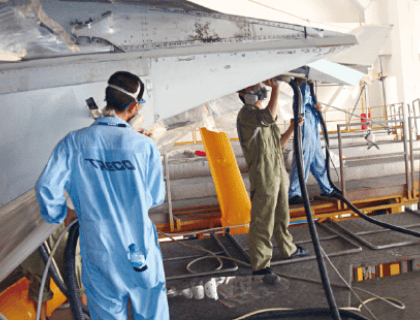
Using a dust vacuum cleaner, especially one designed for chemical applications, requires strict adherence to safety protocols. Proper training for staff ensures that everyone understands how to operate the vacuum and cleaner effectively while minimizing risks. By implementing these protocols, businesses can maintain a safe working environment and enhance the longevity of their equipment.
Proper Training for Staff
Training is not just a checkbox on your safety list; it's a necessity when operating a chemical dust vacuum. Staff should receive comprehensive instruction on how to use the vacuum cleaner safely and efficiently, including understanding its features and limitations. Regular refresher courses can help keep everyone updated on best practices and any new developments in vacuum technology.
In addition to operational training, staff should also be educated about the specific hazards associated with the materials they are cleaning. This knowledge enables them to recognize potential dangers and take appropriate precautions while using the dust vacuum cleaner. A well-trained team is an invaluable asset in maintaining high safety standards in any industrial setting.
Importance of Personal Protective Equipment
Employees should be equipped with appropriate PPE such as gloves, goggles, masks, or respirators depending on the nature of the chemicals involved during cleaning operations with the dust vacuum cleaner. This gear acts as an essential barrier against harmful particles that may escape during cleanup.
Furthermore, ensuring that all staff members wear their PPE consistently fosters a culture of safety within the workplace. Regular checks on PPE conditions can prevent malfunctions or failures when most needed while operating a chemical dust vacuum or other industrial cleaning tools. Remember: safety starts with each individual taking responsibility for their own protection.
Emergency Procedures for Hazardous Situations
Even with proper training and protective gear, emergencies can occur while using a chemical dust vacuum; thus having clear emergency procedures is crucial. Employees must be familiar with evacuation routes and emergency contacts so they can act swiftly if an incident arises during operation of their vacuum cleaner or other equipment in hazardous environments. Conducting regular drills ensures that everyone knows exactly what steps to take without panic.
In addition to evacuation plans, it’s advisable to have spill response kits readily available near areas where chemical dust vacuums are used frequently. These kits should include absorbent materials specifically designed for chemical spills along with instructions on how to safely clean up various substances without further risk exposure from contaminants released by malfunctioning equipment like cleaners or vacuums themselves.
Finally, documenting all incidents involving your dust vacuum cleaner helps identify patterns that may require additional training or changes in procedures moving forward—turning missteps into opportunities for growth rather than setbacks!
Conclusion

In the realm of industrial cleaning, investing in a chemical dust vacuum is not just a smart choice; it’s essential for maintaining a safe and efficient work environment. These specialized vacuum cleaners are designed to handle hazardous materials, protecting both workers and machinery from the dangers posed by chemical dust. By incorporating a reliable dust vacuum cleaner into your operations, you can significantly reduce health risks and improve overall productivity.
Benefits of Investing in a Chemical Dust Vacuum
The benefits of investing in a chemical dust vacuum are manifold. First and foremost, these vacuum and cleaner systems are engineered to capture fine particles that traditional cleaners often miss, ensuring that your workspace remains free from harmful contaminants. Additionally, using an industrial-grade vacuum cleaner vacuum can lead to lower maintenance costs over time, as they tend to be more durable and efficient than their household counterparts.
Moreover, employing an effective cleaner vacuum cleaner not only enhances air quality but also promotes compliance with safety regulations—an aspect that should never be overlooked in today’s stringent industrial landscape. The peace of mind that comes from knowing your team is protected against harmful chemical exposure is invaluable. Ultimately, choosing the right dust vacuum cleaner means prioritizing health while boosting operational efficiency.
Why Choose NAROO for Safety and Efficiency
Their advanced range of chemical dust vacuums combines cutting-edge technology with user-friendly features tailored for demanding environments. With NAROO's commitment to high standards, you can trust that their products will provide exceptional performance while safeguarding your workforce.
NAROO's focus on air quality improvement through effective filtration systems sets them apart from other brands in the market. Their vacuums not only capture harmful particles but also help maintain optimal air conditions within facilities—a crucial factor for any workplace dealing with chemicals or hazardous materials. Choosing NAROO means investing in a solution that prioritizes both safety and operational excellence.
Future Trends in Industrial Cleaning Technology
Looking ahead, future trends in industrial cleaning technology suggest an exciting evolution toward smarter cleaning solutions like advanced chemical dust vacuums equipped with IoT capabilities. These innovations promise real-time monitoring of air quality and machine performance metrics, allowing businesses to stay one step ahead when it comes to safety protocols and maintenance schedules. As automation continues to shape various industries, we can expect even greater efficiency from future vacuum cleaners designed specifically for handling hazardous materials.
Sustainability will also play a significant role in shaping the next generation of cleaning equipment; eco-friendly models will likely emerge as companies strive for greener practices without sacrificing effectiveness or safety standards. Embracing these trends will not only enhance workplace conditions but also contribute positively to environmental stewardship efforts across industries worldwide.