

The Most Expensive Errors Happen Early
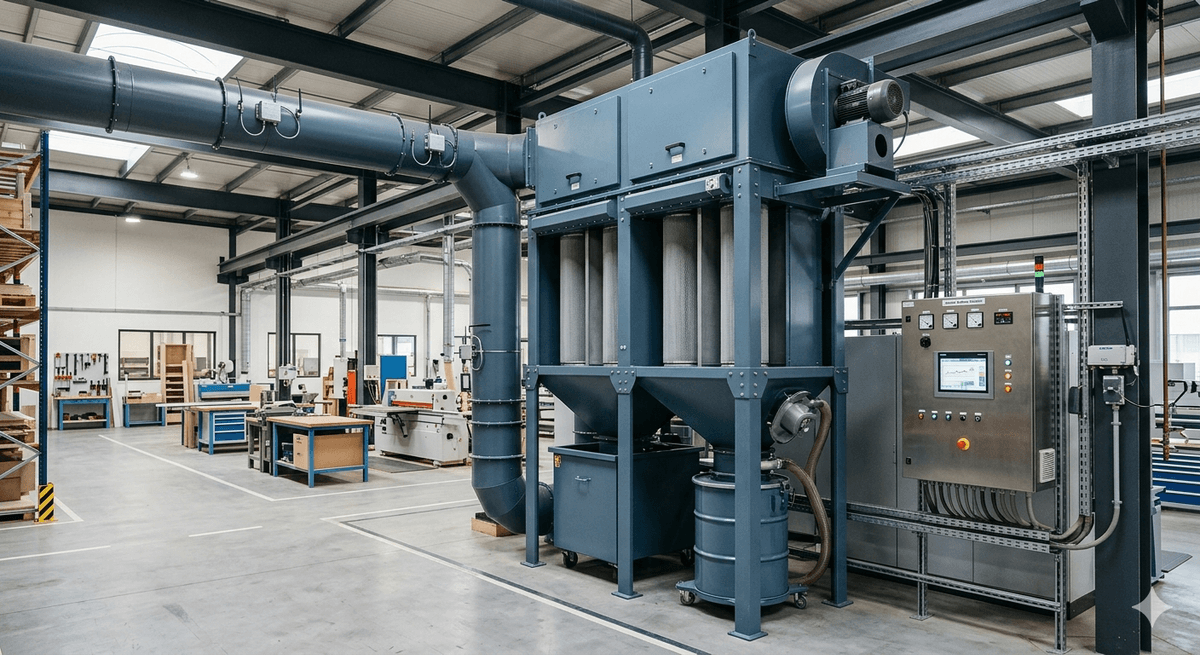
Dust collector design is often judged after startup, when weak suction, dusty aisles, overloaded filters, or awkward maintenance finally become obvious. By then, the real mistake has usually already happened. The largest design failures start earlier, when source capture is treated casually, duct routing is sketched too quickly, or the dust itself is described in overly general terms.
Good dust collector design begins with process observation. A design team should watch how material is fed, transferred, cut, ground, blended, or discharged. They should identify when dust visibly escapes and when operators already improvise around poor capture. A collector sized from rough floor area can miss the actual airflow behavior of the process it is supposed to control.
Capture Placement Controls the Whole System
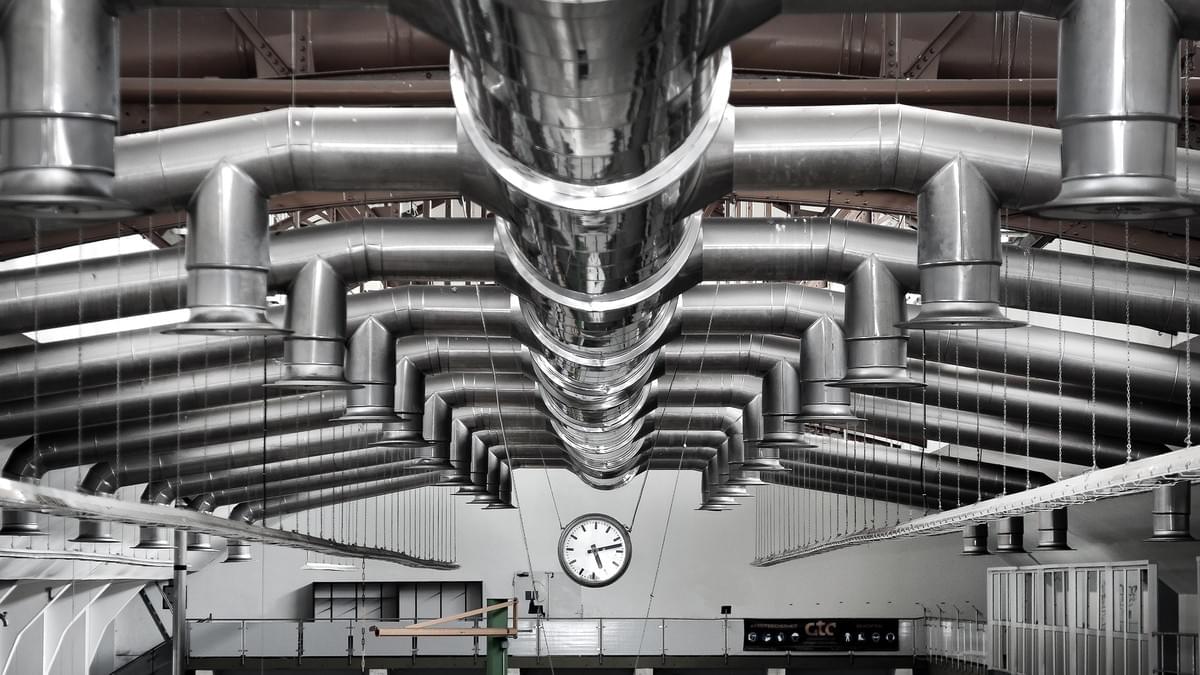
If capture is weak at the source, no downstream collector can fully recover the missed dust. Hood location, enclosure strategy, opening size, and operator interaction all affect whether dust enters the duct in the first place. A design that looks clean in a drawing can fail if the hood blocks production, sits too far away, or allows side drafts to pull dust into the room instead of the system.
This is one reason NAROO's product center and application-based positioning are useful. Dust collector design is not just about choosing a collector shell. It is about integrating the right collector family into a real process environment.
Three Airflow Questions Buyers Should Force Into the Design Review
- Where will airflow be strongest, and where is the farthest branch most likely to weaken?
- What process changes could increase dust load beyond the original design basis?
- How will operators know the system is drifting before visible dust returns?
These questions sound simple, but they expose whether the design is grounded in plant reality. Airflow balance is not only a commissioning issue. It should be anticipated before equipment arrives on site.
Designing Around the Wrong Collector Family
Another common mistake is forcing the process into an equipment type because it is familiar, compact, or easy to quote. A cartridge collector may be a strong fit for fine dry particulate and smaller-footprint filtration, but it is not automatically the right answer for every high-loading or difficult dust application. A bag dust collector may handle some duty profiles better, while a cyclone stage can protect final filters when coarse material is present.
Dust collector design should describe why the collector family fits the material, not simply what the collector is called. That means documenting particle behavior, loading pattern, moisture risk, and discharge expectations before settling on final architecture.
Industry Context Often Reveals Hidden Design Constraints
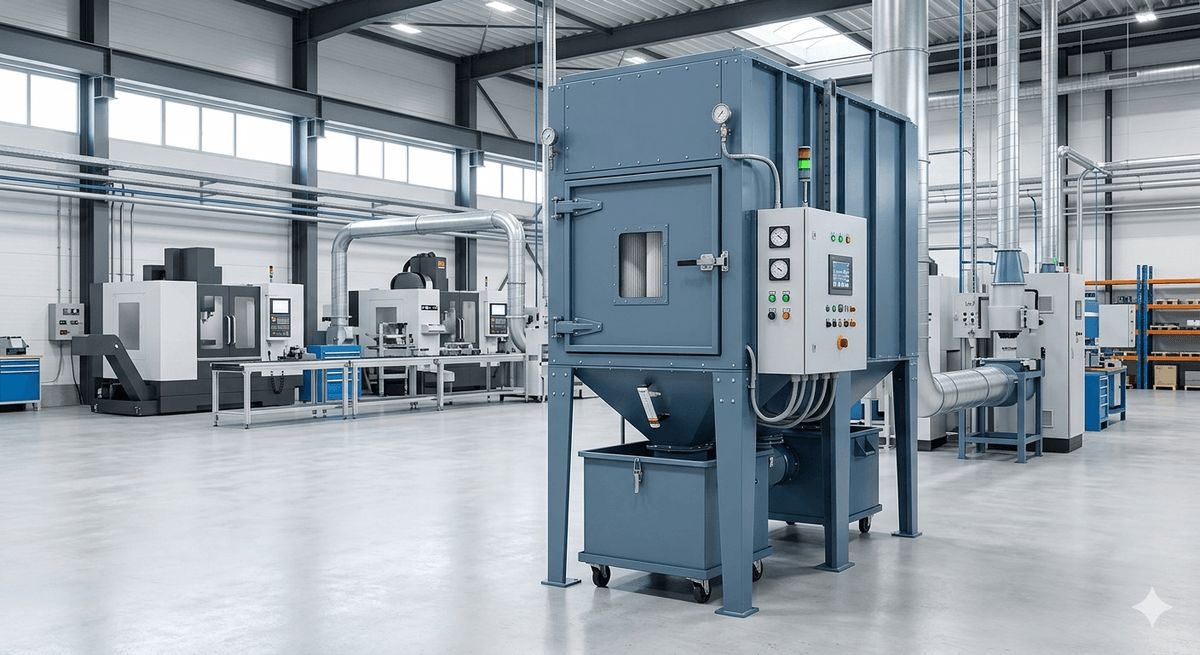
Process-specific application pages can help reveal constraints that generic design discussions miss. NAROO's lithium battery application highlights conditions where fine powder handling and controlled production environments matter. The automobile application page relates more naturally to fabrication and mixed-process lines. The photovoltaics page can support projects where process cleanliness and particulate management are part of product quality control.
In other words, dust collector design should be process-led. When the application context changes, the most important design decisions often change with it.
Maintenance Access Is a Design Variable, Not a Postscript
Many designs meet airflow goals on paper but create daily frustration for operators and maintenance staff. Filter change access, hopper clearance, valve inspection, control-panel reach, and safe work platforms all affect whether the system stays reliable. A collector that is difficult to inspect will drift quietly until the plant rediscovers dust the hard way.
Maintenance also shapes energy use and uptime. Filters that cannot be serviced efficiently may stay in place too long. Poorly accessible leaks may go uncorrected. Overfilled bins may disrupt airflow and discharge. These are not maintenance failures alone. They are design choices that made normal upkeep harder than it needed to be.
Combustible Dust Review Cannot Be an Afterthought
Where combustible dust may be present, OSHA and NFPA guidance should be part of the design discussion from the start. A team should review ignition sources, confinement, housekeeping exposure, explosion isolation questions, and the consequences of abnormal events. It is not enough to use vague phrases like "explosion proof" without confirming what protections the process actually requires.
NAROO's positioning around industrial dust removal, air purification, and application-specific system design can support a more disciplined discussion here. The right approach is to identify the process risks clearly and then decide what equipment and protective measures are appropriate for that specific dust environment.
A Better Dust Collector Design Review
Before approving a design, plant teams should ask for a plain-language walkthrough of the system. Where is dust captured? How does air move through each branch? Which dust properties shaped the collector choice? What alerts indicate abnormal loading or weak cleaning? How is maintenance performed safely? What future line changes could affect the original assumptions?
If those answers are vague, the design probably needs another round of review. A durable dust collector design should be understandable to operations, maintenance, engineering, and procurement at the same time.
Conclusion
Dust collector design succeeds when the plant defines capture, airflow, dust behavior, maintenance access, and process risk before hardware is locked in. Most performance failures are visible in the design logic long before they are visible in the collector itself. Buyers that challenge early assumptions usually get better long-term results.
For industrial facilities comparing solutions, NAROO offers relevant product categories and application pages that support a system-level design conversation. The critical step is to use that conversation to solve the right plant problem before installation starts.