

Introduction
In the fast-paced world of metal cutting, dust collection is not just an afterthought; it’s a necessity. The fine particles generated during machining can pose serious health risks to workers and compromise the quality of finished products. By implementing effective dust collector systems, businesses can enhance productivity while ensuring a cleaner and safer working environment.
Importance of Dust Collection in Metal Cutting
The importance of dust collection in metal cutting cannot be overstated, as airborne particles can lead to respiratory issues and reduced visibility. Moreover, excessive dust accumulation can hinder machine performance and increase maintenance costs, making an outside dust collector an essential investment for any workshop. By venting dust collectors outside, companies not only improve air quality but also maintain operational efficiency.
Key Features of Effective Dust Collector Systems
Effective dust collector systems share several key features that enhance their performance and reliability. For instance, a well-designed cyclone dust collector efficiently separates larger particles from the airflow before they reach the filters, prolonging their lifespan. Additionally, incorporating high-quality vent air filters ensures that even the tiniest particles are captured before releasing clean air back into the environment.
Overview of Types of Dust Collectors
Cyclone dust collectors are popular for their efficient particle separation capabilities, while bag filter systems excel at capturing finer dust particles through advanced filtration techniques. Understanding these options is crucial for selecting the right system that aligns with specific operational requirements and promotes effective dust air filtration throughout your facility.
Understanding Dust Collector Systems
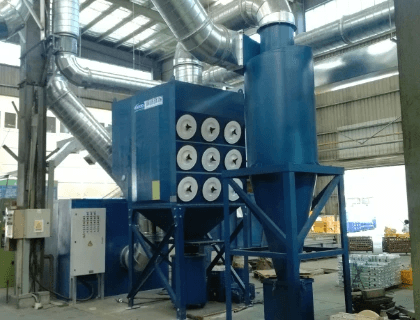
Dust collector systems are essential components in metal cutting environments, designed to capture and filter airborne particles generated during machining processes. These systems not only improve air quality but also enhance operational efficiency by preventing dust accumulation on equipment and work surfaces. A well-designed dust collector can significantly contribute to workplace safety and compliance with health regulations.
What is a Dust Collector?
At its core, a dust collector is a mechanical device that removes particulate matter from the air in industrial settings. Typically used in metal cutting applications, dust collectors can handle various types of debris, including fine metal shavings and larger chips. They come in several designs, such as cyclone dust collectors and bag filters, each tailored to specific needs and operational requirements.
How Dust Collector Systems Work
Dust collector systems operate by drawing contaminated air through a series of filters or separation devices that trap particles before clean air is released back into the environment. The process often begins with an intake system that captures airborne dust at its source; then, the collected material is either stored for disposal or recycled for reuse. Effective venting of the dust collector outside further enhances air quality by expelling contaminants away from the workspace.
Benefits of Using Dust Collector Systems
Utilizing a dust collector system offers numerous advantages for metal cutting operations. Firstly, they help maintain cleaner workspaces by minimizing airborne pollutants—this means fewer respiratory issues for workers and less time spent on cleaning duties! Additionally, investing in effective dust air filtration technologies can prolong equipment life by reducing wear caused by abrasive particles settling on machinery components.
Choosing the Right Dust Collector

Not only does a quality dust collection system enhance performance, but it also plays a critical role in maintaining a safe work environment. With various options available, it's essential to consider key factors that will impact your choice.
Factors to Consider for Metal Cutting
First and foremost, you need to evaluate the volume and type of dust generated during metal cutting processes. Different materials produce varying amounts of dust; for instance, aluminum creates fine particles while steel may generate larger shavings. Additionally, consider the layout of your workspace—an outside dust collector may be more effective if you have limited indoor space or high levels of airborne contaminants.
Another crucial aspect is airflow requirements; an efficient system should provide adequate suction power to capture dust at its source. This often means opting for a cyclone dust collector that can handle heavy loads without clogging. Furthermore, think about maintenance needs—frequent cleaning or filter changes can disrupt productivity, so investing in durable filters and reliable vent air filters is wise.
Lastly, don’t overlook noise levels and energy consumption when choosing your system. A quieter unit not only improves worker comfort but also helps maintain focus on tasks at hand. Balancing these factors will lead you towards an optimal solution tailored for your specific metal cutting operations.
Comparing Cyclone Dust Collectors and Bag Filters
Cyclone systems utilize centrifugal force to separate heavier particles from the air stream before they reach the filter media—a process that minimizes clogging and extends filter life significantly. On the other hand, bag filters are generally better suited for capturing finer particulate matter but may require more frequent maintenance due to their tendency to clog quickly.
Cost is another consideration; while cyclone units might have a higher upfront investment, their long-term efficiency can translate into savings on replacement filters and reduced downtime for maintenance tasks like venting dust collector outside installations. Additionally, many modern cyclone systems come equipped with advanced features such as automated cleaning mechanisms that keep them running smoothly without constant oversight.
Ultimately, both systems have their merits depending on specific operational needs; however, if you're looking for longevity and lower operating costs over time in a heavy-duty environment like metal fabrication shops, investing in a cyclone dust collector could be your best bet.
NAROO: A Leader in Dust Collection Solutions
In the realm of effective dust collection solutions tailored specifically for industrial applications like metal cutting, NAROO has emerged as an industry leader renowned for innovation and reliability. Their products are designed with advanced technology that ensures maximum efficiency while minimizing environmental impact—perfectly aligning with modern manufacturing standards focused on sustainability.
NAROO’s range includes state-of-the-art cyclone dust collectors known for their superior performance in handling large volumes of debris without sacrificing filtration quality or airflow rates necessary for optimal operation. Moreover, they offer comprehensive support services that guide clients through installation processes such as venting dust collector outside setups—ensuring seamless integration into existing workflows.
With NAROO’s commitment to excellence and continuous improvement within the field of dust air filtration technology, businesses can feel confident knowing they’re investing in solutions that not only enhance productivity but also prioritize worker safety by effectively managing hazardous airborne particles commonly associated with metal processing environments.
Venting Dust Collector Outside

Venting a dust collector outside is not just a trend; it’s becoming a necessity in many metal cutting operations. By directing dust-laden air outdoors, businesses can significantly improve indoor air quality and reduce the risk of respiratory issues among workers. Plus, outside dust collectors can boost the efficiency of your dust air filtration system by minimizing the recirculation of contaminants.
Benefits of Outside Dust Collection
One of the most compelling benefits of venting dust collectors outside is enhanced worker safety. By eliminating airborne particulates from the workspace, employees can breathe easier and focus on their tasks without worrying about harmful dust exposure. Additionally, outside dust collection systems help maintain cleaner shop environments, reducing cleanup time and improving overall productivity.
Another advantage is that venting allows for more effective use of cyclone dust collectors and other filtration technologies. These systems can operate more efficiently when they don’t have to contend with recirculating filtered air back into the shop space. Ultimately, this leads to better performance from your vent air filter systems and less frequent maintenance.
Moreover, venting outside can also extend the lifespan of your equipment by preventing excessive wear caused by accumulated dust inside your facility. When you minimize indoor pollution levels, you create a healthier environment for both machines and personnel alike. So, if you’re still on the fence about whether to go for an outside dust collector setup, consider these significant health and operational benefits!
Installation Tips for Venting Outside
Installing a system to vent your dust collector outside requires careful planning and execution to maximize its effectiveness. First off, ensure that you choose the right location for your exhaust outlet—ideally away from doors or windows where recirculated air could re-enter your workspace. Proper placement will help maintain airflow efficiency while also keeping any potential nuisance odors or particulates away from employees.
When setting up ductwork for your cyclone dust collector or other models, make sure to use smooth-walled ducts to minimize friction losses in airflow. The fewer bends and turns in your ductwork, the better! It’s also wise to size ducts appropriately based on airflow requirements; undersized ducts will lead to back pressure issues that could hinder performance.
Lastly, don’t forget about incorporating weatherproof features into your installation! Rain caps or louvers at the outlet will prevent moisture intrusion while ensuring that debris doesn’t clog up your vent air filter over time. A little foresight during installation can save you headaches down the line!
Common Mistakes to Avoid
While venting a dust collector outside may seem straightforward, there are several pitfalls that many companies encounter along the way. One common mistake is neglecting local building codes or regulations regarding outdoor exhaust systems; failing to comply could lead not only to fines but also safety hazards down the road! Always check with local authorities before proceeding with installation.
Finally, don’t overlook employee training related specifically to new ventilation practices! Make sure everyone understands how best practices around using cyclone dust collectors translate into safer workspaces through effective communication strategies—after all, knowledge is power when it comes down protecting both people AND equipment!
Dust Air Filtration Technologies
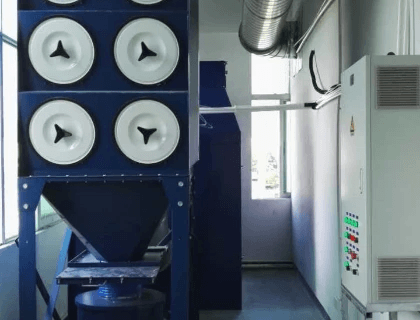
In the world of metal cutting, effective dust air filtration is crucial for maintaining a clean and safe work environment. Various filtration methods exist, each tailored to specific needs and applications. Understanding these methods can help you choose the best dust collector system for your operations.
Different Filtration Methods Explained
Dust air filtration technologies come in several forms, including bag filters, cartridge filters, and cyclone dust collectors. Bag filters capture particles using fabric bags that trap dust while allowing clean air to pass through. Cyclone dust collectors utilize centrifugal force to separate larger particles from the airflow before they reach the filter media, making them a popular choice for heavy-duty applications.
Another method involves electrostatic precipitators, which use electrical charges to attract and capture dust particles. Each of these techniques has its unique advantages; for instance, cyclone dust collectors are particularly efficient at handling large volumes of debris without clogging quickly. By understanding these different filtration methods, you can better assess which type of vent air filter will suit your specific needs.
Selecting the Right Vent Air Filter
When it comes to selecting a vent air filter for your dust collector system, several factors should be taken into account. First and foremost is the size and type of particles generated during metal cutting; this will determine whether you need a high-efficiency particulate air (HEPA) filter or something less specialized like a standard bag filter or cartridge filter.
Additionally, consider how often you'll be venting your dust collector outside; some filters perform better when exposed to outdoor conditions than others do. It's also essential to think about maintenance requirements—filters that are easier to clean or replace can save time and money in the long run.
Importance of Regular Maintenance
Regular maintenance is vital for ensuring optimal performance from your dust collector system and its associated vent air filters. Over time, accumulated dust can hinder airflow and reduce efficiency; therefore, routine checks are necessary to keep everything running smoothly. Neglecting maintenance could lead not only to poor performance but also increased wear on equipment—which nobody wants!
Furthermore, regular inspections allow you to catch any potential issues before they escalate into costly repairs or hazardous situations in your workspace. Keeping track of when filters need cleaning or replacing will ensure that your outside dust collector remains effective over its lifespan while maintaining high safety standards for workers involved in metal cutting processes.
Innovative Solutions in Dust Collection
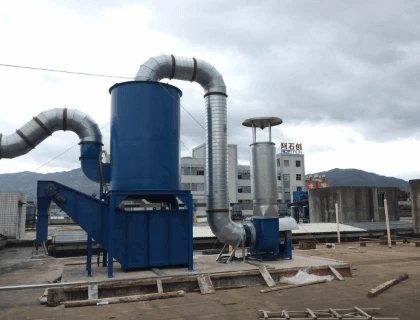
In the ever-evolving world of manufacturing, innovative solutions in dust collection are essential for maintaining efficiency and safety. The latest technologies are designed to enhance performance while minimizing environmental impact. As industries increasingly recognize the importance of venting dust collectors outside, advancements in dust air filtration systems have become critical to achieving cleaner workspaces.
Advances in Dust Collection Technology
Recent developments in dust collection technology have led to more efficient and effective systems that cater to various industrial needs. For instance, modern cyclone dust collectors now feature enhanced separation capabilities, ensuring that even the finest particles are captured before they can escape into the environment. Furthermore, intelligent monitoring systems provide real-time data on airflow and filter status, allowing users to optimize their setups and ensure their vent air filters function at peak efficiency.
Another exciting trend is the integration of smart technology into dust collector systems. These innovations enable automated cleaning cycles and predictive maintenance alerts that help prevent downtime due to clogged filters or system failures. With these advancements, businesses can not only improve their dust management strategies but also contribute positively to workplace safety by effectively venting dust collectors outside.
NAROO’s Impact on the Industry
NAROO has emerged as a leader in providing cutting-edge solutions for effective dust collection across various sectors. Their commitment to innovation has resulted in advanced outside dust collector designs that prioritize both performance and user-friendliness. By focusing on high-quality materials and engineering excellence, NAROO ensures that their products deliver optimal results while also being easy to maintain.
One notable contribution from NAROO is their range of customizable cyclone dust collectors tailored for specific applications within metal cutting environments. These units are designed with powerful suction capabilities and efficient filtration systems that significantly reduce airborne particles during operations. As a result, manufacturers using NAROO's equipment can enjoy increased productivity while ensuring compliance with health regulations related to worker safety.
Case Studies from Leading Manufacturers
Several leading manufacturers have successfully implemented innovative dust collection solutions that showcase the effectiveness of modern technologies. One case study highlights a metal fabrication company that transitioned from traditional bag filters to a state-of-the-art cyclone dust collector system designed by NAROO. This shift not only improved their overall air quality but also reduced maintenance costs associated with frequent filter replacements.
Another example involves an automotive parts manufacturer who opted for an outside dust collector system equipped with advanced vent air filters capable of capturing ultra-fine particulates generated during machining processes. The implementation led to significant improvements in employee health outcomes and increased operational efficiency as workers reported fewer respiratory issues related to airborne contaminants.
These real-world applications demonstrate how investing in innovative solutions like those offered by NAROO can lead to substantial benefits across various industries while reinforcing the importance of proper ventilation strategies such as venting dust collectors outside.
Conclusion
In conclusion, the integration of dust collector systems in metal cutting operations is not just a matter of compliance but also a critical factor for enhancing productivity and safety. By maximizing efficiency with effective dust collection methods, businesses can streamline their operations while ensuring a cleaner work environment. This ultimately leads to improved product quality and reduced downtime, making it clear that investing in the right dust collector is essential.
Maximizing Efficiency with Dust Collector Systems
To truly maximize efficiency, businesses must prioritize selecting the right dust collector tailored to their specific needs. Cyclone dust collectors, for example, are known for their ability to handle large volumes of dust and debris effectively, making them an ideal choice for high-output metal cutting environments. Additionally, venting dust collectors outside can significantly reduce indoor pollution levels while maintaining optimal airflow within the workspace.
Implementing advanced dust air filtration systems further enhances operational efficiency by capturing even the finest particles that traditional methods might miss. Regular maintenance of these systems ensures they operate at peak performance and longevity, preventing costly breakdowns that could halt production lines. Ultimately, an efficient dust collector system not only keeps the workspace clean but also contributes to overall operational excellence.
Ensuring Worker Safety in Metal Cutting
Worker safety is paramount in any industrial setting, especially in metal cutting where airborne particles pose serious health risks. Utilizing an effective outside dust collector mitigates these risks by removing harmful contaminants from the air before they can be inhaled by workers. Moreover, integrating high-quality vent air filters into your system ensures that even microscopic particles are captured efficiently.
Regular training on proper equipment use and maintenance further enhances safety protocols within metal cutting operations. Workers equipped with knowledge about how to operate and maintain their dust collection systems are less likely to encounter hazardous situations related to poor air quality or equipment malfunction. Therefore, prioritizing worker safety through effective dust collection strategies not only protects employees but also fosters a culture of responsibility within the workplace.
Future Trends in Dust Collection Technology
As industries evolve, so too do the technologies surrounding dust collection systems; staying abreast of these trends is vital for maintaining competitive advantage. Innovations such as smart sensors integrated into cyclone dust collectors allow for real-time monitoring and adjustments based on environmental conditions and workload demands. This means businesses can optimize their operations dynamically while ensuring compliance with ever-stricter air quality regulations.
Moreover, advancements in materials used for venting dust collectors outside have led to lighter yet more durable designs that facilitate easier installation and maintenance without compromising performance standards. As sustainability becomes increasingly important across industries, eco-friendly filtration solutions will likely gain traction as companies seek greener alternatives without sacrificing efficiency or effectiveness in capturing airborne particles.
In summary, embracing future trends in dust collection technology paves the way for safer workplaces and more efficient production processes—an investment well worth making as we look ahead.