

Introduction

In the bustling world of construction, dust control has emerged as a critical component in ensuring both worker safety and operational efficiency. Effective dust management not only protects the health of employees but also enhances productivity by creating a cleaner work environment. As we delve into the realm of dust control solutions, it becomes evident that understanding the dust control manufacturing process is essential for selecting the right systems and equipment.
Understanding Dust Control in Construction
Dust generation is an inevitable byproduct of various construction activities, from demolition to grinding and cutting. This fine particulate matter can pose significant health risks, making it imperative for companies to implement robust dust control systems LIMITED to mitigate these hazards effectively. By grasping the nuances of dust control manufacturing, industry leaders can better navigate their options and invest in technologies that are both innovative and reliable.
Importance of Effective Dust Management
The importance of effective dust management cannot be overstated; it plays a vital role in safeguarding workers' health while also complying with regulatory standards. Exposure to airborne dust can lead to respiratory issues and long-term health complications, which underscores the need for comprehensive dust control equipment designed specifically for construction environments. Companies like NAROO are at the forefront of this movement, offering advanced solutions that not only meet but exceed industry expectations.
Overview of Dust Control Solutions
Dust control solutions come in various forms, ranging from simple manual methods to sophisticated automated systems designed for large-scale operations. The landscape of dust control manufacturing has evolved significantly with technology advancements, allowing for more effective strategies tailored to specific needs within construction sites. As we explore these innovative systems further, we'll highlight how organizations can leverage them to enhance their overall productivity while maintaining high safety standards.
The Science Behind Dust Control

Dust control manufacturing is an essential aspect of various industries, particularly in construction and manufacturing environments where dust generation is prevalent. Understanding the science behind dust generation and its implications is crucial for implementing effective dust control systems. This section explores how dust is generated, the health hazards it poses, and the regulatory standards that guide dust control practices.
How Dust is Generated in Manufacturing
Dust is generated during various processes in manufacturing, including cutting, grinding, drilling, and material handling. When materials are disturbed or processed, tiny particles break away and become airborne, creating a cloud of dust that can spread quickly throughout a workspace. Effective dust control systems are vital to mitigate these emissions and ensure a safe working environment.
In many cases, the type of material being processed plays a significant role in determining the amount of dust generated. For instance, fine powders or brittle materials tend to produce more airborne particulates compared to denser substances. Therefore, understanding the specific characteristics of materials involved in the dust control manufacturing process allows for tailored solutions that can significantly reduce airborne particulates.
Health Hazards Associated with Dust
The health hazards associated with exposure to dust cannot be overstated; they range from respiratory issues to long-term chronic diseases such as pneumoconiosis and silicosis. Inhalation of fine particulate matter can lead to serious health complications over time—especially for workers who are regularly exposed without adequate protection or effective dust control equipment in place.
Moreover, certain types of industrial dust may contain harmful substances like silica or asbestos that pose additional risks when inhaled. It’s crucial for companies to recognize these dangers and implement robust safety measures through effective training programs on proper use of personal protective equipment (PPE) alongside their chosen dust control systems LIMITED.
Regulatory Standards for Dust Control
Regulatory standards play a pivotal role in shaping how organizations approach their dust control strategies within the manufacturing sector. Agencies such as OSHA (Occupational Safety and Health Administration) set guidelines that dictate permissible exposure limits for various types of industrial dusts—ensuring worker safety remains a top priority across industries.
Compliance with these regulations often necessitates investing in high-quality dust control equipment designed specifically to meet or exceed industry standards. Companies like NAROO specialize in providing innovative solutions that adhere to global certifications such as ATEX and UL—offering peace of mind alongside effective performance when it comes to air purification systems.
Furthermore, staying updated on evolving regulations ensures businesses remain compliant while fostering an environment conducive to productivity without compromising employee health—a win-win scenario made possible through strategic investments into advanced technologies within the realm of dust control manufacturing.
Innovative Dust Control Systems

In the ever-evolving landscape of construction and manufacturing, innovative dust control systems are essential for maintaining a safe and productive environment. These systems integrate advanced technologies to minimize dust emissions, ensuring compliance with health regulations while enhancing overall operational efficiency. The focus on dust control manufacturing has led to the development of equipment that not only meets but exceeds industry standards.
Overview of Modern Dust Control Equipment
Modern dust control equipment encompasses a range of devices designed to capture and manage airborne particles effectively. From high-efficiency particulate air (HEPA) filters to advanced electrostatic precipitators, these tools are engineered for optimal performance in various industrial settings. The dust control manufacturing process involves rigorous testing and refinement, ensuring that each piece of equipment can withstand the challenges posed by different materials and environments.
The evolution of this equipment has been driven by technological advancements, leading to more compact designs with enhanced filtration capabilities. As industries face increasing scrutiny over environmental impacts, investing in state-of-the-art dust control systems is no longer optional—it’s a necessity. With companies like NAROO at the forefront, organizations can access cutting-edge solutions tailored specifically for their unique needs.
Highlighting NAROO's Technologies
NAROO stands out as a nationally recognized high-tech enterprise specializing in explosion-proof dust removal and air purification systems. Their commitment to innovation is reflected in the development of robust technologies that meet global certifications like ATEX and UL, making them a trusted partner for top companies such as CATL, BYD, and Mercedes-Benz. By focusing on both research and development as well as installation processes, NAROO ensures that their clients receive comprehensive services backed by years of industry expertise.
One notable technology from NAROO includes automated dust extraction systems that seamlessly integrate with existing manufacturing setups. These systems not only enhance safety but also improve productivity by reducing downtime associated with manual cleaning processes. With an emphasis on customization, NAROO works closely with clients to design solutions that perfectly fit their operational requirements while adhering to stringent regulatory standards for dust control.
Benefits of Automated Dust Control Solutions
Automated dust control solutions offer numerous benefits that extend beyond mere compliance with health regulations; they significantly improve workplace efficiency as well. By utilizing sensors and smart technology, these systems can adaptively respond to varying levels of dust generation throughout the day—ensuring optimal performance without unnecessary energy expenditure or resource waste. This adaptability is particularly vital in dynamic environments where conditions can change rapidly.
Moreover, implementing automated solutions reduces labor costs associated with manual cleanup efforts while minimizing the risk of employee exposure to harmful particles—a win-win situation for both management and workforce safety! As industries continue embracing automation across various sectors, investing in advanced dust control equipment becomes increasingly essential for sustainable operations in today's competitive market landscape.
Dust Control Manufacturing Process

Creating effective dust control systems is no small feat, but it’s essential for ensuring a safe and productive work environment. The dust control manufacturing process involves a meticulous approach that combines innovative technology with industry best practices. Companies like NAROO lead the charge in developing cutting-edge solutions that not only meet but exceed regulatory standards.
Steps in Developing Effective Dust Control Systems
The first step in the dust control manufacturing process is identifying the specific needs of a project or environment. This involves assessing factors such as dust generation sources, volume, and potential health hazards associated with exposure. Once these elements are understood, engineers can design tailored dust control systems that effectively mitigate risks while optimizing performance.
Next comes the prototyping phase, where initial designs are constructed and tested under real-world conditions to evaluate their effectiveness. Feedback from these tests is crucial; it informs necessary adjustments before moving into full-scale production. Finally, once prototypes pass rigorous testing, the manufacturing of dust control equipment can commence, ensuring that each unit meets high-quality standards and operational efficiency.
Materials Used in Dust Control Equipment
The choice of materials is pivotal in the dust control manufacturing process, as they directly impact durability and effectiveness. Common materials include heavy-duty metals and advanced polymers designed to withstand harsh conditions while maintaining optimal airflow dynamics. Additionally, filters made from specialized fabrics play a critical role in capturing fine particulate matter without sacrificing performance.
Moreover, components must be resistant to corrosion and wear over time to ensure longevity—especially for systems deployed in demanding environments like construction sites or factories. Manufacturers like NAROO prioritize sourcing high-quality materials that not only meet safety regulations but also enhance the overall functionality of their dust control systems LIMITED.
Quality Control in Dust Control Manufacturing
Quality control is an integral part of the dust control manufacturing process; it ensures that every piece of equipment performs reliably under various conditions. Rigorous testing protocols are established at multiple stages—during material selection, assembly, and final inspection—to catch any defects early on. This commitment to quality means that when you invest in dustcontrol solutions from trusted manufacturers like NAROO, you’re getting equipment built to last.
Additionally, adherence to global certifications such as ATEX and UL further reinforces product reliability and safety standards across all markets served by NAROO’s innovative technologies. Regular audits and updates to quality assurance processes help maintain consistency throughout production runs while adapting to new advancements within the industry landscape—ensuring customers receive state-of-the-art solutions every time.
Effective Implementation of Dust Control Systems
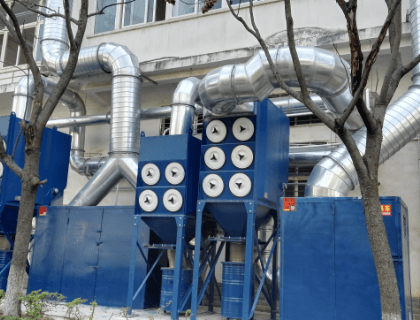
Implementing effective dust control systems is crucial for maintaining a safe and productive work environment in construction and manufacturing settings. A well-structured approach ensures that dust control manufacturing processes are not only efficient but also compliant with regulatory standards. By focusing on best practices, employee training, and ongoing maintenance, companies can significantly reduce health risks associated with dust exposure.
Best Practices for Setting Up Systems
When setting up dust control systems, it’s essential to tailor the equipment to the specific needs of the environment. This involves assessing factors such as the types of materials being handled, airflow patterns, and potential sources of dust generation within the workspace. Utilizing advanced technologies from trusted manufacturers like NAROO can streamline this process; their innovative dust control equipment is designed to meet diverse operational requirements while ensuring compliance with safety regulations.
Another best practice involves integrating automated solutions that continuously monitor air quality and adjust operations accordingly. This proactive approach minimizes downtime and enhances overall productivity by ensuring that dust levels remain within acceptable limits. Additionally, regular audits of the dust control manufacturing process help identify areas for improvement, allowing businesses to stay ahead in providing a clean working environment.
Training Employees on Dust Management
Training employees on effective dust management is vital for maximizing the benefits of any implemented dust control system. Workers must understand not only how to operate equipment safely but also why these measures are essential for their health and productivity. Incorporating hands-on training sessions alongside theoretical knowledge ensures that employees are well-equipped to handle potential challenges related to dust exposure.
Moreover, fostering a culture of safety encourages employees to actively participate in maintaining clean workspaces by adhering to established protocols. Regular refresher courses can keep everyone updated on new technologies and techniques in the realm of dust control manufacturing—ensuring that teams remain informed about industry advancements from leaders like NAROO. When workers feel empowered through education, they contribute more effectively to overall workplace safety.
Monitoring and Maintenance of Equipment
To ensure optimal performance from installed dust control systems LIMITED, consistent monitoring and maintenance are key components of an effective strategy. Regular inspections help identify wear and tear on machinery or any obstructions affecting airflow efficiency in your dust control equipment. By prioritizing routine checks as part of your operational schedule, you can catch issues early before they escalate into costly repairs or health hazards.
Implementing a structured maintenance program also allows companies to leverage data analytics for better decision-making regarding their dust control manufacturing processes. This data-driven approach enables businesses to track performance metrics over time, identifying trends that inform necessary adjustments or upgrades needed in their systems. With NAROO's cutting-edge technology backing these efforts, organizations can achieve remarkable results in air quality management while maximizing their investment in reliable solutions.
Real-World Applications and Case Studies
Dust control is not just a regulatory requirement; it’s a vital component of operational efficiency in the construction industry. Effective dust control systems can dramatically reduce health risks, improve air quality, and enhance overall productivity on job sites. In this section, we’ll explore success stories from the construction industry, examine how dust control impacts productivity, and glean lessons learned from implementing these essential systems.
Success Stories from the Construction Industry
One notable success story comes from a large-scale infrastructure project where NAROO's advanced dust control equipment was implemented. The project faced significant challenges due to dust generation during excavation and demolition phases, which could have led to costly delays and health issues for workers. By integrating NAROO's explosion-proof dust removal systems into their operations, the company not only met regulatory standards but also created a safer work environment that resulted in zero reported respiratory issues among employees.
Another impressive example involves a major urban redevelopment initiative where Dustcontrol systems LIMITED played a pivotal role in maintaining air quality during construction activities. The implementation of automated dust control solutions allowed for real-time monitoring and rapid response to dust levels, effectively minimizing airborne particles. This proactive approach not only enhanced worker safety but also improved relations with local communities concerned about air pollution.
These examples illustrate how effective dust control manufacturing processes can lead to successful project outcomes while fostering compliance with health regulations.
How Dustcontrol Impacts Productivity
Dustcontrol significantly impacts productivity on construction sites by reducing downtime caused by excessive dust accumulation. When workers are exposed to high levels of dust without proper management systems in place, they often face health risks that can lead to absenteeism or reduced efficiency due to discomfort or illness. By utilizing advanced dust control equipment from NAROO or other reputable manufacturers, companies have seen marked improvements in workflow continuity and employee morale.
For instance, one construction firm reported a 30% increase in productivity after implementing automated dust control solutions that minimized airborne particles during concrete pouring operations. The ability to maintain clear visibility and safe working conditions allowed crews to complete tasks faster without compromising safety standards. Thus, effective dust management is not just about compliance; it directly correlates with enhanced operational efficiency.
Moreover, the integration of smart technology within these systems allows for better resource allocation—companies can focus their labor on productive tasks rather than constant cleanup efforts associated with unmanaged dust.
Lessons Learned from Implementing Dust Control
Implementing effective dust control systems offers valuable lessons for companies looking to enhance their operations while ensuring worker safety. One key takeaway is the importance of early engagement with manufacturers specializing in dust control manufacturing processes like NAROO’s innovative technologies; involving them at the planning stage can lead to tailored solutions that address specific site challenges effectively.
Additionally, training employees on best practices related to equipment usage plays a crucial role in maximizing system effectiveness—workers must understand both how their actions influence air quality and how best to operate the provided equipment safely and efficiently. Companies that invested time in comprehensive training programs saw significant reductions in both incidents related to poor air quality and overall project delays.
Finally, regular monitoring and maintenance of installed systems are essential for long-term success; neglecting these aspects can lead not only to increased costs but also potential regulatory penalties if standards are not maintained over time. Companies should view their investment in effective Dustcontrol as an ongoing commitment rather than a one-time solution—a philosophy that ultimately pays dividends through improved workplace safety and productivity.
Conclusion

In wrapping up our exploration of dust control, it's clear that effective dust management is not just a regulatory necessity but a cornerstone of operational efficiency in construction and manufacturing. As industries evolve, so too do the methods and technologies used to combat dust pollution. The future of dust control solutions lies in innovation, adaptability, and a commitment to safety.
Future Trends in Dust Control Solutions
The landscape of dust control solutions is rapidly changing with advancements in technology and materials used in the dust control manufacturing process. We are witnessing a shift towards more automated systems that enhance efficiency while minimizing human error. Additionally, the integration of smart technology into dust control systems LIMITED will allow for real-time monitoring and adjustments, ensuring optimal performance at all times.
As businesses increasingly prioritize sustainability, eco-friendly materials and practices will become central to the dust control manufacturing process. Companies like NAROO are leading this charge by developing innovative equipment that not only meets regulatory standards but also aligns with environmental goals. This dual focus on effectiveness and sustainability will shape the future of dust control solutions across various industries.
The Role of Technology in Dust Management
Technology plays an indispensable role in modernizing dust management practices within construction and manufacturing sectors. From advanced filtration systems to AI-driven monitoring tools, innovations are transforming traditional approaches to managing airborne particles. NAROO’s explosion-proof dust removal systems exemplify how cutting-edge technology can enhance safety while improving air quality.
Moreover, automation is streamlining the implementation of dust control systems LIMITED by reducing labor costs and increasing precision during operations. The use of data analytics allows companies to predict maintenance needs for their dust control equipment before issues arise, thereby minimizing downtime and maximizing productivity. In this tech-driven environment, staying abreast of these developments is crucial for any organization aiming to maintain competitive advantage.
Choosing the Right Dust Control Partner
Selecting the right partner for your dust control needs is paramount for successful implementation and long-term sustainability. Companies should look for partners who not only offer state-of-the-art equipment but also possess extensive experience in the dust control manufacturing process—like NAROO—with their proven track record among industry giants such as CATL and Mercedes-Benz.
It’s essential to evaluate potential partners based on their ability to provide customized solutions tailored specifically to your operational requirements—this could mean anything from specialized equipment design to comprehensive training programs on effective usage practices. Ultimately, choosing a reliable partner will empower your organization with robust systems that ensure compliance while enhancing overall productivity through efficient management of airborne pollutants.