

Introduction

The right dust collection system can significantly impact your efficiency and health, especially in environments where wood dust or other particulates are prevalent. With various options available—ranging from cyclone dust collectors to portable dust collectors—making an informed choice is essential for optimal performance.
Understanding CFM for Dust Collection
CFM, or cubic feet per minute, is a vital measurement that indicates the airflow rate of your dust collection system. Knowing how much CFM you need for dust collection helps ensure that your chosen system effectively captures all types of debris generated during your work processes. Whether you’re using a wood dust collector or a shop vac dust collection system, understanding CFM allows you to tailor your setup to meet specific needs.
Importance of Choosing the Right System
Choosing the right dust collection system can mean the difference between a clean workspace and one filled with harmful particles. A well-selected system not only improves air quality but also enhances productivity by minimizing downtime caused by excessive cleanup efforts. With options like cyclone dust collectors and portable models, identifying which type best suits your environment is key to achieving efficient and effective results.
Types of Dust Collection Systems Overview
Dust collection systems come in various forms, each designed to address specific needs and challenges within different workspaces. Cyclone dust collectors excel at handling larger volumes of debris, while portable dust collectors offer flexibility for smaller shops or mobile setups. Additionally, shop vacs equipped with specialized attachments can serve as effective solutions in less demanding applications; however, integrating a quality dust separator can further enhance their performance by ensuring cleaner air output throughout your workspace.
What is CFM and Why It Matters

Definition of CFM in Dust Collection
CFM stands for Cubic Feet per Minute and is the primary unit used to measure airflow in dust collection systems. In simpler terms, it tells you how much air your system can handle at any given time. For woodworkers and hobbyists alike, understanding this metric is essential when selecting the right equipment for effective dust control.
How CFM Affects Efficiency
The efficiency of your dust collection system hinges on its CFM rating; higher CFM means better performance when it comes to capturing airborne particles. If your system doesn’t have enough airflow capacity, you might find that fine wood particles linger in the air instead of being efficiently collected by your cyclone or portable dust collector. Thus, knowing how much CFM do I need for dust collection isn't just a trivial question—it’s vital for maintaining a clean workspace and ensuring optimal health conditions.
Calculating Your CFM Needs
Calculating your specific CFM needs involves several factors related to both your workspace and the type of equipment you're using. Start by assessing the tools you’ll be using and their respective airflow requirements; many manufacturers provide recommended CFM ratings based on their machines' specifications. Additionally, consider factors like workspace size and nature of generated debris—this helps ensure that whether you're using a shop vac or wood dust collector, you'll have sufficient power to keep things tidy.
Factors Influencing CFM Requirements

When it comes to dust collection, understanding the factors that influence your CFM (Cubic Feet per Minute) requirements is crucial. These factors can significantly affect the efficiency and effectiveness of your dust collection system. From the type of system you choose to the specifics of your workspace and the nature of the dust generated, each element plays a role in determining how much CFM you need for dust collection.
Type of Dust Collection System
The type of dust collection system you select can dramatically impact your CFM needs. For instance, a cyclone dust collector typically requires higher CFM than a portable dust collector due to its design and intended use for larger debris and heavier particles. On the other hand, a shop vac dust collection system may be sufficient for smaller shops or hobbyists who generate minimal wood dust, but it often lacks efficiency in larger setups where higher airflow is necessary.
Choosing between these systems involves assessing not just their performance but also how they match with your specific needs—how much CFM do I need for dust collection? If you're working with fine wood particles or heavy debris, opting for more robust systems like cyclone collectors could be beneficial. Ultimately, understanding these differences helps ensure that you're investing in a solution that meets both your workspace requirements and efficiency goals.
Size of Your Workspace
The size of your workspace is another critical factor influencing how much CFM you need for effective dust collection. Larger workshops require more airflow to adequately clear out airborne particles compared to smaller spaces where a portable dust collector might suffice. In expansive areas filled with multiple machines generating wood dust simultaneously, ensuring adequate air movement becomes essential; otherwise, you'll find yourself battling against an ever-present cloud of sawdust.
Moreover, if your workspace has high ceilings or is irregularly shaped, this can complicate airflow dynamics further—meaning even more CFM might be necessary to maintain clean air quality throughout the area. It's important to calculate not just square footage but also consider any obstacles that might impede airflow when selecting a suitable system. In essence, knowing how much CFM do I need for my space will lead you toward choosing an efficient solution tailored specifically to its dimensions.
Nature of Dust Generated
Finally, consider the nature of the dust generated in your workshop when determining your CFM requirements. Different materials create varying types and quantities of debris; fine wood shavings from milling operations require different handling than coarse sawdust from cutting lumber. For instance, if you're primarily working with hardwoods that produce finer particles or hazardous materials like MDF (Medium Density Fiberboard), you'll likely need a more powerful setup—perhaps even incorporating a dedicated wood dust collector alongside other systems.
Additionally, some types of operations create intermittent bursts of heavy debris generation; therefore having adjustable flow rates could help accommodate these fluctuations efficiently without compromising on performance during regular operations as well. This brings us back to evaluating whether additional equipment like a dust separator would enhance overall performance by capturing larger particles before they reach your main filtration system—thus improving longevity and effectiveness across all types involved in woodworking projects.
Comparing Dust Collection Systems

When it comes to dust collection systems, not all are created equal. Each type has its own strengths and weaknesses, tailored to different needs and environments. Understanding these differences can help you determine how much CFM you need for dust collection in your workspace.
Cyclone Dust Collector Advantages
Cyclone dust collectors are the heavyweights of the dust collection world, boasting impressive efficiency and power. These systems excel in separating larger particles from fine dust, which means they can handle a variety of materials without clogging. If you're wondering how much CFM you need for dust collection, a cyclone system typically delivers high airflow rates, making it ideal for larger workshops or industrial settings where wood dust collectors are essential.
The design of a cyclone dust collector allows it to use centrifugal force to separate debris effectively, resulting in cleaner air and less maintenance overall. Additionally, many models come with built-in filters that capture even the tiniest particles, ensuring your workspace remains safe and clean. So if you're serious about effective dust extraction, investing in a cyclone system could be your best bet.
Portable Dust Collector for Small Shops
For those with limited space or smaller projects, portable dust collectors offer a practical solution without sacrificing performance. These compact units are designed to be easily moved around your workshop while still providing sufficient airflow—important when asking yourself how much CFM you need for dust collection in a smaller setting. Many portable models can deliver impressive CFM ratings relative to their size, making them perfect companions for hobbyists or small business owners.
Moreover, portable dust collectors often come equipped with features like easy-to-empty bags or bins and flexible hose attachments that adapt well to various tools and machines. This versatility makes them an excellent choice for anyone looking to maintain cleanliness without committing to a full-scale stationary system. With their ability to tackle wood shavings and fine particulate matter efficiently, they're truly invaluable assets in any small shop.
Shop Vac Dust Collection System vs. Others
Shop vacs have long been the go-to option for DIY enthusiasts seeking an affordable way to manage sawdust and debris; however, they may not always be the best choice when considering how much CFM you need for optimal dust collection performance. While many shop vacs provide decent suction power—often rated by their horsepower rather than actual CFM—they generally fall short compared to specialized systems like cyclone or portable units designed specifically for woodworking applications.
One downside of using shop vacs is their tendency to clog quickly when faced with larger wood chips or heavy sawdust loads; this can lead to decreased efficiency over time as airflow diminishes significantly during operation. In contrast, dedicated wood dust collectors often feature larger capacity bags or bins that reduce downtime spent on maintenance tasks like emptying out collected debris frequently. If you're serious about keeping your workspace clean while maximizing productivity levels at the same time, exploring options beyond just shop vacs may be worth your while!
The Role of Dust Separators
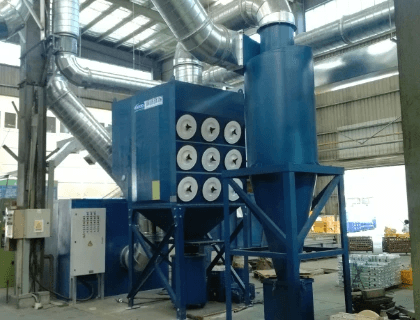
When it comes to optimizing your dust collection system, dust separators play a pivotal role. These devices are designed to enhance the efficiency of your setup by pre-filtering larger debris before it reaches the main dust collector. This not only prolongs the life of your cyclone dust collector or portable dust collector but also improves overall performance.
What is a Dust Separator?
A dust separator is essentially a device that captures and removes larger particles from the airflow in your dust collection system before they reach the main filter or vacuum unit. By utilizing centrifugal force, these separators allow wood chips and other debris to settle into a separate container, preventing clogging and ensuring smooth operation. Whether you're using a shop vac dust collection system or a more robust wood dust collector, integrating a dust separator can significantly improve its functionality.
How Dust Separators Enhance Performance
Dust separators enhance performance by reducing the load on your primary filtration system, allowing it to operate more efficiently and effectively. With less material entering the main unit, you’ll experience fewer filter changes and maintenance requirements—saving both time and money in the long run. Additionally, improved airflow means that you can better determine how much CFM you need for dust collection based on reduced resistance in your setup.
Choosing the Right Dust Separator for Your Setup
Selecting the right dust separator for your setup involves considering several factors such as compatibility with existing systems like cyclone or portable dust collectors, as well as workspace size and type of materials being collected. Ensure that it matches or exceeds your calculated CFM needs for optimal performance; after all, you wouldn't want to invest in equipment that doesn’t meet your requirements! By evaluating these elements carefully, you'll find that choosing an appropriate dust separator can dramatically elevate the efficiency of any shop vac or wood dust collector used in conjunction.
NAROO's Innovative Solutions

Their systems are engineered to meet the diverse needs of various workspaces, whether you're running a small shop or a larger industrial facility. With an emphasis on enhancing air quality and reducing dust-related hazards, NAROO stands out as a leader in the dust collection system market.
Overview of NAROO's Technology
NAROO’s technology integrates advanced filtration mechanisms that significantly improve the effectiveness of dust collection systems. By utilizing high-efficiency particulate air (HEPA) filters and innovative cyclone designs, their wood dust collectors can capture even the finest particles, ensuring cleaner air in your workspace. Additionally, their portable dust collector options are designed for easy mobility without compromising on performance, making them ideal for smaller shops or job sites where flexibility is key.
Benefits of NAROO's Systems
One of the standout features of NAROO's systems is their ability to provide tailored solutions based on specific CFM needs; after all, understanding how much CFM you need for dust collection is crucial for optimal performance. Their products not only enhance efficiency but also extend equipment life by minimizing wear and tear from excess dust buildup. Furthermore, users often report improved overall health and safety conditions in their work environments due to reduced airborne contaminants—a win-win situation!
Case Studies: NAROO in Action
To illustrate the effectiveness of NAROO’s innovative solutions, let’s take a look at some real-world applications. In one case study involving a woodworking shop struggling with excessive wood shavings and fine dust particles, the implementation of a cyclone dust collector from NAROO resulted in a 50% reduction in airborne particles within just weeks—transforming both productivity and worker comfort levels! Another example highlights how a portable dust collector was used at an outdoor construction site; workers found it easy to maneuver while still achieving high CFM rates necessary for effective cleanup after wood cutting tasks.
Conclusion

In the world of woodworking and other dust-producing activities, understanding CFM (Cubic Feet per Minute) is crucial for an effective dust collection system. Knowing how much CFM you need for dust collection can significantly enhance your workspace's cleanliness and safety. Whether you're considering a cyclone dust collector, portable dust collector, or even a shop vac dust collection system, the right choice hinges on your specific needs.
Key Takeaways on CFM for Dust Collection
When determining how much CFM you need for dust collection, remember that various factors come into play, including the type of materials you're working with and the size of your workspace. A cyclone dust collector typically offers higher CFM ratings suitable for larger operations, while a portable dust collector might suffice for smaller shops or hobbyists. Additionally, integrating a quality dust separator can help optimize airflow and improve overall efficiency by preventing clogging in your system.
Best Practices for Selecting a System
Choosing the right dust collection system involves assessing both your workspace dimensions and the nature of the dust generated in your projects. For instance, if you're primarily dealing with fine wood particles, investing in a robust wood dust collector is advisable to ensure adequate filtration and air quality. Always consider portability as well; if you move between projects frequently, a portable dust collector may be more beneficial than heavier alternatives like stationary systems.
Future Trends in Dust Collection Technology
As technology advances, we can expect to see smarter solutions emerging in the field of dust collection systems. Innovations such as automated monitoring systems that track how much CFM you need for optimal performance are likely to become mainstream. Furthermore, enhanced designs in cyclone dust collectors and shop vacs will focus on energy efficiency while maintaining high-performance standards—keeping our workshops cleaner than ever before.