

Most Factory Dust Problems Are Process Problems First
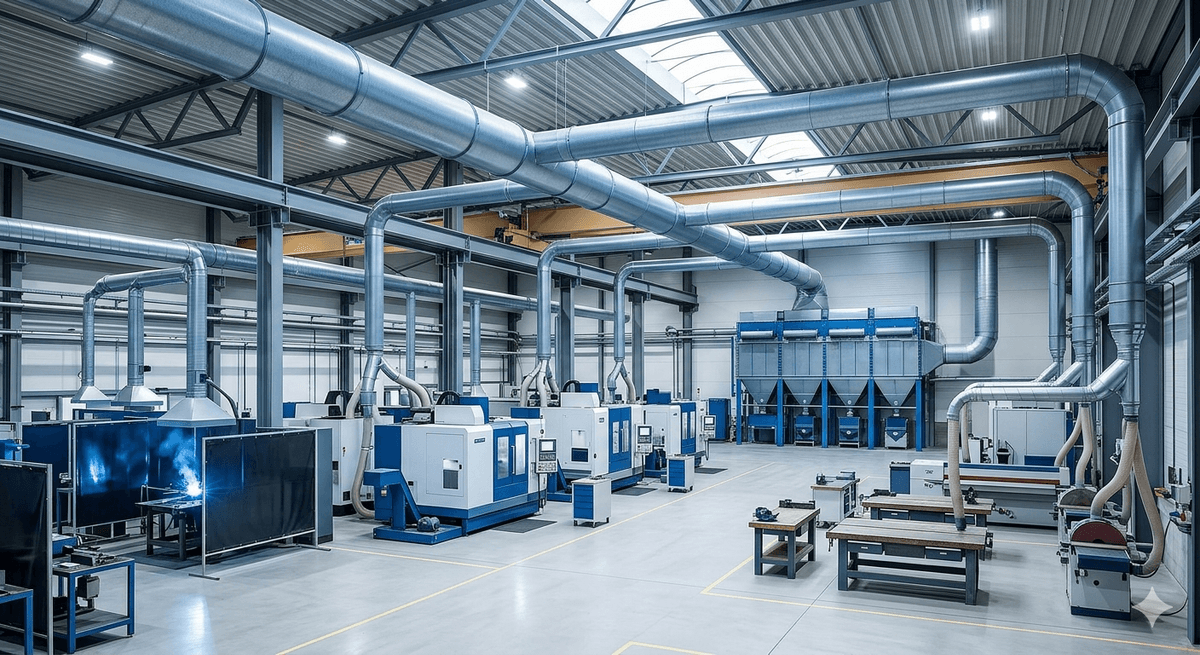
A manufacturing dust collector is often discussed as a piece of equipment for the building. In practice, it is more accurate to treat it as equipment for the process. Dust generation is tied to material handling, cutting, grinding, batching, transfer points, and production changes. If those sources are not mapped carefully, the plant may install a collector that looks large enough but still leaves the critical workstations under-controlled.
That is why plant teams should start with the process map. Where does dust escape? Which stations create fine airborne particulate and which generate heavier material? Does the dust load spike during changeovers or dumping events? These answers shape collector selection more reliably than a rough estimate based on building size.
Collector Selection Starts With Dust Character
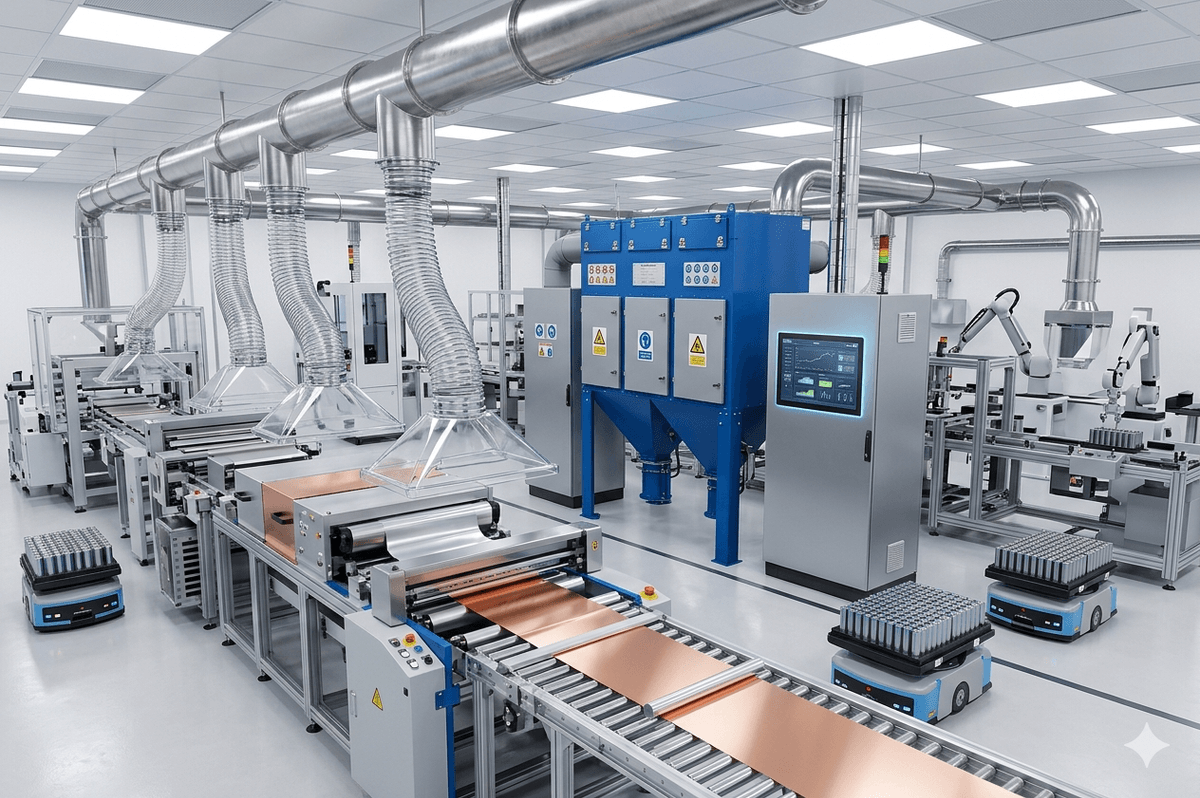
Dust character influences almost every design decision. Fine dry particulate often points toward compact, surface-filtration options such as a cartridge dust collector. Heavy dust loading or larger process airflow may justify comparing a bag dust collector. Where coarser material should be removed early, a cyclone collector may protect downstream filtration.
NAROO's product range is useful because it presents multiple system paths rather than forcing every manufacturing dust collector discussion into one category.
Production Rhythm Changes the Right Equipment Choice
Some plants generate steady dust throughout a full shift. Others produce sharp bursts during dumping, weighing, discharge, or cleanup stages. A manufacturing dust collector that performs well under steady demand may behave differently when the dust load comes in waves. Facilities should therefore ask whether the system must manage continuous collection, peak-event capture, or a mix of both.
That rhythm also affects maintenance. Filters, hoppers, and discharge routines should be sized and scheduled around actual plant behavior, not idealized average conditions.
Use Application Pages as Decision Shortcuts
NAROO's lithium battery application helps with fine particulate and controlled production contexts. The automobile application page is more relevant for mixed metalworking and line-production conditions. The photovoltaics page adds another reference for buyers looking at cleaner process environments with material-specific dust concerns.
These pages give manufacturing buyers a better starting point than generic dust-control language because they connect equipment thinking to actual industrial settings.
A Shortlist Before the RFQ Goes Out
- List the exact dust-generating steps instead of only naming the overall department.
- Document whether the dust is fine, coarse, sticky, combustible, or mixed with fumes.
- Define whether capture should be local, central, or hybrid.
- Review maintenance access, dust discharge, and cleaning responsibilities.
- Check whether future line additions could change the original assumptions.
Where NAROO Fits
NAROO fits best as a manufacturing dust collector supplier when the conversation centers on process-specific design, not just equipment footprint. The company's company profile, product categories, and application pages support that broader system discussion and help industrial buyers compare alternatives more carefully.
Conclusion
A manufacturing dust collector should follow the process map: dust source, dust behavior, production rhythm, and maintenance reality. Plants that define those factors clearly usually get stronger collector performance and fewer surprises after installation.