

Introduction

In the realm of aerospace, maintaining a clean and safe environment is paramount. Aerospace dust control is essential not just for operational efficiency but also for the safety and longevity of aircraft components. As the industry evolves, understanding effective dust management techniques becomes increasingly important to mitigate risks associated with dust accumulation.
Understanding Aerospace Dust Control
Aerospace dust control encompasses a range of strategies designed to minimize dust particles in aviation environments. These strategies include various methods such as dust collection systems, air filtration systems, and fume extraction solutions that work together to create cleaner airspaces. By implementing these measures, aerospace facilities can significantly reduce the detrimental effects of airborne contaminants on both personnel and equipment.
Importance of Effective Dust Management
Effective dust management plays a crucial role in ensuring optimal performance within aerospace operations. Dust accumulation can lead to equipment malfunctions, increased maintenance costs, and potential safety hazards for workers. By prioritizing aerospace dust control measures like industrial filters and advanced air filtration systems, organizations can enhance their operational efficiency while safeguarding their workforce.
Overview of Techniques and Technologies
The landscape of aerospace dust control is rich with innovative techniques and technologies that cater to diverse needs within the industry. From sophisticated industrial dust removal systems to specialized fume extraction methods, there are numerous solutions available for effective contamination management. Understanding these options empowers aerospace professionals to select appropriate strategies that align with their specific operational requirements while ensuring compliance with industry standards.
The Basics of Aerospace Dust Control

In the world of aerospace, dust is more than just a nuisance; it can significantly impact operations and safety. Aerospace dust control encompasses a variety of strategies aimed at managing dust generated during manufacturing, maintenance, and other processes in the aerospace sector. Understanding the nuances of this field is essential for ensuring clean environments that promote efficiency and safety.
What is Aerospace Dust Control?
Aerospace dust control refers to the methods and systems implemented to minimize airborne particles that can compromise aircraft performance and worker safety. This involves a combination of dust collection techniques, air filtration systems, and fume extraction solutions tailored for aerospace applications. By effectively managing these elements, organizations can maintain optimal operational standards while adhering to industry regulations.
Common Sources of Dust in Aerospace
Dust in aerospace settings can originate from various sources, including machining processes, surface treatments, and even environmental factors like construction nearby or natural occurrences such as windstorms. Materials used in aircraft production—such as composites, metals, and coatings—can also contribute to elevated dust levels when processed incorrectly or without adequate controls in place. Recognizing these sources is crucial for implementing effective industrial dust removal systems that keep workspaces safe and compliant.
Impact of Dust on Aerospace Operations
The presence of dust can have detrimental effects on aerospace operations by leading to equipment malfunctions, compromised air quality, and increased maintenance costs due to wear on machinery. Additionally, excessive dust accumulation poses risks related to fire hazards or contamination of sensitive components within aircraft systems. Therefore, investing in robust air filtration systems and effective fume extraction techniques becomes essential for safeguarding both personnel health and operational integrity.
Advanced Dust Collection Systems

In the realm of aerospace dust control, advanced dust collection systems play a pivotal role in maintaining clean and efficient operations. These systems are designed to capture and filter out airborne particles generated during various aerospace processes, ensuring a safer working environment for personnel and preserving the integrity of sensitive equipment. With the right dust extraction solutions in place, organizations can significantly enhance productivity while minimizing health risks associated with dust exposure.
Types of Dust Collection Systems
There are several types of dust collection systems tailored to meet the unique needs of aerospace applications. Baghouse collectors, cartridge collectors, and cyclone separators are among the most common choices in industrial settings. Each system has its own advantages; for instance, baghouse collectors excel at capturing fine particles while cartridge collectors offer compact designs that save valuable floor space.
In addition to these traditional systems, newer technologies such as electrostatic precipitators and wet scrubbers have emerged as viable options for aerospace dust control. Electrostatic precipitators use electrical charges to attract and capture particles from the air stream, making them highly effective for fine particulates. Wet scrubbers utilize liquid solutions to trap both solid and gaseous contaminants, providing an additional layer of filtration that is particularly useful in environments with high humidity or chemical fumes.
Ultimately, selecting the right type of dust collection system hinges on understanding specific operational requirements and challenges within an aerospace facility. By evaluating factors such as particle size distribution, airflow rates, and space constraints, organizations can implement a tailored solution that maximizes efficiency while ensuring compliance with industry standards.
Benefits of Efficient Dust Collection
Efficient dust collection offers numerous benefits that extend beyond mere compliance with regulations; it significantly enhances overall operational efficiency in aerospace environments. First and foremost, effective dust extraction reduces equipment wear-and-tear by preventing abrasive particles from accumulating on machinery surfaces or affecting sensitive components like avionics systems. This not only prolongs equipment lifespan but also minimizes costly downtime associated with repairs or replacements.
Moreover, maintaining a clean workspace promotes better employee health by reducing respiratory risks linked to airborne contaminants—an essential consideration in any industry but especially critical in aerospace where precision is paramount. Improved air quality fosters higher morale among workers who feel valued when their safety is prioritized through proper fume extraction techniques integrated into daily operations.
Lastly, investing in advanced industrial filters as part of a comprehensive air filtration system can lead to significant cost savings over time by optimizing energy consumption within HVAC systems. When combined with regular maintenance practices—such as timely filter replacements—these benefits create a robust framework for sustainable operations that align seamlessly with evolving industry standards.
Key Players: NAROO and Its Innovations
When it comes to leading innovators in the field of aerospace dust control technology, NAROO stands out as a key player committed to advancing efficient solutions for modern challenges faced by manufacturers today. Known for their cutting-edge designs and rigorous testing protocols surrounding industrial filters used across various applications—including fume extraction—their products are engineered not just for effectiveness but also durability under demanding conditions typical within aviation facilities.
NAROO’s commitment extends beyond product development; they actively engage clients through consultations aimed at identifying specific needs related to air filtration systems tailored specifically for each operation’s requirements—ensuring optimal performance every step along the way from installation through ongoing maintenance support services offered post-deployment.
With an eye toward future trends like smart technology integration into existing frameworks (think IoT-enabled monitoring capabilities), NAROO continues pushing boundaries within this sector—showcasing how strategic partnerships between manufacturers seeking excellence can yield transformative results across industries reliant upon stringent adherence towards effective industrial dust removal systems aimed at safeguarding both personnel health & operational integrity alike.
Air Filtration Systems: Keeping It Clean

In the aerospace industry, maintaining a pristine environment is crucial for safety and efficiency. Air filtration systems play a vital role in aerospace dust control by removing airborne particles that can affect both equipment and personnel. The effectiveness of these systems directly impacts the longevity of machinery and the quality of aircraft maintenance.
Role of Air Filtration in Aerospace
Air filtration systems are essential for managing dust collection in aerospace operations, as they filter out harmful particles from the air, ensuring a clean working environment. These systems protect sensitive components from dust accumulation, which can lead to malfunctions or costly repairs. Additionally, effective air filtration contributes to the health and safety of employees by reducing exposure to airborne contaminants.
The importance of air filtration cannot be overstated; it is a key component in fume extraction processes during aircraft maintenance. By capturing harmful fumes and particulates, air filtration systems enhance overall operational efficiency while adhering to stringent industry standards. This makes them indispensable tools for any aerospace facility aiming for excellence.
Choosing the Right Air Filtration System
Selecting the right air filtration system involves understanding specific operational needs and environmental factors within an aerospace setting. Factors such as airflow requirements, types of contaminants present, and space constraints should guide decision-making when implementing an industrial dust removal system. It's crucial to evaluate various options on the market to ensure that chosen filters meet both performance expectations and regulatory compliance.
When assessing different systems, consider their efficiency ratings—higher-rated industrial filters will provide better protection against fine particulates commonly found in aerospace environments. Moreover, ease of maintenance is another important aspect; a user-friendly system ensures minimal downtime during operations while maximizing productivity levels across teams engaged in aircraft maintenance activities.
Leading Air Filtration Manufacturers
Numerous manufacturers specialize in developing cutting-edge air filtration solutions tailored specifically for the aerospace sector's unique challenges. Companies like Donaldson, Camfil, and AAF International are recognized leaders that offer advanced technologies designed for efficient dust extraction and fume control applications within aviation facilities worldwide. Each manufacturer brings its own innovations to the table—ranging from high-efficiency particulate air (HEPA) filters to electrostatic precipitators—ensuring that businesses can find optimal solutions suited for their specific needs.
Moreover, partnerships with reputable air filtration manufacturers often yield benefits beyond just equipment acquisition; these collaborations can lead to ongoing support services including installation guidance and routine maintenance checks on installed systems. As industries increasingly prioritize sustainability alongside operational efficiency, many leading manufacturers are also innovating toward eco-friendly filter options that align with green initiatives while still providing top-notch performance in aerospace dust control efforts.
Fume Extraction Solutions for Aircraft Maintenance

Maintaining a clean and safe environment in aircraft maintenance facilities is paramount, and fume extraction plays a vital role in achieving this goal. The fumes generated during maintenance activities can pose serious health risks to workers and compromise the quality of aerospace dust control efforts. By implementing effective fume extraction systems, aerospace companies can protect their workforce while ensuring compliance with safety regulations.
Importance of Fume Extraction
Fume extraction is essential in mitigating the harmful effects of airborne pollutants generated during various aircraft maintenance processes, such as welding, painting, and chemical application. These fumes not only affect air quality but also contribute to the accumulation of dust particles, making efficient dust collection systems even more critical. By prioritizing fume extraction, organizations can enhance overall workplace safety and promote better employee health outcomes.
In addition to health benefits, effective fume extraction contributes to improved operational efficiency. When workers are not exposed to hazardous fumes or excessive dust accumulation, they can perform their tasks more effectively and with greater focus. This leads to increased productivity in aerospace operations while minimizing potential downtime caused by health-related incidents.
Various Fume Extraction Techniques
There are several techniques employed for fume extraction in aircraft maintenance environments, each designed to address specific challenges associated with airborne contaminants. Local exhaust ventilation (LEV) systems are among the most common methods; they capture fumes at their source before they disperse into the workspace. This technique is particularly effective when combined with industrial filters that trap harmful particles before they enter the air supply.
Another popular method is the use of portable fume extractors that provide flexibility for various maintenance tasks across different locations within a facility. These mobile units offer convenience without compromising on performance; they can be easily transported wherever needed for optimal dust extraction and air filtration purposes. Moreover, advanced filtration technologies ensure that captured contaminants do not re-enter the atmosphere.
Lastly, centralized fume extraction systems serve larger facilities by connecting multiple workstations through ducting networks that efficiently collect fumes from various sources simultaneously. This approach streamlines operations while maintaining high standards of aerospace dust control across expansive areas where multiple activities occur concurrently.
Industry Standards for Fume Control
To ensure safe working conditions within aircraft maintenance environments, industry standards have been established regarding fume control measures that organizations must adhere to diligently. These standards often dictate acceptable exposure limits for airborne contaminants as well as guidelines for implementing effective air filtration systems tailored specifically for the aerospace sector. Compliance with these regulations not only safeguards employee health but also enhances an organization's reputation within the industry.
Leading air filtration manufacturers play a crucial role in developing equipment designed to meet these stringent standards while providing robust solutions for both fume extraction and overall air quality management in aviation settings. Investing in high-quality industrial dust removal systems ensures that organizations remain compliant while effectively managing hazardous emissions produced during maintenance activities.
Ultimately, prioritizing adherence to industry standards fosters a culture of safety that resonates throughout an organization’s operations—demonstrating commitment not just towards regulatory compliance but also towards employee well-being and operational excellence in aerospace endeavors.
Industrial Dust Removal Systems Explained
In the aerospace industry, maintaining a clean environment is crucial for safety and efficiency. Industrial dust removal systems play a pivotal role in ensuring that dust collection processes are effective and compliant with strict regulations. These systems not only enhance air quality but also protect sensitive equipment from the detrimental effects of dust accumulation.
Overview of Industrial Dust Removal Systems
Industrial dust removal systems are designed to capture and eliminate airborne particles generated during various aerospace operations. These systems utilize advanced technologies such as cyclones, baghouses, and cartridge filters to ensure efficient dust extraction. By integrating these industrial filters into aerospace facilities, organizations can significantly reduce particulate matter, thereby improving overall air quality.
The primary goal of these systems is to maintain a safe working environment while adhering to stringent industry standards for aerospace dust control. Effective implementation of industrial dust removal systems can lead to enhanced operational efficiency and reduced maintenance costs over time. Furthermore, with the rise of automation in manufacturing processes, these systems have become more sophisticated and tailored to meet specific operational needs.
Effectiveness of Different Systems
The effectiveness of an industrial dust removal system largely depends on its design and the technology employed within it. For instance, baghouses are renowned for their ability to handle large volumes of dust while providing high filtration efficiency; they are especially useful in applications where fine particles are prevalent. On the other hand, cartridge collectors offer compact solutions that excel in environments where space is limited but require frequent filter changes.
Air filtration manufacturers continuously innovate their products to improve performance metrics such as airflow rates and filter longevity. This ongoing development ensures that industries can choose from a variety of options tailored for specific applications within aerospace operations—whether it's fume extraction during maintenance or general dust collection during manufacturing processes. Ultimately, selecting the right system hinges on understanding the unique challenges posed by each aerospace environment.
Case Studies of Successful Implementations
Several organizations have successfully implemented industrial dust removal systems in their aerospace operations, showcasing their benefits firsthand. For example, a leading aircraft manufacturer adopted a state-of-the-art fume extraction system that not only improved air quality but also increased productivity by 20%. This case highlights how investing in an effective air filtration system can yield tangible returns through enhanced worker safety and operational efficiency.
Another noteworthy example involves an MRO (Maintenance, Repair, Overhaul) facility that integrated a multi-stage industrial dust removal system into its workflow. The result was significant reductions in airborne contaminants—leading to better compliance with environmental regulations while also extending equipment lifespan through improved maintenance practices. Such success stories underscore the importance of partnering with experienced providers like NAROO who specialize in innovative solutions for aerospace dust control.
By examining these implementations closely, it's evident that properly designed industrial dust removal systems can transform how organizations manage airborne particles while driving operational success across various segments within the aerospace sector.
Conclusion
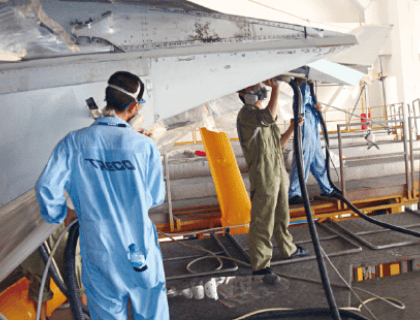
In the ever-evolving landscape of aerospace operations, effective aerospace dust control is not just a regulatory requirement but a strategic imperative. By implementing robust dust collection systems and advanced air filtration systems, organizations can significantly enhance operational efficiency while ensuring worker safety. The integration of fume extraction technologies further complements these efforts, creating a cleaner and safer environment for all involved.
Optimizing Aerospace Operations Through Dust Control
Optimizing aerospace operations hinges on comprehensive dust management strategies that encompass everything from industrial dust removal systems to specialized air filtration manufacturers' solutions. By reducing airborne contaminants through effective dust extraction techniques, companies can minimize equipment wear and tear, thus extending the lifespan of critical assets. Moreover, with less dust in the environment, maintenance crews can focus on their tasks without the distraction or danger posed by particulate matter.
Future Trends in Dust Management Technology
As we look to the future, advancements in technology are set to revolutionize aerospace dust control methodologies. Emerging trends include smart sensors that monitor air quality in real-time and automated systems for more efficient fume extraction processes. Furthermore, innovations in industrial filters promise improved filtration capabilities while being more sustainable and cost-effective than ever before.
Partnering with Experts Like NAROO for Success
To truly excel in aerospace dust control endeavors, partnering with industry leaders like NAROO can make all the difference. Their expertise in designing custom solutions ensures that companies receive tailored air filtration systems and advanced dust collection technologies suited to their specific needs. By collaborating with such experts, organizations not only enhance their operational efficiency but also position themselves as leaders in maintaining high standards of safety and cleanliness.