

Introduction
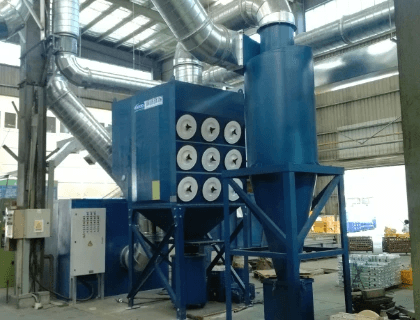
In industrial settings, maintaining a clean and safe environment is crucial, which is where effective dust collection systems come into play. These systems are designed to capture and filter out airborne particulate matter, ensuring that air quality remains high and compliant with health regulations. Understanding the nuances of different types of dust collection bag filters can make a significant difference in operational efficiency and safety.
Understanding Dust Collection Systems
Dust collection systems are essential for controlling hazardous dust emissions that can arise during various manufacturing processes. By utilizing advanced filtration technologies, these systems help to minimize airborne contaminants while improving overall workplace safety. Among the popular options available are baghouse dust collectors and cartridge collectors, each tailored to specific applications and environments.
The Importance of Air Quality in Facilities
Air quality within facilities directly impacts employee health, productivity, and overall morale. Poor air quality can lead to respiratory issues and other health complications, resulting in increased absenteeism and decreased efficiency. Therefore, investing in effective dust collection systems not only promotes a healthier work environment but also supports compliance with occupational safety standards.
Overview of Baghouse and Cartridge Collectors
Baghouse dust collectors are large-scale filtration systems that utilize fabric filters to capture particulate matter from exhaust gases effectively. On the other hand, cartridge collectors employ cylindrical filter cartridges for similar purposes but often cater to smaller operations or specific types of dust. Both options have their unique benefits; understanding these differences is key when determining which system will best meet your facility's needs.
What is a Baghouse Dust Collector?

When it comes to managing airborne particles in industrial settings, the baghouse dust collector stands out as a robust solution. But what exactly is a baghouse dust collector? Essentially, it is an air pollution control device designed to filter and collect dust particles from the air using specialized dust collection bag filters. These systems are vital for maintaining air quality and ensuring compliance with environmental regulations.
Construction and Operation Explained
The construction of a baghouse dust collector involves a series of fabric filter bags housed in a large container or baghouse. Air laden with dust enters the system, where it passes through these filters, allowing clean air to exit while trapping particulate matter inside the bags. The operation typically includes periodic cleaning mechanisms that dislodge collected dust, ensuring optimal performance and prolonging the lifespan of the dust collection bag filters.
In operation, these systems can handle various types of materials ranging from fine powders to larger granules, making them versatile for many applications. The design often incorporates features such as adjustable airflow rates and automated cleaning cycles to enhance efficiency. Understanding how this equipment works is crucial when considering the benefits of baghouse collectors for your facility.
Common Applications in Various Industries
Baghouse dust collectors are widely used across multiple industries due to their efficiency in controlling airborne contaminants. Common applications include manufacturing plants, woodworking facilities, metalworking shops, food processing units, and pharmaceutical production sites. Each industry benefits from tailored solutions that address specific particulate challenges while ensuring compliance with health and safety regulations.
For instance, in woodworking operations where sawdust is prevalent, these systems effectively capture fine wood particles before they can enter the atmosphere or pose health risks to workers. Similarly, in metal fabrication plants where welding fumes are generated, baghouses play an essential role in maintaining clean air conditions for employees. With such diverse applications across sectors, it's clear why understanding what a baghouse dust collector entails is crucial for organizations looking to improve their air quality management strategies.
Advantages of Using Dust Collection Bag Filters
One of the standout advantages of using dust collection bag filters within baghouse systems is their high filtration efficiency; they can capture up to 99% of particulates from exhaust air streams. This level of performance not only enhances workplace safety but also contributes significantly to overall operational sustainability by reducing waste emissions into the environment. Additionally, investing in high-quality filters leads to lower operational costs over time due to decreased maintenance needs and increased longevity.
Another benefit lies in their adaptability; different types of filter media can be employed depending on the specific application requirements—whether you're dealing with sticky materials or abrasive substances. This flexibility ensures that facilities can choose optimal solutions tailored specifically for their unique challenges without compromising on effectiveness or compliance standards. When considering how to choose the right system for your facility's needs, understanding these advantages will help guide your decision-making process regarding both cartridge collectors and traditional baghouses.
Benefits of Baghouse Collectors

Baghouse collectors are a staple in dust management systems, providing numerous advantages that make them a preferred choice for many industries. With their robust design and efficient filtration capabilities, these systems are essential for maintaining air quality and ensuring compliance with environmental regulations. Let’s dive into some of the standout benefits of baghouse collectors.
Efficiency in Dust Control
One of the most significant benefits of baghouse collectors is their efficiency in dust control. These systems utilize dust collection bag filters that capture particles as small as 0.5 microns, ensuring minimal dust emissions into the environment. By effectively trapping harmful particulates, baghouses help facilities maintain cleaner air, which is crucial for both worker health and regulatory compliance.
Moreover, the design of baghouse collectors allows for high airflow rates without sacrificing filtration efficiency. This means you can manage large volumes of dust with ease while keeping operational downtime to a minimum. In industries where airborne particulates can be hazardous, investing in a reliable baghouse system can significantly reduce health risks and enhance overall productivity.
Cost-Effectiveness and Maintenance
The durability of dust collection bag filters used in these systems means they have longer lifespans than many alternatives, reducing replacement frequency and associated costs. Additionally, routine maintenance is simplified thanks to accessible filter locations and automated cleaning mechanisms that minimize manual labor.
In terms of operational costs, the energy efficiency of baghouses also plays an important role in long-term savings. With lower power consumption during operation compared to other systems like cartridge collectors, facilities can enjoy reduced utility bills without compromising on performance or air quality standards. This combination makes investing in a baghouse collector not only wise but financially savvy.
Long-term Sustainability and Compliance
Sustainability is becoming increasingly important across all industries; fortunately, baghouse collectors align well with these goals. By utilizing advanced technology in their design and operation, these systems contribute to reduced waste generation and improved energy efficiency—two critical components for sustainable practices today. Facilities using effective dust collection methods demonstrate a commitment to environmental stewardship while also ensuring compliance with stringent regulations.
Moreover, maintaining compliance with local air quality standards becomes less daunting when employing efficient filtration systems like those found in baghouses. The ability to capture fine particulate matter helps organizations avoid costly fines or shutdowns due to non-compliance issues related to air quality regulations. In this way, choosing a reliable dust collection system not only protects your workforce but also safeguards your business's reputation.
Best Cartridge Applications

When it comes to dust collection systems, cartridge collectors shine in specific applications, offering efficient solutions tailored to various industries. These systems are designed to manage a wide range of particulate matter, making them ideal for environments that require stringent air quality standards. Understanding the best cartridge applications can help facilities maximize their investment in dust collection bag filters and ensure compliance with environmental regulations.
Ideal Industries for Cartridge Collectors
Cartridge collectors are particularly effective in industries such as woodworking, pharmaceuticals, food processing, and metalworking. In woodworking shops, they efficiently capture fine wood dust that can pose health risks and create fire hazards. Similarly, in pharmaceutical manufacturing, these systems help maintain clean air by filtering out hazardous particles that could compromise product integrity or worker safety.
In the food industry, cartridge collectors play a crucial role in maintaining hygiene by removing flour and other food particles from the air. Metalworking facilities benefit from these systems as well; they effectively filter metal shavings and grinding dust, ensuring a safer work environment. By choosing the right system for your facility based on industry needs, you can significantly improve air quality while adhering to health regulations.
Performance in Specific Dust Types
One of the standout features of cartridge collectors is their versatility in handling various types of dust. These systems excel at filtering fine particles like silica or aluminum oxide that require high-efficiency filtration methods due to their potential health hazards. The design of cartridge filters allows them to capture smaller particles more effectively than traditional baghouse systems.
Moreover, when dealing with sticky or oily dust—common in automotive or machining processes—cartridge filters maintain performance without clogging easily thanks to their innovative design and materials used in construction. This adaptability makes them an excellent choice for facilities needing tailored solutions for specific dust types while ensuring compliance with emission standards.
Size and Space Considerations
Space constraints often play a significant role when selecting a dust collection system for your facility; fortunately, cartridge collectors tend to have a smaller footprint compared to baghouses. Their compact design allows them to fit into tight spaces without sacrificing efficiency or performance—a boon for operations where every square foot counts!
Additionally, many modern cartridge collectors come with modular designs that make installation simpler and more flexible according to your facility's layout requirements. When considering how much space you have available for your dust collection system, remember that choosing an efficient solution like a cartridge collector can lead not only to improved air quality but also optimize your workspace.
Cartridge or Baghouse - Key Differences at a Glance

When it comes to dust collection systems, the choice between cartridge and baghouse collectors can be a pivotal one. Understanding the key differences in filtration methods, operational costs, and space efficiency can help you make an informed decision that aligns with your facility's needs. Let's dive into these aspects to shed light on which system might be right for you.
Comparison of Filtration Methods
At the heart of any effective dust collection system is its filtration method, and this is where **dust collection bag filters** really shine in a baghouse setup. Baghouses utilize large fabric bags that trap particles as air passes through them, allowing for high volumes of air to be cleaned efficiently. On the other hand, cartridge collectors employ cylindrical filters that are designed for finer particulate matter but may require more frequent replacements depending on usage, making it crucial to understand what is a Baghouse Dust Collector?
Both systems have their merits; baghouses are typically better suited for larger particles and high dust loads while cartridge collectors excel in environments with fine dusts or when space is limited. However, if you're dealing with sticky or fibrous materials, a baghouse may provide better performance due to its larger filter surface area. Ultimately, your choice will hinge on your specific dust characteristics and operational requirements.
Operational Costs and Lifespan
When evaluating operational costs and lifespan between these two systems—baghouses often come out ahead due to their durability and lower maintenance costs over time. The **Benefits of Baghouse Collectors** include less frequent filter changes since bag filters generally last longer than cartridges when properly maintained. This longevity translates into cost savings as well as reduced downtime for replacements.
Conversely, while cartridge collectors may have lower initial purchase prices, their ongoing maintenance can add up quickly due to more frequent filter changes required in certain applications. Therefore, understanding how each system operates will provide clarity on which option suits your budget best in both the short and long term.
Space and Energy Efficiency
Space considerations are another critical factor when deciding between cartridge or baghouse systems—especially if your facility has limited room for equipment installation. Cartridge collectors are typically more compact than baghouses; they can fit into tighter spaces without sacrificing performance significantly, making them ideal for smaller operations or facilities with height restrictions.
In terms of energy efficiency, both systems have improved over the years but differ slightly based on design principles. Baghouses often require larger blowers due to their size but can operate at lower speeds compared to cartridges under certain conditions—leading to potential energy savings over time when considering airflow dynamics across **dust collection bag filters**.
Ultimately, weighing these factors will help you determine how best to optimize your facility's layout while ensuring effective dust control measures are in place.
How to Choose the Right System for Your Facility

Choosing the right dust collection system can feel like navigating a maze, but it doesn’t have to be overwhelming. Understanding your specific needs and options—like dust collection bag filters or cartridge systems—can streamline the decision-making process. With the right approach, you’ll find a solution that enhances air quality and meets compliance standards.
Assessing Your Dust Collection Needs
Before diving into options like what is a baghouse dust collector? or cartridge collectors, it’s crucial to assess your facility's unique dust challenges. Consider factors such as the type of dust produced, volume generated, and the layout of your workspace. This assessment will guide you in determining whether you need robust solutions like baghouse collectors or more compact cartridge systems.
Additionally, think about regulatory requirements that may influence your choice of dust collection bag filters. Each industry has different standards for air quality and emissions; knowing these can save you from costly compliance issues down the line. Don't forget to factor in maintenance needs and operational costs, as these will impact long-term sustainability.
Consulting with Experts like NAROO
Once you've evaluated your needs, consulting with experts can provide invaluable insights into selecting the best system for your facility. Companies like NAROO specialize in understanding both baghouse and cartridge systems' intricacies, ensuring you make an informed choice based on real-world applications. Their expertise can clarify key differences at a glance between various filtration methods and help demystify terms like dust collection bag filters.
These professionals often conduct site assessments to offer tailored recommendations based on firsthand observations of your operations. They can also assist in evaluating performance metrics related to efficiency in dust control and cost-effectiveness of different systems available on the market today. With expert guidance, you'll be better equipped to choose a system that not only meets current needs but also adapts as those needs evolve over time.
Making an Informed Decision
After gathering information from assessments and consultations, it's time to make that all-important decision regarding which system suits your facility best—be it a baghouse collector or a cartridge option. Weighing factors such as installation space, energy efficiency, and long-term operational costs is essential at this stage; after all, you want something sustainable rather than just another short-term fix!
Remember that both types of collectors come with their own set of benefits; understanding these advantages will help clarify which aligns best with your goals for air quality improvement and regulatory compliance. Ultimately, making an informed decision means considering not just immediate benefits but also how well each system will perform over its lifespan.
Conclusion
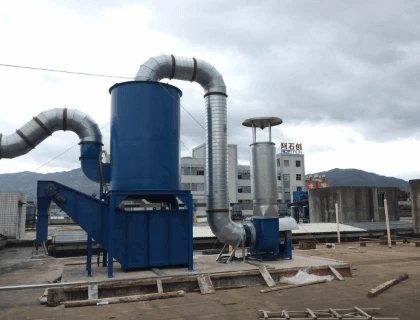
In wrapping up our exploration of dust collection systems, it's clear that both baghouse and cartridge collectors have unique advantages tailored to different operational needs. Understanding What is a Baghouse Dust Collector? helps clarify its role in efficient dust management, while the Benefits of Baghouse Collectors highlight their efficiency and cost-effectiveness. On the flip side, the Best Cartridge Applications showcase how these systems excel in specific settings, proving there's no one-size-fits-all solution.
Recap of Baghouse and Cartridge Benefits
Baghouse collectors are renowned for their robust performance in high-dust environments, making them indispensable for industries like manufacturing and woodworking. Their dust collection bag filters efficiently trap particulate matter while ensuring compliance with air quality regulations. Conversely, cartridge collectors shine in applications requiring a compact footprint with high filtration efficiency, particularly suited for light to moderate dust loads.
Key Considerations for Your Facility
Choosing between baghouse and cartridge systems requires careful consideration of your facility's specific needs. Factors such as the type of dust generated, space constraints, and budgetary limits all play crucial roles in decision-making. Additionally, understanding the Cartridge or Baghouse - Key Differences at a Glance will provide clarity on operational costs and maintenance requirements that can impact long-term sustainability.
Taking Action Towards Improved Air Quality
To enhance air quality within your facility effectively, start by assessing your unique dust collection requirements thoroughly. Engage with experts like NAROO who can guide you through How to Choose the Right System for Your Facility, ensuring you make an informed decision based on solid data rather than assumptions. By prioritizing effective dust management solutions such as high-quality dust collection bag filters, you're not just complying with regulations—you're fostering a healthier workplace environment.