

Introduction
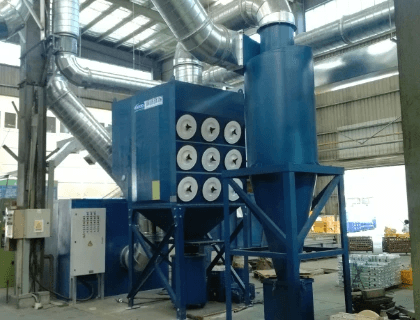
Dust collectors play a crucial role in trapping airborne particles generated during various processes, ensuring that the air quality remains high and compliant with safety standards. However, the question often arises: how big of a dust collector do I need? The answer lies in evaluating several factors unique to your operation.
Understanding Dust Collector Needs
Every workshop or industrial facility has its own specific requirements when it comes to dust collection. The type of materials being processed, the volume of dust produced, and even the layout of your space can significantly influence your choice of equipment. By grasping these nuances, you can make informed decisions about how big of a dust collector do I need to effectively manage airborne contaminants.
The Importance of Proper Sizing
Selecting the right size for your dust collector is not just a matter of convenience; it's essential for efficiency and effectiveness. An undersized unit may struggle to keep up with airflow demands, leading to poor performance and potential health hazards due to inadequate filtration. Conversely, an oversized system can waste energy and resources while failing to deliver optimal results—hence the necessity to select the size carefully using tools like the dust collection CFM chart.
Overview of Dust Collector Types
Dust collectors come in various shapes and sizes, each designed for different applications and environments. From baghouse systems that excel in large-scale industrial settings to portable collectors perfect for small shops, understanding these options will help you determine which style suits your needs best. As you navigate through this selection process, remember that identifying what type you need is just as crucial as knowing how big of a dust collector do I need.
What Size Dust Collector Do I Need?

Selecting the right size dust collector is crucial for maintaining a clean and safe workspace. It’s not just about picking any machine; you need to consider various factors that influence your specific needs. So, how big of a dust collector do I need? Let’s dive into the details.
Factors Influencing Size Selection
When determining how big of a dust collector do I need, several factors come into play. First and foremost, the type of materials you’re working with can significantly impact your choice; fine dust from woodwork requires different handling than heavier particles from metal grinding. Additionally, the number of machines in use simultaneously will dictate your airflow requirements—more machines mean more dust and higher CFM (Cubic Feet per Minute) needs.
Another important factor is the layout of your shop or workspace. If you have a sprawling setup with long duct runs, you may need a larger capacity system to overcome resistance in the ductwork. Finally, considering future growth is essential; if you plan to expand operations or add more machinery down the line, it’s wise to select a collector that can accommodate those changes.
Measuring Airflow Requirements
To determine how big of a dust collector do I need effectively, measuring airflow requirements is paramount. Start by calculating the total CFM required for all tools that will be connected to the system; each tool typically has its own recommended airflow rating based on its size and type of operation. For example, table saws usually require around 400-800 CFM while larger equipment like planers might demand upwards of 1200 CFM.
Next up is understanding static pressure loss due to duct length and bends; this can significantly affect performance if not properly accounted for. Utilize tools like an anemometer or consult manufacturer specifications for precise measurements—this way, you'll ensure optimal performance without overspending on unnecessary capacity.
Using Dust Collection CFM Chart
Once you've measured airflow requirements accurately, using a dust collection CFM chart can clarify your options further when deciding how big of a dust collector do I need. These charts provide quick references for various tools and their corresponding CFM needs based on different setups and configurations. By cross-referencing this data against available models in the market, you’ll be able to narrow down suitable options that meet both current demands and potential future expansions.
Additionally, don't forget to consider any additional accessories like blast gates or dampers that could influence overall efficiency as well—each small detail contributes to choosing the right size collector! After consulting these resources and gathering all necessary information about airflow requirements and tool specifications, selecting the right type or style becomes much easier.
Select the Collector Type or Style

The type of dust collector you choose will depend on various factors, including your workspace size, the materials being processed, and airflow requirements. Understanding these nuances will help you answer the pressing question: how big of a dust collector do I need?
Baghouse vs. Cyclone Collectors
Baghouse collectors and cyclone collectors each have unique advantages that cater to different dust collection needs. Baghouse systems are excellent for fine particulate matter, utilizing fabric filters to capture dust particles efficiently; they can handle large volumes of air and often have high collection efficiencies. On the other hand, cyclone collectors excel in separating larger particles from the airflow using centrifugal force, making them ideal for operations with heavier debris.
Choosing between these two types requires consideration of what you're collecting and how much airflow is needed—this is where consulting a dust collection CFM chart becomes invaluable. If your operation generates both fine and coarse dust, you might even consider a hybrid approach that employs both systems for maximum efficiency. Ultimately, understanding how big of a dust collector do I need hinges on evaluating your specific requirements against these options.
Portable Collectors for Small Shops
For small shops or DIY enthusiasts, portable collectors offer flexibility without sacrificing performance; they’re designed to be easily moved around as needed while still providing adequate suction power for light-duty applications. These compact units are perfect for hobbyists who work with wood or other materials that produce manageable amounts of dust—think sawdust from woodworking projects or shavings from metalworking tasks.
While portable collectors may not have the same capacity as larger fixed systems, they can still effectively manage localized dust issues when used correctly; this makes them an excellent choice if you're looking to select the collector type or style suited for a smaller workspace without breaking the bank. Additionally, understanding how big of a dust collector do I need becomes simpler when considering smaller projects since most portable models come with clear specifications regarding their CFM ratings.
Fixed Systems for Industrial Use
In contrast to portable models, fixed systems are designed for industrial environments where high-volume air filtration is necessary; these robust units are typically installed directly into existing ductwork and can handle significant airflow demands while maintaining optimal performance over time. They are ideal if your facility processes large quantities of material regularly—think manufacturing plants or woodworking shops with multiple machines generating substantial amounts of airborne debris.
When selecting a fixed system, it's essential to calculate required CFM based on your machinery's output and layout; this ensures you install an appropriately sized unit tailored specifically to your operational needs while also planning ahead should production increase in the future. In summary, understanding how big of a dust collector do I need involves evaluating whether a portable solution suffices or if investing in a more permanent installation better suits your long-term goals.
Select the Size
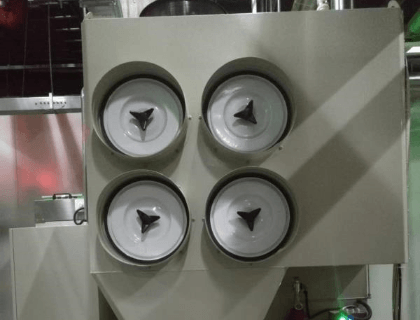
Choosing the right size for your dust collector is crucial to ensure optimal performance and air quality in your workspace. When asking yourself, how big of a dust collector do I need? several factors come into play that will guide your decision-making process. The objective is to balance efficiency with capacity, ensuring that you select the ideal system for both current and future needs.
Calculating Required CFM
To determine how big of a dust collector do I need, you first need to calculate the required Cubic Feet per Minute (CFM) for your specific application. CFM measures how much air your dust collection system can move, which directly impacts its effectiveness in capturing airborne particles. By using a dust collection CFM chart tailored to various tools and machines, you can estimate the airflow requirements based on their specifications.
For example, if you're using multiple machines simultaneously or have larger equipment, you'll want to sum up their individual CFM ratings for an accurate total requirement. Remember that overestimating is better than underestimating; an undersized system could lead to poor filtration and increased maintenance costs down the line. Therefore, always err on the side of caution when calculating your required CFM.
Ductwork Considerations
Once you've determined how big of a dust collector do I need based on CFM calculations, it's time to consider ductwork design and layout. The effectiveness of any dust collection system largely depends on how well it’s connected through ductwork; poorly designed ducts can lead to significant airflow loss and inefficiency. Factors such as duct diameter, length, bends, and fittings all contribute to the overall performance of your setup.
When planning ductwork routes, aim for straight runs whenever possible while minimizing sharp turns that could impede airflow. Also consider materials; smooth-walled ducts are more efficient than those with rough interiors due to reduced friction losses. Properly sizing and designing ductwork ensures that you’re maximizing the capabilities of your selected collector type or style.
Scaling for Future Needs
When selecting size options for your dust collection system, it's wise not only to focus on immediate requirements but also think about future scalability as well—after all, businesses evolve! If you anticipate growth in production or additional machinery down the line, factor this into your initial sizing decisions so you won’t be left scrambling later on when it’s time to expand.
Scaling means choosing a unit that can accommodate additional airflow without requiring complete replacement or extensive modifications later—this might include opting for a slightly larger model initially or designing flexible ducting systems that allow easy upgrades as needed. Investing in future-proof solutions ultimately saves both time and money while ensuring consistent air quality standards are maintained throughout operational changes.
Additional Considerations

When selecting the right dust collector, it's vital to consider more than just the size and type. Factors like noise levels, local regulations, and reliability can significantly impact your dust collection experience. In this section, we’ll dive into these additional considerations that can help you make a well-rounded decision.
Noise Levels and Maintenance
Noise levels are often an overlooked aspect when determining how big of a dust collector do I need for my workspace. Some collectors operate quietly while others can be quite loud, potentially disrupting your work environment or violating local noise ordinances. Additionally, maintenance is a crucial factor; regular cleaning and filter replacement are essential to ensure efficient operation and longevity of your dust collection system.
Choosing a quieter model may seem like an added expense initially, but it can enhance productivity by allowing for better focus in the workspace. Furthermore, understanding the maintenance requirements of different styles—whether baghouse or cyclone—can save you time and money in the long run. Always check the manufacturer’s guidelines on maintenance to avoid any surprises down the road.
Local Regulations and Compliance
Before finalizing your choice on how big of a dust collector do I need, it’s essential to consider local regulations regarding air quality and workplace safety. Many regions have specific standards that dictate how much particulate matter can be released into the air from industrial processes. Ensuring compliance with these regulations not only protects your business from fines but also promotes a healthier work environment.
Consulting with local authorities or industry experts about required certifications can provide clarity on what is necessary for compliance in your area. Additionally, some collectors come equipped with advanced filtration systems designed specifically to meet stringent environmental standards. Investing in compliant equipment may seem costly upfront but could save you significant headaches later on.
Reliability and Safety Features
When selecting the collector type or style, reliability should be at the forefront of your decision-making process; after all, no one wants their operations interrupted by equipment failure! Look for models that come highly rated for durability and performance over time—this is where research pays off! Safety features such as explosion-proof designs or automatic shut-off mechanisms also add layers of protection that shouldn’t be ignored.
Incorporating reliable equipment into your workflow not only enhances efficiency but also fosters trust among employees who rely on it daily. Moreover, many modern dust collectors now include smart technology that monitors performance metrics in real-time—an invaluable tool if you're looking to scale up operations in line with future needs outlined earlier when discussing how big of a dust collector do I need for optimal performance.
NAROO and Industry Standards

In the ever-evolving world of dust collection, NAROO stands at the forefront, driving innovation and setting industry standards that ensure both efficiency and safety. Understanding how big of a dust collector do I need is crucial for optimizing performance in various settings, from small workshops to large industrial facilities. By integrating cutting-edge technology with user-friendly designs, NAROO not only enhances air quality but also streamlines operations.
Innovation in Dust Collection
NAROO consistently pushes the boundaries of what's possible in dust collection technology. Their approach to innovation includes developing advanced filtration systems that maximize airflow while minimizing energy consumption—essentially answering the question: how big of a dust collector do I need? With features like smart sensors and automated cleaning mechanisms, choosing the right collector type or style becomes less daunting as these innovations simplify maintenance and improve overall effectiveness.
Moreover, NAROO's commitment to research and development means they are always exploring new materials and designs that enhance performance. This focus on innovation ensures that users can select the size of their dust collectors based on accurate data rather than guesswork. Ultimately, this leads to better air quality management across various industries.
Meeting Global Safety Certifications
Safety is paramount when it comes to dust collection systems, especially in environments where hazardous materials are present. NAROO understands this importance and has made it their mission to meet global safety certifications that ensure compliance with local regulations. When determining how big of a dust collector do I need, it's essential to consider not just airflow requirements but also safety features that protect workers.
By adhering to international standards such as ISO 9001 and OSHA regulations, NAROO provides peace of mind for businesses looking to invest in reliable equipment. The emphasis on safety extends beyond mere compliance; it reflects a commitment to creating safer work environments through effective air quality management solutions. This means when you select the size or type of your collector, you’re also investing in your team's well-being.
Additionally, meeting these certifications often involves rigorous testing processes which validate the effectiveness of their systems under real-world conditions. This attention to detail ensures customers can trust their choice when selecting a dust collection system tailored for their specific needs.
Case Studies: Trusted by Leading Brands
NAROO's reputation is bolstered by successful partnerships with leading brands across various industries who have implemented their advanced dust collection solutions effectively. These case studies provide valuable insights into how companies approached questions like how big of a dust collector do I need based on their unique operational requirements and challenges faced during implementation. Each success story illustrates not only improved air quality but also increased productivity thanks to optimized selections regarding both size and type.
For instance, one prominent automotive manufacturer faced significant challenges due to high volumes of particulate matter produced during assembly processes; they turned to NAROO for guidance on selecting the right system size based on detailed airflow calculations from a comprehensive dust collection CFM chart provided by NAROO experts. The result was an efficient fixed system that dramatically reduced airborne contaminants while meeting all necessary local regulations—a win-win situation!
These case studies serve as powerful testimonials showcasing how proper selection—both in terms of size and style—can lead directly to enhanced workplace safety conditions alongside improved operational efficiency within industrial settings.
Conclusion

In the realm of dust collection, understanding how big of a dust collector do I need is paramount for maintaining a clean and safe workspace. Selecting the right size not only enhances efficiency but also ensures that you have a system capable of handling your specific requirements. With the right insights into airflow needs and collector types, you can make an informed decision that will pay off in the long run.
Key Factors for Choosing Size
First, it's crucial to measure airflow requirements accurately; using a dust collection CFM chart can simplify this process significantly. Additionally, considering future needs and potential expansions can prevent costly upgrades down the line—because nobody wants to be caught off guard by inadequate suction!
Benefits of the Right Collector Type
Choosing the right collector type or style can drastically improve your operational efficiency and air quality. Whether you opt for a baghouse system or a portable collector, each type has its unique advantages tailored to different environments and applications. The right choice not only optimizes performance but also contributes to employee health and productivity—because clean air is happy air!
Long-Term Investment in Air Quality
Investing in an appropriately sized dust collector is more than just checking off a box; it’s about committing to long-term air quality improvement in your workspace. By thoroughly evaluating how big of a dust collector do I need and selecting accordingly, you're setting up for sustained success and compliance with local regulations. Remember, good air quality isn’t just nice to have—it’s essential for safety and overall well-being.