

Introduction
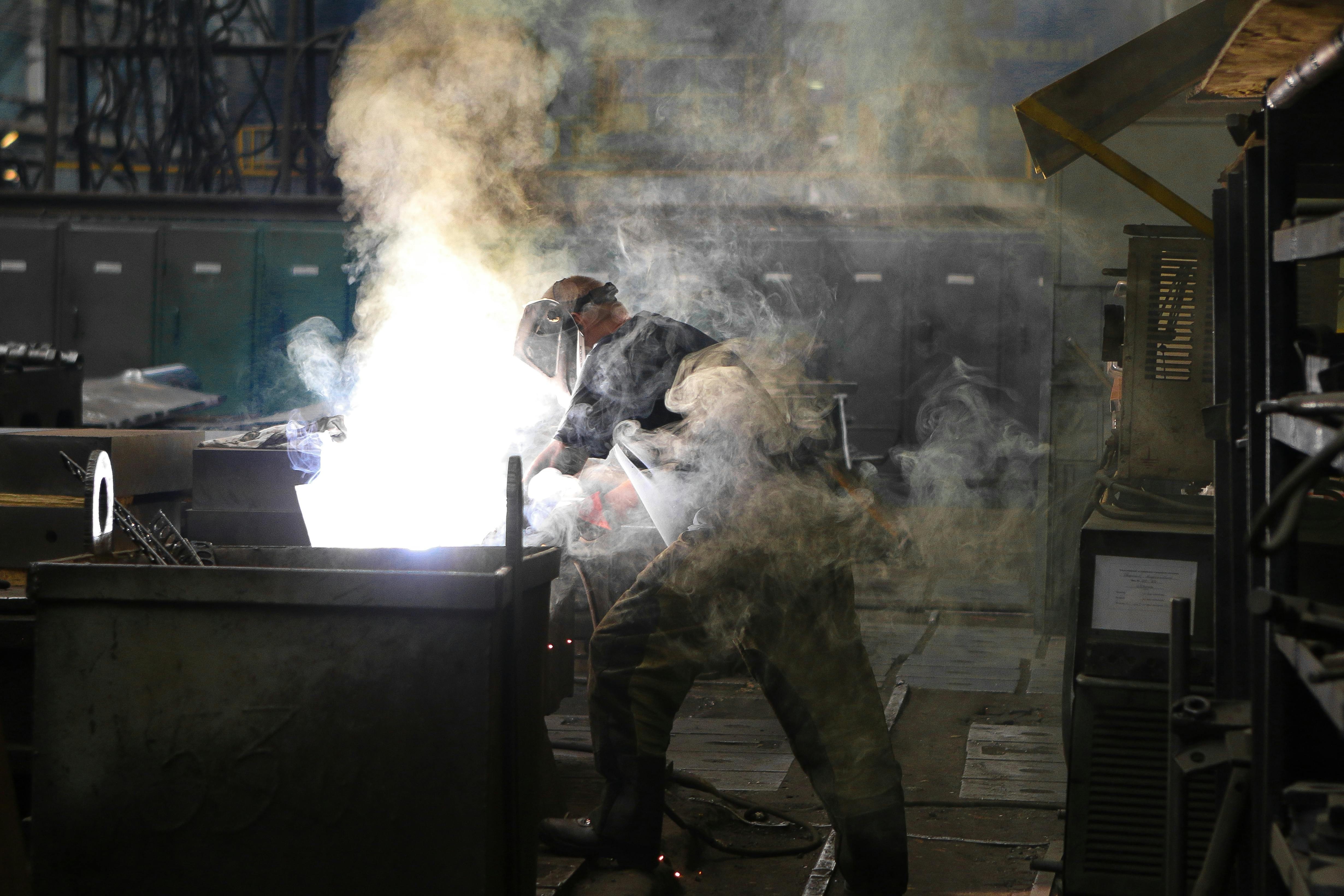
In various industries, the presence of chemical and metal dust poses significant hazards that can affect both workers' health and the environment. Understanding these hazards is crucial for implementing effective safety measures, especially when dealing with substances like wood dust. The question of how much exposure to wood dust is dangerous is a pressing concern, as it directly relates to regulatory standards such as the Wood Dust OSHA standard.
Understanding Chemical and Metal Dust Hazards
Chemical and metal dust can originate from numerous sources, including manufacturing processes, construction activities, and even routine maintenance tasks. These particles can vary in size and composition, making them particularly insidious as they are often inhaled without immediate detection. Recognizing the specific characteristics of dangerous dust is essential for assessing risk levels associated with exposure.
Importance of Exposure Control
Effective exposure control is paramount in mitigating the risks associated with chemical and metal dust. This involves not only understanding how much exposure to wood dust is dangerous but also establishing protocols that protect workers from harmful effects over time. By prioritizing exposure control measures, companies can foster a safer workplace environment while adhering to regulatory standards.
Role of NAROO in Safety Solutions
NAROO plays a pivotal role in providing innovative safety solutions tailored to combat chemical and metal dust hazards effectively. Their advanced technologies are designed to enhance workplace safety by minimizing exposure risks, particularly concerning wood dust—where knowing how much exposure to wood dust is dangerous becomes critical for compliance with the Wood Dust OSHA standard. Partnering with NAROO allows companies to implement comprehensive strategies that prioritize health while promoting productivity.
Types of Chemical and Metal Dust

When it comes to workplace safety, understanding the various types of chemical and metal dust is crucial. Each type poses unique hazards that can affect workers' health and the environment. By identifying these dust types, we can better implement control measures to mitigate risks associated with them.
Common Sources of Hazards
Chemical and metal dust can originate from a variety of sources, often depending on the industry in question. In manufacturing settings, processes such as grinding, sanding, or cutting metals can release harmful particles into the air. Additionally, industries like woodworking generate significant amounts of wood dust—raising the question: how much exposure to wood dust is dangerous? The answer lies in understanding both the source and nature of these hazards.
Woodworking operations are notorious for producing fine wood dust that can easily become airborne. Other common sources include construction sites where materials are cut or demolished, as well as agricultural activities that disturb soil or plant matter. Knowing these sources helps businesses prioritize safety measures to protect workers from harmful exposure.
Characteristics of Dangerous Dust
Not all dust is created equal; some have more hazardous characteristics than others. Dangerous dust particles are typically small enough to be inhaled deeply into the lungs, leading to respiratory issues over time. For example, wood dust contains fine particulate matter that can trigger allergic reactions and even chronic conditions if proper precautions aren’t taken—again emphasizing how much exposure to wood dust is dangerous.
In addition to size, the chemical composition plays a significant role in determining toxicity levels. For instance, metal dust from welding or machining may contain heavy metals like lead or cadmium, which pose serious health risks upon inhalation or skin contact. Understanding these characteristics allows employers to tailor their safety protocols effectively.
Impact on Health and Environment
The impact of chemical and metal dust extends beyond immediate health concerns; it also affects long-term well-being and environmental sustainability. Exposure can lead to chronic respiratory diseases such as asthma or even lung cancer—especially concerning when considering how much exposure to wood dust is dangerous for workers in woodworking industries governed by OSHA standards.
Moreover, environmental contamination occurs when hazardous particles settle on surfaces or enter water systems through runoff. This contamination not only harms ecosystems but also poses risks for communities surrounding industrial sites. By recognizing these impacts, organizations can take proactive steps toward safer practices that protect both employees and the environment.
How Much Exposure to Wood Dust Is Dangerous
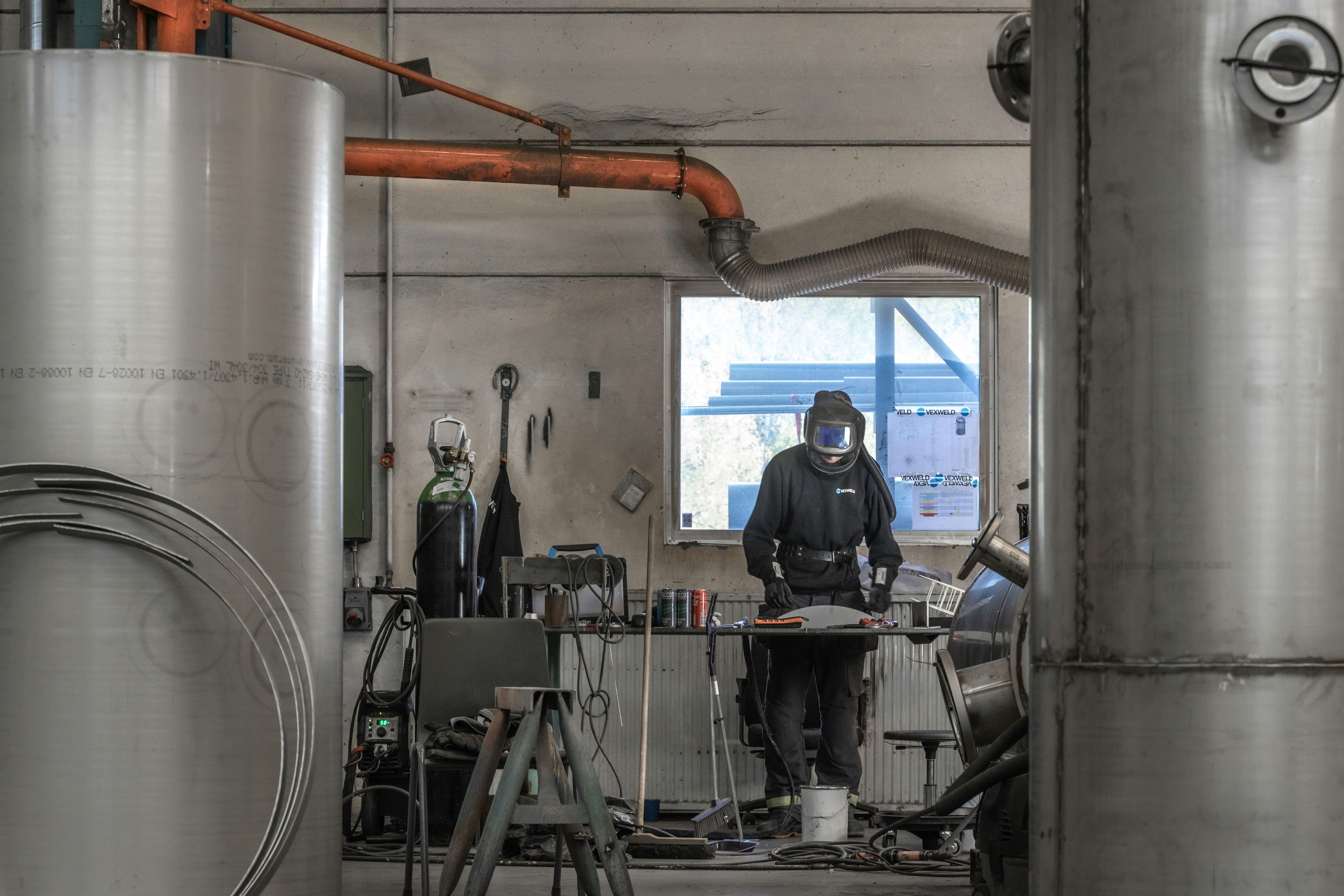
Wood dust is a common byproduct in various industries, particularly in woodworking, construction, and manufacturing. Understanding how much exposure to wood dust is dangerous is crucial for maintaining a safe workplace. This section delves into risk levels associated with wood dust exposure, long-term health effects, and the Wood Dust OSHA standard that governs safety measures.
Identification of Risk Levels
Determining how much exposure to wood dust is dangerous requires an understanding of both the concentration of dust in the air and the duration of exposure. Generally, even low levels of wood dust can pose risks if inhaled over extended periods. OSHA recommends that employers regularly monitor air quality to ensure that workers are not exposed to harmful levels of wood dust.
The risk levels can vary based on factors such as the type of wood being processed and individual susceptibility among workers. For instance, certain hardwoods like oak and maple can produce more hazardous dust than softwoods like pine. Therefore, identifying specific risk levels involves assessing both the material being worked with and the working conditions present.
Employers should implement regular assessments and monitoring systems to identify when exposure exceeds safe thresholds. By establishing these parameters, companies can take proactive measures to protect their employees from potential harm caused by excessive wood dust exposure.
Long-term Health Effects
Long-term exposure to wood dust has been linked to several serious health issues that can significantly impact workers' quality of life. One notable concern is respiratory diseases; prolonged inhalation may lead to chronic bronchitis or even asthma-like symptoms over time. Moreover, research suggests an increased risk of developing nasal cancers among those consistently exposed to high concentrations of wood dust.
In addition to respiratory problems, individuals may experience skin irritations or allergic reactions due to contact with certain types of wood or its associated chemicals. These long-term health effects underscore why it’s vital for employers and employees alike to understand how much exposure to wood dust is dangerous before it leads to irreversible damage.
Furthermore, awareness around these health risks should drive workplace safety initiatives aimed at reducing overall exposure levels through effective control measures—making it imperative for businesses not just for compliance but also for ethical responsibility toward their workforce's wellbeing.
Wood Dust OSHA Standard Overview
The Occupational Safety and Health Administration (OSHA) has established standards specifically addressing how much exposure to wood dust is dangerous in order to protect workers from its harmful effects. The Wood Dust OSHA standard sets permissible exposure limits (PELs), which dictate the maximum allowable concentration of airborne wood dust over an 8-hour workday or 40-hour workweek.
Currently, OSHA's PEL for total wood dust is set at 15 mg/m³ while respirable fraction limits are capped at 5 mg/m³—these figures reflect what research indicates as reasonably safe thresholds for worker health over time. Employers must comply with these standards by implementing appropriate monitoring systems and ensuring adequate ventilation in work areas where airborne particles may accumulate.
Failure to adhere not only poses significant risks but also exposes companies legally if they do not meet regulatory requirements regarding worker safety related specifically to how much exposure to wood dust is dangerous according to OSHA guidelines. By prioritizing compliance with these standards, organizations foster a safer work environment while mitigating potential liabilities associated with occupational hazards.
Effective Control Measures

When it comes to managing the risks associated with chemical and metal dust, implementing effective control measures is paramount. These measures not only protect workers but also ensure compliance with safety regulations, such as the Wood Dust OSHA standard. By prioritizing safety through engineering controls, personal protective equipment (PPE), and efficient ventilation solutions, companies can significantly reduce exposure levels and foster a healthier workplace.
Engineering Controls and Best Practices
Engineering controls are the first line of defense against hazardous dust exposure in any work environment. This includes installing dust collection systems that capture wood dust at its source, effectively minimizing how much exposure to wood dust is dangerous for employees. Best practices also involve regular maintenance of equipment to ensure optimal performance and adherence to the Wood Dust OSHA standard, reducing the likelihood of airborne particles.
Another best practice is the use of enclosed processes where possible, which can drastically limit worker exposure to harmful dust particles. Additionally, implementing automated systems can reduce manual handling of materials that generate dust, further protecting workers from inhaling hazardous particles. By focusing on engineering controls, organizations create a safer work environment while enhancing productivity.
Personal Protective Equipment
While engineering controls are crucial, personal protective equipment (PPE) remains an essential component in any comprehensive safety strategy against wood dust hazards. Workers should be equipped with properly fitted respirators that meet or exceed standards set by organizations like OSHA when dealing with high levels of wood dust exposure—especially in environments where how much exposure to wood dust is dangerous remains a concern. Beyond respirators, additional PPE such as goggles and gloves can help shield workers from irritants and potential allergens present in metal or chemical dust.
Training employees on the correct use of PPE ensures they understand its importance in protecting their health against long-term effects associated with inhalation or skin contact with harmful substances. Regular inspections of PPE also ensure that equipment remains functional and effective over time—an often overlooked but vital aspect of maintaining workplace safety standards related to wood dust hazards. By fostering a culture that emphasizes PPE usage alongside other control measures, companies can enhance overall worker protection.
Ventilation and Filtration Solutions
Effective ventilation systems play an indispensable role in controlling airborne contaminants generated from chemical and metal processes, including wood dust creation. Properly designed ventilation helps dilute hazardous concentrations in the air while bringing fresh air into workspaces—crucial for maintaining safe levels below what would be considered how much exposure to wood dust is dangerous according to established guidelines like those outlined by OSHA’s Wood Dust standard. Filtration solutions further complement these efforts by capturing fine particulates before they reach workers’ breathing zones.
Employing high-efficiency particulate air (HEPA) filters within ventilation systems ensures that even the smallest particles are effectively removed from circulating air—a necessary step for industries heavily reliant on woodworking or similar operations where metal chips may also pose risks. Regular maintenance checks on these systems help prevent failures that could lead to increased worker exposure levels over time; this proactive approach aligns well with compliance efforts related to both health regulations and industry best practices regarding hazardous materials management.
In conclusion, combining engineering controls with appropriate personal protective equipment and robust ventilation solutions creates a multi-layered defense against chemical and metal dust hazards in workplaces today—ensuring employee safety while adhering strictly to guidelines like those specified by the Wood Dust OSHA standard.
Implementing Safety Protocols in the Workplace

Creating a safe working environment is crucial when dealing with chemical and metal dust hazards, especially wood dust. Implementing effective safety protocols not only protects employees but also enhances productivity and compliance with regulations. By focusing on monitoring systems, training programs, and adherence to industry standards, organizations can significantly mitigate risks associated with dust exposure.
Establishing Monitoring Systems
Monitoring systems are essential for assessing how much exposure to wood dust is dangerous in the workplace. These systems can include air quality monitors that continuously measure the concentration of wood dust particles in the air, providing real-time data to management and workers alike. By establishing these monitoring systems, companies can identify hazardous levels of exposure and take immediate action to reduce risk before it becomes a serious issue.
Regular assessments using these monitoring tools help ensure compliance with the Wood Dust OSHA standard, which sets permissible exposure limits for wood dust concentrations in occupational settings. Furthermore, implementing a robust monitoring system fosters a culture of safety where employees feel empowered to report concerns about potential hazards without fear of reprisal. Ultimately, effective monitoring creates a proactive approach to managing health risks associated with chemical and metal dust.
Training and Awareness Programs
Training programs play a pivotal role in educating employees about the dangers of wood dust exposure and how much exposure to wood dust is dangerous for their health. Comprehensive training should cover topics such as identifying hazardous materials, understanding the effects of prolonged exposure, and recognizing symptoms related to respiratory issues or skin irritations caused by wood dust particles. By fostering awareness among employees about these risks, organizations can encourage them to adopt safer work practices.
Moreover, ongoing education reinforces the importance of adhering to established safety protocols and using personal protective equipment (PPE) effectively. Regular refresher courses ensure that all team members remain informed about updates regarding the Wood Dust OSHA standard as well as any new technologies or methods for controlling exposure levels effectively within their work environment. When employees are well-trained and aware of potential hazards, they become valuable partners in maintaining workplace safety.
Compliance with Industry Standards
Compliance with industry standards is non-negotiable when it comes to protecting workers from harmful exposures like those posed by wood dust. The Wood Dust OSHA standard provides clear guidelines on permissible limits for airborne concentrations of wood dust; thus, organizations must prioritize adherence to these regulations as part of their overall health strategy. Failure to comply not only puts employees at risk but can also result in significant legal ramifications for companies.
In addition to following OSHA guidelines, businesses should stay updated on best practices relevant to their specific industries—this includes incorporating innovative solutions from trusted providers like NAROO that align with regulatory requirements while enhancing overall safety measures against chemical and metal dust hazards. Regular audits can help assess compliance status while identifying areas needing improvement or adjustment based on evolving regulations or emerging technologies available today.
By committing fully towards meeting industry standards through diligent efforts across all operational aspects—including employee training initiatives—companies will create safer environments conducive both productivity gains alongside enhanced worker satisfaction levels over time.
Innovative Solutions from NAROO

In the ever-evolving landscape of workplace safety, NAROO stands out by providing cutting-edge solutions tailored to combat chemical and metal dust hazards effectively. With a commitment to enhancing health standards, their innovative technologies are designed to minimize risks associated with dust exposure, particularly wood dust. Understanding how much exposure to wood dust is dangerous is crucial for maintaining a safe work environment, and NAROO's systems address this need head-on.
Advanced Dust Removal Technologies
NAROO has developed state-of-the-art dust removal technologies that focus on efficiency and effectiveness. These systems utilize advanced filtration methods that capture harmful particles, ensuring that the air quality remains safe for workers. By adhering to the Wood Dust OSHA standard, these technologies not only meet regulatory requirements but also provide peace of mind for employers looking to safeguard their workforce against the dangers of wood dust exposure.
The integration of smart sensors allows for real-time monitoring of dust levels in the workplace, giving companies immediate feedback on air quality. This proactive approach helps businesses identify potential hazards before they escalate into serious issues. Overall, NAROO’s advanced solutions empower organizations to take charge of their safety protocols while minimizing the risks associated with how much exposure to wood dust is dangerous.
Case Studies of Successful Implementations
Numerous companies have successfully integrated NAROO’s innovative solutions into their operations with remarkable results. One notable case involved a furniture manufacturing plant that faced significant challenges related to wood dust accumulation and employee health concerns. After implementing NAROO’s advanced filtration systems, they reported a dramatic decrease in airborne particles and improved overall worker satisfaction—proving that effective strategies can lead to safer workplaces.
Another case study highlighted a construction company where workers were frequently exposed to hazardous metal dust during operations. By adopting NAROO’s tailored ventilation solutions, they not only complied with industry regulations but also enhanced productivity as employees felt healthier and more focused on their tasks. These success stories underscore the importance of understanding how much exposure to wood dust is dangerous and demonstrate how proactive measures can lead directly to improved safety outcomes.
Benefits of NAROO Systems for Companies
Investing in NAROO’s systems offers numerous advantages for businesses aiming for compliance with safety standards while protecting their workforce from harmful exposures like wood dust or metal particulates. The benefits extend beyond mere compliance; enhanced air quality leads directly to increased employee morale and productivity—two key factors in any successful operation!
Moreover, by utilizing these innovative solutions, companies can significantly reduce potential costs related to health issues arising from prolonged exposure—an essential consideration when evaluating workplace safety investments. Ultimately, partnering with NAROO ensures that organizations not only meet the Wood Dust OSHA standard but also foster an environment where employees feel valued and protected against how much exposure to wood dust is dangerous.
Conclusion

In summary, understanding the hazards associated with chemical and metal dust is critical for maintaining a safe workplace. The impact of dust on health and the environment cannot be overstated, particularly when considering how much exposure to wood dust is dangerous. By implementing effective control measures and safety protocols, businesses can significantly reduce risks and enhance employee well-being.
Key Takeaways on Dust Hazards
Chemical and metal dust present significant risks in various industries, with wood dust being a notable concern due to its prevalence in woodworking and construction sectors. Knowing how much exposure to wood dust is dangerous is essential for compliance with regulations like the Wood Dust OSHA standard, which sets permissible exposure limits to protect workers' health. Employers must prioritize monitoring and controlling these hazards to minimize potential long-term health effects.
Importance of Continuous Improvement
The landscape of workplace safety is ever-evolving; thus, continuous improvement in safety protocols is vital for effective hazard management. Regular assessments of exposure levels, including how much exposure to wood dust is dangerous, help organizations stay ahead of compliance requirements like the Wood Dust OSHA standard. By fostering a culture that prioritizes ongoing training and adaptation, companies can ensure their safety measures remain robust and effective.
Partnering with NAROO for Safety Solutions
Collaborating with NAROO can provide innovative solutions tailored to your specific needs regarding dust management. Their advanced technologies not only help identify how much exposure to wood dust is dangerous but also offer state-of-the-art systems for monitoring air quality effectively while adhering to the Wood Dust OSHA standard. Investing in such partnerships empowers organizations to enhance workplace safety while improving operational efficiency.