

Introduction

In the world of industrial operations, understanding combustible dust hazards is crucial for ensuring workplace safety. Combustible dust refers to fine particles that can ignite and cause explosive reactions, posing significant risks in various industries. Common sources include wood, plastics, and particularly combustible metals, which can lead to devastating consequences if not managed properly.
Effective dust extraction is paramount in mitigating these hazards. Implementing robust dust removal systems helps prevent the accumulation of combustible materials that could lead to catastrophic events. This is where NAROO’s expertise shines—offering comprehensive solutions tailored for effective combustible dust cleaning that align with industry standards.
NAROO provides an array of innovative solutions designed to tackle the challenges posed by combustible dust. From advanced dust collection filters to efficient bag house systems, our offerings ensure compliance with both NFPA combustible dust guidelines and OSHA combustible dust standards. With a commitment to safety and efficiency, NAROO stands ready to support businesses in navigating the complexities of combustible dust management.
What is Combustible Dust?

Understanding what is combustible dust is crucial for industries that handle fine particulate matter. Combustible dust refers to any fine particles that can ignite and cause explosions when suspended in the air. Common sources of combustible dust include wood, metals, plastics, and food products, all of which can create hazardous environments if not properly managed.
Definition and Common Sources
Combustible dust can be defined as any particulate material with a size less than 420 microns that poses an explosion risk when dispersed in air. Industries like woodworking, metal processing, and food production are notorious for generating this type of dust. The accumulation of combustible materials on surfaces or within machinery can lead to dangerous situations if effective dust removal systems are not employed.
Common sources of combustible dust include flour from food manufacturing, wood chips in sawmills, and metal shavings from machining processes. Additionally, even common materials like sugar or coal can create significant hazards when they become airborne. Recognizing these sources is the first step toward implementing effective combustible dust cleaning strategies.
Combustible Metals and Their Risks
When discussing what is combustible dust, it’s essential to highlight the role of combustible metals such as aluminum, magnesium, and titanium. These metals pose unique risks due to their high reactivity when finely divided; they can ignite easily under certain conditions. In industrial settings where these materials are processed or used, adherence to the NFPA combustible dust guidelines becomes vital for safety.
The risks associated with combustible metals extend beyond mere ignition; they also include severe health hazards from inhalation exposure during processing or cleanup activities. For instance, inhaling metallic dust can lead to respiratory issues and other long-term health problems for workers. To mitigate these risks effectively, organizations must implement robust systems that comply with OSHA's combustible dust standard while utilizing advanced technologies like specialized dust collection filters.
Impacts on Health and Safety
The impacts on health and safety related to combustible dust cannot be overstated; they range from immediate physical dangers such as explosions to chronic health issues stemming from prolonged exposure to airborne particles. When companies neglect proper management practices for what is combustible dust—like inadequate cleaning protocols—the consequences can be dire both financially and operationally.
In addition to potential injuries caused by explosions or fires resulting from accumulated combustibles, workers may experience respiratory ailments due to inhalation of harmful particles released during operations involving metals or organic materials. This underscores the importance of investing in efficient bag house systems designed specifically for capturing hazardous particulates before they pose a threat.
To sum up this section on what is combustible dust: understanding its definition along with common sources helps industries recognize their vulnerabilities better while emphasizing the need for effective solutions like innovative cleaning methods and compliance with established standards such as those set by NFPA and OSHA.
The NFPA and OSHA Standards for Dust

These guidelines are essential for ensuring safety in environments where what is combustible dust poses significant risks. By adhering to these standards, companies can protect their employees and maintain compliance, ultimately fostering a safer workplace.
Overview of NFPA Combustible Dust Guidelines
The National Fire Protection Association (NFPA) has established comprehensive guidelines aimed at mitigating the hazards associated with combustible dust. These standards detail how to identify potential sources of combustible dust, including common materials such as wood, plastics, and certain metals—yes, even combustible metals can pose a threat if not managed properly! By following the NFPA combustible dust guidelines, businesses can implement effective dust removal systems that significantly reduce fire risks.
In addition to outlining best practices for maintaining clean environments, the NFPA also emphasizes the importance of thorough risk assessments and regular inspections of facilities where combustible dust may accumulate. Companies must evaluate their processes regularly to ensure compliance with these guidelines while also investing in advanced dust collection filters that enhance safety measures. Ultimately, understanding these guidelines is crucial for any organization aiming to foster a safe working environment.
Understanding the OSHA Combustible Dust Standard
The Occupational Safety and Health Administration (OSHA) plays a vital role in regulating workplace safety concerning what is combustible dust. While there isn't a specific standard solely dedicated to combustible dust, OSHA enforces general industry standards that apply when combustibility is present—meaning employers must take necessary precautions seriously! The OSHA combustible dust standard requires organizations to identify hazards related to explosive atmospheres and implement appropriate control measures.
This includes adhering to proper housekeeping practices that minimize dust accumulation through effective cleaning methods such as vacuuming rather than sweeping. Additionally, organizations should consider investing in bag house systems designed specifically for capturing fine particles effectively while preventing them from escaping into the air. By aligning with OSHA requirements and prioritizing employee safety, companies can mitigate risks associated with combustible materials.
Compliance and Best Practices
Achieving compliance with both NFPA and OSHA regulations requires more than just ticking boxes; it demands an ongoing commitment to safety culture within an organization. Implementing best practices involves regular training sessions for employees about what is combustible dust and its associated hazards—knowledge is power! Furthermore, conducting routine audits ensures that your facility’s operations align with current regulations regarding handling combustibles.
Investing in state-of-the-art technology like innovative dust removal systems or efficient air filtration units will not only help meet compliance but also provide long-term benefits such as improved air quality and reduced downtime due to accidents or health issues linked with exposure. Companies should also establish clear emergency response strategies tailored specifically around potential explosive scenarios involving combustible metals or other hazardous materials found on-site. When everyone understands their role in maintaining safety protocols surrounding combustibles, they contribute significantly toward creating a secure work environment.
Effective Combustible Dust Cleaning Methods
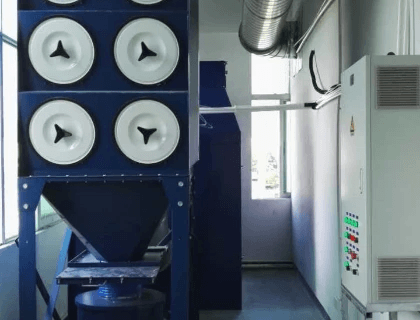
Managing combustible dust is crucial for maintaining a safe workplace, especially in industries dealing with combustible metals and other flammable materials. Implementing effective combustible dust cleaning methods can significantly reduce the risk of fires and explosions, aligning with both NFPA combustible dust guidelines and OSHA combustible dust standards. The following sections explore innovative dust removal systems, the role of dust collection filters, and the benefits of a bag house system.
Innovative Dust Removal Systems
These systems utilize advanced engineering to capture and eliminate particulate matter before it can accumulate to hazardous levels. From pneumatic conveyors to vacuum-based solutions, these modern approaches ensure that even the most stubborn combustible metals are effectively managed.
Not only do these systems enhance safety by minimizing fire risks, but they also improve air quality within facilities. By integrating state-of-the-art sensors and automation technologies, businesses can monitor their environments in real time, ensuring compliance with NFPA combustible dust guidelines. Ultimately, investing in cutting-edge dust removal systems not only protects employees but also boosts operational efficiency.
The Role of Dust Collection Filters
Dust collection filters play an essential role in any effective combustible dust cleaning strategy by trapping fine particles that could pose a threat if left unchecked. These filters are designed to handle various types of materials—particularly critical when working with different kinds of combustible metals that have unique properties and risks associated with them. Choosing the right filter technology can significantly enhance a facility's ability to meet OSHA combustible dust standards.
High-efficiency particulate air (HEPA) filters or electrostatic precipitators may be employed depending on specific needs and application scenarios. Regular maintenance of these filters is vital; clogged or damaged filters can lead to inefficiencies in capturing harmful particles. Therefore, understanding how these components function within your overall system is key for long-term safety and compliance.
Benefits of a Bag House System
A bag house system stands out as one of the most effective methods for managing what is combustible dust across various industrial settings. This type of filtration system utilizes fabric filter bags that capture airborne particles while allowing clean air to pass through—a win-win for both safety and environmental compliance! By efficiently removing fine particulates from exhaust streams, bag houses help organizations adhere to NFPA combustive dust guidelines while minimizing health hazards related to airborne contaminants.
One significant advantage is their scalability; whether you’re dealing with small operations or large manufacturing plants handling massive volumes of combustibles like metal shavings or wood flour, a bag house system can be customized accordingly. Additionally, they require less energy compared to traditional methods due to their efficient design—meaning lower operational costs over time! With robust maintenance practices in place, companies can ensure their bag house remains effective at preventing dangerous accumulations of combustible materials.
NAROO's Comprehensive Solutions
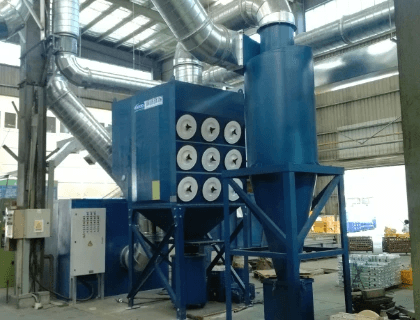
When it comes to tackling the hazards associated with combustible dust, NAROO stands out with its innovative and tailored solutions. Understanding what is combustible dust is crucial for industries that deal with materials like wood, grain, and various metals. NAROO’s comprehensive approach ensures that businesses not only comply with the NFPA combustible dust guidelines but also implement effective strategies for ongoing safety.
Customized Dust Extraction Systems
NAROO offers customized dust extraction systems designed to meet the unique needs of different industries. These systems are essential for efficiently managing combustible dust, especially in environments where combustible metals are prevalent. By integrating advanced technology and thorough analysis of specific operational requirements, NAROO ensures that its dust removal systems effectively minimize risks associated with combustible dust.
Each system is meticulously designed to optimize airflow and capture efficiency, making them ideal for various applications. With a focus on compliance with the OSHA combustible dust standard, these extraction systems provide peace of mind while enhancing workplace safety. Moreover, their flexibility allows for easy integration into existing setups without disrupting operations.
Advanced Air Purification Technologies
In addition to robust dust extraction systems, NAROO’s advanced air purification technologies play a vital role in maintaining clean air quality in facilities handling combustible materials. These technologies utilize state-of-the-art dust collection filters that capture even the smallest particles of hazardous materials before they can pose a threat to health and safety. By employing multi-stage filtration processes, these systems ensure that airborne contaminants are effectively removed from the environment.
The ability to purify air not only helps in compliance with industry standards but also contributes significantly to employee well-being and productivity. This proactive approach towards managing what is combustible dust underscores NAROO’s commitment to creating safer workspaces across various sectors. Additionally, these air purification solutions can help reduce maintenance costs by extending the life of equipment through cleaner operational environments.
Case Studies: Success with Top Companies
NAROO has successfully collaborated with numerous top companies across diverse industries to implement effective strategies against combustible dust hazards. Through tailored solutions such as customized bag house systems and innovative cleaning methods, many organizations have significantly reduced their risk profiles related to what is combustible dust. One notable case study involved a leading manufacturer of metal components that faced challenges due to high volumes of fine particulate matter; after implementing NAROO's solutions, they reported a dramatic decrease in both incidents and maintenance costs.
Another success story highlights a food processing plant where NAROO's comprehensive cleaning methods transformed their approach toward managing hazardous substances like flour and sugar—both known sources of combustible dust risks according to NFPA guidelines. The implementation of effective dust removal systems led not only to improved compliance with OSHA standards but also enhanced overall workplace safety culture within their facility.
These case studies exemplify how investing in advanced technologies from NAROO can yield significant dividends in terms of safety, efficiency, and regulatory compliance while effectively addressing concerns surrounding combustible metals and other hazardous materials.
Maintenance and Safety Best Practices

Effective management of combustible dust hazards requires a proactive approach to maintenance and safety best practices. Regular inspections, employee training, and emergency response strategies play crucial roles in ensuring a safe working environment. By prioritizing these practices, organizations can significantly reduce the risks associated with combustible dust.
Regular Inspections and System Upkeep
To understand what is combustible dust, one must recognize that its presence can lead to severe safety hazards if not properly managed. Regular inspections of dust removal systems are essential to identify potential issues before they escalate into dangerous situations. System upkeep includes checking the integrity of dust collection filters and ensuring that bag house systems function optimally to mitigate risks associated with combustible metals.
A well-maintained system not only enhances performance but also ensures compliance with the NFPA combustible dust guidelines and OSHA combustible dust standard. By routinely assessing equipment for wear and tear, companies can prevent costly downtimes while maintaining a safe working atmosphere. Remember, neglecting regular maintenance could result in catastrophic incidents that are entirely avoidable.
Employee Training and Awareness
Employee training is paramount when discussing how to handle what is combustible dust effectively within any facility. Comprehensive training programs should cover the identification of sources of combustible dust, safe handling techniques, and proper operation of cleaning equipment like innovative dust removal systems. Raising awareness among employees about the dangers posed by combustible metals fosters a culture of safety that extends beyond compliance.
Regular drills and workshops can reinforce knowledge about OSHA's standards regarding combustible dust management while equipping staff with practical skills for effective cleaning methods. When employees understand their role in maintaining a safe environment, they become active participants in hazard prevention rather than passive observers. Ultimately, an informed workforce is one of the strongest defenses against potential explosions or fires linked to improper handling of combustibles.
Emergency Response Strategies
Even with diligent maintenance efforts in place, it’s crucial for organizations to have robust emergency response strategies concerning what is combustible dust hazards. These plans should outline clear procedures for evacuating personnel safely during an incident involving explosive materials or hazardous air quality due to accumulated combustibles. Additionally, training employees on these protocols ensures everyone knows their responsibilities during emergencies.
Regularly reviewing and updating these strategies will help maintain compliance with NFPA guidelines while addressing any changes in operations or new insights into managing risks associated with combustibles like metals or powders effectively. Mock drills can be invaluable for testing response times and identifying areas for improvement within your emergency plans. After all, preparation is key—being ready means being safer when it counts!
Conclusion

In wrapping up our exploration of combustible dust hazards, it’s clear that understanding what is combustible dust is essential for ensuring workplace safety. As industries evolve, so too must our methods for managing these risks effectively. The future of combustible dust management will hinge on innovative technologies and strict adherence to safety standards, like the NFPA combustible dust guidelines and the OSHA combustible dust standard.
The Future of Combustible Dust Management
The landscape of combustible dust management is set to change dramatically with advancements in technology and increased regulatory scrutiny. Companies are increasingly recognizing the importance of implementing robust dust removal systems that can efficiently handle various types of materials, including combustible metals. This shift toward proactive strategies will not only enhance safety but also improve operational efficiency across industries.
As we look ahead, the integration of smart monitoring systems into existing infrastructure will likely become commonplace, providing real-time data on airborne particles and potential hazards. Furthermore, ongoing education about what is combustible dust will empower employees to take an active role in maintaining a safe working environment. Ultimately, a future focused on innovation and compliance will lead us toward safer workplaces.
How NAROO Stands Out in the Industry
NAROO has carved out a niche as a leader in combating combustible dust challenges through tailored solutions designed for specific industry needs. By offering advanced air purification technologies alongside customized dust extraction systems, NAROO ensures that businesses can effectively manage risks associated with both traditional and unconventional materials alike. Their commitment to quality shines through in their use of high-performance dust collection filters that capture even the finest particles.
What sets NAROO apart is their proactive approach to customer service; they don’t just sell equipment but partner with clients to develop comprehensive strategies for effective combustible dust cleaning. Their case studies illustrate tangible success stories from top companies that have transformed their operations by adopting NAROO’s innovative solutions. In an industry where compliance with standards like NFPA and OSHA can be daunting, having a reliable partner makes all the difference.
Final Thoughts on Safety and Compliance
In conclusion, navigating the complexities surrounding what is combustible dust requires diligence and commitment from all stakeholders involved—from manufacturers to employees on the ground floor. Adhering to established guidelines such as NFPA's recommendations and OSHA's standards is not just about compliance; it’s about fostering a culture of safety within organizations. Regular inspections, proper training programs, and efficient maintenance practices are critical components that ensure ongoing effectiveness.
As we move forward into an era where safety regulations continue to tighten, businesses must prioritize investments in effective systems like bag house systems for optimal performance against combustion risks associated with various materials—including those pesky combustible metals! Remember: when it comes to managing hazardous substances like combustibles in your workplace, prevention is always better than cure.