

Introduction

In various industrial settings, the presence of combustible metal dust poses significant risks that can lead to catastrophic fires and explosions. Understanding these dangers is crucial for maintaining a safe working environment, especially when dealing with materials such as aluminum, magnesium, and titanium, which are often generated as grinding dust during manufacturing processes. Awareness of the hazards associated with combustible metal dust not only protects workers but also safeguards equipment and facilities from potential disasters.
Understanding the Dangers of Combustible Metal Dust
Combustible metal dust can ignite easily under certain conditions, creating explosive atmospheres that endanger lives and property. The fine particles generated during processes like grinding can accumulate in hidden areas, leading to a ticking time bomb if not properly managed. Recognizing the specific characteristics of different types of combustible metal dust is essential for implementing effective safety measures and preventing incidents.
The Importance of Fire Protection Standards
Fire protection standards play a vital role in mitigating the risks associated with combustible metal dust by establishing guidelines for safe practices in industrial environments. Compliance with these standards ensures that businesses take proactive steps to minimize hazards related to grinding dust, such as installing appropriate ventilation systems and using combustible dust collectors. By adhering to fire protection regulations, companies not only protect their workforce but also enhance operational efficiency.
Navigating OSHA Combustible Dust Standard
The OSHA combustible dust standard provides a framework for identifying and managing risks associated with combustible metal dust across various industries. Understanding this standard is crucial for employers aiming to create a safe workplace while avoiding costly fines or legal repercussions due to non-compliance. Proper navigation of these regulations involves implementing effective control measures, conducting risk assessments, and developing robust cleaning strategies tailored specifically for handling combustible dust.
Identifying Combustible Metal Dust
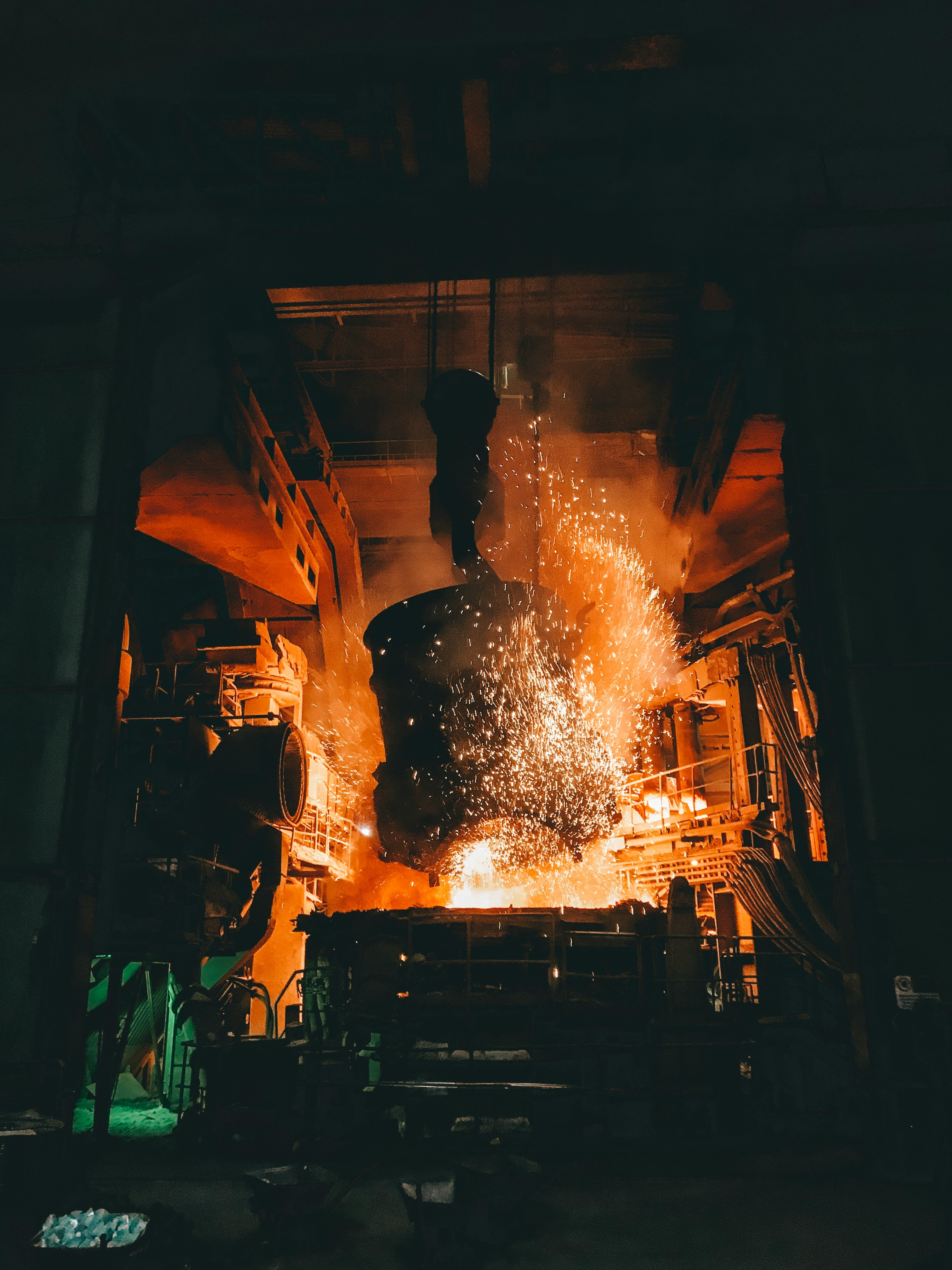
In the world of industrial operations, understanding and identifying combustible metal dust is crucial for ensuring safety and compliance with fire protection standards. This type of dust can pose serious risks if not properly managed, making it vital for companies to recognize its presence and potential hazards. By delving into the various types of combustible metal dust, sources of grinding dust generation, and methods for assessing associated risks, organizations can take proactive steps toward effective safety measures.
Types of Combustible Metal Dust in Industries
Combustible metal dust comes from various metals commonly used in industries such as aluminum, magnesium, titanium, and iron. Each type has unique properties that influence its combustibility; for instance, aluminum dust is notorious for its explosive potential when suspended in air. Understanding these differences is essential for implementing the appropriate safety measures and adhering to OSHA combustible dust standards.
In addition to common metals like aluminum and iron, less conventional materials such as copper or zinc may also produce combustible metal dust under specific conditions. The presence of alloys can further complicate matters since they may have varying ignition points and reactivity levels. Therefore, industries must conduct thorough assessments to identify all possible sources of combustible metal dust within their operations.
Finally, recognizing the types of combustible metal dust present allows organizations to tailor their fire protection strategies effectively. By categorizing these materials based on their combustibility and risk factors, companies can prioritize control measures that align with OSHA's guidelines while ensuring a safer working environment for employees.
Sources and Generation of Grinding Dust
Grinding processes are significant contributors to the generation of combustible metal dust in many industrial settings. As machines grind down metals into finer particles during manufacturing or fabrication processes, tiny fragments are released into the air—often creating a hazardous environment if not managed correctly. This grinding dust can accumulate quickly on surfaces or within equipment if proper containment strategies are not employed.
In addition to grinding operations themselves, other activities such as cutting or welding can also generate substantial amounts of grinding dust that may be classified as combustible metal dust. For example, when cutting through steel components or performing welds on aluminum parts without adequate ventilation or filtration systems in place, harmful particulates are released into the atmosphere. Companies must recognize these sources to mitigate risks effectively.
To combat this issue effectively while complying with fire protection standards like those set by OSHA's combustible dust standard requires an integrated approach involving both engineering controls (such as installing a robust combustible dust collector) and administrative practices (like regular monitoring). Understanding how grinding processes contribute to hazardous conditions is vital for developing comprehensive control strategies aimed at minimizing exposure risks associated with combustible metal dust.
Assessing Risks and Hazards
Assessing risks associated with combustible metal dust involves a systematic evaluation process that identifies potential hazards within an organization’s operations. This process begins by conducting thorough inspections to determine areas where grinding activities occur frequently—and where accumulation might lead to dangerous situations over time if left unchecked. Regular assessments help maintain compliance with OSHA's standards while fostering a culture focused on safety awareness among employees.
A key component in evaluating these risks includes understanding how environmental factors—such as humidity levels or temperature fluctuations—can influence the ignitability of accumulated grinding dust particles over time. The presence of moisture could increase clumping but also create ideal conditions for spontaneous combustion under certain circumstances; thus highlighting why continuous monitoring is essential! Additionally assessing employee exposure levels through air quality testing ensures effective management practices remain aligned with fire protection standards.
Finally yet importantly—developing comprehensive training programs centered around recognizing hazards posed by combustible metal dust empowers workers across all levels within an organization! These initiatives should emphasize safe handling procedures along with proper cleaning techniques tailored specifically towards mitigating risk factors associated with cleaning up accumulated debris effectively using specialized tools designed explicitly for this purpose: think vacuum systems equipped specifically designed filters targeting fine particulate matter!
Implementing Effective Control Measures

The risks associated with combustible dust, particularly grinding dust, can lead to catastrophic events if not properly managed. Therefore, organizations must prioritize the design and implementation of robust systems that adhere to fire protection standards and the OSHA combustible dust standard.
Designing a Combustible Dust Collector System
A well-designed combustible dust collector system is your first line of defense against the hazards posed by combustible metal dust. These systems must be tailored to effectively capture and contain grinding dust at its source, minimizing the risk of ignition and explosion. Key considerations include air flow rates, filter types, and explosion venting options to ensure compliance with industry regulations.
Incorporating features like self-cleaning filters can enhance efficiency while reducing downtime for maintenance. Additionally, it's crucial that the system is designed with accessibility in mind for routine inspections and servicing. Ultimately, a well-planned combustible dust collector system not only protects employees but also contributes to a safer work environment.
Best Practices for Dust Mitigation
Implementing best practices for dust mitigation can significantly reduce the risks associated with combustible metal dust in industrial settings. Regular housekeeping routines should be established to ensure that grinding dust does not accumulate on surfaces or machinery—remember that even small amounts of accumulated dust can pose serious hazards. Utilizing vacuum systems specifically designed for combustible materials helps in safely collecting and disposing of this hazardous waste.
Furthermore, employee training on proper handling techniques is vital; workers should be educated about recognizing potential hazards related to combustible metal dust and how to respond appropriately during an emergency situation. By fostering a culture of safety through awareness and proactive measures, organizations can substantially mitigate risks associated with explosive environments.
Regular Maintenance and Monitoring
Regular maintenance and monitoring are essential components in ensuring the effectiveness of your control measures against combustible metal dust hazards. Establish a routine inspection schedule for your combustible dust collector system; this includes checking filters for wear-and-tear as well as ensuring all components are functioning correctly according to fire protection standards. Consistent monitoring allows you to detect issues before they escalate into dangerous situations.
Moreover, using technology such as sensors can provide real-time data on airborne particulate levels within your facility—this data is invaluable when assessing compliance with OSHA's combustible dust standard. By prioritizing maintenance and monitoring efforts, organizations not only protect their workers but also enhance overall operational efficiency.
Fire Protection Standards for Metal Dust
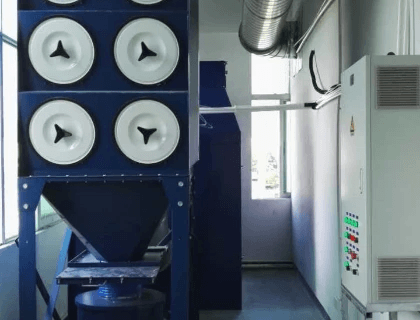
When it comes to combustible metal dust, understanding fire protection standards is paramount for ensuring safety in industrial environments. With the potential for catastrophic fires and explosions, these regulations are designed to minimize risks associated with grinding dust and other hazardous materials. Companies must be vigilant in adhering to these standards to protect their employees, assets, and reputations.
Overview of Fire Protection Regulations
Fire protection regulations surrounding combustible metal dust are comprehensive and multifaceted. They encompass a variety of guidelines aimed at reducing the risk of ignition from sources such as static electricity or equipment malfunctions. Key regulations include the National Fire Protection Association (NFPA) codes, which outline specific requirements for handling and storing combustible materials effectively.
In addition to NFPA codes, local fire codes may also apply based on geographical location and industry type. These regulations often stipulate the necessity for proper ventilation systems, including combustive dust collectors that effectively remove hazardous particles from the air. Compliance with these fire protection standards not only safeguards against fires but also enhances overall workplace safety.
Compliance with OSHA Combustible Dust Standard
The Occupational Safety and Health Administration (OSHA) has established guidelines specifically addressing the dangers posed by combustible dust, including metal types generated during grinding processes. The OSHA combustible dust standard emphasizes the importance of identifying hazards associated with various types of combustible metal dust found in different industries. Companies must conduct thorough risk assessments to ensure compliance with this vital regulation.
To align with OSHA standards, organizations should implement effective control measures such as regular inspections and maintenance of equipment like combustible dust collectors. Documenting procedures and training employees on safe practices related to handling grinding dust is essential for fostering a culture of safety within the workplace. Failure to comply can result in severe penalties along with increased risks of accidents.
Industry-Specific Standards and Guidelines
Different industries have unique challenges when it comes to managing combustible metal dust, leading to specific standards tailored for their needs. For example, manufacturing sectors dealing with aluminum or magnesium face heightened risks due to their highly flammable nature when ground into fine particles. Consequently, industry-specific guidelines often provide detailed recommendations on best practices for mitigating hazards associated with these materials.
In addition to general OSHA compliance requirements, industries such as aerospace or automotive may have additional protocols that address their unique operational environments concerning combustible dust cleaning methods and control systems. These tailored guidelines help organizations implement robust strategies that ensure both compliance and enhanced worker safety in potentially volatile settings involving grinding operations or other activities generating hazardous particles.
By prioritizing adherence to fire protection standards relevant to their sector while employing efficient cleaning techniques using specialized tools like vacuum systems designed for combustible materials, companies can significantly reduce risks associated with explosive incidents stemming from improper management of metallic dust.
Developing a Combustible Dust Cleaning Strategy

Creating an effective strategy for cleaning combustible metal dust is crucial for ensuring workplace safety and compliance with fire protection standards. This involves understanding the unique characteristics of grinding dust and implementing best practices that reduce risks associated with combustible materials. A well-structured cleaning strategy not only mitigates hazards but also promotes a culture of safety within the organization.
Techniques for Safe Dust Cleaning
When it comes to safely cleaning combustible metal dust, several techniques stand out as particularly effective. Utilizing vacuum systems specifically designed for combustible dust is essential; these systems prevent the dispersion of particles into the air while efficiently collecting hazardous materials. Additionally, employing wet cleaning methods can significantly reduce airborne dust levels, minimizing potential ignition sources during the cleaning process.
Another technique involves using specialized brushes or tools that are non-sparking and made from materials resistant to static electricity, which can ignite combustible metal dust if not handled properly. Regularly scheduled cleaning routines help maintain low dust levels in work areas, ensuring compliance with OSHA combustible dust standards. Ultimately, these techniques contribute to a safer work environment by addressing both visible and hidden accumulations of grinding dust.
Tools and Equipment for Effective Cleaning
To implement an effective combustible dust cleaning strategy, investing in the right tools and equipment is paramount. A dedicated combustible dust collector system should be at the forefront of your efforts; these systems are engineered to capture fine particles generated during processes like grinding without risking explosion hazards. Additionally, portable vacuum units equipped with explosion-proof features ensure flexibility while maintaining compliance with fire protection standards.
Other essential tools include non-conductive brushes and scrapers designed specifically for removing stubborn dust from surfaces without creating sparks or friction that could ignite explosive mixtures of airborne particles. Regular maintenance checks on all equipment ensure optimal performance and longevity, reducing downtime caused by equipment failure during critical cleaning operations. By equipping your team with the right tools, you set them up for success in managing combustible metal dust effectively.
Training Employees on Dust Management
Training employees on proper combative metal dust management techniques is crucial to fostering a culture of safety within any organization handling grinding processes. Comprehensive training programs should cover topics such as identifying sources of combustible metal dust, understanding associated hazards, and implementing safe cleanup procedures according to OSHA combustible dust standards. Engaging employees through hands-on demonstrations ensures they feel confident using specialized tools like combustive collectors effectively.
Moreover, ongoing education about updates in fire protection standards keeps teams informed about best practices in managing risks associated with grinding operations over time. Encouraging open communication regarding any observed issues related to combustion hazards promotes accountability among staff members while enhancing overall workplace safety culture. By prioritizing training initiatives focused on effective management strategies for combustible metal dust, organizations can significantly reduce their risk exposure.
Innovative Solutions from NAROO

In the realm of combustible metal dust management, NAROO stands out with its cutting-edge solutions designed to enhance safety and compliance. Their innovative systems not only address the challenges posed by grinding dust but also align with stringent fire protection standards and the OSHA combustible dust standard. By integrating advanced technologies, NAROO provides businesses with reliable options for managing combustible dust effectively.
Overview of NAROO’s Explosion-Proof Systems
NAROO's explosion-proof systems are engineered specifically to handle the unique hazards associated with combustible metal dust. These systems utilize robust materials and designs that prevent ignition, ensuring a safe working environment in industries prone to grinding dust generation. With features such as sealed enclosures and automatic shutdown mechanisms, NAROO’s solutions meet rigorous fire protection standards while offering peace of mind to employers.
Benefits of NAROO’s Advanced Air Purification
The advanced air purification technology from NAROO plays a crucial role in mitigating risks related to combustible dust accumulation. By effectively filtering out harmful particles, including those from grinding processes, these systems help maintain air quality while reducing fire hazards associated with combustible metal dust. Moreover, their energy-efficient designs not only lower operational costs but also support compliance with the OSHA combustible dust standard.
Case Studies: Trusted by Major Companies
Several major companies have turned to NAROO for their expertise in managing combustible metal dust through innovative solutions. For instance, a leading aerospace manufacturer implemented NAROO's combustion-proof systems and reported a significant reduction in workplace incidents related to grinding dust explosions. These success stories highlight how adherence to fire protection standards through effective cleaning strategies can transform safety protocols across various industries.
Conclusion

In the realm of industrial safety, understanding the implications of combustible metal dust is paramount. This invisible threat, often generated during grinding processes, can lead to catastrophic fires if not properly managed. It's crucial for industries to recognize the signs and risks associated with combustible metal dust to safeguard both personnel and property.
Key Takeaways on Combustible Metal Dust
Combustible metal dust poses a significant hazard in various industries, especially those involving machining and grinding operations. Recognizing the types of combustible metal dust, such as aluminum or magnesium particles, is essential for effective risk management. Implementing a robust combustible dust collector system can drastically reduce the likelihood of ignition and explosion incidents.
Importance of Compliance and Safety Measures
Adhering to fire protection standards and specifically the OSHA combustible dust standard is non-negotiable for any facility handling combustible materials. Compliance not only protects workers but also shields businesses from potential legal repercussions and financial losses due to accidents or fines. Regular training on combustible dust cleaning practices ensures that employees are well-equipped to handle these hazards safely.
Future Trends in Combustible Dust Management
The future of combustible dust management is leaning toward innovation, with advanced technologies emerging to enhance safety protocols. Companies are increasingly adopting automated systems for monitoring and controlling grinding dust emissions, which could redefine industry standards over time. As awareness grows about the dangers associated with combustible metal dust, we can expect stricter regulations and more comprehensive guidelines aimed at preventing hazardous incidents.