

Introduction

In the bustling world of manufacturing, dust is more than just an inconvenience; it poses serious health risks and operational challenges. The need for effective dust control is paramount, as airborne particles can lead to respiratory issues for workers and hinder productivity. This is where portable dust collector systems come into play, offering a practical solution to keep workplaces clean and safe.
Explore the Need for Dust Control
Dust accumulation in factories can create hazardous environments that not only compromise worker safety but also damage machinery and products. Without proper dust filtration, fine particles can infiltrate equipment, leading to costly repairs and downtime. Therefore, investing in a robust dust collection system is essential for maintaining air quality and ensuring compliance with health regulations.
Benefits of Portable Dust Collector Systems
Portable dust collectors provide flexibility that traditional systems often lack, allowing manufacturers to move them where they are needed most. These systems enhance air quality by effectively capturing harmful dust particles at their source, promoting a healthier workplace environment. Additionally, portable dust extractors are typically more cost-effective than larger stationary units while still delivering impressive performance.
Key Features to Look For
When selecting a portable dust collector, it's crucial to consider several key features that will enhance its efficiency and usability. Look for models equipped with high-quality dust collector filters designed to capture various particle sizes effectively. Other important aspects include portability options, ease of maintenance, noise levels during operation, and compatibility with existing machinery—ensuring you choose the right collector dust system for your specific needs.
Understanding Portable Dust Collector Systems
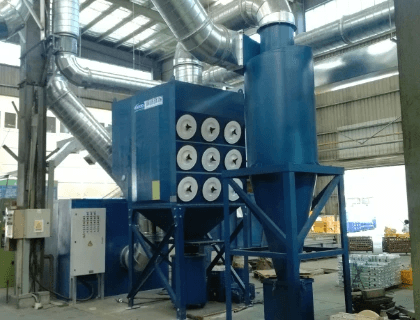
Portable dust collector systems are essential tools in various industries where airborne particles can pose health risks or hinder productivity. These compact units provide an efficient way to manage dust and maintain a clean working environment. By capturing harmful particles at the source, they ensure that the air remains breathable and safe for workers.
What is a Portable Dust Collector?
A portable dust collector is a versatile device designed to capture and filter dust from the air in manufacturing settings. Unlike stationary systems, these units can be easily moved around the workspace, allowing for flexible use wherever dust generation occurs. They typically feature powerful motors and high-efficiency filters to ensure optimal dust filtration while maintaining portability.
How It Works in Manufacturing
In manufacturing environments, portable dust collectors operate by drawing in contaminated air through a duct or hose connected to machinery generating dust. The air passes through a series of filters—often including HEPA or cartridge filters—that trap fine particles before releasing clean air back into the environment. This process not only enhances air quality but also protects equipment and reduces downtime caused by excessive dust buildup.
Different Types of Systems Available
There are several types of portable dust collection systems available on the market, each tailored for specific applications and needs. Some common options include baghouse collectors, cyclone separators, and cartridge collectors, each with unique advantages regarding efficiency and maintenance requirements. Choosing the right type of collector dust system depends on factors such as workspace size, type of materials being processed, and desired filtration efficiency.
Advantages of Compact Dust Collectors

In today’s manufacturing landscape, compact dust collectors are becoming increasingly vital. These portable dust collector systems offer a myriad of advantages that make them indispensable, especially for small factories. From saving space to improving air quality, the benefits of these systems are hard to ignore.
Space-Saving Designs for Small Factories
Compact dust collectors are designed with efficiency in mind, making them perfect for small factories where every square foot counts. Unlike traditional dust collection systems that can take up considerable space, portable dust collectors fit seamlessly into tighter work areas without compromising on performance. This means you can maintain an effective dust filtration system without sacrificing valuable floor space.
With their smaller footprint, these portable dust extractors can be strategically placed in various locations throughout the facility. This flexibility allows manufacturers to optimize their workflow and ensure that even the most challenging areas receive adequate dust collection coverage. Ultimately, adopting a compact design not only enhances operational efficiency but also contributes to a more organized workspace.
Enhanced Air Quality and Worker Safety
One of the primary reasons for investing in a portable dust collector is the significant improvement in air quality it provides. By effectively capturing harmful particles and pollutants from the air, these systems help create a healthier working environment for employees. Enhanced air quality translates into fewer respiratory issues among workers and promotes overall well-being.
Moreover, maintaining optimal air quality is not just about comfort; it’s also about compliance with safety regulations. Many industries face stringent guidelines regarding airborne contaminants, and having an efficient dust collection system ensures adherence to these standards while safeguarding your workforce's health. With improved worker safety comes increased productivity—an undeniable win-win situation for any factory owner.
Cost-Effectiveness Compared to Larger Systems
When it comes to budgeting for equipment, compact portable dust collectors often prove more cost-effective than their larger counterparts. While larger systems might seem appealing due to their capacity, they also come with higher installation costs and ongoing maintenance expenses that can strain financial resources over time. In contrast, a well-chosen portable dust collector can deliver impressive performance without breaking the bank.
Additionally, because these systems are often easier to install and require less infrastructure modification than larger models, businesses save both time and money during setup as well as ongoing operation costs associated with energy consumption and maintenance of oversized units. With lower upfront investment and reduced operational costs over time, investing in a compact collector makes sound financial sense for many manufacturers looking to streamline operations without sacrificing effectiveness.
In summary, compact portable dust collector systems offer numerous advantages that cater specifically to the needs of small factories—saving space while enhancing air quality and ensuring cost-effectiveness compared to larger solutions on the market today.
NAROO: Leading the Way in Dust Filtration

When it comes to portable dust collector systems, NAROO is a name that stands out in the industry. Their commitment to innovation has led to the development of advanced dust collection systems that meet the diverse needs of various manufacturing environments. With a focus on efficiency and effectiveness, NAROO's solutions are designed to tackle even the most challenging dust filtration issues.
Innovative Solutions for Dust Collection
NAROO has revolutionized the way we think about portable dust collectors by integrating cutting-edge technology into their designs. These portable dust extractors are not just functional; they are also smart, featuring real-time monitoring systems that provide feedback on air quality and filter performance. This level of innovation ensures that your factory maintains optimal air quality while minimizing downtime due to maintenance or inefficiencies.
In addition to technological advancements, NAROO emphasizes user-friendly designs that make operation and maintenance straightforward. Their collector dust systems come equipped with easy-to-replace filters and intuitive controls, allowing workers to focus on their tasks rather than wrestling with complex machinery. By prioritizing both functionality and ease of use, NAROO sets itself apart from competitors in the dust collection landscape.
Moreover, NAROO’s products are tailored for various applications, ensuring there’s a suitable solution for every type of manufacturing environment. Whether you need a compact unit for small workshops or a robust system for larger operations, their range of portable dust collector systems offers flexibility without compromising performance. This adaptability is critical as industries evolve and face new challenges related to dust management.
Certifications That Matter: ATEX and UL
In an industry where safety is paramount, certifications can make all the difference—and NAROO doesn’t take this lightly. Their portable dust collectors come with essential certifications like ATEX and UL, which signify compliance with stringent safety standards across different regions. The ATEX certification indicates that their equipment is safe for use in potentially explosive atmospheres, while UL certification ensures high levels of electrical safety.
These certifications not only enhance trust among customers but also demonstrate NAROO's commitment to producing reliable equipment that meets international standards. By investing in certified products like these portable dust extraction systems, manufacturers can rest assured they are making choices that prioritize worker safety and operational reliability. In an era where regulatory compliance is more critical than ever, choosing a certified system can save businesses from costly penalties or accidents.
Furthermore, having such reputable certifications opens doors for companies looking to expand internationally or enter new markets where safety regulations may differ significantly from those at home. With NAROO’s certified solutions at hand, businesses can confidently navigate global compliance landscapes without sacrificing quality or performance in their processes.
Case Studies: Success Stories with NAROO
The impact of NAROO’s innovative portable dust collection systems can be seen through numerous success stories shared by satisfied clients across various industries. One notable case involved a medium-sized woodworking shop struggling with excessive sawdust accumulation; after implementing one of NAROO's compact units equipped with efficient collector dust filters, they reported a 50% reduction in airborne particulates within weeks—enhancing both air quality and worker productivity.
Another impressive example comes from an automotive parts manufacturer that faced challenges related to metal shavings during production processes. After installing a custom-designed portable dust extractor from NAROO tailored specifically for their needs, they experienced significant improvements not only in air cleanliness but also reduced machine wear due to less debris buildup around equipment—saving them thousands on repairs annually.
These case studies highlight how investing in effective dust filtration solutions leads directly to improved operational efficiency and enhanced workplace safety—a win-win scenario! By choosing NAROO as your partner in managing airborne particles through advanced portable dust collector systems, you’re not just purchasing equipment; you’re investing in peace of mind knowing you’ve made an informed decision backed by proven results.
Essential Components of a Dust Collection System
When it comes to maintaining a clean and safe work environment, understanding the essential components of a dust collection system is crucial. A well-designed dust collection system not only enhances air quality but also boosts productivity in manufacturing settings. Let's dive into the core components that make up an effective portable dust collector system.
Dust Collector Filters: Types and Benefits
Dust collector filters are the unsung heroes of any dust collection system, ensuring that harmful particles are effectively captured and removed from the air. There are several types of filters available, including bag filters, cartridge filters, and HEPA filters, each offering unique benefits based on your specific needs. Choosing the right dust collector filter can significantly improve your dust filtration efficiency and prolong the lifespan of your portable dust extractor.
Bag filters are excellent for larger particles but may require more frequent cleaning than cartridge filters, which excel at capturing finer particulates. HEPA filters provide an ultra-high level of filtration suitable for environments where even minute particles pose a risk to health or equipment. By investing in high-quality dust collector filters tailored to your operation's requirements, you can enhance both safety and productivity.
Importance of Dust Extraction Velocity
Dust extraction velocity is a critical factor that determines how effectively your portable dust collector systems operate. This refers to the speed at which air moves through the ductwork leading to the collector dust unit; if it's too low, you risk leaving harmful particles suspended in the air instead of capturing them efficiently. Achieving optimal extraction velocity ensures that all airborne contaminants are swiftly directed into your dust collection system before they can settle or cause harm.
The ideal extraction velocity varies depending on factors like duct size and type of material being collected but generally falls within 3,500 to 4,500 feet per minute for most applications. Regular monitoring and adjustment will help maintain this velocity, ensuring that your portable dust extractor performs at its best while keeping air quality high. Ultimately, understanding this concept helps you create a healthier work environment for employees while maximizing equipment efficiency.
Choosing the Right Dust Collector for Your Factory
Selecting the right portable dust collector is vital for any factory aiming to improve air quality and operational efficiency. Factors such as factory size, type of materials handled, and specific applications will influence which type of collector best suits your needs—be it a compact unit or something more robust designed for heavy-duty operations. Conducting thorough research on different systems available will empower you to make an informed decision tailored specifically to your workspace requirements.
Considerations like airflow capacity, filter type compatibility, noise levels during operation, and ease of maintenance should all be weighed when choosing a suitable model from various portable dust collector systems on offer today. Additionally, consulting with industry experts or suppliers can provide valuable insights into what systems have proven successful in similar environments as yours—saving time and resources down the line! With careful evaluation based on these criteria combined with an understanding of essential components discussed earlier in this section ensures that you'll find just what you need!
Maintenance Tips for Optimal Performance

Maintaining your portable dust collector systems is crucial for ensuring optimal performance and longevity. Regular upkeep not only enhances the efficiency of your dust collection system but also contributes to a healthier working environment. Here are some essential maintenance tips to keep your portable dust extractor running smoothly.
Regular Cleaning and Filter Replacement
To maintain peak performance, regular cleaning of your dust collector is non-negotiable. Dust collector filters can become clogged over time, reducing airflow and efficiency; therefore, it's vital to check and replace them as needed. Ideally, filters should be inspected monthly and replaced based on usage—if you notice a significant drop in suction power, it’s time for a change.
Additionally, the exterior of your portable dust collector should be kept free from debris to prevent overheating or mechanical issues. A clean machine not only performs better but also ensures that the air quality remains high within your workspace. Remember, a little maintenance goes a long way in prolonging the life of your dust filtration system.
Troubleshooting Common Issues
Even the best portable dust collection systems can run into hiccups now and then; knowing how to troubleshoot common issues can save you time and money. If you notice strange noises or reduced suction from your collector dust system, first check for clogs in the hoses or filters—these are often culprits behind performance drops.
Another common issue is electrical problems; ensure all connections are secure and that there’s no damage to wires or plugs before calling in an expert. Understanding these basic troubleshooting steps allows you to tackle minor issues before they escalate into costly repairs.
How to Extend the Life of Your System
Extending the life of your portable dust collector requires proactive measures beyond just regular cleaning and troubleshooting. One effective strategy is scheduling routine professional inspections; this helps catch potential problems before they become major headaches for your dust collection system.
Moreover, investing in high-quality replacement parts will ensure that your system operates efficiently over time—cheap parts may save money initially but can lead to bigger expenses down the road due to frequent breakdowns or inefficiencies in filtration performance. Lastly, always follow manufacturer guidelines on usage limits and maintenance schedules; adhering closely to these recommendations will help keep everything running smoothly.
Conclusion

As we wrap up our exploration into portable dust collector systems, it's clear that investing in a robust dust collection system is crucial for maintaining a safe and efficient workspace. These systems not only enhance air quality but also protect worker health by minimizing harmful dust exposure. Whether you’re running a small workshop or a larger manufacturing facility, understanding the benefits and features of portable dust collectors will help you make informed decisions.
Key Takeaways on Portable Dust Collection
In summary, portable dust collector systems are designed to meet the specific needs of various industries while providing flexibility and efficiency. They come equipped with advanced dust filtration technology that ensures effective removal of airborne particles, thereby improving overall air quality. Remember to consider factors like space requirements, filter types, and extraction velocity when selecting your ideal collector dust solution.
How to Choose Your Dust Collector System
Choosing the right dust collection system involves evaluating your unique operational needs and workspace constraints. Start by assessing the type of materials being processed and the volume of dust generated; this will guide you in selecting an appropriate portable dust extractor. Additionally, don’t overlook certifications such as ATEX or UL that can provide peace of mind regarding safety and performance standards.
Future Trends in Dust Filtration Technology
Looking ahead, we can expect significant advancements in dust filtration technology that will further enhance the efficiency of portable dust collectors. Innovations may include smart monitoring systems that track filter performance in real-time, ensuring optimal operation without manual intervention. Furthermore, sustainability will likely play a crucial role as manufacturers strive to develop eco-friendly materials for filters and energy-efficient designs for their portable dust collector systems.