

Introduction
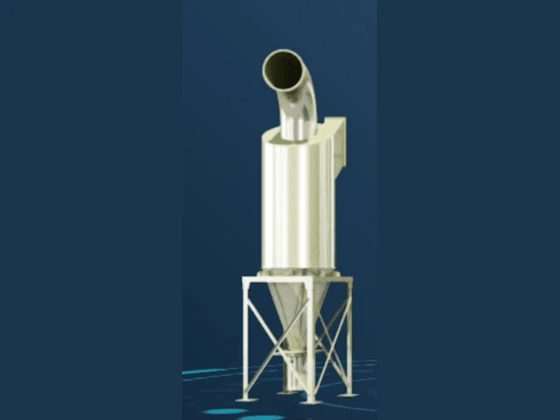
In the realm of industrial processes, the cyclone separator emerges as a pivotal player, adept at efficiently separating particles from gases or liquids. Understanding cyclone separators is essential for grasping their operational efficiency and effectiveness in various applications. This introduction sets the stage for exploring the cyclone separator working principle, its intricate components, and how it revolutionizes industries.
Understanding Cyclone Separators
At its core, a cyclone separator is a mechanical device designed to exploit centrifugal force to separate particles from fluid streams. By inducing a swirling motion within the separator chamber, it effectively directs heavier particles towards the outer walls while allowing cleaner air or liquid to exit through the top. The cyclone separator working diagram illustrates this process vividly, showcasing how airflow dynamics play a crucial role in achieving optimal separation.
Importance of Cyclone Separator Working
The importance of understanding cyclone separator working cannot be overstated; it directly impacts operational efficiency across various sectors. A thorough comprehension of how these machines function enables industries to maximize productivity while minimizing waste and energy consumption. Moreover, grasping the cyclone separator working principle allows engineers and operators to troubleshoot common issues effectively and innovate solutions tailored to specific challenges.
Overview of Industrial Applications
Cyclone separators find application across numerous industries due to their versatility and effectiveness in removing particulates from gas or liquid streams. From cement manufacturing where they capture fine dust particles to food processing where they ensure product purity, these machines are indispensable. Additionally, NAROO's innovations in air purification demonstrate how advanced cyclone separator uses can significantly enhance environmental quality while maintaining operational excellence.
The Science Behind Cyclone Separator Working

Understanding the science behind cyclone separator working is crucial for grasping its operational efficiency and effectiveness in various industries. The principles of airflow dynamics, centrifugal force, and the key components of a cyclone separator machine all contribute to its ability to separate particles from gases or liquids. By delving into these aspects, we can appreciate how the cyclone separator working principle is applied in real-world scenarios.
Fundamentals of Airflow Dynamics
Airflow dynamics play a pivotal role in the cyclone separator working process. When air or gas enters the cyclone separator machine, it does so at a specific velocity, creating a swirling motion within the cylindrical chamber. This rotational airflow pattern is essential for effectively separating heavier particles from lighter ones, as it allows denser materials to be thrown outward against the wall of the cyclone due to inertia.
The design of a cyclone separator working diagram typically illustrates how this airflow circulates within the unit. As particles are flung outward, they lose momentum and descend into a collection chamber while cleaner air exits through an upper outlet. Understanding these airflow dynamics helps optimize performance and improve efficiency in various applications where dust and particulate matter must be controlled.
Role of Centrifugal Force
Centrifugal force is at the heart of how a cyclone separator works efficiently to separate particulates from gases or liquids. When gas enters at an angle, it generates rotation that amplifies this force, pushing heavier particles toward the outer wall of the cyclone chamber while allowing lighter materials to rise toward the exit point. This separation process is driven by principles rooted in physics that dictate how mass behaves under rotational motion.
The effectiveness of centrifugal force in a cyclone separator working principle animation can vividly demonstrate how particles are segregated based on their density and size. In practical terms, this means that larger or denser particles are collected more effectively than smaller ones—making it invaluable for industries such as cement manufacturing or food processing where precise separation is critical.
Key Components Explained
To fully grasp how a cyclone separator machine functions, it's essential to understand its key components: inlet duct, cylindrical body, conical section, and dust outlet port. Each component plays an integral role in ensuring optimal performance; for instance, the inlet duct directs incoming gas with precision to maximize swirling action while minimizing turbulence that could disrupt separation efficiency.
The cylindrical body houses most of the airflow dynamics discussed earlier; here’s where centrifugal force comes into play as well! The conical section aids gravity-driven particle collection as they spiral downwards toward the dust outlet port—ensuring that separated materials can be easily removed without affecting overall system operation. Visualizing these components through a detailed cyclone separator working diagram enhances comprehension and facilitates better design choices for industrial applications.
Cyclone Separator Working Principle
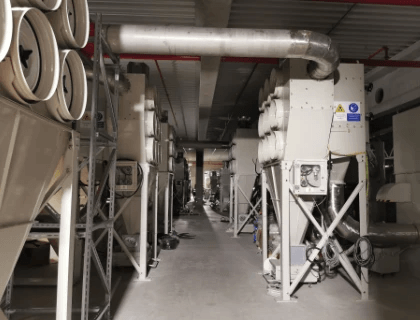
Understanding the cyclone separator working principle is vital for grasping how this equipment efficiently separates particles from gases or liquids. The process is driven by the interplay of airflow dynamics and centrifugal force, which work together to achieve effective separation. This section will delve into a step-by-step operational breakdown, analyze a cyclone separator working diagram, and explore visual learning through animations.
Step-by-Step Operational Breakdown
The cyclone separator machine operates on a straightforward yet efficient principle that involves several key steps. Initially, the mixture of gas and particulate matter enters the cyclone at high velocity through an inlet pipe, typically tangentially positioned to create a swirling motion. As the air spirals downward along the cyclone’s walls, centrifugal force pushes heavier particles outward against these walls, allowing cleaner air to rise toward the center.
Next, as particles are forced to the outer wall due to centrifugal force, they lose momentum and fall into a collection hopper at the bottom of the cyclone separator machine. This process effectively segregates dust and other contaminants from the clean air stream that exits through an outlet at the top of the cyclone. By understanding this step-by-step operational breakdown of cyclone separator working principles, one can appreciate how it efficiently handles various industrial applications.
Cyclone Separator Working Diagram Analysis
A well-constructed cyclone separator working diagram serves as an invaluable tool for visualizing how these machines operate. The diagram typically displays key components such as inlets, outlets, hoppers, and airflow paths—each illustrating how air flows through different sections of the unit. Analyzing this diagram allows one to see how centrifugal force acts on particles within a cylindrical or conical chamber.
In essence, each component's placement in relation to others highlights their roles in achieving effective separation—a crucial aspect for industries relying on dust control or material recovery systems. Moreover, understanding this layout aids engineers and operators in optimizing performance based on specific needs while also troubleshooting any potential issues with operational efficiency related to cyclone separator uses.
Visual Learning: Cyclone Separator Working Animation
To fully grasp complex concepts like those found in cyclone separators' operations, visual learning tools such as animations can be incredibly helpful. A well-crafted cyclone separator working animation illustrates each stage of operation dynamically—from gas entry to particle separation—making it easier for viewers to understand intricate processes that might otherwise seem abstract when presented only through text or diagrams.
These animations highlight not just individual components but also their interactions throughout various phases of operation within real-world scenarios across diverse industries like cement manufacturing or food processing. By incorporating engaging visuals that depict both airflow dynamics and particle behavior under centrifugal forces—viewers can better appreciate why understanding these principles is essential for optimizing technology related to cyclones.
Industrial Use Cases of Cyclone Separators
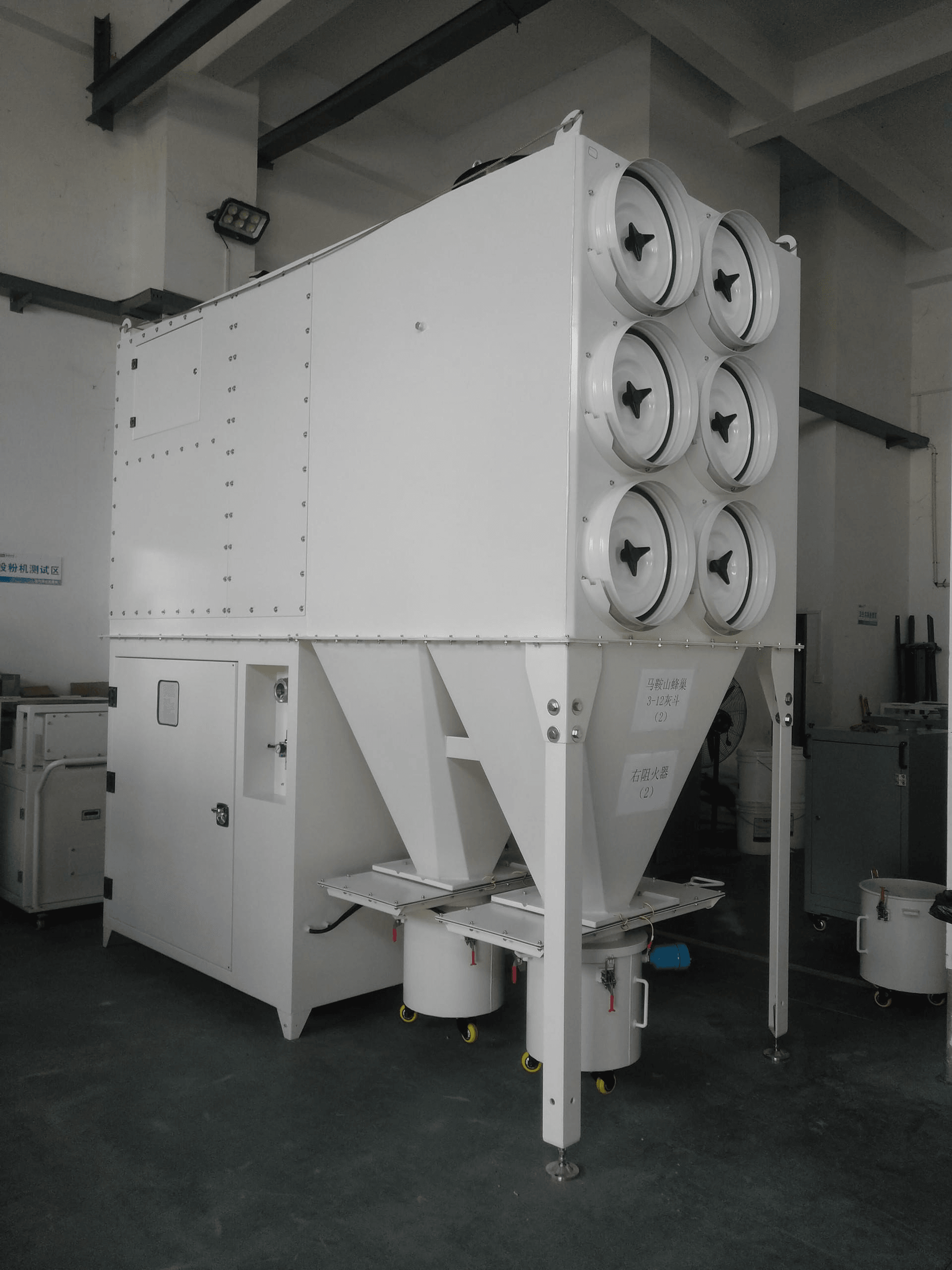
Cyclone separators are not just mechanical marvels; they play a pivotal role in various industrial applications. Their ability to efficiently separate particles from gases or liquids makes them indispensable across different sectors. Let's delve into some of the most significant use cases where cyclone separators shine.
Applications in Cement Manufacturing
In the cement manufacturing industry, maintaining product quality while minimizing dust emissions is crucial. Cyclone separators are employed to capture fine particles from exhaust gases, ensuring that only clean air is released into the environment. The cyclone separator working principle allows for effective separation, which is illustrated in a cyclone separator working diagram that highlights how materials flow through these machines.
The efficiency of these machines significantly reduces the amount of dust generated during production, contributing to both environmental compliance and operational cost savings. Additionally, using a cyclone separator machine can enhance overall production efficiency by reclaiming valuable raw materials that would otherwise be lost in the process. This not only optimizes resource usage but also supports sustainability goals within the cement industry.
Cyclone Separators in Food Processing
The food processing sector also benefits immensely from cyclone separators, particularly for maintaining hygiene and product integrity. These separators are commonly used to remove contaminants from air and liquids, ensuring that food products meet safety standards without compromising quality. A detailed cyclone separator working animation can help visualize how these machines operate effectively within this sensitive industry.
Utilizing cyclone separators helps streamline processes such as grain milling or sugar refining by efficiently separating unwanted particles while preserving the desired product's characteristics. Their ability to operate continuously with minimal maintenance makes them an ideal choice for high-volume food processing environments. The versatility of cyclone separator uses extends beyond just filtration; they can also assist in drying processes where moisture removal is critical.
NAROO’s Impact in Air Purification
NAROO has made significant strides in air purification technology, utilizing advanced cyclone separator designs to enhance indoor air quality effectively. By incorporating innovative features into their cyclone separator machines, NAROO ensures optimal performance in capturing airborne pollutants and allergens. The company's commitment to improving public health through cleaner air aligns perfectly with the principles behind effective cyclone separator working.
Their systems employ sophisticated designs that leverage the centrifugal force generated during operation, maximizing particle separation efficiency while minimizing energy consumption—a win-win for both users and the environment! With NAROO's pioneering approach and dedication to research and development, we can expect future advancements that further refine the already impressive capabilities of cyclone separators in air purification applications.
Advantages of Using Cyclone Separators

Cyclone separators are not just a piece of industrial machinery; they are the unsung heroes in many processes, offering a plethora of advantages that make them indispensable in various applications. From ensuring high efficiency in dust removal to being cost-effective and environmentally friendly, the benefits of cyclone separator working cannot be overstated. Let’s dive into the specifics of why these machines are so widely adopted across industries.
Efficiency in Dust Removal
One of the standout features of cyclone separators is their remarkable efficiency in dust removal, which is crucial for maintaining air quality and protecting equipment from particulate damage. The cyclone separator working principle leverages centrifugal force to separate particles from the air stream effectively, ensuring that even fine dust is captured before it can wreak havoc on machinery or contaminate products. In fact, when you look at a cyclone separator working diagram, it becomes evident how this design facilitates superior airflow dynamics that enhance separation efficiency.
Cost-Effectiveness in Operations
When it comes to operational costs, cyclone separators shine brightly as a budget-friendly solution for industries requiring air pollution control and material recovery systems. The simplicity of their design means fewer moving parts, which translates into lower maintenance costs and less downtime—an attractive proposition for any business looking to maximize productivity while minimizing expenses. Moreover, with the ability to handle large volumes efficiently, the cyclone separator machine proves to be an investment that pays off quickly through reduced operational costs over time.
Environmental Benefits of Cyclone Separator Uses
In today’s world where environmental considerations are paramount, cyclone separators stand out as eco-friendly solutions that align with sustainable practices across various sectors. By effectively removing harmful particulates from emissions before they enter the atmosphere, these machines help companies comply with environmental regulations while promoting cleaner air quality for communities nearby. Furthermore, with advancements such as cyclone separator working principle animation showcasing innovative designs aimed at improving energy efficiency and reducing waste generation, it's clear that these devices contribute positively toward environmental stewardship.
Challenges and Limitations of Cyclone Separators

Despite their effectiveness, cyclone separators are not without their challenges and limitations. Understanding these issues is crucial for optimizing their performance and ensuring they meet industrial needs. In this section, we’ll delve into common operational issues, the inherent limitations of cyclone separator machines, and the innovations that are addressing these challenges.
Common Operational Issues
One of the most prevalent operational issues with cyclone separators is inconsistent performance due to variable airflow rates. When airflow fluctuates, it can disrupt the cyclone separator working principle, leading to inefficient dust collection. Additionally, wear and tear on components can result in leaks or blockages that further hinder effective operation.
Another common issue arises from improper sizing or design of the cyclone separator machine for specific applications. A mismatch can lead to reduced efficiency in dust removal or increased pressure drop across the system. Regular maintenance and monitoring are essential to mitigate these operational challenges and ensure that the cyclone separator working continues effectively.
Lastly, operators often overlook the importance of maintaining optimal operating conditions such as temperature and humidity levels. These factors can significantly impact how well a cyclone separator works in practice. Understanding these nuances is vital for maximizing performance based on a clear understanding of cyclone separator working principles.
Limitations of Cyclone Separator Machines
While cyclone separators are widely used across various industries, they do have some inherent limitations that affect their overall efficiency and effectiveness. For one, they tend to struggle with very fine particles; particles smaller than 10 microns may not be effectively captured by standard designs due to insufficient centrifugal force generated within the unit. This limitation means that additional filtration methods may be necessary for certain applications.
Moreover, cyclone separators generally have limited capabilities when it comes to handling sticky or moist materials—they can become clogged if material adheres too much during processing. This aspect poses a challenge in sectors like food processing where moisture content is often high; thus making a reliance solely on cyclone separator uses impractical in some scenarios.
Lastly, while they offer cost-effective solutions for many applications, there are instances where initial setup costs can be higher than anticipated due to required ancillary equipment such as fans or ducting systems tailored specifically for optimal airflow dynamics illustrated in a cyclone separator working diagram.
Innovations Addressing These Challenges
Fortunately, advancements in technology are paving the way for innovative solutions aimed at overcoming these challenges faced by traditional cyclone separators. Manufacturers are now developing hybrid systems that combine cyclonic separation with additional filtration technologies—like HEPA filters—allowing them to capture finer particles more effectively without compromising on efficiency.
Moreover, enhancements in computational fluid dynamics (CFD) modeling have led to improved designs based on detailed analysis of airflow patterns within the machine itself—creating more efficient configurations as depicted in various cyclone separator working animations available today. These innovations help ensure better separation rates while reducing energy consumption during operation.
Finally, ongoing research into materials science has led to more durable components designed specifically for handling sticky or wet materials without clogging issues arising frequently with conventional designs—the future looks promising! As industries continue adapting new technologies into their processes based on evolving needs around air purification and dust control solutions like those offered by NAROO’s advanced systems.
Conclusion

In summary, understanding the cyclone separator working principle is crucial for appreciating its efficiency in various industrial applications. The cyclone separator machine operates by utilizing airflow dynamics and centrifugal force to separate particles from gases, as illustrated in the cyclone separator working diagram. By grasping these concepts, one can better appreciate how this technology contributes to cleaner environments and improved operational efficiencies.
Recap of Cyclone Separator Working Principles
The cyclone separator working principle revolves around creating a vortex that effectively separates solid particles from gas streams. As air enters the cyclone separator machine, it spirals downwards, allowing centrifugal force to push heavier particles toward the wall where they are collected. This process is not only efficient but also vital for industries looking to minimize dust emissions and maintain air quality.
Future Trends in Cyclone Separator Technology
Looking ahead, advancements in cyclone separator technology promise even greater efficiencies and capabilities. Innovations such as enhanced designs for improved airflow dynamics and integration with smart technologies could revolutionize how we think about cyclone separators. Additionally, the development of more effective filtration materials may enhance their performance across various applications, making them an essential tool for future industrial processes.
NAROO’s Role in Advancing Cyclone Solutions
NAROO is at the forefront of advancing cyclone solutions by focusing on innovative designs that enhance the cyclone separator working principle animation experience. Their commitment to research and development ensures that they stay ahead of industry needs while addressing common challenges faced by traditional cyclone separators. By continuously improving their products, NAROO plays a pivotal role in promoting efficient dust removal techniques through advanced cyclone separator uses.