

Introduction
Winter is coming, and with it comes the need to ensure your dust collector system is ready for the colder months ahead. Properly winterizing your system is crucial not just for maintaining efficiency but also for ensuring the longevity of your equipment. Neglecting this important step can lead to increased wear on dust filters, potential blockages in the dust cyclone, and compromised air filtration quality.
The Importance of Winterizing Your System
Winterizing your dust collector system isn’t just a seasonal chore; it’s an investment in performance and reliability. As temperatures drop, the risk of cold air entering through unsealed air vents can affect not only airflow but also overall filtration effectiveness. By taking proactive steps to prepare your system, you can avoid costly repairs and ensure that your air cleaner operates at peak efficiency throughout the winter months.
Understanding Your Dust Collection Needs
Every workspace has unique dust collection needs based on factors like material types, volume of production, and layout design. Understanding these requirements will help you tailor your dust collector system effectively, ensuring optimal performance regardless of external conditions. Whether you’re dealing with fine particles or larger debris, knowing how to adjust components like the dust cyclone and air filters will make a significant difference in maintaining clean air quality.
Key Components of a Dust Collector System
A successful dust collector system relies on several key components working harmoniously together: from robust dust filters that capture airborne particles to efficient ductwork that directs airflow smoothly outside through the dust collector vent outside. Each part plays a vital role in ensuring that contaminants are filtered out before they can affect indoor air quality or cause damage to equipment. Familiarity with these components will empower you to make informed decisions during maintenance checks and upgrades throughout the year.
Assess the Dust Collector System

Before winter sets in, it's crucial to assess your dust collector system thoroughly. A well-functioning system not only keeps your workspace clean but also ensures that air filtration remains effective, keeping harmful particles at bay. Let’s dive into the essential checks you should perform to ensure everything is in tip-top shape.
Check Dust Filters for Wear and Tear
One of the first things to inspect are the dust filters, as they play a vital role in maintaining air quality within your workspace. Over time, filters can become clogged or worn out, reducing their efficiency and increasing strain on your dust collector system. Regularly checking these filters not only enhances air filtration but also prolongs the life of your equipment—saving you money in the long run.
Inspect Dust Cyclone for Blockages
Next up is the dust cyclone, which is instrumental in separating larger particles from the airflow before they reach the filters. Blockages can occur due to accumulated debris or even improper installation, leading to reduced suction power and inefficient operation of your dust collector vent outside. A quick inspection can help you clear any obstructions and ensure optimal performance throughout winter.
Evaluate the Air Vent Position
Finally, don’t overlook evaluating the position of your air vent as it directly impacts airflow efficiency and overall system performance. If vents are positioned poorly or blocked by furniture or equipment, it can hinder airflow and compromise both air filtration quality and dust collection efficiency. Adjusting vents to promote a clear path for airflow will help maintain a consistent environment while minimizing cold air ingress during those chilly months ahead.
Maintain Air Filtration Quality
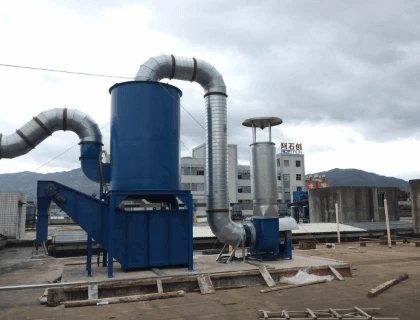
Keeping your air filtration system in top shape is crucial for the efficiency of your dust collector system. When dust filters are clean and functioning properly, the overall air quality improves, leading to a healthier workspace. Regular maintenance of your air cleaner not only enhances performance but also extends the life of your dust collector.
Clean or Replace Air Filters Regularly
Air filters in your dust collector system can accumulate particles over time, which can hinder airflow and reduce effectiveness. Cleaning or replacing these filters regularly ensures optimal air filtration, allowing your dust collector to function at peak performance. A well-maintained filter will trap more particles, keeping the air cleaner and reducing the need for extensive cleaning elsewhere.
Ensure Proper Sealing of Air Cleaner
An airtight seal on your air cleaner is essential to prevent any unfiltered air from sneaking back into the workspace. If there are gaps or cracks in the sealing, even a high-quality dust collector won't be able to do its job effectively. By ensuring that all connections are secure and properly sealed, you enhance both the efficiency of your dust cyclone and the overall performance of your dust collection system.
Monitor Indoor Air Quality
Monitoring indoor air quality is vital for maintaining a healthy environment, especially if you're relying on a dust collection system to keep things clean. Regular checks can help identify issues with airflow or excess particulate matter that may indicate problems with your filters or sealing methods. By staying vigilant about indoor air quality, you ensure that both workers and equipment remain protected from harmful pollutants while optimizing how well your dust collector vent outside.
Optimize Dust Collector Vent Outside

When it comes to maximizing the efficiency of your dust collector system, optimizing the dust collector vent outside is crucial. Proper ventilation not only ensures effective air filtration but also prevents potential blockages that can hinder performance. By taking a few essential steps, you can ensure that your dust collector operates smoothly and efficiently throughout the winter months.
Examine Vent Ducts for Obstructions
First things first—let’s take a close look at those vent ducts! Over time, dust and debris can accumulate in the ducts leading from your dust collector to the outside, creating obstructions that impede airflow. Regularly examining these ducts for any signs of blockage will help maintain optimal performance and prevent strain on your air cleaner, which could lead to premature wear on dust filters or even damage to the dust cyclone.
Ensure Clear Path for Airflow
Next up is ensuring a clear path for airflow from your dust collector vent outside. This means checking not only the ducts but also any bends or turns that might create turbulence or slow down airflow. Remember, an unobstructed path allows your system to work efficiently, enhancing air filtration while reducing energy consumption—something we all appreciate when those heating bills roll in!
Adjust Ventilation to Minimize Cold Air Ingress
Finally, let’s talk about adjusting ventilation to minimize cold air ingress during those chilly months. Cold drafts can disrupt the efficiency of your dust collection system by affecting temperature regulation within your workspace and potentially causing condensation issues in ductwork. Sealing any gaps around vents and ensuring proper insulation will help keep that warm air inside while allowing for effective exhaust through your dust collector vent outside.
Prepare Your Equipment for Cold Weather
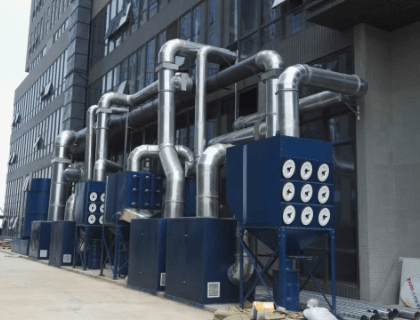
As winter approaches, preparing your dust collector system is crucial to ensure optimal performance even in the coldest months. A well-maintained system not only improves air filtration but also extends the lifespan of your equipment. Taking proactive steps now can save you from costly repairs and inefficiencies down the line.
Insulate Ductwork and Vents
Insulating ductwork and vents is essential to prevent heat loss and maintain efficiency in your dust collector system. By wrapping ducts with insulation materials, you ensure that warm air flows freely through the system, reducing strain on air cleaners and heaters. This simple step can significantly enhance the performance of your dust collector vent outside by preventing condensation and ice build-up during freezing temperatures.
Additionally, proper insulation helps maintain consistent airflow, ensuring that dust filters operate effectively without unnecessary blockages from moisture or frost. Remember to check for any gaps or cracks in the insulation that could allow cold air ingress into your system. Keeping everything snug will help keep your workspace comfortable while ensuring that your dust cyclone operates at peak efficiency.
Verify Heater Functions for Dust Collector
With colder weather comes the need to verify heater functions within your dust collector system. A properly functioning heater ensures that air filtration remains effective by preventing moisture accumulation within ducts and filters during winter months. Regularly testing heater components will help you avoid unexpected breakdowns when you need them most.
Make sure to clean any accumulated debris around heating elements, as this can hinder performance and pose a fire hazard if left unchecked. Additionally, confirm that all controls are responsive—this includes thermostats which should be set appropriately to maintain an optimal temperature for efficient operation of your air cleaner and overall dust collection process.
Don't forget: a well-functioning heater contributes significantly to maintaining indoor air quality by keeping dust filters dry and effective throughout winter.
Inspect Electrical Components for Winter Resilience
Winter can be tough on electrical components within your dust collection system; thus, conducting a thorough inspection is vital before temperatures plummet further. Check all wiring connections for signs of wear or corrosion—these issues can lead to failures when you least expect them, disrupting airflow through essential parts like the dust cyclone or air vent systems.
Ensure that circuit breakers are functioning correctly and consider upgrading any components known to struggle in colder conditions if necessary. Proper maintenance now means fewer headaches later; after all, no one wants their dust collector vent outside failing when snow is piling up!
Lastly, ensure all safety features are operational; this not only protects equipment but also enhances workplace safety during those chilly months ahead.
Document and Plan for Ongoing Maintenance
Maintaining your dust collector system is not a one-time task; it requires ongoing attention and planning. Documenting your maintenance activities ensures that you stay ahead of potential issues, especially as seasons change. A well-maintained dust collector not only enhances air filtration but also contributes to a healthier workspace.
Create a Seasonal Checklist
Creating a seasonal checklist is an essential step in ensuring that your dust collector system operates at peak efficiency throughout the year. This checklist should include tasks like inspecting dust filters for wear, checking the air vent for blockages, and ensuring the dust cyclone functions properly. By having this organized list, you can easily track what needs to be done each season to keep your air cleaner running smoothly.
Schedule Professional Inspections
While DIY maintenance is important, scheduling professional inspections of your dust collector system can catch issues that might go unnoticed otherwise. Experts can provide insights into optimizing airflow through the dust collector vent outside and evaluating the overall performance of your air filtration setup. Regular professional checks will help ensure that all components, from the dust filters to the cyclone, are in top shape.
Keep Records of Repairs and Upgrades
Keeping detailed records of repairs and upgrades made to your dust collection system is crucial for long-term maintenance planning. This documentation allows you to track when specific parts were last serviced or replaced, which is invaluable when assessing future needs or troubleshooting issues with airflow or filtration quality. Plus, having this information handy can streamline conversations with professionals during inspections or repairs.
Conclusion

In conclusion, maintaining your dust collector system is not just about keeping your workspace clean; it’s about ensuring efficiency and safety in your operations. A well-maintained system means fewer breakdowns, better air quality, and a more productive environment. By prioritizing the upkeep of components like dust filters, the dust cyclone, and air vents, you can create a seamless workflow that benefits everyone involved.
The Benefits of a Well-Maintained System
A well-maintained dust collector system can dramatically improve air filtration quality and overall workplace safety. Regular checks on essential parts such as the air cleaner and dust filters help prevent costly repairs down the line. Moreover, an efficient dust collector vent outside ensures that harmful particles are effectively expelled from your workspace, contributing to a healthier environment for all employees.
Long-Term Savings through Regular Care
Investing time in regular maintenance of your dust collector system pays off in the long run. By replacing worn-out components like air filters and inspecting the dust cyclone for blockages regularly, you minimize energy consumption and enhance performance. This proactive approach not only reduces operational costs but also extends the lifespan of your equipment, leading to significant savings over time.
How NAROO Can Enhance Your Dust Collection System
NAROO offers innovative solutions designed to optimize every aspect of your dust collection needs—from enhancing air filtration to ensuring that your dust collector vent outside operates at peak efficiency. With their advanced technology, you can monitor performance metrics easily and make informed decisions regarding maintenance schedules for critical components like ductwork and vents. Embracing NAROO's offerings means you're not just keeping up with industry standards; you're setting them.