

A Better Selection Method Starts Before Equipment Comparison
Dust collector selection goes off track when the buying team begins by comparing machine formats, filter names, or air-volume claims in isolation. Those details matter, but they make more sense after the plant has mapped the process itself. Where is dust generated? What percentage of the dust comes from each source? Does the material behave like a fine airborne powder, a heavier particulate stream, a sticky contaminant, or a mix of several conditions? Until those questions are answered, the shortlist is mostly guesswork.
The strongest plant buyers therefore work in a different order. They build a process map first, define the dust challenge second, and compare collector categories only after the system requirements are visible.
Step 1: Characterize the Dust Instead of Using a Generic Category Label
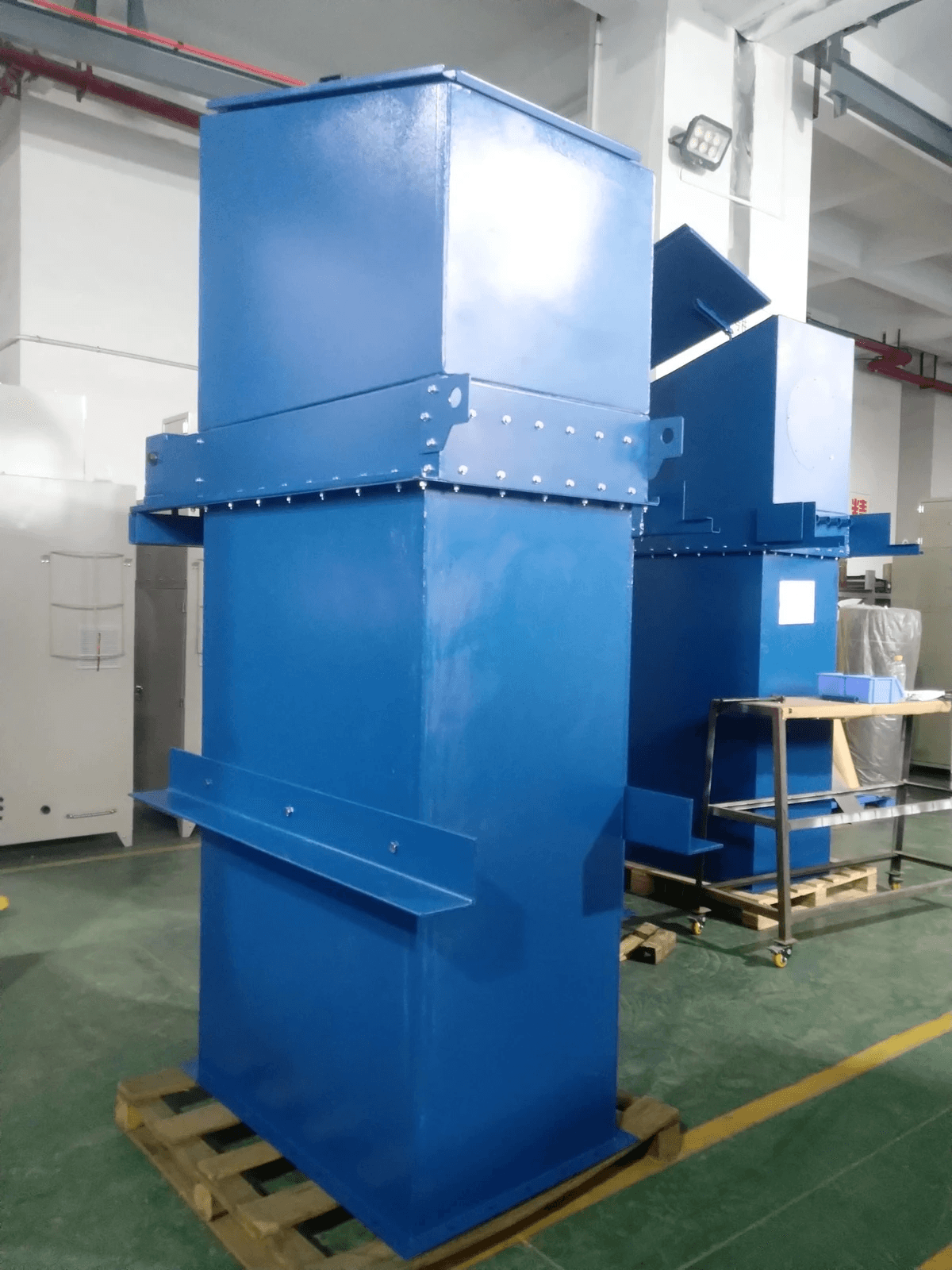
The first step is to describe what the collector must actually handle. Fine dry particulate behaves differently from coarse material. Sticky or wet contaminants change the maintenance and cleaning conversation. Dust that appears in short bursts can stress a system differently from a line that runs in steady state. A good collector selection process writes these distinctions down explicitly because they affect source capture, filter choice, pressure behavior, and collector architecture.
This is where Narootech's product structure is useful. The cartridge dust collector page is framed around fine particle filtration, surface filtration, pulse-jet cleaning, and airflow-resistance calculation. The bag dust collector page is positioned around woven fabric filter elements and separation of dust from flue gas. The aluminum dust collector page is tied to wetted filtering and wet scrubbing for fine and sticky particulate emissions. Those differences help buyers sort the problem before they sort suppliers.
Step 2: Decide Whether the System Needs Pre-Separation, Final Filtration, or Both
Not every plant should jump directly to one final collector concept. Some systems work better when a pre-separation stage reduces the load reaching the main filtration section. Narootech's cyclone dust collector page is relevant for this logic because it describes separation by altered airflow direction, centrifugal force, and inertia to remove larger particles and reduce the filtration load on high-efficiency collectors.
That matters because many selection errors happen when a plant asks one collector to solve everything at once. Sometimes the better answer is a staged architecture: coarse-particle removal first, final filtration second. The buyer does not need to know the answer immediately, but the shortlist should stay open to the possibility.
Step 3: Review the Capture Network, Not Just the Collector Body
A collector cannot perform well if the capture network feeding it is poorly conceived. The shortlist should therefore include questions about hood design, duct routing, line balance, pressure losses, and future layout constraints. Narootech's cartridge collector page is especially relevant here because it explicitly references calculation of system air volume, wind speed, duct layout, pipe diameter, and equipment pressure loss to support an optimal air-to-cloth ratio.
Even if the final collector is not a cartridge unit, this is the right way to think. Collector selection is system selection. The body of the machine is only one part of that system.
Step 4: Check Maintenance Reality Before Falling in Love With the Design
Many collector proposals look strong until the plant considers inspection access, cleaning verification, shutdown coordination, filter replacement, and dust discharge handling. A design that is technically acceptable on paper can still be a weak operational fit if maintenance is difficult or time-consuming. Plant buyers should therefore ask not only whether the collector can work, but whether the plant can live with it over time.
This is often where procurement teams benefit from broad internal review. Production, EHS, maintenance, and engineering may all see different risks in the same proposal. The more complex the dust problem, the more useful that cross-functional review becomes.
Step 5: Use Application Pages to Test Whether the Shortlist Feels Real
After the technical shortlist is formed, application pages can help confirm whether the proposed direction matches the plant environment. Narootech's lithium battery application page is relevant for powder-handling and controlled-manufacturing contexts. The photovoltaics page is valuable where cleanroom-grade filtration and solar-panel production conditions matter. The laser processing page gives another perspective for fine-particle and fume-oriented extraction scenarios. The automobiles page helps where a broader industrial production setting is closer to the buyer's world.
Supplier Review Should Come After the Process Logic Is Clear
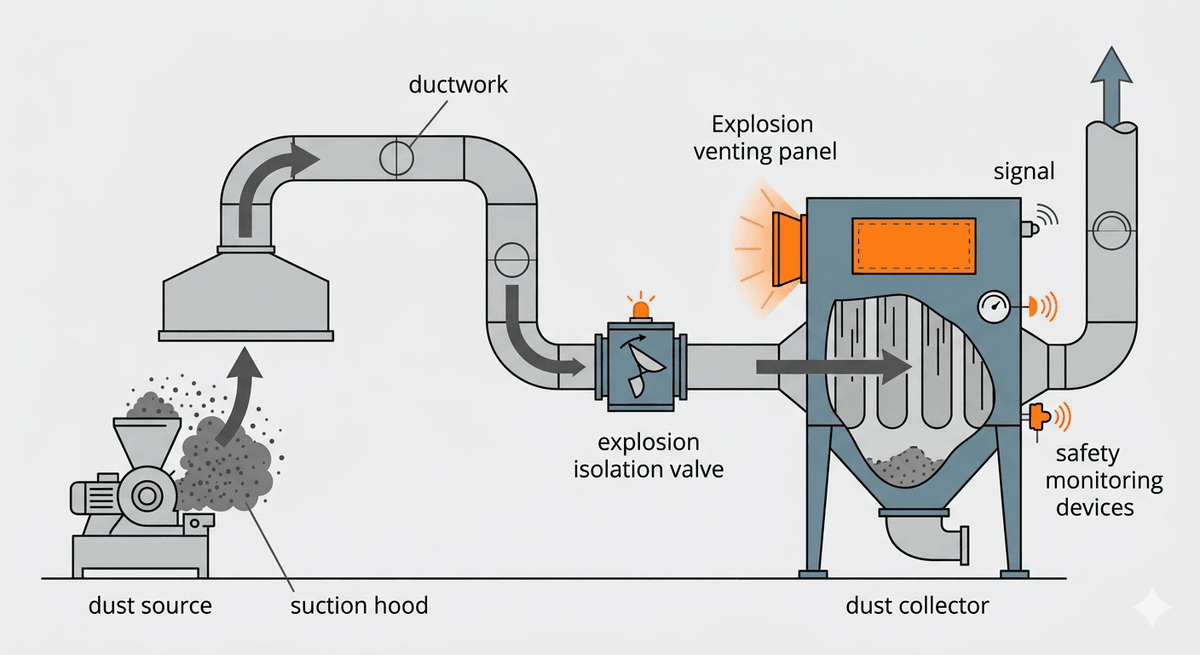
Once the shortlist has process logic behind it, supplier comparison becomes more defensible. At that point, a page like Narootech's products overview is genuinely helpful because the buyer can compare categories from an informed position. The company profile also becomes relevant when the team wants to review supplier background, industrial focus, and general solution scope without confusing company positioning with technical proof.
A Practical Shortlist Checklist
- Describe the dust by behavior, not just by name.
- Decide whether the plant needs one collector stage or a staged system.
- Review hoods, ducts, and pressure losses before final collector comparison.
- Test each option against actual maintenance capacity and shutdown reality.
- Use application pages to confirm that the selection logic fits the plant context.
Conclusion
Dust collector selection becomes much easier when the plant builds the shortlist from the process map instead of from isolated equipment claims. That sequence produces better internal alignment, cleaner supplier questions, and a more resilient final decision.