

Introduction

In the modern workplace, dust hazards are often overlooked, yet they pose significant risks to both health and safety. Dust can infiltrate machinery, degrade air quality, and lead to serious health issues for employees. Understanding these hazards is the first step toward implementing an effective dust management system that safeguards workers and equipment alike.
Understanding Workplace Dust Hazards
Workplace dust can originate from various sources, including manufacturing processes, construction activities, and even routine cleaning tasks. Prolonged exposure to airborne particles can lead to respiratory problems and other long-term health issues for employees. Recognizing the types of dust present in a work environment is crucial for tailoring a dust management system that effectively mitigates risks.
Importance of a Dust Management System
A well-designed dust management system is essential not just for compliance with regulations but also for fostering a safe workplace culture. By investing in technologies such as Cyclone systems and Chemical Suppression Systems, employers can significantly reduce airborne particulate levels. Not only does this enhance employee well-being, but it also boosts productivity by minimizing equipment downtime caused by dust-related issues.
Overview of Safety Technologies
Safety technologies play a pivotal role in maintaining a clean and secure work environment when it comes to managing dust hazards. Tools like Explosion Venting systems help prevent catastrophic failures by allowing pressure relief during an explosion event, while Spark Detection & Extinguishment systems swiftly address ignition sources before they escalate into dangerous situations. Additionally, integrating Explosion Isolation Valves and VFD Drives into your dust management system ensures comprehensive protection against potential threats posed by combustible dust.
How Dust Affects Workplace Safety

Dust in the workplace is more than just an unsightly nuisance; it poses significant safety risks that can jeopardize employee health and operational efficiency. Understanding how dust impacts these aspects is crucial for implementing an effective dust management system. By addressing the health risks, equipment wear, and regulatory compliance issues associated with dust, organizations can create a safer work environment.
Health Risks of Dust Exposure
Exposure to dust can lead to a variety of health issues, ranging from respiratory problems to chronic diseases. Fine particulate matter can infiltrate the lungs, causing conditions such as asthma or even silicosis in extreme cases. A robust dust management system featuring technologies like Cyclone and Chemical Suppression Systems can significantly reduce airborne particles and mitigate these health risks.
Moreover, prolonged exposure to hazardous dust not only affects employees' well-being but also impacts overall productivity. Workers who are constantly battling respiratory issues may take more sick days or struggle to maintain focus on their tasks. Therefore, investing in effective dust control measures is essential for safeguarding employee health while ensuring optimal performance.
Impact on Equipment and Efficiency
Dust accumulation doesn’t just affect workers; it also wreaks havoc on machinery and equipment efficiency. When equipment is coated with dust, it operates less effectively, leading to increased wear and tear over time. This makes the integration of a reliable dust management system crucial for maintaining equipment longevity, as technologies like Explosion Venting help prevent damage from explosive dust buildups.
Additionally, clogged filters and dusty components can lead to costly downtime due to maintenance or repairs—an expense no business wants to incur. Implementing advanced solutions such as VFD Drives allows for better control over machinery operations by adjusting speed based on real-time conditions within the workspace. This means less energy consumption and improved efficiency overall.
Regulatory Compliance Considerations
In today's regulatory landscape, compliance with safety standards regarding airborne particulates is non-negotiable for businesses across various industries. Organizations must adhere to guidelines set forth by agencies such as OSHA (Occupational Safety and Health Administration) that mandate safe levels of exposure for employees working in dusty environments. Failure to comply not only puts workers at risk but could also result in hefty fines or legal repercussions.
A comprehensive dust management system helps businesses stay ahead of these regulations by employing tools like Spark Detection & Extinguishment systems that proactively address potential hazards before they escalate into serious incidents. Additionally, Explosion Isolation Valves play a critical role in preventing dangerous situations related to combustible dusts—keeping both employees safe and companies compliant with industry standards.
As companies navigate the complexities of workplace safety regulations, investing in effective solutions becomes paramount—not just for compliance but also for fostering a culture of safety that prioritizes employee well-being above all else.
Key Components of a Dust Management System

A robust dust management system is essential for maintaining safety and efficiency in workplaces prone to dust hazards. Among the key components are Cyclone technology, Chemical Suppression Systems, and Explosion Venting mechanisms, each playing a vital role in mitigating risks associated with dust accumulation and potential explosions. Understanding these components not only enhances workplace safety but also ensures compliance with regulatory standards.
The Role of Cyclone Technology
Cyclone technology serves as a cornerstone in any effective dust management system by separating dust particles from the air stream through centrifugal force. This process allows for the efficient collection of larger particles, reducing their chances of becoming airborne and causing health risks to employees. By integrating Cyclones into your dust management system, you can significantly improve air quality while minimizing maintenance on downstream filtration systems.
Moreover, Cyclones are versatile and can be adapted to various industrial applications, making them an invaluable asset in diverse settings from manufacturing to woodworking shops. They operate without the need for additional energy consumption like fans or blowers, contributing to overall energy efficiency within your facility. As part of a comprehensive dust management system, Cyclones facilitate smoother operations by keeping equipment free from excessive buildup that could hinder performance.
Benefits of a Chemical Suppression System
Chemical Suppression Systems play an integral role in controlling combustible dust hazards within industrial environments by using specific chemicals to suppress ignition sources effectively. These systems work by creating a barrier that prevents combustion from spreading while also neutralizing potential ignition points within your workspace. Incorporating a Chemical Suppression System into your overall dust management system not only enhances safety but also provides peace of mind that you are actively managing risks.
One major advantage is their rapid response capability; upon detecting an ignition source or spark, these systems can quickly deploy suppression agents to mitigate any potential fire or explosion risk before it escalates. Furthermore, integrating these systems with Spark Detection & Extinguishment technologies ensures that all bases are covered when it comes to preventing hazardous incidents related to combustible dusts. Together with other components of a well-designed dust management system, they create layers of protection that enhance workplace safety dramatically.
Understanding Explosion Venting
Explosion venting is another critical aspect of an effective dust management system designed specifically for handling potential explosive events caused by combustible dust accumulation. This mechanism allows pressure generated during an explosion to escape safely through designated vents rather than allowing it to build up inside equipment or structures where catastrophic failure could occur. Understanding how explosion venting works is paramount in designing safe operations where combustible materials are handled.
The implementation of Explosion Isolation Valves further complements this process by preventing flames or pressure waves generated during an explosion from traveling back into connected equipment or areas within the facility—effectively containing the blast's impact and protecting personnel and assets alike. When integrated properly into your overall dust management system alongside VFD Drives for better control over airflow dynamics during normal operation cycles, explosion venting helps ensure optimal safety protocols are met without compromising productivity.
In summary, leveraging advanced technologies such as Cyclone separators, Chemical Suppression Systems, and effective Explosion Venting mechanisms creates a layered approach essential for any comprehensive dust management system aimed at safeguarding both employees' health and operational integrity.
Advanced Safety Features
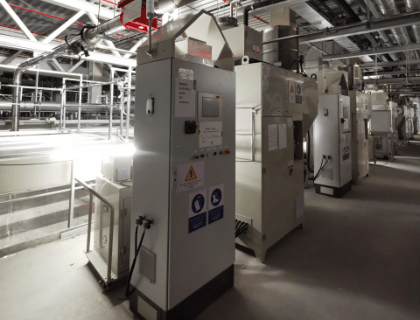
In the realm of dust management systems, advanced safety features are crucial for minimizing risks associated with dust hazards. These technologies not only enhance workplace safety but also improve operational efficiency. Understanding these components can lead to a more robust and effective dust management system.
Spark Detection & Extinguishment Explained
Spark detection and extinguishment is a pivotal feature in any effective dust management system. This technology employs sensors to identify sparks or hot particles before they can ignite a fire or explosion, which is especially vital in environments laden with combustible dust. By integrating a chemical suppression system alongside spark detection, companies can quickly extinguish any potential ignition sources, thereby safeguarding both personnel and equipment.
The rapid response offered by spark detection systems significantly reduces the likelihood of catastrophic events in industries where dust accumulation is prevalent. When combined with other components like cyclone technology, these systems create a comprehensive approach to managing risks associated with combustible dust. Ultimately, investing in spark detection and extinguishment technologies enhances overall workplace safety while ensuring compliance with regulatory standards.
Importance of Explosion Isolation Valves
Explosion isolation valves play an instrumental role in maintaining safety within a dust management system by preventing the propagation of explosions throughout ductwork and machinery. When an explosion occurs, these valves quickly close off sections of the system to contain the blast, minimizing damage and risk to workers nearby. This feature is particularly important when dealing with processes that generate significant amounts of combustible dust.
Having well-designed explosion isolation valves as part of your chemical suppression system can significantly mitigate risks associated with explosive atmospheres. They work hand-in-hand with other technologies like spark detection to create layers of protection against potential hazards within your facility. By prioritizing explosion isolation measures, businesses demonstrate their commitment to safeguarding employees while enhancing operational reliability.
Significance of VFD Drives in Systems
Variable Frequency Drive (VFD) drives are essential for optimizing the performance and efficiency of equipment within a dust management system. VFDs allow for precise control over motor speeds, reducing energy consumption while maintaining optimal airflow through cyclone separators and other devices designed for dust collection. This not only improves efficiency but also prolongs equipment life by reducing wear and tear caused by constant high-speed operation.
Moreover, VFD drives contribute significantly to safety by enabling smoother starts and stops in machinery operations—minimizing sudden changes that could lead to hazardous conditions such as explosions or equipment failure within the system's framework. Integrating VFD drives into your chemical suppression setup ensures that your operation remains flexible while adhering to stringent safety regulations regarding combustible materials like dust. In short, VFDs are indispensable tools that enhance both productivity and safety in any robust dust management system.
Implementing a Dust Management System
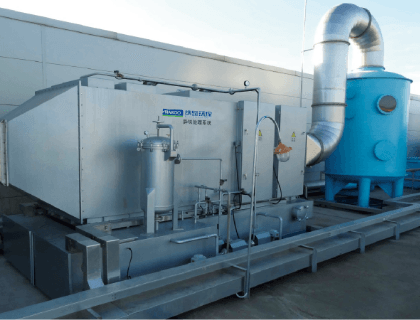
Integrating a dust management system into your workplace isn't just a good idea; it’s essential for maintaining safety and efficiency. A well-planned implementation can significantly reduce health risks associated with dust exposure while enhancing operational productivity. This section outlines the crucial steps necessary for effective integration, employee training, and ongoing monitoring and maintenance practices.
Steps for Effective Integration
The first step in implementing a dust management system is conducting a thorough assessment of your facility to identify potential dust sources and hazards. This includes evaluating areas where Cyclone technology can be utilized effectively to capture airborne particles before they become problematic. Once you have identified key areas, you can design a tailored plan that incorporates Chemical Suppression Systems, Explosion Venting strategies, and other essential components to create an all-encompassing solution.
Following the assessment, it's vital to collaborate with experts to select the right equipment that meets your specific needs. Ensure that your chosen system includes advanced features like Spark Detection & Extinguishment mechanisms and Explosion Isolation Valves to mitigate risks effectively. Finally, develop an implementation timeline that allows for minimal disruption while ensuring all aspects of the dust management system are integrated seamlessly into existing operations.
Training Employees on System Use
Training employees on how to use the newly implemented dust management system is crucial for maximizing its effectiveness. Start by providing comprehensive training sessions that cover all components of the system, including how Cyclone units operate and the importance of Chemical Suppression Systems in reducing fire hazards associated with combustible dusts. Employees should also understand how to monitor systems like Explosion Venting setups so they can recognize when maintenance or adjustments are needed.
It's equally important to instill a culture of safety where employees feel empowered to report issues or suggest improvements related to the dust management system's operation. Regular refresher courses will keep everyone updated on best practices and any new technologies introduced into your workplace environment, such as VFD Drives which optimize performance while minimizing energy consumption. Remember, informed employees are more likely to adhere strictly to safety protocols.
Monitoring and Maintenance Practices
Once your dust management system is up and running, consistent monitoring is key to ensuring its ongoing effectiveness in reducing workplace hazards. Establish routine checks on critical components like Spark Detection & Extinguishment systems and Explosion Isolation Valves; these elements play vital roles in preventing catastrophic events caused by combustible dust accumulation. Additionally, make use of data analytics tools integrated within your VFD Drive systems for real-time performance monitoring.
Maintenance practices should include scheduled inspections as well as immediate attention when issues arise—after all, an ounce of prevention is worth a pound of cure! Keeping records of maintenance activities not only aids compliance with regulatory standards but also provides valuable insights into potential upgrades or modifications needed over time as technology evolves or production demands change.
Case Studies: Success Stories
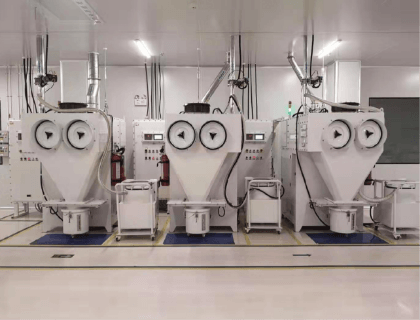
In the realm of workplace safety, real-world examples can illuminate the path to effective dust management systems. This section highlights three prominent industry leaders who have successfully implemented advanced dust management strategies, showcasing how technologies like Cyclone, Chemical Suppression Systems, and Explosion Venting have made a significant impact on their operations. By examining these case studies, we can glean valuable insights into best practices and innovative solutions that enhance safety and efficiency.
NAROO's Impact on Industry Leaders
NAROO has emerged as a trailblazer in the integration of sophisticated dust management systems within various industries. Their focus on utilizing Cyclone technology has enabled companies to efficiently separate dust particles from air streams, significantly reducing airborne contaminants. As a result, industry leaders partnering with NAROO report improved worker health outcomes and enhanced operational efficiency due to cleaner work environments.
Moreover, NAROO's implementation of Chemical Suppression Systems complements their Cyclone units by actively minimizing dust generation at the source. This proactive approach not only helps in adhering to regulatory compliance but also fosters a culture of safety among employees. With features like Spark Detection & Extinguishment integrated into their systems, NAROO ensures that potential ignition sources are swiftly addressed before they escalate into hazardous situations.
The success stories stemming from NAROO’s initiatives illustrate that investing in a robust dust management system is not just about compliance—it's about creating safer workplaces that prioritize employee well-being and operational excellence.
How CATL Improved Safety Measures
CATL recognized the critical importance of an effective dust management system as part of their commitment to workplace safety and productivity. By adopting advanced Explosion Venting solutions alongside traditional methods, CATL has successfully mitigated risks associated with combustible dust explosions in their facilities. This shift not only protects workers but also safeguards valuable equipment from damage caused by such incidents.
In addition to Explosion Venting, CATL integrated Explosion Isolation Valves within their systems to prevent the spread of potential explosions throughout their production lines. These valves act as crucial barriers that isolate sections of the facility during an incident, minimizing overall damage and downtime while ensuring employee safety remains paramount. The combination of these technologies demonstrates CATL’s dedication to fostering an environment where innovation meets responsibility.
Furthermore, CATL's investment in VFD Drives allows for precise control over airflow within their dust management system—ensuring optimal performance while reducing energy consumption. This advanced approach not only enhances system efficiency but also contributes positively to environmental sustainability efforts across the manufacturing sector.
BYD's Implementation and Results
BYD has set a high standard for implementing comprehensive dust management systems in its manufacturing processes by leveraging cutting-edge technologies such as Cyclone units and Chemical Suppression Systems. Their strategic focus on minimizing airborne particulates has led to significant improvements in workplace air quality and employee health metrics over time. As BYD continues to expand its operations globally, maintaining stringent safety standards through effective dust control remains a top priority.
One standout feature of BYD's strategy is its deployment of Spark Detection & Extinguishment mechanisms throughout critical areas where combustible materials are handled or processed. These proactive measures ensure immediate response capabilities against ignition sources while simultaneously enhancing employee training programs focused on emergency preparedness related to dust hazards. This holistic approach fosters an organizational culture deeply rooted in safety consciousness.
Additionally, BYD utilizes VFD Drives not just for energy efficiency but also for optimizing airflow dynamics within its facilities' ventilation systems—ensuring consistent performance even under varying operational conditions. The results speak volumes; enhanced productivity coupled with reduced incident rates showcases how thoughtful implementation can yield substantial benefits across multiple facets of business operations.
Conclusion
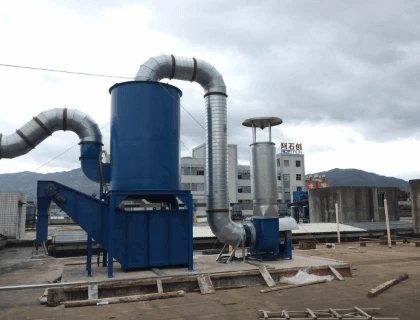
In the ever-evolving landscape of workplace safety, a robust dust management system is not just a luxury but a necessity. By effectively implementing technologies such as Cyclone systems, Chemical Suppression Systems, and Explosion Venting, organizations can significantly minimize dust-related hazards. This proactive approach not only protects employees but also enhances overall operational efficiency.
Reducing Risks with Effective Systems
A well-designed dust management system is essential for reducing risks associated with airborne particulates in industrial environments. Utilizing advanced technologies like Spark Detection & Extinguishment and Explosion Isolation Valves can help mitigate the dangers posed by combustible dust. By incorporating VFD Drives into these systems, businesses can optimize airflow and improve energy efficiency while ensuring safety standards are met.
Investing in Safety Pays Off
Investing in a comprehensive dust management system is an investment in the future of your workforce and your bottom line. Companies that prioritize safety through effective measures see reduced incidents of workplace injuries and downtime, leading to increased productivity and morale among employees. The initial costs associated with implementing systems like Chemical Suppression Systems or Cyclone technology pale in comparison to the long-term financial benefits of maintaining a safe work environment.
Choosing the Right Provider Matters
Selecting the right provider for your dust management system can make all the difference between success and failure in achieving safety goals. Look for companies that offer proven solutions involving Cyclone technology, Spark Detection & Extinguishment, and other critical components tailored to your specific needs. A knowledgeable partner will not only supply you with equipment but also provide ongoing support for training employees on system use and maintenance practices.