

Introduction
In the world of industrial safety, understanding NFPA standards is crucial for ensuring the well-being of both personnel and equipment. The National Fire Protection Association (NFPA) provides guidelines that help organizations implement effective dust collector fire suppression systems, safeguarding against potential hazards related to dust accumulation. With the right knowledge and tools, we can create a safer working environment that minimizes risks associated with dust collector fire protection.
Understanding NFPA Standards
NFPA standards serve as a framework for establishing safety protocols across various industries, particularly those utilizing dust collectors. These guidelines are designed to address specific risks and provide recommendations on fire suppression techniques tailored to each application. By adhering to NFPA standards, businesses can significantly reduce the likelihood of catastrophic events caused by combustible dust.
Importance of Dust Collector Fire Safety
Dust collector fire safety is not just a regulatory requirement; it is an essential aspect of operational integrity and employee well-being. Ignoring the potential dangers associated with dust accumulation can lead to devastating fires or explosions, resulting in loss of life and property damage. Implementing robust dust collector fire suppression measures ensures that businesses protect their assets while promoting a culture of safety among employees.
Overview of Explosion Venting Requirements
Explosion venting is a critical component in managing the risks posed by combustible dust within industrial settings. This process involves creating designated outlets that allow pressure buildup during an explosion to escape safely, thereby minimizing damage to equipment and personnel. Understanding these requirements is vital for designing effective dust collector fire protection systems that comply with NFPA guidelines while enhancing overall safety.
What is NFPA 68?

NFPA 68, or the National Fire Protection Association's standard on explosion protection by deflagration venting, plays a crucial role in ensuring safety in environments where dust collectors are used. This standard outlines the requirements for designing and implementing explosion venting systems, which are vital for mitigating the risks associated with dust collector fire suppression scenarios. Understanding NFPA 68 is essential for industries that rely on dust collection systems to maintain operational safety and compliance.
Definition and Purpose
At its core, NFPA 68 aims to provide guidelines that help prevent catastrophic explosions caused by combustible dust. The purpose of this standard is to establish a framework for designing effective explosion venting systems that can safely relieve pressure during an explosive event. By adhering to NFPA dust collector guidelines, facilities can significantly reduce the risk of damage and injury from potential explosions related to their dust collector fire protection measures.
Key Concepts and Terminology
Understanding some key concepts within NFPA 68 is essential for anyone involved in dust collector fire suppression design or implementation. Terms like deflagration (a subsonic combustion process) and vent area (the designated space through which an explosion can escape) are critical when discussing explosion venting requirements. Familiarity with these terms helps professionals navigate the complexities of implementing effective dust collector fire suppression systems that align with industry standards.
Relationship with Other NFPA Standards
NFPA 68 does not exist in isolation; it complements several other standards set forth by the National Fire Protection Association, particularly those related to hazardous materials handling and industrial operations. For example, NFPA 654 focuses on preventing fires and explosions in industries dealing with combustible dusts, while NFPA 70 addresses electrical safety in such environments. Together, these standards create a comprehensive framework for ensuring that dust collectors operate safely while minimizing risks associated with fire hazards.
The Role of Dust Collectors

Dust collectors are essential components in many industrial processes, ensuring that airborne dust and particulate matter are effectively captured and removed from the workplace. By maintaining air quality and preventing the accumulation of combustible dust, these systems play a crucial role in operational safety. However, understanding their functionality goes beyond just capturing dust; it involves recognizing their impact on overall fire safety, particularly in relation to NFPA standards.
Functionality of Dust Collectors
At their core, dust collectors function by drawing in contaminated air and filtering out harmful particulates before releasing clean air back into the environment. This process not only protects workers' health but also mitigates fire hazards associated with combustible dust accumulation. Properly designed NFPA dust collector systems integrate advanced filtration technologies with efficient airflow management to ensure optimal performance and compliance with safety regulations.
In addition to capturing particles, a robust dust collector fire suppression system is vital for minimizing risks associated with potential ignition sources within the equipment. By incorporating features such as explosion venting and automatic suppression mechanisms, these systems can significantly enhance workplace safety. Ultimately, a well-functioning dust collector serves as both a protective measure against airborne contaminants and a proactive step toward fire protection.
Common Applications in Industries
Dust collectors find applications across various industries including woodworking, pharmaceuticals, food processing, metalworking, and textiles—each presenting unique challenges related to dust management. In woodworking facilities, for example, fine sawdust can accumulate rapidly and pose significant fire risks if not properly managed through effective NFPA dust collector systems. Similarly, pharmaceutical manufacturing often deals with potent powders that require meticulous handling to prevent contamination and ensure compliance with stringent safety standards.
The versatility of dust collectors also extends to industries like food processing where flour or sugar can create hazardous conditions if allowed to accumulate unchecked. In metalworking environments, metal shavings can ignite under certain conditions without proper ventilation provided by an effective dust collection system. Thus, understanding the specific applications of these systems is critical for implementing appropriate measures such as a dedicated dust collector fire protection strategy tailored to each industry’s needs.
Risks Associated with Dust Accumulation
Neglecting proper maintenance or installation of dust collection systems can lead to severe consequences due to the inherent risks associated with combustible dust accumulation. When fine particles gather in areas like ducts or hoppers without adequate control measures like those outlined by NFPA guidelines for fire suppression systems, they create potential ignition sources that could result in catastrophic explosions or fires. This reality underscores the importance of adhering strictly to NFPA standards when designing or upgrading any existing setups.
Moreover, even small amounts of accumulated combustible materials can generate enough heat during regular operations—such as friction from machinery—to trigger an unexpected ignition event if not properly contained within an effective system designed for such scenarios. Therefore investing in reliable solutions that include both efficient filtration capabilities alongside comprehensive fire protection strategies is essential for mitigating these risks effectively over time while maintaining productivity levels across various sectors.
Explosion Venting Explained

Explosion venting is a crucial safety measure in environments where dust collectors operate, particularly within industries that handle combustible dust. The essence of explosion venting lies in its ability to mitigate the effects of an explosion by allowing pressure to escape, thus preventing catastrophic damage and protecting personnel. Understanding this process is essential for implementing effective dust collector fire suppression systems that comply with NFPA standards.
Definition and Importance
At its core, explosion venting refers to the deliberate design feature that allows for the rapid release of pressure during an explosive event. This mechanism is vital because it reduces the likelihood of structural failure and minimizes injuries associated with explosions in dust collectors. In industries where combustible materials are processed, having a robust dust collector fire protection strategy that includes explosion venting can save lives and reduce property damage significantly.
The importance of adhering to NFPA guidelines regarding explosion venting cannot be overstated; these standards provide a framework for designing safe systems that effectively manage explosive risks. By understanding the principles behind explosion venting, facilities can enhance their overall safety protocols and ensure compliance with legal requirements regarding dust collector fire suppression measures.
Mechanisms of Explosion Venting
Explosion venting operates through several mechanisms designed to contain or redirect the force of an explosion safely. When pressure builds up within a dust collector due to combustion, specifically designed vents open instantly, allowing hot gases and flames to escape outward rather than inward. This action helps prevent damage to equipment and reduces the risk of secondary explosions caused by confined pressures.
Incorporating effective explosion venting into your dust collector fire suppression system involves selecting appropriate materials and designs that can withstand high temperatures while maintaining integrity during an event. Moreover, regular maintenance checks are essential to ensure these vents function correctly when needed—after all, it’s better to be safe than sorry!
Comparison with Other Safety Measures
While explosion venting is a critical component of any comprehensive safety strategy involving dust collectors, it should not be viewed as a standalone solution. Other safety measures—such as active fire suppression systems—play equally important roles in creating a well-rounded approach to mitigating risks associated with combustible dusts. For instance, while vents relieve pressure from an explosive event, fire suppression systems actively combat flames through extinguishing agents or cooling techniques.
When comparing these methods, it's clear that combining multiple strategies enhances overall effectiveness; relying solely on one measure may leave gaps in protection against potential hazards inherent in industrial settings using NFPA-compliant dust collectors. Ultimately, integrating both passive (like explosion vents) and active (like fire suppression systems) measures creates a robust defense against fires and explosions in facilities handling combustible materials.
Designing for Safety: NFPA Dust Collector Guidelines
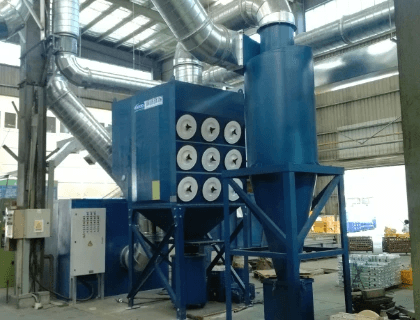
When it comes to ensuring a safe working environment, the design of dust collectors plays a pivotal role. The NFPA dust collector guidelines provide a framework that emphasizes safety while maintaining operational efficiency. By adhering to these standards, industries can significantly reduce the risks associated with dust accumulation and potential fires.
Essential Design Considerations
Designing an effective dust collector involves several essential considerations that align with NFPA standards. First and foremost, understanding the type of materials being collected is crucial; different materials have varying ignition properties and combustion characteristics. Additionally, proper airflow design is vital to prevent dust build-up in ducts and filters, which can lead to hazardous situations if not managed correctly.
Another key aspect is the sizing of the dust collector; it must be appropriately sized for the specific application to ensure efficient operation without overloading. Moreover, incorporating features such as explosion vents or isolation valves can further enhance safety by mitigating potential explosions before they escalate into serious incidents. Ultimately, these essential design considerations not only comply with NFPA dust collector guidelines but also foster a culture of safety within industrial environments.
NFPA Dust Collector Fire Suppression Recommendations
The NFPA provides comprehensive fire suppression recommendations specifically tailored for dust collectors to mitigate fire hazards effectively. One critical recommendation is the integration of automatic fire suppression systems within the dust collector itself; this enables rapid response in case of an ignition event. These systems often utilize water mist or foam agents designed to suppress flames quickly while minimizing water damage.
In addition to automatic systems, regular maintenance checks are vital for ensuring that all components are functioning optimally; any malfunction could compromise fire safety measures in place. Furthermore, training personnel on emergency procedures related to dust collector fire suppression can significantly enhance overall workplace safety—after all, knowledge is power when it comes to preventing disasters! By following these recommendations closely, facilities can create a safer working environment that aligns with industry best practices.
Integration with Dust Collector Fire Protection Systems
Integrating various elements of fire protection into your dust collection system is not just smart—it's essential for compliance with NFPA standards and overall operational integrity. A well-designed system will include features like spark detection devices and explosion vents strategically placed throughout the setup to ensure maximum effectiveness against potential fires or explosions from accumulated combustible materials.
Moreover, collaboration between engineers and safety professionals during the design phase can yield innovative solutions tailored specifically for unique industrial challenges related to dust collection processes. This collaborative approach ensures that every aspect—from airflow dynamics to material properties—is considered when implementing a comprehensive fire protection strategy within your operations.
Lastly, don’t forget about ongoing evaluation! Regular assessments and updates based on evolving technologies or changes in processes will help maintain compliance while enhancing safety measures over time—because when it comes down to it: better safe than sorry!
NAROO: Leading the Charge in Safety
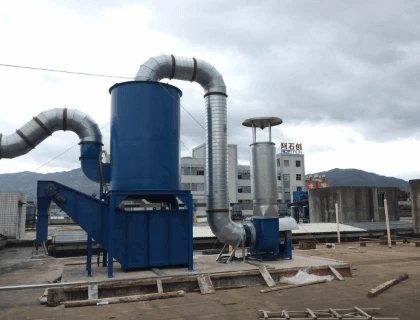
In the ever-evolving landscape of industrial safety, NAROO stands out as a beacon of innovation and expertise. With a dedicated focus on NFPA dust collector standards, NAROO has cultivated a reputation for excellence in dust collector fire suppression systems. Their commitment to enhancing dust collector fire protection is evident through their advanced solutions tailored to meet the unique challenges faced by various industries.
Overview of NAROO's Expertise
NAROO has built its foundation on a robust understanding of NFPA guidelines and fire safety protocols related to dust collectors. Their team consists of seasoned professionals who not only grasp the technical aspects but also stay updated with the latest industry trends and regulatory changes. This deep-rooted expertise allows NAROO to offer comprehensive consultations that help businesses implement effective dust collector fire suppression measures.
In addition to their knowledge base, NAROO emphasizes continuous training and development for their staff, ensuring they remain at the forefront of safety innovations. By fostering an environment that encourages learning, they are able to provide cutting-edge solutions that address both current needs and future challenges in dust collector fire protection. This proactive approach positions NAROO as a trusted partner for companies looking to enhance their safety protocols.
Innovative Solutions for Dust Collector Safety
NAROO is renowned for its innovative solutions designed specifically for dust collector safety, focusing on both prevention and mitigation strategies. Their state-of-the-art dust collector fire suppression systems incorporate advanced technologies such as automatic detection sensors and rapid response mechanisms that significantly reduce the risk of catastrophic events. These systems not only comply with NFPA standards but also exceed them, offering an extra layer of security.
One standout feature of NAROO's approach is their customizable solutions tailored to fit diverse industrial environments—from woodworking facilities to food processing plants—all while adhering strictly to NFPA guidelines. They understand that no two operations are alike; thus, they work closely with clients to design systems that integrate seamlessly into existing setups without disrupting workflow or efficiency. The result? Enhanced operational safety without compromising productivity.
Moreover, NAROO’s commitment doesn’t stop at installation; they provide ongoing support and maintenance services ensuring that every dust collector fire protection system operates at peak performance throughout its lifecycle. This dedication ensures clients can focus on their core business while resting assured that their safety measures are consistently effective against potential hazards.
Success Stories with Major Companies
NAROO has garnered attention through numerous success stories involving major companies across different sectors implementing their innovative solutions for dust collector safety. For instance, a leading manufacturer in the automotive industry faced significant risks due to combustible dust accumulation in its facility; after collaborating with NAROO, they installed an advanced dust collector fire suppression system tailored specifically for their operations—resulting in enhanced compliance with NFPA standards and reduced downtime due to incidents.
Another notable success involved a large food processing plant where traditional methods were proving inadequate against increasing regulatory pressures regarding worker safety and environmental concerns related to combustible materials. By integrating NAROO’s customized fire protection systems into their existing infrastructure, this company not only met compliance requirements but also significantly improved overall workplace safety metrics—a win-win situation!
These success stories reflect how partnering with experts like NAROO can transform risk management strategies within organizations while aligning them closely with best practices outlined by NFPA guidelines concerning dust collectors and associated fire suppression technologies.
Conclusion
In wrapping up our exploration of NFPA standards, particularly NFPA 68, it's clear that understanding these guidelines is paramount for ensuring dust collector fire safety. The implications of neglecting dust collector fire suppression measures can be catastrophic, not just in terms of property loss but also in human safety. As industries continue to evolve, so too must our approaches to dust collector fire protection.
Key Takeaways on NFPA 68
NFPA 68 provides critical insights into explosion venting, a vital component of any effective dust collector fire suppression system. It emphasizes the need for proper design and implementation to mitigate risks associated with combustible dust. By adhering to NFPA standards, facilities can significantly reduce the likelihood of devastating explosions and ensure a safer working environment.
Best Practices for Dust Collector Fire Safety
Implementing best practices for dust collector fire safety involves a multi-faceted approach that includes regular maintenance, employee training, and the installation of an efficient dust collector fire suppression system. Facilities should prioritize the removal of accumulated dust and ensure that all equipment complies with NFPA guidelines. Additionally, integrating advanced technologies can enhance overall safety measures related to dust collectors.
Future Trends in Fire Suppression Technologies
The future of fire suppression technologies looks promising as innovation continues to drive improvements in safety measures related to dust collectors. Emerging solutions include automated systems that detect and respond to potential hazards in real-time, offering enhanced protection against fires and explosions. As industries adapt to these advancements, we can expect more robust strategies for effective dust collector fire protection.