

Introduction

In today's industrial landscape, effective dust filter cleaning systems play a crucial role in maintaining air quality and workplace safety. With the increasing awareness of environmental health, investing in top-notch air filtration solutions has never been more important. The right dust collector can significantly enhance operational efficiency while reducing potential hazards associated with airborne contaminants.
Importance of Effective Dust Filter Cleaning
Effective dust filter cleaning is not just a matter of compliance; it's essential for protecting the health of employees and ensuring the longevity of equipment. Poorly maintained dust air filtration systems can lead to reduced performance and increased downtime, which can be costly for any operation. Regular maintenance and timely cleaning of cartridge dust collector filters help to optimize airflow and maintain peak efficiency.
Benefits of Investing in Quality Systems
Investing in quality dust collector air filters brings numerous benefits that extend beyond mere compliance with regulations. High-quality industrial dust extractors provide superior filtration capabilities, ensuring that harmful particles are effectively captured before they can circulate in the workspace. Additionally, these systems often come equipped with advanced features that enhance their reliability and reduce maintenance costs over time.
How to Choose the Right Solution
Choosing the right air filtration system requires careful consideration of several factors unique to your facility's needs. It's essential to assess the types of contaminants present, airflow requirements, and space constraints when selecting a suitable dust collector option. By comparing different models and customization options available on the market, you can find an ideal solution that balances performance with cost-effectiveness.
Understanding Dust Filter Technologies

In today's industrial landscape, understanding dust filter technologies is essential for maintaining a safe and efficient work environment. Air filtration systems play a crucial role in removing harmful particles from the air, ensuring that workers are not exposed to hazardous dust. With various options available, selecting the right dust collector can significantly impact both operational efficiency and workplace safety.
Overview of Air Filtration Systems
Air filtration systems are designed to capture airborne particulates and improve indoor air quality. These systems vary widely in design and application, ranging from simple mechanical filters to advanced electrostatic precipitators. In industrial settings, effective dust air filtration is vital for protecting equipment and personnel alike, making the choice of a reliable dust collector indispensable.
When selecting an air filtration system, it’s important to consider factors such as the type of pollutants present and the volume of air needing treatment. High-efficiency particulate air (HEPA) filters are often used in environments requiring stringent cleanliness standards, while other systems might focus on specific types of dust or fumes generated during manufacturing processes. Ultimately, investing in quality dust filter cleaning systems ensures long-term performance and compliance with health regulations.
Types of Dust Collector Options
There are several types of dust collectors available on the market today, each tailored to specific applications and environments. Baghouse collectors utilize large fabric bags to trap particles while allowing clean air to pass through, making them suitable for high-volume operations with coarse dusts. On the other hand, cartridge dust collector filters offer compact designs that provide high filtration efficiency in smaller spaces.
Another option includes cyclonic separators that use centrifugal force to remove larger particles before they reach finer filters; this pre-treatment can extend the life of your primary filtering components significantly. Additionally, some modern industrial dust extractors incorporate smart technology that monitors filter conditions in real-time—an invaluable feature for ensuring optimal performance without constant manual checks. Selecting the right type not only enhances efficiency but also optimizes maintenance routines for your chosen system.
Advancements in Cartridge Dust Collector Filters
Recent advancements in cartridge dust collector filters have revolutionized how industries approach air filtration challenges. New materials have been developed that enhance filter life while maintaining superior capture rates for fine particulates—this means less frequent replacements and lower operational costs overall! Furthermore, innovations such as pleated designs increase surface area without enlarging footprint size; this is particularly beneficial for facilities with limited space.
The integration of nanotechnology into filter media has also improved resistance against moisture and chemical exposure—critical attributes when dealing with diverse industrial environments where contaminants vary widely. As industries continue to evolve toward more sustainable practices, these advancements pave the way for cleaner operations by facilitating more efficient use of resources within established frameworks like those found in effective dust filter cleaning systems.
NAROO: A Leader in Dust Filtration

When it comes to dust filter cleaning systems, NAROO stands out as a beacon of innovation and reliability. Their commitment to developing advanced air filtration technologies has positioned them as leaders in the industry. With a focus on creating efficient dust collector solutions, NAROO is dedicated to enhancing air quality across various sectors.
Innovative Solutions for Air Purification
NAROO continually pushes the boundaries of air filtration technology, offering innovative solutions that redefine dust air filtration standards. Their state-of-the-art cartridge dust collector filters are designed to capture even the finest particles, ensuring cleaner air and safer work environments. By integrating cutting-edge materials and design principles, NAROO’s industrial dust extractor systems provide superior performance while remaining user-friendly.
Moreover, their research into new filtration methods has led to significant advancements in efficiency and longevity of their products. This means that facilities can rely on NAROO’s dust collector air filters not just for immediate needs but also for long-term operational success. Investing in these advanced solutions translates into reduced maintenance costs and improved workplace safety.
Successful Implementations with Industry Giants
NAROO's reputation is reinforced by successful collaborations with industry giants across various sectors such as manufacturing, pharmaceuticals, and food processing. These partnerships have allowed NAROO to showcase their expertise in implementing customized dust filter cleaning systems that meet specific operational demands. The effectiveness of their air filtration systems has been validated through numerous case studies demonstrating enhanced productivity and compliance with environmental regulations.
Notably, companies that have integrated NAROO’s innovative dust collectors report significant reductions in airborne contaminants and improved employee health outcomes. This track record of success not only highlights the reliability of their products but also illustrates how effective dust management can impact overall business performance positively. With each successful implementation, NAROO solidifies its position as a trusted partner for businesses seeking optimal air quality solutions.
Commitment to Safety and Quality Standards
Safety is paramount at NAROO; they adhere strictly to international safety standards while designing their dust collection systems. Each product undergoes rigorous testing to ensure it meets or exceeds established quality benchmarks before reaching the market. Their dedication to producing high-quality industrial dust extractors reflects a broader commitment to promoting safe working environments through effective air filtration.
In addition to safety compliance, NAROO actively engages in continuous improvement practices aimed at enhancing product durability and efficiency over time. They understand that a reliable dust collector not only protects workers but also contributes significantly toward operational sustainability by minimizing waste generated from inefficient filtering processes. By prioritizing both safety and quality standards, NAROO reinforces its role as an industry leader dedicated to advancing the future of clean air technology.
Key Features of Effective Dust Collectors

When it comes to maintaining a clean and safe working environment, effective dust collectors are indispensable. These systems not only help in managing airborne particulates but also play a crucial role in enhancing air quality. Understanding the key features of industrial dust extractors is essential for selecting the right dust filter cleaning systems for your facility.
Essential Components of Industrial Dust Extractors
Industrial dust extractors are equipped with several critical components that work together to ensure optimal air filtration. At the heart of these systems is the cartridge dust collector filter, which captures fine particles and prevents them from re-entering the workspace. Additionally, robust fans and blowers facilitate airflow, while collection hoppers store captured dust until it can be safely disposed of or recycled.
Another important feature is the control system that monitors performance metrics like airflow and pressure drop across filters. This ensures that your air filtration system operates efficiently, reducing energy consumption while maintaining high filtration standards. Lastly, effective sealing mechanisms prevent leaks that could compromise air quality and safety.
Importance of Efficiency in Air Filtration
Efficiency in air filtration is paramount when it comes to industrial applications involving dust collector air filters. An efficient system not only maximizes particle capture but also minimizes energy usage—a win-win scenario for both operational costs and environmental impact. High-efficiency filters can capture even the smallest particulate matter, ensuring compliance with safety regulations and promoting better health for your workforce.
Moreover, an efficient dust collector reduces downtime by requiring less frequent maintenance and filter replacements compared to less effective models. This translates into cost savings over time as well as improved productivity since workers can focus on their tasks rather than worrying about equipment failures or poor air quality. Ultimately, investing in an efficient air filtration system pays off through enhanced performance and long-term reliability.
Maintenance Requirements for Optimal Performance
To keep your industrial dust extractor functioning at its best, regular maintenance is non-negotiable. Routine checks should include inspecting cartridge dust collector filters for wear or clogging—signs that they may need replacement or cleaning soon. Additionally, it's wise to monitor airflow rates; significant drops may indicate blockages or other issues within the system.
Proper maintenance not only extends the life of your dust filter cleaning systems but also ensures they operate at peak efficiency when you need them most. Implementing a scheduled maintenance plan will help identify potential problems before they escalate into costly repairs or downtime disruptions. Remember: a well-maintained air filtration system contributes significantly to workplace safety by effectively controlling airborne pollutants.
Choosing the Right Dust Filter Cleaning System
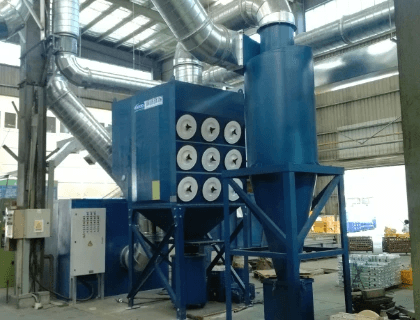
Selecting the appropriate dust filter cleaning systems for your facility is crucial to ensure optimal air quality and compliance with health regulations. With various options available, understanding your specific needs will help you make an informed decision. Factors such as the type of contaminants, volume of dust generated, and space constraints should guide your choice.
Factors to Consider for Your Facility
When considering a dust filter cleaning system, start by evaluating the type of operations taking place in your facility. Different industries produce varying types and amounts of dust; for example, woodshops may deal with fine sawdust while manufacturing plants might encounter heavier particulate matter. Additionally, consider the layout of your workspace—tight spaces may require more compact air filtration systems that still deliver robust performance.
Another critical factor is the airflow requirements; understanding how much air needs to be filtered will determine the size and capacity of your dust collector or industrial dust extractor. Don't forget about maintenance accessibility—choosing a system that allows easy access for routine checks can save time and money in the long run. Lastly, think about regulatory compliance; ensure that any chosen system meets local environmental standards to avoid potential fines or shutdowns.
Comparing Different Dust Collector Air Filters
With so many options on the market, comparing different dust collector air filters can feel overwhelming—but it doesn't have to be! Start by looking at efficiency ratings; high-efficiency particulate air (HEPA) filters are excellent for capturing fine particles but may come with higher costs compared to standard cartridge dust collector filters. Remember that investing in quality systems often pays off through reduced maintenance costs and improved workplace safety.
Next, consider filter lifespan and replacement frequency; some filters may need replacing more often than others based on their design and materials used. It’s also wise to look into compatibility with existing equipment—after all, you want a seamless integration into your current setup without needing significant modifications. Finally, don’t overlook customer reviews and case studies showcasing successful implementations; real-world experiences can provide invaluable insights into performance expectations.
Customization Options Available
Customization options can significantly enhance the effectiveness of your chosen dust filter cleaning systems by tailoring them specifically to your facility's unique needs. Many manufacturers offer customizable features such as variable speed controls or additional filtration stages that can improve overall efficiency in air filtration processes. This flexibility allows you to adapt your industrial dust extractor or cartridge dust collector filter based on changing operational demands.
Additionally, consider specialized attachments like cyclone separators or pre-filters designed for specific applications—these enhancements can extend filter life while improving overall performance in managing airborne contaminants. Custom solutions also allow you to scale up as needed; whether you're expanding production or introducing new materials into your workflow, having a modular system ensures you're always prepared for growth without sacrificing performance.
In conclusion, choosing the right dust filter cleaning system requires careful consideration of various factors including operational needs, efficiency ratings, compatibility with existing equipment, and customization options available to meet specific challenges within your facility's environment.
Maintaining Your Dust Filter System

Keeping your dust filter system in top shape is crucial for ensuring optimal air quality and prolonging the life of your equipment. Regular maintenance not only enhances the efficiency of your dust collector but also prevents costly downtime. By adopting best practices in routine cleaning, you can effectively manage your air filtration systems and ensure they operate at peak performance.
Best Practices for Routine Cleaning
Routine cleaning of dust filter cleaning systems should be a scheduled part of your facility's maintenance plan. Start by inspecting the dust collector air filter regularly; this will help you identify any buildup that could hinder airflow and reduce efficiency. Additionally, using compressed air to blow out accumulated dust from cartridge dust collector filters can significantly improve their performance, allowing for better air filtration.
It's also wise to keep an eye on the collection bin or hopper, as overflowing debris can lead to clogs and decreased efficiency in your industrial dust extractor. Implementing a visual inspection checklist can help ensure no critical components are overlooked during routine cleaning sessions. Lastly, always refer to the manufacturer’s guidelines for specific maintenance recommendations tailored to your particular air filtration system.
Signs Your Dust Collector Needs Attention
Recognizing when your dust collector requires attention is vital for maintaining effective operation within your facility. One clear sign is a noticeable decrease in airflow; if you're experiencing reduced suction power from your industrial dust extractor, it may indicate that it's time for a thorough cleaning or filter replacement. Additionally, if you notice an increase in visible dust around the machine or within the workspace, it’s likely that the current system isn’t performing adequately.
Another indicator could be unusual noises coming from the unit—these sounds might suggest mechanical issues that need immediate attention before they escalate into more significant problems. Keep track of pressure gauge readings as well; if they frequently fall outside normal operating ranges, it could signal that filters are clogged and require servicing or replacement. Staying vigilant about these signs will help you maintain optimal performance levels with minimal interruptions.
How to Extend the Life of Your Filters
Extending the life of your filters is not just about saving money—it's also about enhancing overall efficiency in your air filtration processes. First and foremost, regular cleaning is essential; following best practices ensures that dirt and debris do not accumulate excessively on cartridge dust collector filters or other components of your dust filter cleaning systems. This preventative measure helps maintain airflow while reducing wear on parts due to excessive strain.
Another effective strategy involves monitoring environmental conditions within your facility; high humidity or temperature fluctuations can affect filter performance and longevity significantly. Implementing dehumidifiers or temperature controls where necessary can create an optimal environment for efficient operation of both industrial dust extractors and other air filtration systems. Lastly, consider investing in higher-quality filters designed specifically for durability—they may have a higher upfront cost but often pay off through extended service life and improved performance.
Conclusion

In conclusion, the significance of effective dust filter cleaning systems cannot be overstated. Proper air filtration not only enhances workplace safety by reducing airborne contaminants but also promotes a healthier environment for employees. Investing in quality dust collector systems ensures that your facility remains compliant with health regulations while fostering productivity.
Enhancing Workplace Safety with Proper Filtration
The right dust air filtration system plays a crucial role in maintaining a safe working environment. By effectively capturing harmful particles, these systems minimize the risk of respiratory issues among workers, which is especially important in industries where dust and particulates are prevalent. Regular maintenance and timely cleaning of your industrial dust extractor ensure optimal performance and safety standards are met.
The Financial Benefits of Efficient Dust Systems
Investing in high-quality dust collector air filters can lead to significant financial savings over time. Efficient air filtration reduces energy consumption, as machines operate more effectively when filters are clean and functioning optimally. Moreover, fewer breakdowns and repairs associated with well-maintained cartridge dust collector filters translate into lower operational costs for businesses.
Future Trends in Air Filtration Technologies
As technology advances, so do the capabilities of air filtration systems designed to tackle ever-evolving challenges in industrial environments. Innovations such as smart sensors for monitoring filter performance and automated cleaning mechanisms are on the rise, making dust filter cleaning systems more efficient than ever before. Staying ahead of these trends will empower businesses to maintain clean air quality while adapting to new regulatory standards and industry demands.