

Introduction

In the world of woodworking and industrial manufacturing, a well-designed dust collection system is not just a luxury; it's a necessity. The effectiveness of this system often hinges on the quality of the dust collector duct work, which serves as the backbone for efficient dust extraction. Understanding how various components work together can significantly enhance shop dust filtration, ensuring cleaner air and safer working conditions.
Understanding the Role of Ductwork
Ductwork is pivotal in any dust collection system, acting as the conduit through which airborne particles are transported to the collector. When designed properly, it optimizes airflow and minimizes energy loss, making it easier for your shop dust collector to do its job effectively. Spiral ductwork, known for its smooth interior surfaces and efficient design, is increasingly popular in modern workshops due to its ability to reduce friction and improve overall performance.
Key Components of Dust Collection Systems
A successful dust collection system comprises several key components that work in harmony to capture and filter harmful particulates from the air. At its core are the dust collector itself, various types of ductwork—including both traditional and spiral options—and essential filtration units that ensure only clean air is returned to your workspace. Each component plays a vital role in maintaining optimal airflow and enhancing shop dust filtration efficiency.
Importance of Efficient Dust Extraction
Efficient dust extraction is crucial not only for maintaining air quality but also for protecting equipment and improving worker health. Poorly designed or maintained duct systems can lead to clogs, reduced suction power, and ultimately increased risks associated with airborne contaminants. Investing in quality ductwork paired with an effective shop dust collector ensures long-term benefits such as improved productivity, safety compliance, and a healthier environment for all.
The Basics of Dust Collector Duct Work

When it comes to creating an efficient dust collection system, understanding the basics of dust collector duct work is essential. This duct work serves as the backbone of your shop's dust extraction process, guiding airborne particles away from machinery and into a filtration system. The right design and materials can significantly enhance the performance of your shop dust collector, ensuring cleaner air and a safer workspace.
Types of Ductwork for Dust Collection
There are several types of ductwork used in dust collection systems, each suited for different applications and environments. Common options include galvanized steel, PVC, and flexible hoses; however, choosing the right material is crucial for optimal performance. Galvanized steel ducting is particularly popular due to its durability and ability to handle high volumes of airflow without collapsing or leaking—key factors in effective shop dust filtration.
Flexible hoses are also widely used because they allow for easy adjustments in layout but may not be as robust as metal options. On the other hand, PVC ducts are lightweight and resistant to corrosion but can be less effective at high temperatures or with abrasive materials. Ultimately, selecting the appropriate type of ductwork will depend on your specific needs and the characteristics of your dust collection system.
Benefits of Spiral Ductwork in Shops
Spiral ductwork has gained popularity in industrial settings due to its numerous advantages over traditional rectangular ducts. One significant benefit is its superior airflow efficiency; spiral ducts have smoother internal surfaces that reduce frictional losses during air transport. This means that more air—and thus more dust—is effectively extracted from your workspace with less energy consumption, making it an excellent choice for any serious shop dust collector setup.
Moreover, spiral ducts are easier to install than their rectangular counterparts since they often require fewer fittings and joints which can be points of failure or leaks in a system. Their design also allows for greater flexibility when configuring layouts around existing equipment or obstacles within a shop environment. Overall, investing in spiral ductwork can lead to improved operational efficiency while enhancing overall safety by minimizing airborne particulates.
Standards for Dust Collection Integration
Integrating your dust collection system with existing HVAC ducts requires adherence to specific standards designed to ensure safety and efficiency across both systems. Organizations like OSHA (Occupational Safety and Health Administration) provide guidelines on acceptable levels of airborne contaminants which must be considered when designing your setup—especially if you’re working with hazardous materials that require stringent compliance measures.
Additionally, it's essential to follow industry best practices regarding airflow rates and material compatibility when connecting HVAC ducts with your dust collector duct work. Ensuring proper sizing based on airflow calculations will help prevent issues such as pressure drops or insufficient suction at workstation hoods—both critical factors influencing overall effectiveness in capturing harmful particles during operations.
By aligning these standards within your design strategy, you not only comply with regulations but also enhance the longevity and reliability of both HVAC systems and shop dust filtration processes alike.
The Connection Between HVAC and Dust Filtration
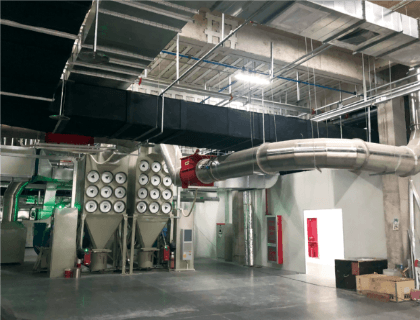
In any workshop or industrial setting, the synergy between HVAC systems and dust collection systems is crucial for maintaining a clean and safe environment. Properly designed dust collector duct work can significantly enhance the effectiveness of both air conditioning and dust extraction. Understanding how these systems interact helps optimize airflow, which is essential for effective shop dust filtration.
How HVAC Ducts Affect Dust Collection
HVAC ducts play a pivotal role in influencing the performance of dust collection systems. When designed correctly, these ducts can facilitate efficient air movement, ensuring that airborne particles are effectively captured by the shop dust collector. However, if the HVAC ductwork is not properly integrated with the dust collector duct work, it can lead to increased resistance and reduced efficiency in both heating/cooling and dust extraction processes.
The size and layout of HVAC ducts directly impact how well a dust collection system performs; poorly designed ducts may create dead spots where dust settles rather than being extracted. Additionally, if an HVAC system is not adequately filtered or maintained, it can circulate fine particulate matter throughout the workspace instead of removing it. Therefore, understanding this relationship is key to achieving optimal performance in both air quality management and energy efficiency.
Optimizing Airflow in Dust Extraction Systems
To ensure maximum efficiency in your shop's dust extraction setup, optimizing airflow should be a top priority. This involves selecting appropriate duct sizes—spiral ductwork often provides better airflow characteristics than traditional rectangular ducts due to its smooth interior surfaces and reduced turbulence. Moreover, proper placement of duct runs minimizes bends and turns that can impede airflow; straight runs are always preferable to maintain velocity.
Another critical factor is balancing the airflow across all branches of your dust collection system so that each workstation receives adequate suction power from the shop dust collector. Implementing adjustable dampers can help regulate this balance as needed based on varying operational conditions or equipment usage patterns. By focusing on these optimization strategies, you’ll enhance both your air quality through effective filtration and your overall workshop productivity.
Best Practices for Maintaining System Efficiency
Maintaining system efficiency in your combined HVAC and dust collection setup requires regular attention to several best practices. First off, routine inspections of your ductwork—including both HVAC ducts and those used for dust extraction—are essential to identify any leaks or blockages that could hinder performance over time. Sealing any gaps promptly will ensure that all collected particles are directed into the shop dust collector without losing valuable suction power.
Additionally, regular cleaning schedules for filters within both systems cannot be overlooked; dirty filters will not only restrict airflow but also reduce overall filtration effectiveness within your shop’s environment. Implementing a monitoring system to track pressure drops across filters will help you stay ahead of maintenance needs before they become critical issues affecting efficiency or safety standards. By adhering to these best practices, you’ll prolong the lifespan of your equipment while ensuring optimal air quality throughout your workspace.
Choosing the Right Shop Dust Collector

Selecting the right shop dust collector is crucial for maintaining a clean and safe working environment. With a variety of options available, understanding the nuances of each type can help you make an informed decision that aligns with your specific dust collection needs. From efficiency to compatibility with existing ductwork, let’s dive into what you should consider when choosing your dust extraction system.
Overview of Popular Dust Collectors
When it comes to shop dust collectors, several popular models stand out for their effectiveness and reliability. Bag-style collectors are favored in many workshops due to their affordability and ease of maintenance, while cyclone dust collectors excel at separating larger particles before they reach the filters. For those looking for compact solutions, portable dust extractors offer flexibility without compromising on performance, making them ideal for smaller spaces or job sites.
Each type of dust collector has its strengths—bag collectors are generally easier to set up with standard ductwork systems like spiral ductwork, while cyclones require more complex configurations but provide superior filtration efficiency. Understanding these differences will guide you toward selecting a model that not only captures airborne particles effectively but also integrates seamlessly with your existing dust collection system.
Factors to Consider in Selection
When selecting a shop dust collector, several key factors come into play that can significantly impact its performance and longevity. First and foremost is the size of your workspace; larger shops may require more powerful units or multiple collectors strategically placed throughout the area to ensure optimal airflow through the HVAC duct system. Additionally, consider the types of materials you’ll be working with—certain models are better suited for fine particulates versus heavier debris.
Another critical aspect is airflow capacity measured in cubic feet per minute (CFM). A higher CFM rating means better suction power which translates into more effective dust extraction from your tools and machinery. Don’t forget about noise levels either; some models operate quietly while others can be quite loud—this might affect your comfort during long work sessions.
Finally, think about how well your selected shop dust collector will integrate with existing duct designs like spiral ductwork or traditional round ducts. Proper integration ensures that all components work together harmoniously for maximum efficiency in capturing airborne particles before they settle back into your workspace.
Integrating Dust Collector with Duct Design
Integrating your chosen shop dust collector with an efficient duct design is essential for maximizing its effectiveness in maintaining air quality in your workshop environment. The layout of your ductwork can significantly influence how well the entire system performs; poorly designed ducts can lead to airflow restrictions and reduced suction power at critical points where it’s needed most. Therefore, careful planning around how air moves through both HVAC ducts and dedicated dust collector ducts is crucial.
Using spiral ductwork offers advantages such as improved airflow due to its smooth interior surface which minimizes friction losses compared to traditional rectangular ducts. Additionally, ensuring that all connections between components are airtight will prevent leaks that could compromise suction strength across the entire system—after all, every little bit counts when it comes to effective shop dust filtration!
Furthermore, regular maintenance checks on both your dust collection system and HVAC ducts are vital; keeping everything clean ensures longevity and consistent performance over time. By paying attention to these details during installation and operation phases alike, you’ll create an optimal environment conducive not only to productivity but also safety within your workspace.
Essential Components of a Dust Collection System
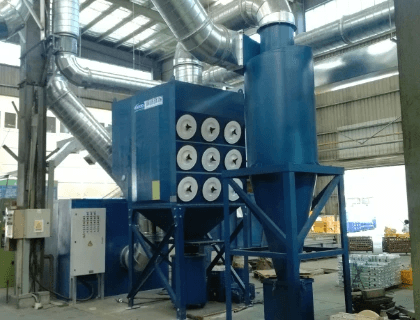
In any effective dust collection system, certain components are indispensable for ensuring optimal dust extraction and maintaining air quality. The interplay between these elements can significantly impact the overall efficiency of your shop dust collector. Understanding these key components is crucial for anyone looking to enhance their shop's dust filtration capabilities.
Key Elements for Effective Dust Removal
At the heart of an efficient dust collection system is a well-designed ductwork layout that facilitates smooth airflow and minimizes resistance. This involves using appropriate materials, such as spiral ductwork, which allows for better airflow compared to traditional rectangular ducts. Additionally, the integration of strategically placed dust collector duct work ensures that all areas of your workspace are adequately covered, capturing dust at its source before it has a chance to circulate.
Another critical element is the sizing of the ducts; they must be appropriately dimensioned based on the volume and type of dust generated in your shop environment. Oversized or undersized ducts can lead to inefficiencies in your system, affecting both performance and energy consumption. To maximize effectiveness, regular maintenance checks should be conducted on all components to ensure they remain free from clogs and leaks.
Role of Cyclone Separators in Dust Mitigation
Cyclone separators play a pivotal role in enhancing the efficiency of any dust collection system by removing larger particles before they reach the filters. By utilizing centrifugal force, these separators effectively mitigate heavy debris from entering the more delicate filtration stages, thus prolonging filter life and maintaining airflow efficiency within HVAC ducts connected to your shop dust collector. This pre-separation step not only helps maintain cleaner air but also reduces wear on other components within your system.
Incorporating cyclone separators into your setup can also improve overall energy efficiency by reducing resistance within the ductwork; less strain means lower energy costs over time. When selecting a cyclone separator, consider factors such as airflow requirements and particle size distribution specific to your operation for optimal performance. Ultimately, investing in a quality cyclone separator pays dividends through enhanced operational efficiency and reduced maintenance needs.
Importance of Filters in Shop Dust Filtration
Filters are arguably one of the most crucial elements in any effective shop dust filtration system; they capture fine particles that other components might miss during extraction processes. High-efficiency particulate air (HEPA) filters are often recommended due to their ability to trap even microscopic particles while allowing clean air to pass through freely into HVAC ducts or back into the workspace environment. Regularly replacing or cleaning filters is essential; neglected filters can lead to decreased airflow and increased pressure drops within your system.
Moreover, choosing filters designed specifically for certain types of materials—such as wood shavings or metal filings—can significantly enhance performance by ensuring maximum capture rates during operation with minimal clogging risk over time. Keeping track of filter conditions not only contributes to cleaner air but also extends the lifespan of other essential components like fans and motors within your shop dust collector setup. In summary, investing time and resources into high-quality filters will yield substantial long-term benefits for both health standards and operational efficiency.
NAROO: Innovation in Dust Extraction Solutions
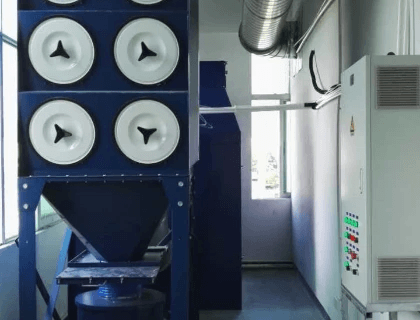
NAROO has emerged as a leading name in dust extraction solutions, focusing on creating systems that prioritize both safety and quality. With a commitment to innovation, they have developed advanced dust collection systems that effectively manage shop dust filtration while ensuring a safe working environment. Their approach combines cutting-edge technology with practical design, making them a go-to choice for industries requiring efficient dust collector duct work.
NAROO’s Commitment to Safety and Quality
At the core of NAROO's philosophy is an unwavering commitment to safety and quality in every aspect of their products. They understand that effective dust extraction is not just about removing particles; it’s about protecting workers from harmful exposure while maintaining operational efficiency. By utilizing high-grade materials and rigorous testing procedures, NAROO ensures that their shop dust collectors meet the highest standards for performance and reliability.
NAROO integrates advanced features into their dust collection systems, such as enhanced airflow dynamics through spiral ductwork. This not only improves the efficiency of the entire system but also minimizes energy consumption—a win-win for both your budget and the environment! Their dedication to quality control means customers can trust that every component, from the HVAC duct connections to the filters used in shop dust filtration, is up to par.
Global Certification Standards and Their Impact
In an increasingly global market, adhering to international certification standards is paramount for any manufacturer—especially those involved in dust extraction solutions like NAROO. These certifications ensure that their products comply with stringent safety regulations while also optimizing performance across various applications. By aligning with global standards, NAROO demonstrates its commitment to producing reliable equipment that enhances workplace safety without compromising on effectiveness.
The impact of these certifications extends beyond compliance; they foster consumer confidence in NAROO's offerings as industry-leading solutions for efficient dust collection systems. Clients can rest assured knowing they are investing in products designed with best practices at heart—like seamless integration with existing HVAC ducts or innovative designs tailored for specific shop environments. This level of assurance encourages businesses to prioritize air quality through effective ductwork solutions.
Case Studies: NAROO in Action with Leading Brands
To illustrate the effectiveness of NAROO's innovations, let’s delve into some case studies showcasing their partnerships with leading brands across various industries. In one notable instance, a prominent woodworking facility faced challenges managing airborne particulate matter due to outdated equipment and inefficient duct layouts. After integrating a new shop dust collector system designed by NAROO—complete with optimized spiral ductwork—the facility saw significant improvements in air quality and employee health outcomes.
Another case involved an automotive manufacturing plant struggling with metal shavings and debris affecting productivity levels due to poor dust extraction methods previously employed there. Implementing NAROO’s advanced filtration technologies transformed their operations by enhancing overall efficiency while ensuring compliance with health regulations concerning airborne particles within HVAC ducts used throughout production areas.
These examples underscore how investing in reliable solutions like those offered by NAROO can lead not only to improved air quality but also long-term benefits such as increased productivity levels within shops reliant on effective dust collection systems.
Conclusion
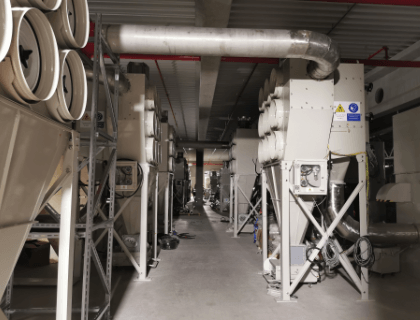
In conclusion, effective dust collector duct work is crucial for enhancing air quality in any workshop or industrial setting. By ensuring that dust extraction systems are well-designed and integrated with HVAC ducts, businesses can significantly reduce airborne contaminants. This not only improves the working environment but also contributes to the overall health and safety of employees.
Enhancing Air Quality Through Effective Ductwork
Effective ductwork plays a pivotal role in maintaining optimal air quality within a workspace. Utilizing spiral ductwork can enhance airflow efficiency, minimizing dust accumulation and promoting better shop dust filtration. When designed correctly, a robust dust collection system can capture even the finest particles, ensuring clean air circulation throughout the facility.
Long-Term Benefits of a Quality Dust Collection System
Investing in a high-quality dust collection system pays dividends over time by reducing maintenance costs and improving productivity. A well-implemented shop dust collector not only lowers the risk of respiratory issues among workers but also protects machinery from dust-related wear and tear. Furthermore, efficient systems contribute to compliance with safety regulations, providing peace of mind for both employers and employees.
Investing in Reliable Dust Extraction Solutions
Choosing reliable solutions for dust extraction is an investment that yields long-term benefits for any business operation. The right combination of components—such as filters and cyclone separators—ensures effective removal of harmful particles from the air while optimizing performance through proper duct design. By prioritizing quality in their dust collector duct work, companies can create safer environments that foster productivity and innovation.