

Introduction

In the ever-evolving landscape of industrial operations, efficiency and cleanliness are paramount. At the heart of many processes lies the dry powder conveyor system, a vital tool for transporting materials seamlessly. However, without robust industrial filtration systems in place, these systems can face significant challenges that impede performance and compromise product quality.
Understanding Dry Powder Conveyor Systems
Dry powder conveyor systems are designed to handle bulk materials in various forms, making them indispensable across multiple industries such as pharmaceuticals, food processing, and chemicals. These systems consist of components like hoppers, conveyors, and discharge units that work in harmony to transport powders efficiently. The functionality of these conveyor systems not only enhances productivity but also minimizes waste during material handling.
The Importance of Industrial Filtration
When it comes to conveying materials like powders, the role of industrial filtration cannot be overstated. Effective filtration ensures that contaminants are removed from the process stream, protecting both equipment and end products from damage or degradation. Without a reliable filter system water or air quality can suffer dramatically, leading to costly downtimes and potential safety hazards.
Overview of NAROO's Filtration Solutions
NAROO stands at the forefront of innovation with its advanced filtration solutions tailored for various industrial applications. Their expertise in developing high-performance industrial filter systems enables businesses to maintain optimal operational conditions while ensuring compliance with industry standards. By integrating NAROO's cutting-edge technology into dry powder conveyor systems, companies can enjoy enhanced efficiency and improved overall product integrity.
What is a Dry Powder Conveyor System?

Dry powder conveyor systems are specialized mechanisms designed to transport bulk powders efficiently and safely within various industrial settings. These systems are crucial for industries that handle fine powders such as chemicals, food products, and pharmaceuticals. By utilizing a combination of mechanical components, these conveyors streamline the movement of materials while minimizing dust and contamination.
Components and Functionality
The primary components of a dry powder conveyor system include hoppers, screw conveyors, pneumatic tubes, and various controls for monitoring flow rates. Hoppers serve as storage units that feed the powder into the conveyor system, while screw conveyors transport the material along a defined path. Pneumatic systems utilize air pressure to move powders through tubes, ensuring minimal exposure to external contaminants—an essential aspect when considering industrial filtration systems.
Functionality-wise, these systems are engineered to maintain consistent flow rates while preventing blockages or spills. This is particularly important in applications where maintaining product quality is critical; even minor contamination can lead to significant issues down the line. Therefore, integrating an effective filter system water can enhance these operations by ensuring that any airborne particles or contaminants are captured before they can affect product integrity.
Applications in Various Industries
Dry powder conveyor systems find applications across multiple industries including food processing, pharmaceuticals, plastics manufacturing, and chemical production. In food processing plants, for instance, they help transport ingredients like flour or sugar without compromising hygiene standards—especially when paired with robust industrial water filtration solutions that ensure cleanliness throughout the process. Similarly, in pharmaceutical manufacturing environments where precision is key, these conveyors facilitate accurate dosing of active ingredients while adhering to strict regulations.
In addition to traditional uses in manufacturing sectors, dry powder conveyors also play a vital role in recycling processes where powdered materials need efficient handling to minimize waste and optimize resource recovery. The versatility of these systems allows them to adapt easily to different environments—making them indispensable tools across diverse operational landscapes.
Benefits of Using a Conveyor System
Employing dry powder conveyor systems offers numerous benefits that enhance operational efficiency and safety within facilities handling bulk materials. One major advantage is reduced labor costs; automated conveyor systems minimize manual handling required for transporting powders—freeing up personnel for more critical tasks elsewhere in the operation. Additionally, these systems significantly lower the risk of workplace accidents associated with heavy lifting or spills.
Moreover, integrating an industrial filter system into your dry powder conveyor setup ensures cleaner working conditions by capturing dust particles generated during transportation processes—thereby improving air quality within facilities and enhancing overall employee health standards. This dual focus on efficiency and safety makes dry powder conveyors not just useful but essential for modern industry operations looking toward sustainable practices through effective water filtration solutions as well.
The Role of Industrial Filtration Systems

Industrial filtration systems play a crucial role in ensuring the efficiency and longevity of dry powder conveyor systems. These systems are designed to remove contaminants from the air and materials being transported, which can lead to significant operational challenges if left unaddressed. By integrating effective filtration solutions, companies can enhance productivity while safeguarding equipment and product integrity.
Why Filtration Matters in Conveying
Filtration is essential in conveying processes because it directly impacts the quality of the material being transported. Without proper industrial filtration systems, airborne dust and particles can contaminate products, leading to compromised quality and increased waste. Additionally, a well-designed filter system water helps maintain optimal airflow within the conveyor system, reducing wear on components and minimizing maintenance costs.
The need for effective filtration extends beyond just keeping materials clean; it also ensures compliance with health and safety regulations. Industries that handle powders often face stringent guidelines regarding air quality and worker safety, making reliable filtration an absolute necessity. Thus, investing in robust industrial filter systems not only enhances product quality but also protects workforce health.
Common Challenges without Filtration
Operating without adequate filtration presents numerous challenges that can hinder productivity and increase operational costs. One major issue is the accumulation of dust and particulate matter within conveyor systems, which can lead to blockages or mechanical failures over time. This not only disrupts operations but also necessitates costly repairs or replacements for damaged equipment.
Moreover, without a proper filtration system water in place, companies may experience increased energy consumption as machinery works harder to overcome airflow restrictions caused by accumulated debris. Additionally, failure to implement effective industrial water filtration solutions can result in poor product quality due to contamination—an outcome that could tarnish a company's reputation in competitive markets.
Lastly, neglecting industrial filtration exposes workers to harmful pollutants that may affect their health over time. This not only raises ethical concerns but could also lead to legal repercussions if workplace safety regulations are violated due to inadequate air quality control measures.
Key Features of Effective Filtration
Effective industrial filter systems share several key features that contribute significantly to their performance and reliability. First off, high-efficiency particulate air (HEPA) filters are vital for capturing even the smallest particles—ensuring cleaner air throughout conveying operations while complying with industry standards for air purity levels.
Another important feature is the ability of modern household filter systems to adapt seamlessly into existing setups without requiring extensive modifications or downtime during installation. This flexibility allows businesses across various industries—from food processing to pharmaceuticals—to integrate advanced water filtration technologies effortlessly into their workflows.
Lastly, durability is crucial when selecting an industrial water filtration system; filters should be designed for long-term use under demanding conditions while remaining cost-effective over time through easy maintenance options like cartridge replacements or self-cleaning mechanisms. A reliable filter system ensures consistent performance while minimizing downtime—keeping your operation running smoothly day after day.
NAROO’s Innovative Filtration Solutions

NAROO stands at the forefront of industrial filtration systems, revolutionizing how industries manage dust and particulate matter in dry powder conveyor systems. Their innovative approach combines cutting-edge technology with practical applications to ensure optimal performance across various sectors. With a strong emphasis on efficiency and sustainability, NAROO's filtration solutions are designed to meet the diverse needs of modern manufacturing environments.
Advanced Filtration Technology Overview
NAROO’s advanced filtration technology integrates high-performance materials that enhance the efficiency of industrial water filtration systems. These filters are engineered to capture even the smallest particles, ensuring that the conveyed materials remain uncontaminated and meet industry standards. By utilizing sophisticated designs, such as multi-layered filter systems, NAROO ensures maximum airflow while maintaining superior filtration capabilities.
The incorporation of smart monitoring systems allows for real-time tracking of filter performance, alerting users when maintenance is required or when it’s time to replace a filter system water element. This proactive approach minimizes downtime and enhances productivity, making it an essential feature for businesses relying on industrial filter systems. Furthermore, these innovations contribute to reducing waste and energy consumption in industrial water filtration processes.
Case Studies of Successful Implementations
To illustrate the effectiveness of NAROO's solutions, consider a case study involving a leading chemical manufacturer facing challenges with airborne particulates during their production process. By implementing NAROO's tailored industrial filtration system, they experienced a significant reduction in dust emissions—by over 90%. This not only improved workplace safety but also enhanced product quality by preventing contamination during transportation via their dry powder conveyor system.
Another successful implementation involved a food processing plant struggling with compliance issues related to air quality standards due to inadequate filtration methods. After integrating NAROO's sophisticated water filtration system into their operations, they not only met regulatory requirements but also boosted overall operational efficiency by streamlining their production processes. The positive outcomes from these case studies highlight how effective industrial filter systems can lead to substantial improvements in both safety and productivity.
Customer Feedback and Satisfaction
Customer feedback regarding NAROO’s products consistently underscores satisfaction with both performance and reliability in various applications of household filter systems as well as large-scale industrial operations. Many users report that switching to NAROO’s advanced filtration technology has led to noticeable improvements in air quality and reduced maintenance costs associated with traditional filters. Customers appreciate not only the effectiveness but also the ease of integration into existing setups without significant overhauls.
Additionally, testimonials emphasize how responsive customer service has been throughout the implementation process—providing tailored solutions that address specific needs within different industries while ensuring minimal disruption during installation phases. The commitment to customer satisfaction reinforces NAROO's reputation as a trusted leader in providing innovative solutions for both industrial water filtration and general air purification needs.
Choosing the Right Filter System
Selecting the right filter system is crucial for ensuring optimal performance and efficiency in your operations. With a plethora of options available, understanding your specific needs is the first step towards making an informed decision. This section will guide you through assessing your requirements, comparing different filtration systems, and providing expert recommendations tailored to your industrial filtration systems needs.
Assessing Your Specific Needs
Before diving into the world of industrial filtration systems, it's essential to evaluate what exactly you need from a filter system water perspective. Consider factors such as the type of materials being conveyed, particle sizes, and moisture levels that may impact performance. Additionally, think about whether you're looking for a robust industrial filter system or perhaps something more suited for household filter systems; each application has its unique requirements.
Understanding these specifics will help narrow down your choices significantly. For instance, if you're dealing with fine powders or aggressive chemicals in an industrial setting, you'll want to prioritize durability and efficiency in your water filtration solution. Conversely, if it’s a household filter system for drinking water, factors like taste and odor removal may take precedence.
Comparison of Different Filter Systems
When it comes to choosing between various filtration options—be it for industrial water filtration or household applications—it's vital to compare key features effectively. Industrial filtration systems often emphasize high flow rates and large capacity filters designed to handle substantial volumes of material without clogging. In contrast, household filter systems typically focus on compact size and ease of use while still delivering clean drinking water.
Another critical aspect is maintenance: some filters require frequent replacement or cleaning while others are designed for minimal upkeep over extended periods. For example, advanced membrane technologies might offer superior performance but at a higher initial investment compared to traditional sand filters used in some industrial settings. Understanding these differences can influence both operational efficiency and long-term costs associated with maintaining your filtration system water setup.
Expert Recommendations
To make an informed choice about which industrial filter system suits you best, consider seeking expert recommendations tailored specifically to your operational context. Industry professionals often highlight the importance of selecting systems that not only meet current needs but are also adaptable for future growth or changes in production processes.
Investing in high-quality components may seem costly upfront but can yield significant savings over time through reduced downtime and maintenance costs associated with inferior products—especially crucial in environments requiring stringent standards like food processing or pharmaceuticals where effective water filtration is non-negotiable.
In summary, whether you're exploring options for industrial water filtration or considering household filter systems, taking the time to assess specific needs and compare different solutions will pay off immensely down the line.
Maintenance and Optimization of Filtration Systems
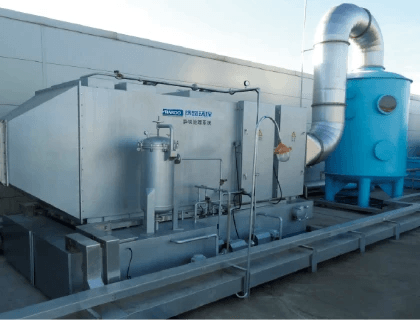
Maintaining and optimizing your industrial filtration systems is crucial for ensuring their longevity and efficiency. Regular upkeep not only helps in preventing costly downtimes but also enhances the quality of the output, whether it’s air or water filtration. By following some best practices, you can keep your filter systems running smoothly and effectively.
Best Practices for Regular Maintenance
To ensure your industrial filter system operates at peak performance, establish a routine maintenance schedule that includes regular inspections and cleaning. Check for any signs of wear or damage in components, as neglecting these can lead to significant issues down the line. Additionally, monitor pressure drops across the filtration system; a sudden increase may indicate that filters are clogged and need replacement.
Incorporating advanced monitoring technologies can further streamline maintenance efforts by providing real-time data on filter performance. This proactive approach allows you to address potential problems before they escalate into major failures. Moreover, keeping detailed records of maintenance activities will help in identifying patterns that may require adjustments in your maintenance strategy.
Lastly, don’t overlook the importance of training staff on proper handling techniques for household filter systems as well as industrial ones. Educated personnel are more likely to spot inconsistencies early on, which translates to better overall system health.
Signs Your Filter System Needs Attention
Recognizing when your industrial water filtration system requires attention is key to maintaining its effectiveness. One glaring sign is a noticeable drop in flow rate; if water isn’t moving through the system as efficiently as before, it might be time to check those filters! Additionally, an unusual increase in energy consumption can signal that your filter system is working harder than it should due to blockages or inefficiencies.
Another red flag is discolored or foul-smelling output—whether it's air or water—indicating that contaminants may be escaping through compromised filters. If you notice any leaks around connections or seals, this could also suggest that your filter system needs immediate servicing or replacement parts. Paying attention to these signs will save you from facing larger issues later on.
Lastly, if you're consistently replacing filters more frequently than expected based on manufacturer guidelines for both household filter systems and industrial applications, it could indicate underlying problems with either the quality of incoming materials or operational conditions needing adjustment.
Upgrading to Enhance Performance
When considering upgrades for your industrial filtration systems, focus on technology advancements that improve efficiency while reducing operational costs over time. Newer models often come equipped with features like automated cleaning cycles and real-time monitoring capabilities designed specifically for industrial water filtration processes. Investing in such innovations ensures you stay ahead of regulatory standards while enhancing overall productivity.
Additionally, consider integrating multi-stage filtration processes into existing setups; this approach not only improves contaminant removal rates but also extends the lifespan of each individual component within the filtering process itself. It’s all about maximizing performance without compromising quality!
Finally, don’t forget about sustainability when planning upgrades—selecting eco-friendly materials and energy-efficient designs contributes positively not just to performance but also aligns with broader environmental goals many industries are striving towards today.
Conclusion
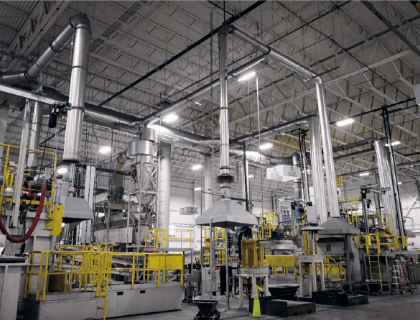
In the ever-evolving landscape of industry, the future of filtration systems looks brighter than ever. As businesses strive for efficiency and sustainability, industrial filtration systems are becoming more sophisticated and integral to operations. With advancements in technology, we can expect enhanced water filtration solutions that not only improve product quality but also reduce environmental impact.
The Future of Filtration in Industries
The future of industrial filter systems lies in their ability to adapt and innovate alongside industry demands. Emerging technologies such as smart sensors and AI-driven analytics are set to revolutionize how we approach water filtration and monitoring processes. As industries increasingly recognize the importance of clean water in production, the focus on robust industrial water filtration will only intensify.
NAROO's Commitment to Sustainable Solutions
NAROO is at the forefront of promoting sustainable solutions through its advanced filtration system offerings. By prioritizing eco-friendly materials and energy-efficient designs, NAROO ensures that their industrial filtration systems not only meet current needs but also safeguard our planet for future generations. Their dedication to creating effective filter systems that minimize waste while maximizing performance sets them apart in a competitive market.
Final Thoughts on Industrial Filtration Systems
In conclusion, investing in high-quality industrial filtration systems is essential for any business looking to thrive in today’s environment-conscious world. From household filter systems to large-scale industrial applications, effective water filtration plays a crucial role in ensuring safety and efficiency across various sectors. Embracing innovative solutions from companies like NAROO can lead to significant improvements in both operational success and environmental stewardship.