

Introduction
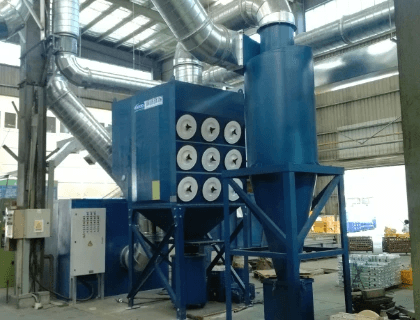
In the world of manufacturing, dust can be more than just a nuisance; it can pose serious health risks and operational challenges. That's where dust control systems come into play, offering reliable solutions that not only enhance safety but also improve efficiency. By exploring industrial filter collectors and their functionalities, we can better understand how to maintain a clean and safe working environment.
Understanding Dust Control Systems
Dust control systems are designed to capture and filter airborne particles generated during various manufacturing processes. These systems are essential for maintaining air quality and ensuring compliance with health regulations. Whether it's through an industrial dust collector or an industrial air cleaner, these solutions play a crucial role in safeguarding both workers and equipment.
The Importance of Reliable Solutions
Reliable dust collection solutions are vital for any manufacturing operation aiming to boost productivity while minimizing hazards. An effective dust collection system reduces the risk of respiratory issues among employees and prevents equipment damage caused by excessive dust buildup. Investing in the best air cleaner for dust not only enhances safety but also contributes to overall operational efficiency.
Exploring Industrial Filter Collectors
Industrial filter collectors are specialized devices that efficiently remove particulate matter from the air in various industrial settings. From woodworking dust collectors to general-purpose industrial dust collection systems, these devices vary in design and function but share a common goal: keeping workspaces clean and safe. By understanding the different types of industrial air cleaners available, businesses can make informed decisions that align with their specific needs.
What Are Industrial Dust Collectors?

Industrial dust collectors are essential components in the manufacturing dust collection process, designed to improve air quality and maintain a safe working environment. These systems efficiently capture and filter out harmful airborne particles generated during various industrial processes, ensuring that both employees and equipment remain protected from dust-related hazards. By utilizing advanced filtration technologies, industrial dust collectors play a vital role in promoting compliance with health regulations while enhancing operational efficiency.
Definition and Functionality
At their core, industrial dust collectors are specialized systems engineered to remove particulate matter from the air in industrial settings. They function by drawing contaminated air through a series of filters or collection devices that separate dust particles from the air stream. The cleaned air is then released back into the environment, significantly reducing airborne pollutants and creating a healthier workspace for employees.
These systems can be tailored to meet specific needs based on the type of industry or the nature of the materials being processed. For example, woodworking dust collectors are specifically designed to handle wood shavings and fine particles generated during cutting or sanding operations. Their functionality extends beyond mere filtration; they also contribute to overall system efficiency by preventing dust buildup that could lead to equipment malfunctions or safety hazards.
Types of Industrial Air Cleaners
When it comes to choosing an industrial air cleaner for effective manufacturing dust collection, there are several types available on the market today. Some common types include baghouse collectors, cartridge collectors, cyclone separators, and electrostatic precipitators. Each type has its own unique advantages depending on factors such as particle size, volume of airflow required, and specific application needs.
Baghouse collectors utilize fabric filters to trap large volumes of fine particles while allowing clean air to pass through—a popular choice for industries with high levels of particulate emissions. Cartridge collectors offer similar benefits but use replaceable filter cartridges that can handle smaller particles more efficiently—ideal for environments where space is limited or where frequent maintenance is needed. Cyclone separators rely on centrifugal force to separate larger particles from the airflow without needing complex filtration systems—making them suitable for coarse material handling.
Benefits of Effective Dust Collection
Investing in an efficient industrial dust collection system yields numerous benefits that extend far beyond just cleaner air quality in manufacturing facilities. Firstly, these systems enhance worker safety by minimizing exposure to harmful particulates that can cause respiratory issues or other health complications over time—creating a more productive workforce overall. Additionally, effective dust collection helps maintain equipment longevity by preventing excessive wear caused by abrasive materials circulating within machinery.
Moreover, implementing a reliable wood dust collector not only complies with regulatory standards but also improves overall operational efficiency by reducing downtime associated with cleaning and maintenance tasks related to accumulated debris around workstations or machinery areas. As industries evolve towards greener practices and sustainable solutions become increasingly important, investing in high-quality industrial air cleaners positions companies at the forefront of innovation while ensuring they meet environmental responsibilities head-on.
The Science Behind Dust Collection Systems

Understanding the mechanics of dust collection systems is essential for any operation aiming to maintain a clean and safe working environment. These systems are designed to capture and filter harmful dust particles generated during various industrial processes, ensuring compliance with health regulations. By implementing an effective manufacturing dust collection strategy, businesses can enhance air quality and protect employee health.
How Dust Collection Works
At its core, a dust collection system operates by drawing in contaminated air through a series of ducts connected to industrial machinery. This airflow transports dust and particulates into the collector, where they are separated from the clean air using various filtration methods. The result is a cleaner workspace that not only boosts productivity but also reduces the risk of respiratory issues among workers.
In practical terms, an industrial dust collector typically employs suction mechanisms to create negative pressure within the system, effectively pulling in airborne particles. Once inside, these particles encounter filters that trap them while allowing purified air to be released back into the environment. This cycle is crucial for maintaining optimal performance in any manufacturing setting, particularly where woodworking dust collectors are employed.
Filtration Technologies Explained
Filtration technologies play a pivotal role in determining the effectiveness of an industrial air cleaner. Common types include bag filters, cartridge filters, and electrostatic precipitators—each with unique advantages tailored to specific applications. For example, bag filters are highly effective at capturing larger wood particles often produced by woodworking operations.
Cartridge filters offer high filtration efficiency while minimizing space requirements, making them ideal for facilities with limited room for equipment installation. On the other hand, electrostatic precipitators utilize charged plates to attract and capture even finer particles from the air stream—providing an excellent solution for industries requiring stringent cleanliness standards in their manufacturing dust collection processes.
Understanding these technologies allows businesses to select the best air cleaner for dust based on their specific needs and operational requirements—ensuring that they invest wisely in an industrial dust collection system that meets both efficiency and safety standards.
Key Features of Top Systems
When evaluating different options for an industrial dust collector, several key features should be taken into consideration to ensure optimal performance and reliability. First off is airflow capacity; a system should be capable of handling peak production demands without compromising suction power or filtration effectiveness during heavy use periods.
Another important feature is ease of maintenance; top-tier systems often come equipped with self-cleaning capabilities or easy-access components that simplify routine checks and repairs—keeping downtime to a minimum while maximizing productivity levels across operations involving woodworking dust collectors or other types of industrial applications.
Finally, consider energy efficiency; modern designs prioritize low energy consumption without sacrificing performance levels—a critical factor given rising energy costs across many sectors today. By focusing on these key features when selecting an industrial air cleaner or overall manufacturing dust collection solution, businesses can ensure they make informed choices that lead to long-term success.
Choosing the Best Air Cleaner for Dust

Selecting the right air cleaner for dust is crucial for maintaining a clean and safe working environment in any manufacturing facility. With various options available, it can be overwhelming to navigate through the choices. However, understanding key factors and comparing different models can lead you to the best air cleaner for dust that suits your specific needs.
Factors to Consider in Selection
When choosing an industrial dust collector, several factors come into play that can significantly affect performance and efficiency. First, consider the type of dust generated by your operations; whether it's fine wood particles from woodworking or heavier debris from manufacturing processes, each requires a tailored approach. Additionally, evaluate the airflow requirements of your space; a well-designed manufacturing dust collection system should effectively match airflow rates with filter capabilities to ensure optimal performance.
Another important consideration is the size and layout of your workspace; larger areas may require multiple units or a centralized industrial air cleaner system for comprehensive coverage. Don't forget about maintenance needs—some systems are easier to clean and maintain than others, which can save time and reduce downtime in production. Lastly, factor in noise levels as well; quieter models can enhance employee comfort without sacrificing efficiency.
Comparing Woodworking Dust Collectors
Woodworking dust collectors come in various shapes and sizes, each designed with specific functionalities to tackle wood particles effectively. When comparing models, look at their filtration efficiency—HEPA filters are often ideal for capturing fine dust while ensuring compliance with safety standards in industrial settings. Furthermore, consider features like variable speed controls and automatic filter cleaning systems that enhance usability and prolong the lifespan of your equipment.
Another critical aspect is mobility; some woodworking dust collectors are portable while others are stationary units integrated into existing setups. Assessing how easily you can move or reposition these machines will help determine their practicality within your workshop environment. Ultimately, a thorough comparison will reveal which woodworking dust collector offers the best balance between performance and convenience tailored to your operations.
NAROO's Innovative Solutions
NAROO stands out in the realm of industrial air cleaners with its cutting-edge solutions designed specifically for manufacturing dust collection needs. Their range includes advanced systems equipped with smart technology that optimizes airflow based on real-time data from sensors monitoring particulate levels throughout your facility. This not only enhances operational efficiency but also minimizes energy consumption—a win-win situation!
Moreover, NAROO’s commitment to user-friendly designs means that their industrial dust collection systems are easy to install and maintain without requiring extensive technical expertise. Many of their products also feature modular designs allowing businesses to expand their systems as needed without significant overhauls or additional investments upfront—perfectly aligning with growth strategies in dynamic industries like woodworking or general manufacturing.
In summary, selecting the best air cleaner for dust involves careful consideration of various factors including type of operation, workspace layout, maintenance requirements, and technological advancements offered by brands like NAROO.
Maintenance for Optimal Performance

Maintaining your industrial dust collector is crucial for ensuring optimal performance and longevity. Regular upkeep not only enhances the efficiency of your dust collection system but also promotes a safer working environment. By investing time in maintenance, you can avoid costly downtime and keep your operations running smoothly.
Regular Checks and Cleaning
To keep your industrial air cleaner performing at its best, regular checks and cleaning are essential. This involves inspecting filters, checking for clogs, and ensuring that all components are functioning properly. For woodworking dust collectors, it's particularly important to clean out wood shavings and debris that can accumulate over time; neglecting this can lead to reduced suction power and increased wear on the system.
Moreover, implementing a routine cleaning schedule helps in identifying potential issues before they escalate into major problems. Make it a habit to check the dust collection system weekly or monthly depending on usage levels. Remember, a well-maintained dust collector is not just about compliance; it’s about boosting overall manufacturing efficiency.
Troubleshooting Common Issues
Even with regular maintenance, issues may arise with your industrial dust collection system from time to time. Common problems include reduced airflow, unusual noises, or visible leaks in ductwork that could compromise performance. When troubleshooting these issues, start by checking the filters; clogged or damaged filters are often the culprits behind diminished suction power.
If airflow remains insufficient after replacing or cleaning filters, inspect the ductwork for blockages or leaks that might be affecting efficiency. Don't forget to assess any electrical components as well; sometimes a simple reset of the system can resolve unexpected shutdowns or malfunctions in your best air cleaner for dust setup.
Ensuring Longevity of Dust Collectors
To ensure the longevity of your industrial dust collectors, consider investing in high-quality components from reputable brands known for their reliability in manufacturing dust collection solutions. Additionally, proper installation plays a key role—make sure that all parts are correctly fitted to minimize wear over time due to vibrations or misalignments during operation.
Another tip is to monitor operating conditions closely; extreme temperatures or humidity levels can affect both performance and lifespan of an industrial air cleaner significantly. Lastly, keeping detailed maintenance logs will help you track patterns over time and identify when certain parts may need replacement before they fail completely—saving you both money and hassle down the line.
Implementing an Industrial Dust Collection System

Implementing an industrial dust collection system is a critical step for any facility aiming to enhance air quality and ensure compliance with safety regulations. The process involves careful planning, integration with existing operations, and selecting the right equipment from reputable brands. This section will guide you through these essential aspects of establishing a reliable manufacturing dust collection solution.
Planning for Installation
Planning for the installation of an industrial dust collector requires thorough assessments of your facility's layout and dust generation sources. Begin by identifying areas where dust is most prevalent, as this will inform the placement of your dust collection system. Additionally, consider the type of materials being processed; woodworking dust collectors may require different specifications compared to those designed for metalworking or other industries.
Once you've pinpointed key locations, you'll need to calculate airflow requirements to ensure optimal performance from your industrial air cleaner. This involves understanding how much cubic feet per minute (CFM) your system needs to handle based on machinery output and workspace size. Proper planning not only ensures effective filtration but also helps in minimizing energy consumption, making your manufacturing dust collection system more efficient.
Finally, don't overlook compliance with local regulations regarding emissions and workplace safety standards during the planning phase. Ensuring that your installation meets these requirements can save you headaches down the line and contribute to a safer work environment.
Integrating with Existing Operations
Integrating a new dust collection system into existing operations can be as challenging as it is rewarding. Start by assessing how your current workflow interacts with potential installation sites for the industrial dust collector; this may involve rerouting some processes or machinery to accommodate new ductwork or equipment placement. A seamless integration will minimize disruption while maximizing efficiency in managing wood dust or other particulate matter.
Collaboration with both engineering teams and operators is crucial during this phase; their insights can help identify potential bottlenecks or areas where additional adjustments might be necessary. Moreover, training staff on how to utilize the new industrial air cleaner effectively ensures that everyone understands its importance in maintaining air quality and workplace safety.
To facilitate smooth operation post-installation, it's wise to schedule regular maintenance checks right from the start. Establishing a routine will help address any issues early on, ensuring that your woodworking dust collector performs optimally while keeping downtime at bay.
Major Brands and Their Offerings
When it comes to selecting an industrial dust collection solution, partnering with reputable brands can make all the difference in achieving effective results. Companies like Donaldson Torit, Shop-Vac, and Grizzly offer various models tailored specifically for diverse applications—from woodworking shops needing robust wood dust collectors to manufacturing plants requiring high-capacity systems for heavy-duty use.
Each brand presents unique features; some models boast advanced filtration technologies that capture even the finest particles while others focus on energy efficiency—an essential factor when considering long-term operational costs within your manufacturing environment. Researching their product lines allows you to compare options effectively so you can find what best suits your specific needs as well as budget constraints.
Ultimately, investing in a reliable industrial dust collection system from a trusted brand not only enhances workplace safety but also boosts overall productivity by ensuring clean air circulation throughout operations—an undeniable win-win situation!
Conclusion

In the ever-evolving landscape of manufacturing, effective dust control is paramount. An industrial dust collection system not only enhances safety but also ensures compliance with stringent regulations. By investing in reliable solutions like woodworking dust collectors and industrial air cleaners, companies can protect their workforce and maintain a clean working environment.
Enhanced Safety and Compliance
Safety in the workplace is non-negotiable, especially in industries where dust accumulation poses serious health risks. Implementing a robust dust collection system significantly reduces airborne particles, thus creating a healthier atmosphere for employees. Moreover, adhering to safety regulations through effective manufacturing dust collection helps avoid costly fines and enhances your company's reputation.
Boosting Manufacturing Efficiency
A well-designed industrial dust collector can dramatically improve operational efficiency. By minimizing downtime caused by equipment malfunctions or cleaning interruptions, businesses can focus on productivity rather than maintenance issues. Additionally, an efficient wood dust collector not only captures harmful particles but also optimizes airflow, leading to smoother operations and increased output.
Future Trends in Dust Control Technology
As technology advances, so does the potential for innovative solutions in manufacturing dust collection systems. Emerging trends include smart filtration technologies that leverage IoT capabilities for real-time monitoring and management of air quality. The best air cleaner for dust will likely incorporate these advancements to provide even more efficient performance while reducing energy consumption.