

Industrial saw dust collection systems have to control two different problems at once: visible chips and fine airborne wood dust. Chips are obvious near the machine. Fine dust can travel, settle on overhead surfaces, enter breathing zones, and create housekeeping or fire concerns. A collector at the end of the duct cannot fix poor capture at the saw.
For industrial buyers, the best starting point is the cutting process: blade speed, material, guard design, feed rate, enclosure, duct branch, and operator movement. NAROO's industrial dust collection products can support saw dust projects when the system is planned from source capture through final filtration and discharge.
Wood Dust Is Generated Fast
Saws, routers, sanders, and shapers throw dust and chips at high velocity. If the hood is too far away or the duct branch lacks transport velocity, material can escape before the system has a chance. OSHA's woodworking guidance highlights local exhaust ventilation and regular maintenance of ducts and dust collectors as key controls for wood dust.
Capture should be integrated with guards where possible. The goal is not to pull air randomly from the room; it is to intercept dust close to the blade and keep the air moving toward the collection system.
Collector Choice Depends on Dust Load
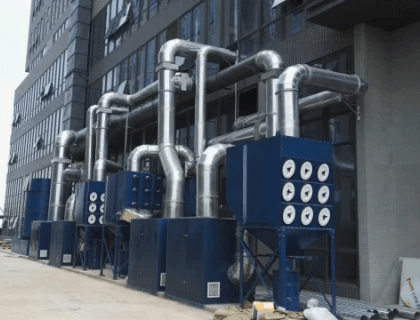
Fine dry saw dust may be handled by cartridge or bag filtration depending on loading, plant size, and operating schedule. For heavier wood dust and chip streams, a bag collector or pre-separation stage may reduce stress on final filters. NAROO's bag dust collector is a natural reference when the article focuses on heavy dust and fabric filtration.
When larger chips or coarse particles dominate, NAROO's cyclone dust collector category is relevant because pre-separation can reduce downstream filter loading and support more stable operation.
Fire and Explosion Risk Cannot Be an Afterthought
Fine wood dust is combustible. Dust accumulation, ignition sources, and poor cleanup practices can create serious risk. OSHA's woodworking eTool warns against using compressed air to blow down accumulated dust because it can create a hazardous dust cloud. It also emphasizes continuous local exhaust ventilation and suitable collectors for woodworking machines.
NAROO content should avoid promising compliance from a product mention alone. The right language is process-specific: dust characterization, collector location, ignition-source control, housekeeping, and applicable safety review all belong in the project brief.
When Cartridge Collectors Fit
Some saw dust systems may use cartridge filtration where fine dust and compact layout are the main concerns. NAROO's cartridge dust collector page is relevant when discussing fine-particle capture, pulse-jet cleaning, and airflow resistance planning. However, cartridge media should not be treated as a universal answer for every woodworking stream, especially when coarse chips, high loading, or spark concerns are present.
Maintenance Makes or Breaks the System
Industrial saw dust collection systems need routine inspection. Ducts can plug, belts can slip, dampers can move, bags or cartridges can load, and discharge points can bridge. Maintenance teams should record pressure drop, fan condition, filter age, cleanup findings, and visible dust escape around machines.
NAROO's other applications context is useful for mixed industrial plants where woodworking or composite cutting is one part of a broader dust-control program. The company profile can support supplier evaluation when design, production, and installation coordination matter.
Map Every Saw and Branch Line
Before selecting a collector, map every saw, sander, router, planer, shaper, and cleanup point connected to the system. A woodworking plant often grows over time, with new machines added to old ductwork. What began as a balanced system may become overloaded after extra branches are installed. The result can be weak capture at the farthest machine, dust settling in horizontal duct runs, or high loading at the collector during peak operation.
The map should include machine type, hood size, branch diameter, duct length, blast gate position, expected simultaneous use, and whether the machine produces mostly chips, fine dust, or both. This gives the supplier enough information to estimate air volume and pressure loss realistically. It also helps the plant decide whether all machines should run through one central collector or whether some operations need separate capture zones.
A good map also reveals bad habits. Operators may close or open gates based on convenience rather than airflow needs. Maintenance teams may leave inspection doors loose. Production changes may create more fine dust than the original system was designed to handle. These details can explain poor performance before the plant spends money on a larger collector.
Transport Velocity and Duct Cleanliness
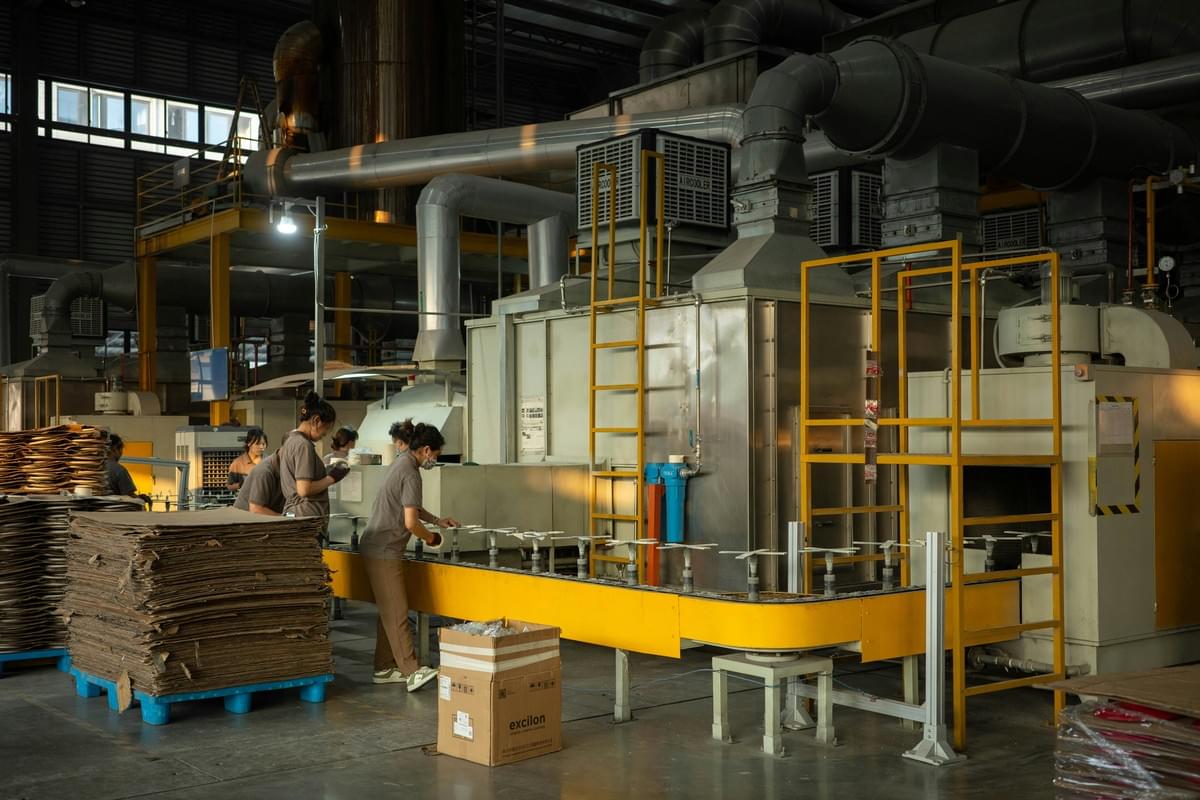
Saw dust collection depends on keeping material suspended until it reaches the collector. If transport velocity is too low, dust and chips settle in the duct. Settled material reduces duct area, increases pressure loss, creates maintenance hazards, and can become a fuel source. If velocity is too high, the system may waste energy, increase noise, and accelerate wear at elbows or impact points.
Plants should inspect ducts for settled dust, especially at long horizontal runs, elbows, transitions, and branches with intermittent airflow. A pressure reading at the collector may not reveal a developing duct blockage until capture falls noticeably. Routine inspection ports and cleanout access can save hours of troubleshooting.
For systems with heavy chip loading, cyclone pre-separation can reduce the amount of material reaching final filters. For systems with fine dust that bypasses chip collection, final filtration and filter cleaning become more important. NAROO's cyclone and bag collector categories help frame this two-stage logic without treating every woodworking stream as the same.
Dust Discharge and Storage Need Planning
Collected saw dust still has to leave the system. Hoppers, drums, bags, rotary valves, screw conveyors, or bins must be sized and maintained so captured material does not back up into the collector. A full bin can cause bridging, re-entrainment, or unplanned shutdown. A poorly sealed discharge point can leak dust back into the room.
Discharge planning should consider shift length, production surges, dust bulk density, housekeeping method, waste handling, and safe access. If operators must stop production frequently to empty containers, they may delay the task until performance drops. If dust handling is messy, the collection system simply moves the housekeeping problem from the saw to the collector.
Wood dust projects should also include a plan for inspecting hidden accumulation. Fine dust on overhead beams, rafters, light fixtures, and cable trays can be missed during floor-level cleanup. Source capture reduces this burden, but it does not eliminate the need for disciplined housekeeping and periodic inspection.
What to Include in a Supplier Brief
A useful brief for industrial saw dust collection systems should include machine list, material type, simultaneous operating schedule, hood photos, duct sketch, current collector type, visible dust problems, pressure readings, discharge method, and cleanup practices. If the plant has had duct plugging, filter fires, frequent filter changes, or dust accumulation in elevated areas, those symptoms should be stated plainly.
The supplier should also know whether the project is a replacement, expansion, or new installation. Replacement projects often have hidden constraints: old duct routes, limited ceiling height, production that cannot stop, or collectors installed where maintenance access is poor. Expansion projects may need future capacity planned without creating low-velocity branches today.
NAROO's system-level positioning is strongest when the conversation includes the whole route from saw hood to collector discharge. A collector chosen without duct, hood, and housekeeping context may look correct on paper but disappoint in the plant.
Centralized Collection or Dedicated Machine Zones
A woodworking facility does not always need one large central system. Centralized industrial saw dust collection systems can simplify waste handling and keep major equipment in one service area, but they require careful branch balancing and disciplined gate management. If too many machines open at once, capture can weaken at the source. If too few branches are active, some duct sections may fall below transport velocity.
Dedicated machine or cell-level collection can make sense for isolated saws, intermittent operations, retrofit projects, or areas where a central duct route would be too long. The tradeoff is that the plant may have more filters, bins, motors, and inspection points to maintain. Neither layout is automatically better. The correct choice depends on production rhythm, floor space, future expansion, dust load, and who will own maintenance.
During planning, teams should model normal operation and worst-case operation separately. A system that works during a demonstration may struggle during peak cutting, cleanup, or shift change. Saw dust is produced in bursts, and those bursts should be reflected in hood design, duct sizing, collector capacity, and discharge planning.
Training should match the layout. Operators need to know which gates should be open, which machines can run together, and what visible dust escape means. Maintenance teams need cleanout points, pressure records, and a schedule for checking hidden accumulation before it becomes a larger problem. Supervisors should also review these habits after layout changes or seasonal production shifts.
Conclusion
An industrial saw dust collection system succeeds when it captures dust at the blade, transports it without settling, filters it with the right collector type, and removes collected material safely. The collector matters, but the hood, duct, discharge, maintenance routine, and fire-risk review matter just as much. Plants that document machine changes and dust symptoms can correct small capture problems before they spread through the whole woodworking area and protect daily production stability.