

Introduction

In our ever-evolving world, the quality of the air we breathe has never been more crucial. Poor air quality can lead to serious health issues and environmental concerns, making effective dust collection systems a necessity in various industries. Enter the dust collector cyclone—a hero in the battle against airborne particles that ensures cleaner air and safer work environments.
The Importance of Air Quality
Air quality plays a pivotal role in our health and well-being, affecting everything from respiratory issues to overall productivity. Industries that produce dust and particulate matter must prioritize effective dust management to protect workers and comply with regulations. A reliable dust collection system not only improves air quality but also enhances operational efficiency, leading to long-term benefits for businesses.
What is a Dust Collector Cyclone?
A dust collector cyclone is a specialized device designed to separate larger particles from airflow using centrifugal force. Unlike traditional bag filters that rely on fabric media, cyclone separators utilize their unique shape and design to create a spinning vortex, effectively capturing dust before it can escape into the atmosphere. This innovative technology makes the cyclone dust collector an excellent choice for industries ranging from woodworking to pharmaceuticals.
How Cyclone Systems Work
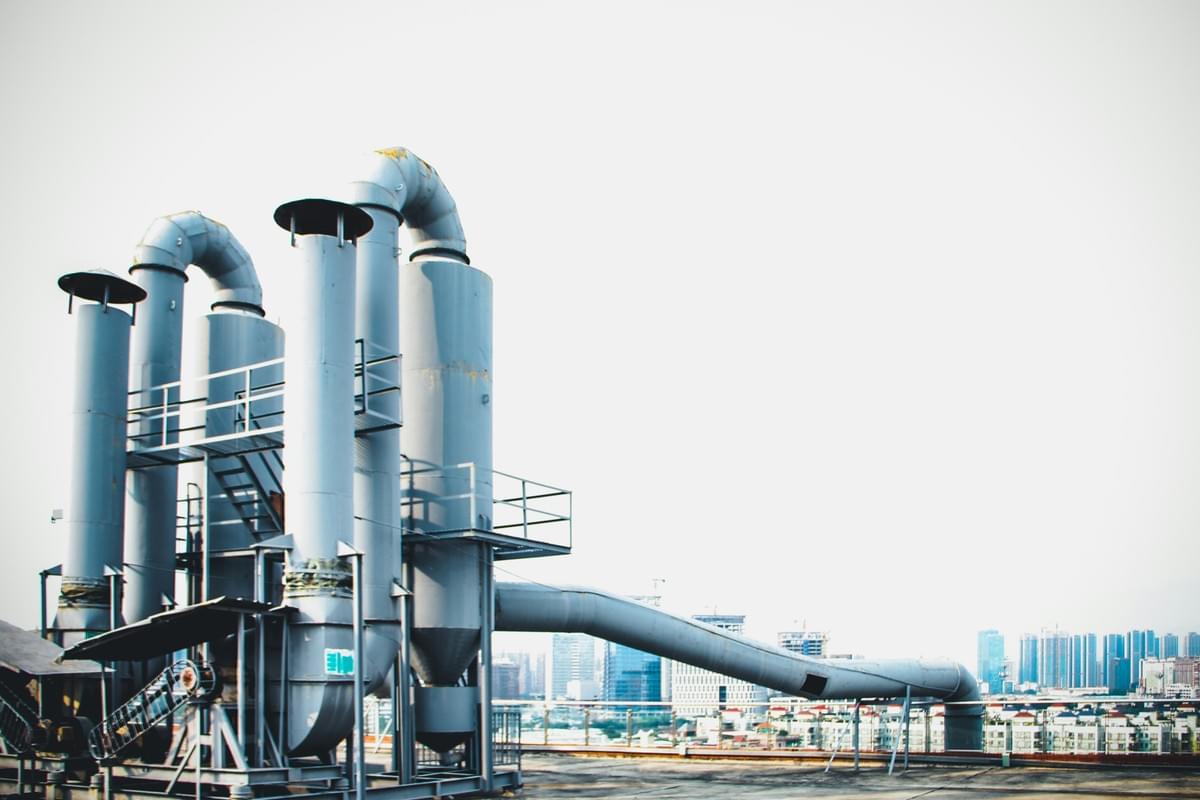
Cyclone systems operate on a simple yet effective principle: as dusty air enters the cyclone separator, it is forced into a spiral motion due to its conical shape. This motion generates centrifugal force that propels heavier particles outward toward the walls of the separator while allowing cleaner air to rise through an outlet at the top. The captured debris then falls into a collection chamber or container—often referred to as a dust deputy—where it can be safely disposed of or recycled.
Understanding Dust Collector Cyclones
When it comes to maintaining a clean and safe working environment, understanding dust collector cyclones is crucial. These systems are designed to efficiently remove dust and particulate matter from the air, which is essential for various industries. By harnessing the principles of cyclone separation, these devices not only improve air quality but also enhance operational efficiency.
Key Components of a Cyclone Separator
A typical cyclone separator consists of several key components that work in harmony to facilitate effective dust collection. The main body, often conical or cylindrical, directs the airflow into a vortex motion, allowing heavier particles to be separated from the lighter ones. Additionally, features like inlet ducts and outlet hoppers play vital roles in guiding airflow and collecting dust efficiently, making the entire system a robust choice for any dust collection system.
Moreover, the design of a dust collector cyclone includes elements such as an airlock valve for controlled discharge and sometimes even a pre-separator for larger particles. These components contribute significantly to optimizing performance and ensuring that your collector dust remains minimal during operation. Understanding these parts helps in selecting the right cyclone dust collector tailored to specific needs.
Benefits of Using Cyclone Dust Collectors
One of the standout benefits of using cyclone dust collectors lies in their efficiency at handling large volumes of airborne particulates without requiring extensive maintenance. Unlike bag filters that can clog over time, cyclone separators maintain consistent airflow due to their unique design that promotes centrifugal force for particle separation. This means less downtime and more productivity—an absolute win-win for any industry focused on cleanliness.
Another advantage is their versatility; cyclone separators can handle various types of materials—from wood chips to metal shavings—making them suitable for multiple applications across different sectors. They also tend to be cost-effective in terms of both initial investment and long-term operational costs compared to other systems like bag filters or fabric collectors. By choosing a reliable dust collector cyclone system, businesses can invest in sustainable practices while reaping substantial economic benefits.
Popular Applications in Various Industries
Cyclone dust collectors find their niche across numerous industries due to their adaptability and effectiveness at managing airborne contaminants. In woodworking shops, they excel at capturing sawdust particles while ensuring machinery operates smoothly without interruptions caused by clogged filters. Similarly, metalworking facilities benefit from these systems by effectively removing metal shavings that can pose safety hazards if left unchecked.
The food processing industry also utilizes cyclone separators as part of its stringent hygiene standards; they help maintain clean air quality while collecting flour or grain particles efficiently during production processes. Other sectors such as pharmaceuticals and chemical manufacturing rely on these systems too since they effectively manage hazardous materials without compromising worker safety or product integrity. Clearly, investing in a well-designed dust collection system like a cyclone separator pays dividends across diverse applications.
NAROO’s Innovative Solutions

When it comes to dust collection systems, NAROO stands out with its innovative approach to enhancing air quality and operational efficiency. Their dust collector cyclone technology is designed to capture even the finest particles, ensuring a cleaner environment for various industries. With advanced engineering and a commitment to sustainability, NAROO is revolutionizing how we think about dust management.
Advanced Features of NAROO Systems
NAROO’s dust collector cyclone systems are packed with advanced features that set them apart from traditional collector dust solutions. One standout element is their high-efficiency cyclone separator design, which maximizes airflow while minimizing energy consumption. Additionally, these systems often incorporate smart sensors that monitor performance in real-time, allowing for immediate adjustments and optimal efficiency.
Another impressive feature is the modular design of NAROO's cyclone dust collectors, which allows for easy scalability according to specific industrial needs. Whether you're dealing with wood shavings in a carpentry shop or fine powders in a pharmaceutical facility, these systems can be tailored to fit any application seamlessly. Moreover, the robust construction ensures durability and longevity—qualities that every business should prioritize when investing in a reliable dust collection system.
Case Studies in Effective Dust Collection
NAROO has successfully implemented its innovative dust collection solutions across various sectors, demonstrating their effectiveness through compelling case studies. For instance, one notable project involved a woodworking facility struggling with excessive sawdust accumulation; after installing a NAROO cyclone separator system, the company reported a significant reduction in airborne particles and improved worker health. This transformation not only enhanced air quality but also increased productivity as employees could focus on their tasks without distraction from excessive dust.
Another case study highlights the use of NAROO's dust deputy technology in an industrial manufacturing plant where fine metal shavings posed serious operational challenges. The integration of this advanced cyclone dust collector led to an impressive 90% reduction in waste material and improved overall equipment efficiency—a win-win for both the environment and the bottom line! These success stories underscore how investing in effective collector dust solutions can yield substantial benefits across diverse industries.
Commitment to Quality and Efficiency
NAROO’s dedication to quality and efficiency is evident at every stage of their product development process; they prioritize rigorous testing and adherence to industry standards for all their cyclone separators. Each component undergoes meticulous scrutiny before it becomes part of a complete system—ensuring that customers receive only top-tier products designed for peak performance over time. Furthermore, NAROO actively seeks feedback from users to refine their offerings continuously.
Their commitment extends beyond just product quality; it encompasses customer service as well! From initial consultation through installation and ongoing support, NAROO ensures clients feel confident about their investment in a reliable dust collection system tailored specifically for their needs. With such unwavering dedication to excellence, it's no wonder that businesses turn to NAROO when seeking effective solutions for managing airborne pollutants.
Choosing the Right Dust Collection System

Selecting the appropriate dust collection system is a critical decision that can significantly impact both operational efficiency and air quality. With various options available, understanding their functions and benefits is essential. A well-chosen dust collector cyclone or bag filter can lead to improved performance and reduced environmental impact.
Factors to Consider When Selecting Equipment
When choosing a dust collection system, several factors come into play, including the type of material being collected, the volume of dust generated, and the specific application requirements. The efficiency of a cyclone separator versus a bag filter can vary based on these factors; for instance, cyclone dust collectors excel in handling larger particles while bag filters are better suited for fine dust. Additionally, consider the installation space available and maintenance requirements to ensure long-term functionality of your chosen collector dust system.
Another important aspect is energy consumption; an efficient dust collector can save significant costs over time. Evaluate noise levels as well—some systems operate quietly while others may require soundproofing measures. Finally, factor in compliance with local regulations regarding air quality standards to avoid potential fines or penalties.
Comparing Bag Filters and Cyclone Separators
Bag filters are known for their ability to capture fine particulate matter effectively; however, they require regular maintenance due to clogging issues that can diminish performance over time. On the other hand, a cyclone separator offers a more robust solution by utilizing centrifugal force to separate larger particles from the airflow without needing extensive upkeep. While both systems have their merits, choosing between them often depends on your specific operational needs.
Cyclone dust collectors are particularly advantageous in environments where large volumes of coarse materials are processed since they offer high efficiency with lower maintenance costs compared to bag filters. However, if your operation generates fine particulates that need meticulous filtration for compliance purposes, investing in high-quality bag filters may be necessary despite higher upkeep demands. Ultimately, weighing these pros and cons will help you make an informed choice tailored to your business needs.
Integration with Existing Systems
Integrating a new dust collection system into existing operations requires careful planning and consideration of compatibility with current equipment setups. Whether opting for a cyclone separator or another type of collector dust solution, assess how it will work alongside existing machinery without causing disruptions or inefficiencies in workflow. This might involve considering ductwork modifications or additional support structures needed for installation.
Furthermore, ensure that your chosen system complements any pre-existing environmental controls you have in place—this could include air purification systems or ventilation solutions designed to enhance overall air quality within your facility. Collaboration with engineers or industry specialists during this phase can streamline integration processes and maximize operational effectiveness.
In conclusion, selecting the right dust collection system involves evaluating multiple factors including equipment functionality and compatibility with existing infrastructure while keeping future scalability in mind as well as maintenance demands.
Maintenance Tips for Optimal Performance
Maintaining your dust collection system is crucial to ensure it operates at peak efficiency. A well-maintained dust collector cyclone not only improves air quality but also extends the lifespan of your equipment. By following a few simple maintenance tips, you can keep your cyclone separator running smoothly and effectively.
Regular Check-ups for Collector Dust Systems
Regular check-ups are essential for any dust collection system, especially for a dust collector cyclone. Schedule routine inspections to examine filters, hoses, and connections for wear and tear; this will help you catch potential issues before they escalate into costly repairs. Additionally, monitoring the performance of your cyclone dust collector ensures that it continues to operate at optimal levels, preventing any buildup of debris that could hinder airflow.
During these check-ups, clean or replace bag filters as necessary, ensuring that your system maintains its efficiency in capturing fine particles. A well-functioning collector dust system can significantly reduce downtime and improve productivity in your workspace. Remember: an ounce of prevention is worth a pound of cure when it comes to maintaining your dust collection equipment.
Troubleshooting Common Issues
Even with regular maintenance, issues may still arise with your cyclone separator or other components of the dust collection system. Common problems include reduced suction power, increased noise levels, or visible leaks in the ductwork that could compromise performance. If you notice any irregularities in how your dust collector operates, it's time to investigate further.
Start by checking the bag filter; if it's clogged or damaged, it may be time for a replacement or cleaning session to restore airflow efficiency. Additionally, inspect all connections and joints within the system for signs of wear or damage that could lead to air leaks—these can severely impact the effectiveness of your cyclone dust collector. Addressing these common issues promptly will help maintain optimal performance and prolong the life of your equipment.
Best Practices for Longevity
To ensure the longevity of your dust collection system and its components like bag filters and cyclone separators, adopt best practices tailored specifically for these machines. First and foremost, always follow manufacturer guidelines regarding operation limits; overworking a unit can lead to premature failure or inefficiencies in collecting dust particles.
Another key practice is keeping surrounding areas clean; debris accumulation around the unit can obstruct airflow and create additional strain on motors or fans within the system itself. Finally, consider investing in accessories like a Dust Deputy that helps separate larger particles before they reach the main filtration unit—this reduces strain on both bag filters and cyclones while enhancing overall efficiency.
The Future of Dust Collection Technology

The landscape of dust collection technology is undergoing a transformation, driven by the pressing need for improved air quality and environmental sustainability. As industries evolve, so do their approaches to managing airborne particles, leading to innovative solutions like the dust collector cyclone. These advancements not only enhance efficiency but also align with global trends toward greener practices.
Trends in Environmental Protection
Environmental protection is becoming a top priority across various sectors, prompting a shift towards more efficient dust collection systems. With stricter regulations on emissions and a growing awareness of health impacts from poor air quality, industries are increasingly adopting cyclone separators and other advanced collector dust technologies. This trend is evident in the rising popularity of the cyclone dust collector, which effectively captures particulate matter while minimizing energy consumption.
Moreover, companies are recognizing that investing in high-quality dust collectors can lead to significant long-term savings and compliance with environmental standards. The integration of eco-friendly materials into manufacturing processes further underscores this commitment to sustainability. As we embrace these trends, it’s clear that effective dust management plays a crucial role in protecting both workers and the environment.
The Role of Automation in Dust Collection
Automation is revolutionizing how businesses manage their dust collection systems, including those utilizing bag filters and cyclone separators. By incorporating smart technology into operations, companies can monitor performance metrics in real-time and optimize their collector dust systems accordingly. This shift not only enhances efficiency but also reduces manual labor costs associated with maintenance and operation.
Dust deputy systems equipped with automation features can automatically adjust airflow based on real-time data about particle levels in the air or equipment performance. This intelligent approach ensures that any potential issues are addressed promptly before they escalate into costly problems or downtime. As automation continues to advance within this field, we can expect even greater improvements in air quality management.
How NAROO is Shaping the Future
NAROO stands at the forefront of innovation within the dust collection industry by continuously developing cutting-edge solutions such as advanced cyclone dust collectors tailored for various applications. Their commitment to quality ensures that each system not only meets but exceeds industry standards for efficiency and effectiveness—essentially redefining what users expect from their collector dust technology. Case studies showcasing NAROO's impact illustrate how these systems have transformed workplaces by significantly improving air quality while maintaining operational excellence.
As NAROO embraces emerging technologies like IoT integration and AI-driven analytics, they are paving the way for smarter and more sustainable approaches to managing airborne particulate matter across multiple industries. Their forward-thinking strategies reflect an understanding that effective dust management is not just about compliance; it's about fostering healthier work environments for employees everywhere. With NAROO leading the charge, we can anticipate exciting developments that will continue shaping our understanding of effective dust collection technologies.
Conclusion
In the ever-evolving landscape of industrial operations, the dust collector cyclone emerges as a champion of efficiency and effectiveness. By harnessing the power of centrifugal force, these innovative systems streamline dust collection processes while minimizing energy consumption. As industries strive for cleaner environments, investing in a reliable dust collection system becomes paramount.
Enhancing Efficiency Through Cyclone Systems
Cyclone separators are designed to optimize air flow and enhance performance in dust collection systems. Unlike traditional bag filters, cyclone dust collectors utilize a unique design that allows for high-volume air processing without significant pressure drops. This means that facilities can enjoy improved operational efficiency while effectively managing airborne particulates.
Moreover, the versatility of a dust collector cyclone makes it suitable for various applications across multiple sectors such as woodworking, metalworking, and food processing. By integrating these systems into existing setups, businesses can experience seamless transitions and enhanced productivity levels. Ultimately, investing in cyclone technology not only boosts efficiency but also positions companies ahead in their respective industries.
Long-Term Benefits of Quality Dust Collection
Quality dust collection is not just about immediate results; it’s about long-term sustainability and compliance with environmental regulations. A well-designed collector dust system significantly reduces health hazards associated with airborne contaminants, ensuring safer working conditions for employees over time. Moreover, effective dust management minimizes equipment wear and tear—extending machinery lifespan and reducing maintenance costs.
The investment in reliable solutions like cyclone separators pays dividends through increased operational uptime and reduced risk of costly interruptions caused by equipment failure or regulatory fines. Organizations that prioritize quality in their dust collection strategies often find themselves reaping benefits far beyond mere compliance—they cultivate a culture of safety and responsibility within their workforce.
Investing in Sustainable Practices with NAROO
NAROO stands at the forefront of sustainable practices with its advanced cyclone dust collector solutions designed to meet modern industrial challenges head-on. Their commitment to innovation ensures that each system not only captures particulate matter effectively but also promotes energy efficiency throughout its operation—making them an ideal choice for environmentally-conscious enterprises.
By choosing NAROO's cutting-edge technology like the Dust Deputy integrated into their systems, businesses can further enhance their sustainability efforts while maintaining high standards of cleanliness and safety. Investing in such solutions demonstrates a proactive approach toward environmental stewardship—an essential aspect for companies looking to thrive amidst increasing ecological scrutiny.
In conclusion, embracing advanced technologies like the dust collector cyclone is crucial for enhancing operational efficiencies while ensuring compliance with health standards and environmental regulations alike. The long-term benefits associated with quality dust collection systems are undeniable; they foster safer workplaces and promote sustainable practices that resonate well with both employees and consumers alike.