

Introduction
Understanding OSHA dust regulations is crucial for ensuring that work environments are not only productive but also safe for all employees. These regulations serve as a framework designed to protect workers from the harmful effects of dust exposure, making them an essential component of occupational health standards.
Understanding OSHA Dust Regulations
OSHA dust regulations encompass a variety of guidelines aimed at minimizing worker exposure to hazardous dust particles in the workplace. These regulations define permissible exposure limits and outline best practices for monitoring and controlling dust levels effectively. By understanding these standards, employers can create safer work environments and avoid questions like Is excessive dust an OSHA violation? which can have serious implications for both health and legal compliance.
Importance of Dust Control in Workplaces
Effective dust control is vital not just for compliance with OSHA standards but also for the overall well-being of employees. Excessive dust can lead to respiratory issues, decreased productivity, and even catastrophic accidents in certain industries where combustible dust is present. Thus, knowing how to manage these risks—like understanding What is the OSHA level for total dust?—is essential for maintaining a healthy workplace.
Overview of Occupational Health Standards
Occupational health standards are designed to protect workers from various hazards they may encounter on the job, including airborne contaminants like silica and combustible dust. These standards set forth specific limits on exposure levels while providing guidelines on monitoring methods and control measures. Familiarity with questions such as What is the OSHA limit for silica dust? helps employers ensure compliance while fostering a culture of safety within their organizations.
What are OSHA Dust Regulations?
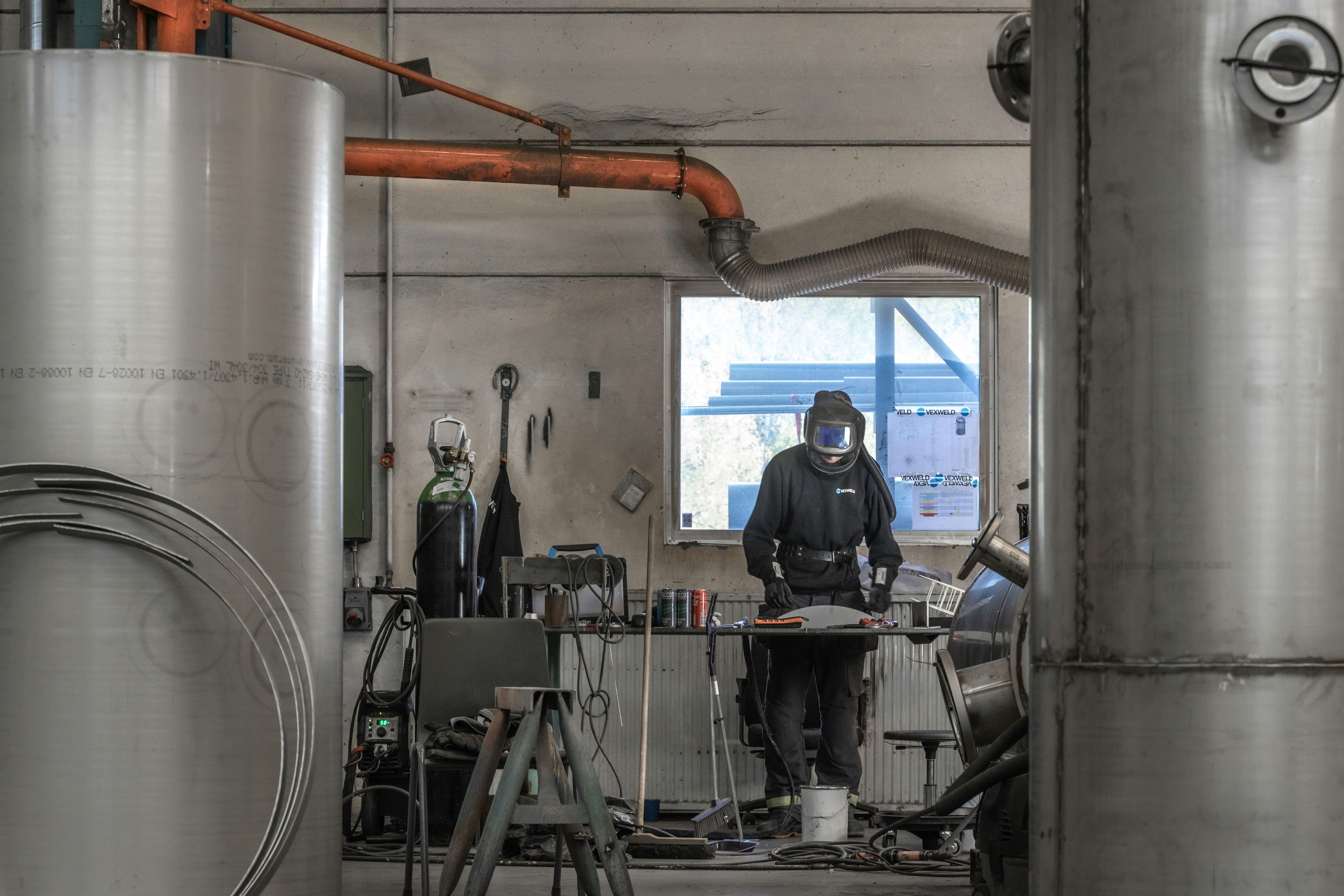
OSHA dust regulations are a set of standards established by the Occupational Safety and Health Administration to ensure safe working environments regarding dust exposure. These regulations aim to protect workers from the harmful effects of various types of dust, including silica and combustible dust. Understanding these regulations is crucial for employers and employees alike to maintain compliance and promote health in the workplace.
The Basics of OSHA Standards
At its core, OSHA standards provide guidelines for acceptable levels of exposure to hazardous materials, including dust. These regulations outline permissible exposure limits (PELs) that employers must adhere to in order to protect their workforce from excessive dust exposure, which can lead to serious health issues. Employers who fail to comply with these OSHA dust regulations may face penalties, making it essential for businesses to stay informed about their responsibilities.
Key Definitions Related to Dust Exposure
To navigate OSHA dust regulations effectively, it's important to understand key definitions related to dust exposure. Terms such as total dust, respirable dust, and combustible dust are frequently encountered in these discussions. Each definition plays a significant role in determining what constitutes an unsafe environment, guiding employers on how best to manage risks associated with excessive dust.
Importance in Protecting Worker Health
The importance of adhering to OSHA's standards cannot be overstated when it comes to protecting worker health. Excessive exposure can lead not only to immediate discomfort but also long-term health issues such as respiratory diseases or even fatal conditions like silicosis or lung cancer due to silica dust exposure. By understanding and implementing effective measures based on OSHA guidelines, companies can create safer workplaces that prioritize employee well-being while avoiding questions like “Is excessive dust an OSHA violation?”
Is Excessive Dust an OSHA Violation?
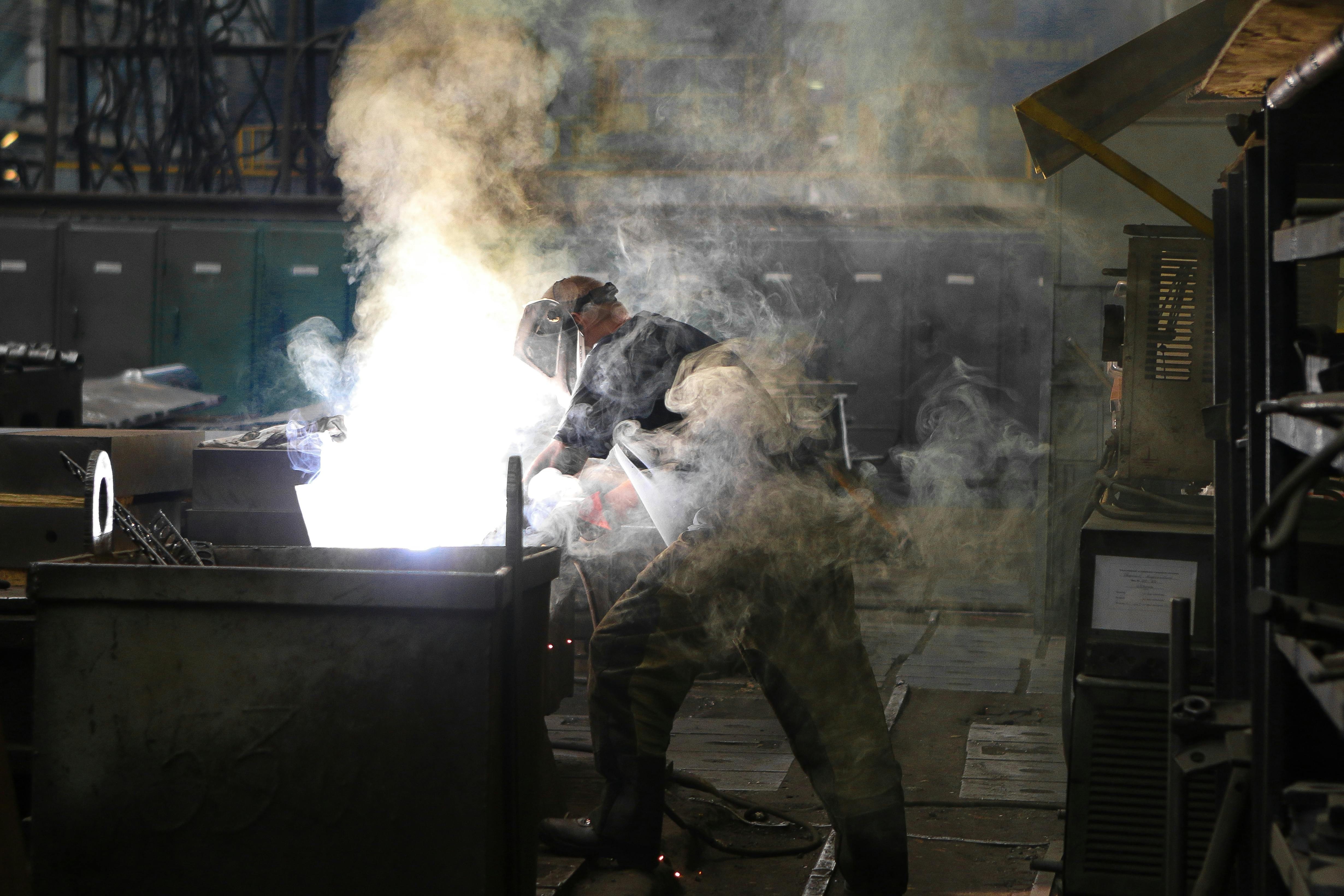
Excessive dust in the workplace raises significant concerns regarding compliance with OSHA dust regulations. Understanding whether excessive dust constitutes an OSHA violation is crucial for maintaining a safe working environment. Employers must be vigilant about monitoring dust levels to ensure they do not exceed permissible limits, thereby protecting their workforce and avoiding potential legal repercussions.
Recognizing OSHA Violations
Recognizing OSHA violations related to excessive dust involves understanding the specific standards set forth by the organization. The key indicators of a violation include failing to adhere to established exposure limits and not implementing adequate dust control measures. Employers should regularly assess their operations against these standards to determine if they are in compliance or if excessive dust could be categorized as an OSHA violation.
Case Studies of Dust-Related Violations
There are several notable case studies that illustrate the consequences of failing to control excessive dust levels in workplaces. For example, a manufacturing facility was cited for non-compliance after inspections revealed silica dust levels significantly above what is considered safe under current regulations. Another case involved a food processing plant where combustible dust accumulation led not only to citations but also serious accidents, highlighting the importance of adhering to guidelines like Is there an OSHA standard for combustible dust?
Consequences of Non-Compliance
The consequences of non-compliance with OSHA's regulations regarding excessive dust can be severe, ranging from hefty fines to increased scrutiny from regulatory bodies. Companies may face legal action or even shutdowns if found repeatedly violating safety standards, particularly those related to silica exposure—what is the OSHA limit for silica dust? Furthermore, beyond financial repercussions, there are moral implications; neglecting worker safety can lead to health issues and decreased employee morale.
What is the OSHA Level for Total Dust?

Dust in the workplace isn't just a nuisance; it can also pose serious health risks if not properly managed. Understanding what the OSHA level for total dust is essential for maintaining a safe working environment. By adhering to OSHA dust regulations, employers can protect their workers from potential hazards associated with excessive dust exposure.
Understanding Dust Measurement Standards
These standards are designed to quantify airborne particulate matter and ensure that workplaces remain within safe operational thresholds. Familiarizing oneself with these measurement standards is crucial for any organization aiming to comply with OSHA regulations and avoid situations where excessive dust may be deemed an OSHA violation.
The Role of Total Dust in Workplace Safety
Total dust encompasses all airborne particles, which can include everything from dirt and allergens to harmful substances like silica or combustible materials. Monitoring total dust levels plays a vital role in workplace safety, as high concentrations can lead to respiratory issues and other health complications among workers. Ensuring that total dust levels remain within permissible limits directly correlates with compliance with OSHA dust regulations and helps mitigate the risk of violations related to excessive dust.
How to Monitor Dust Levels Effectively
Effectively monitoring total dust levels requires a combination of sampling techniques and equipment tailored for specific work environments. Regular air quality assessments should be conducted using appropriate measuring devices that align with OSHA guidelines, ensuring accurate readings of airborne particulates. By implementing consistent monitoring practices, organizations not only comply with regulations but also foster a culture of safety that prioritizes worker health—an essential aspect when considering whether excessive dust constitutes an OSHA violation.
Is There an OSHA Standard for Combustible Dust?

What Makes Dust Combustible?
Dust becomes combustible when it consists of fine particles that can ignite and cause explosions under certain conditions. Common materials that create combustible dust include wood, metal, plastic, and food products. The size and concentration of the particles play a crucial role in determining their combustibility; smaller particles are generally more hazardous because they can ignite more easily and burn rapidly.
Current OSHA Guidelines for Combustible Dust
While there isn't a specific standard solely dedicated to combustible dust, OSHA addresses it through various general industry standards and guidelines. Employers must comply with existing regulations concerning fire hazards and ensure that their work environments are safe from potential explosions caused by excessive dust accumulation. This means conducting regular assessments of dust levels and implementing appropriate control measures as part of broader safety protocols.
Best Practices for Managing Combustible Dust Risks
Managing combustible dust risks requires a proactive approach that includes regular monitoring and maintenance practices. Employers should implement effective housekeeping measures, such as routine cleaning schedules to prevent dust buildup in work areas—especially in corners or hard-to-reach spots where accumulation is likely. Additionally, training employees on recognizing the signs of excessive dust can help mitigate risks before they escalate into severe violations related to OSHA standards.
What is the OSHA Limit for Silica Dust?

Silica dust is a significant concern in various industries, particularly those involving construction and manufacturing. Understanding the OSHA limit for silica dust is essential for ensuring workplace safety and compliance with OSHA dust regulations. This section dives into health risks, permissible exposure limits, and effective control methods to mitigate silica dust hazards.
Health Risks Associated with Silica Dust
Silica dust poses serious health risks to workers exposed over time, leading to conditions such as silicosis, lung cancer, and other respiratory diseases. Inhalation of fine silica particles can cause inflammation and scarring of lung tissue, severely impairing lung function. The importance of adhering to OSHA dust regulations cannot be overstated when it comes to protecting worker health from these dangerous effects.
Workers in industries like mining, construction, and masonry are particularly vulnerable to excessive silica exposure. Recognizing that excessive dust can lead to an OSHA violation emphasizes the need for stringent monitoring and control measures in workplaces where silica is prevalent. By understanding the health risks associated with silica dust, employers can better appreciate the necessity of compliance with OSHA standards.
OSHA's Permissible Exposure Limits
OSHA has established permissible exposure limits (PELs) specifically for respirable crystalline silica at 50 micrograms per cubic meter of air (µg/m³) over an 8-hour workday. This limit reflects a commitment to reducing occupational illnesses related to silica exposure while promoting safe work environments. Organizations must implement effective strategies to ensure they remain within these limits; otherwise, they risk facing penalties for violating OSHA dust regulations.
The PELs set by OSHA serve as a critical benchmark for employers striving to create safer workplaces free from excessive dust hazards. Regular monitoring of air quality helps identify potential violations before they escalate into serious health issues or legal consequences under Is excessive dust an OSHA violation? Employers should take these limits seriously as part of their duty of care towards their employees.
Effective Dust Control Methods for Silica
To effectively manage risks associated with silica dust, employers must adopt comprehensive control measures tailored to their specific operations. Some effective methods include using water sprays or misting systems during cutting or grinding processes that generate airborne particles; this not only suppresses the release of harmful dust but also improves visibility on job sites. Additionally, implementing proper ventilation systems can significantly reduce airborne concentrations while ensuring compliance with What is the OSHA level for total dust? guidelines.
Employers should also invest in personal protective equipment (PPE), such as respirators designed specifically for filtering out fine particulate matter like silica dust; this adds an extra layer of protection against inhalation hazards while working in high-risk environments. Training workers on best practices related to handling materials containing silica will further reinforce adherence to both safety protocols and relevant OSHA standards regarding hazardous substances like combustible materials—addressing concerns about Is there an OSHA standard for combustible dust?
In summary, maintaining awareness about What is the OSHA limit for silica dust? along with implementing proactive measures ensures not only regulatory compliance but also fosters a culture prioritizing worker health and safety across various industries dealing with hazardous materials.
Conclusion
As we wrap up our exploration of OSHA dust regulations, it’s crucial to remember the key elements that govern workplace safety concerning dust exposure. Understanding the complexities of what constitutes excessive dust and recognizing whether it falls under an OSHA violation is paramount for employers and employees alike. Additionally, knowing the specific OSHA levels for total dust, combustible dust standards, and silica limits can significantly enhance workplace safety protocols.
Key Takeaways on OSHA Dust Regulations
OSHA dust regulations serve as a framework designed to protect workers from harmful exposure to various types of dust, including silica and combustible materials. Recognizing that excessive dust can indeed be an OSHA violation allows organizations to take proactive measures in maintaining safe environments. Moreover, understanding what constitutes acceptable levels—such as the established OSHA level for total dust—can help businesses avoid costly penalties while ensuring employee health.
Importance of Compliance for Safety
Compliance with OSHA regulations is not just about avoiding fines; it's fundamentally about safeguarding worker health and wellbeing. Non-compliance regarding issues like excessive dust can lead not only to legal repercussions but also to serious health risks among employees exposed to hazardous environments. By adhering strictly to these guidelines—including those addressing combustible dust and silica limits—companies foster a culture of safety that benefits everyone involved.
Innovative Solutions by NAROO for Dust Control
In the quest for effective solutions to manage workplace dust, NAROO offers innovative products designed specifically with OSHA dust regulations in mind. From advanced filtration systems that monitor what is the OSHA limit for silica dust to tools aimed at controlling combustible dust risks, NAROO provides practical options tailored for various industries. By integrating these solutions into daily operations, businesses can ensure compliance while enhancing overall air quality and worker safety.