

Introduction

In our increasingly crowded and cluttered spaces, the importance of air filtration cannot be overstated. Dust and particulate matter are not just nuisances; they can significantly impact our health and well-being. A robust dust collection filter is essential for maintaining clean air, ensuring that both residential and commercial environments remain safe and pleasant.
Understanding the Importance of Air Filtration
Air filtration plays a crucial role in safeguarding indoor air quality, particularly in environments where dust and allergens thrive. Poor air quality can lead to respiratory issues, allergies, and other health concerns—making effective air filters indispensable. By investing in a high-quality dust collector or HEPA dust extractor, you can dramatically improve the atmosphere in your workspace or home.
The Role of Dust Collection Filters
Dust collection filters are designed to capture airborne particles before they circulate through your living or working space. These filters work tirelessly behind the scenes to ensure that harmful pollutants are trapped, allowing only clean air to flow through your environment. Whether you're using a simple collector dust setup or an advanced HEPA filter dust extractor, these systems are vital for maintaining optimal hygiene levels.
Why Choose a HEPA Dust Extractor
HEPA filters are renowned for their ability to capture 99.97% of particles down to 0.3 microns in size—making them exceptionally effective against fine particulate matter that standard filters might miss. Choosing a HEPA filter dust extractor not only enhances your indoor environment but also ensures compliance with stringent safety standards.
What is a Dust Collection Filter?
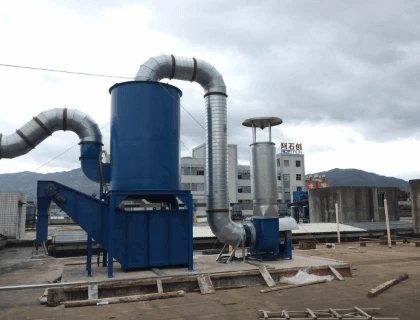
Dust collection filters are essential components in maintaining clean air quality, especially in environments where dust and particulate matter are prevalent. These filters work by trapping particles as air passes through them, ensuring that harmful dust doesn't circulate back into your workspace. Understanding their definition and functionality is crucial for anyone looking to improve their air filtration systems.
Definition and Functionality
A dust collection filter is a specialized air filter designed to capture and contain airborne particles generated during various industrial processes or home renovations. Its primary functionality lies in improving indoor air quality by preventing dust from being released back into the environment. By utilizing a collector dust system, these filters contribute significantly to creating a healthier workspace, making them indispensable for industries that produce fine particulate matter.
Key Components of a Dust Collector
A typical dust collector consists of several key components that work together to ensure efficient air filtration. The main parts include the fan or blower, which creates airflow; the dust collection filter itself, which captures particles; and the collection bin or bag where the filtered debris is stored. Additionally, many modern systems incorporate HEPA filters for enhanced efficiency, particularly when using a HEPA dust extractor to trap even the smallest particles.
Types of Dust Collection Filters
There are various types of dust collection filters available on the market today, each designed for specific applications and levels of filtration efficiency. Common types include cartridge filters, baghouse filters, and cyclone separators—each offering unique advantages depending on your needs. Among these options, HEPA filter dust extractors stand out due to their ability to capture 99.97% of particles measuring 0.3 microns or larger, making them ideal for environments requiring stringent air quality standards.
The Benefits of a HEPA Filter Dust Extractor

These advanced dust collection filters are designed to significantly enhance air filtration, providing superior air quality that benefits both your health and productivity. With the ability to capture even the tiniest particles, a HEPA dust extractor stands out as an essential tool for any workspace.
Superior Air Quality Improvement
One of the most compelling advantages of using a HEPA filter dust extractor is its remarkable ability to improve indoor air quality. By effectively trapping airborne pollutants such as dust, pollen, and pet dander, these air filters create a cleaner atmosphere that promotes better respiratory health. In environments where fine particulate matter is prevalent, such as workshops or construction sites, utilizing a high-quality collector dust system can dramatically reduce allergens and irritants.
Moreover, superior air quality translates into increased comfort and focus for individuals working in affected spaces. With fewer airborne contaminants swirling around, employees are less likely to experience fatigue or discomfort caused by poor air conditions. Ultimately, investing in an efficient dust collector with HEPA capabilities can lead to enhanced overall well-being and productivity.
Capturing Fine Particulate Matter
HEPA filters are renowned for their exceptional capability to capture fine particulate matter (PM), which includes particles smaller than 0.3 microns—think smoke, bacteria, and even some viruses! This level of filtration is crucial in various settings where maintaining cleanliness is paramount; whether you're woodworking or engaging in metalworking processes that generate hazardous dust particles. A reliable HEPA filter dust extractor ensures that these microscopic threats don’t linger in the air you breathe.
By removing such minute particles from circulation, these systems not only protect your lungs but also preserve equipment by preventing build-up on machinery surfaces. This means your tools will operate more efficiently over time without being compromised by harmful contaminants accumulating within them. Therefore, investing in an effective collector dust system with HEPA technology isn’t just about cleanliness; it’s about safeguarding both health and equipment longevity.
Compliance with Safety Standards
In today’s world of stringent safety regulations across various industries, having a compliant dust collection filter isn’t just recommended—it’s often required! Many workplaces must adhere to specific safety standards set forth by organizations like OSHA (Occupational Safety and Health Administration) regarding airborne contaminants exposure limits. A top-notch HEPA filter dust extractor meets these standards while providing peace of mind that you’re doing everything possible to protect your workforce from hazardous materials.
Additionally, compliance doesn’t merely reflect good practices; it also enhances your reputation as a responsible business owner committed to employee welfare. Customers appreciate companies dedicated to maintaining safe environments for their teams while adhering closely to regulatory guidelines surrounding health concerns related to air quality issues caused by excessive dust exposure. Thus investing in reliable collector dust solutions ensures not only compliance but also fosters trust among clients and partners alike.
Choosing the Right Dust Collector

Selecting the right dust collector can feel like finding a needle in a haystack, especially with so many options on the market. However, understanding your specific needs and how various dust collection filters operate can simplify this process significantly. Whether you're looking for an efficient HEPA dust extractor or a reliable collector dust system, making an informed choice is crucial to maintaining optimal air filtration in your workspace.
Factors to Consider Before Purchasing
Before diving into the world of dust collectors, consider factors such as the size of your workspace and the type of materials you work with. Different environments will have varying requirements; for instance, woodshops may need robust HEPA filter dust extractors to handle fine sawdust effectively. Additionally, look at airflow rates and filter efficiency—these are essential metrics that determine how well your chosen air filter will perform in keeping your air clean.
Another aspect to ponder is noise level; some collectors can be quite loud, which may disrupt a peaceful working environment. Portability is also worth considering if you need to move your equipment around frequently. Finally, don’t overlook warranty and customer support—these can save you headaches down the line if issues arise with your dust collection filter.
Comparing Different Brands and Models
Once you've established what you need from a dust collector, it's time to compare brands and models that fit those criteria. Major players in the industry often have unique features that set them apart; some might offer advanced filtration systems while others prioritize energy efficiency or compact design. Reading reviews and seeking recommendations from fellow professionals can provide insights into performance reliability and user satisfaction.
When comparing HEPA filter dust extractors specifically, pay attention to their filtration capabilities—some models capture particles as small as 0.3 microns! This level of filtration ensures that even the tiniest debris doesn't escape back into your workspace air. Make sure also to evaluate how easy it is to maintain each model; after all, regular upkeep is key for optimal performance of any collector dust system.
The Importance of Efficiency and Reliability
A high-efficiency HEPA dust extractor not only keeps harmful particles at bay but also reduces operational costs over time by using less power without sacrificing performance quality. Look for models that boast high CFM (cubic feet per minute) ratings combined with low decibel levels for an ideal balance between power and quiet operation.
Reliability goes hand-in-hand with efficiency—after all, what good is an efficient system if it breaks down frequently? Investing in a well-reviewed model from reputable manufacturers often pays off in terms of longevity and consistent performance of your air filter system over time. Remember: A dependable collector dust solution means fewer disruptions during work hours!
NAROO and Its Advanced Solutions
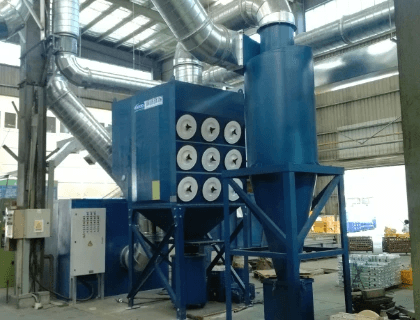
When it comes to dust collection filters, NAROO stands out with its innovative technology designed for optimal air filtration. Their systems are engineered to ensure that even the finest dust particles are captured efficiently, creating a cleaner and healthier workspace. With a commitment to quality, NAROO’s solutions cater to various industries that prioritize air quality and safety.
Overview of NAROO’s Technology
NAROO employs cutting-edge technology in their HEPA dust extractor systems, ensuring superior performance in dust collection. Their advanced filtration mechanisms utilize multi-layered HEPA filters that trap airborne particles as small as 0.3 microns, making them highly effective against fine particulate matter. This level of precision not only enhances air quality but also extends the lifespan of the collector dust system by reducing wear and tear on components.
Key Features of NAROO’s Systems
One of the standout features of NAROO's systems is their user-friendly design combined with high efficiency in dust extraction. The HEPA filter dust extractor models are equipped with smart sensors that monitor filter saturation levels, prompting timely maintenance alerts for users. Additionally, these systems boast quiet operation modes and compact designs, making them suitable for diverse environments without sacrificing performance or convenience.
Trust and Certifications in the Industry
NAROO has earned a reputation for reliability within the air filtration industry due to its adherence to stringent safety standards and certifications. Their products meet international guidelines for environmental health and safety, ensuring peace of mind for users who prioritize compliance in their operations. With numerous endorsements from industry experts, investing in a NAROO dust collection filter means choosing trusted technology backed by proven results.
Maintenance Tips for Optimal Performance
Maintaining your dust collection filter is crucial for ensuring optimal performance and longevity. Regular upkeep not only enhances air filtration but also keeps your workspace safe and comfortable. Here are some essential maintenance tips to keep your dust collector operating efficiently.
Regular Cleaning and Replacement Guidelines
To maximize the effectiveness of your HEPA dust extractor, establish a routine cleaning schedule based on usage frequency and the type of materials being collected. Typically, filters should be cleaned or replaced every few months, depending on how much dust they encounter; heavy usage may necessitate more frequent attention. Additionally, always refer to the manufacturer’s guidelines for specific recommendations regarding your particular dust collection filter.
Cleaning involves removing accumulated dust from the HEPA filter dust extractor using a vacuum or compressed air—just be sure not to damage the filter material in the process! If you notice reduced suction power or increased noise levels from your collector dust, it might be time for a replacement rather than just cleaning. Remember, a well-maintained air filter is key to sustaining superior air quality in your workspace.
Signs Your Dust Collection Filter Needs Attention
Being aware of warning signs that indicate your dust collection filter requires maintenance can save you time and money in the long run. Common indicators include decreased airflow through the system, unusual sounds coming from the equipment, or visible buildup of debris on the filters themselves. If you find that you're frequently emptying the collector dust container or experiencing excessive fine particles in the air, it’s definitely time to check that HEPA filter dust extractor.
Another sign is an increase in energy consumption; if your system seems to be working harder without producing better results, it might be struggling due to a clogged or damaged filter. Regular visual inspections can help catch these issues early before they escalate into larger problems that could compromise both safety and efficiency in air filtration.
DIY vs Professional Maintenance Choices
When it comes to maintaining your dust collection system, you have options: DIY maintenance can save money but requires knowledge and confidence with tools and equipment. Simple tasks like cleaning filters can often be handled yourself; however, more complex issues—like replacing internal components—might warrant professional assistance for optimal results with minimal risk of damage to your HEPA dust extractor.
On the other hand, hiring professionals ensures that all aspects of maintenance are handled expertly; they can spot potential issues that may go unnoticed during casual inspections at home. Ultimately, whether you choose DIY methods or professional services will depend on personal comfort levels as well as how much time you're willing to invest in keeping that essential air filtration system running smoothly.
Conclusion
In conclusion, the importance of air filtration in our daily environments cannot be overstated. A dust collection filter is essential for maintaining a clean and healthy workspace, ensuring that harmful particles are effectively captured and removed from the air we breathe. By investing in high-quality systems like a HEPA dust extractor, you can significantly enhance indoor air quality and promote overall well-being.
Enhancing Indoor Air Quality with Filters
Air filtration plays a crucial role in improving indoor air quality by reducing pollutants and allergens that can trigger health issues. Utilizing a dust collector equipped with HEPA filters ensures that even the tiniest particles are trapped, providing a safer environment for everyone. With advanced technology in dust collection filters, you can breathe easier knowing your air is cleaner and fresher.
Investing in Reliable Dust Extraction Solutions
When it comes to choosing an effective dust extraction solution, reliability is key. Investing in a HEPA filter dust extractor not only guarantees superior performance but also compliance with safety standards that protect both workers and equipment. Selecting the right collector dust system means fewer headaches down the line and a more productive workspace.
Taking Control of Your Workspace Dust Levels
Taking control of your workspace dust levels starts with understanding your needs and selecting an appropriate dust collector tailored to those requirements. Regular maintenance of your chosen air filter will ensure optimal performance over time, keeping those pesky particles at bay. Remember, managing dust doesn't just improve aesthetics; it enhances health, safety, and productivity tool.