

Introduction

In the bustling world of industrial operations, maintaining a clean and safe environment is paramount. One of the unsung heroes in this quest for cleanliness is the pulse jet dust collector, a sophisticated piece of equipment designed to efficiently remove airborne particles from various settings. Understanding how these systems work and their critical role in dust air filtration can significantly impact productivity and safety in any industrial facility.
Understanding Pulse Jet Dust Collectors
At the heart of effective dust management lies the pulse jet dust collector, which operates on a unique mechanism that ensures optimal performance. These collectors utilize high-pressure jets of air to dislodge accumulated dust from filter bags or cartridges, allowing for continuous operation without frequent downtime for maintenance. This innovative approach not only enhances efficiency but also extends the lifespan of the dust collector by minimizing wear and tear.
Importance of Dust Air Filtration
Dust air filtration is essential for protecting both workers and machinery from harmful particulates that can lead to health issues or equipment malfunctions. In industries such as manufacturing, woodworking, and food processing, effective filtration systems are vital to comply with safety regulations while maintaining operational efficiency. By employing a reliable jet dust collection system like a pulse jet dust collector, facilities can ensure cleaner air quality and create a safer working environment.
Overview of Industrial Dust Removal Systems
Industrial dust removal systems come in various forms, each tailored to meet specific needs across different sectors. Among these systems, pulse jet dust collectors stand out due to their robust design and adaptability to various applications—from heavy-duty manufacturing environments to delicate pharmaceutical processes. With an increasing focus on sustainability and energy efficiency, modern collector dust solutions are evolving rapidly to meet industry demands while ensuring compliance with environmental standards.
What is a Pulse Jet Dust Collector

A pulse jet dust collector is an essential component of modern industrial dust removal systems, designed to efficiently filter and eliminate airborne particulates. Utilizing a unique mechanism that employs bursts of compressed air, these collectors maintain optimal dust air filtration while ensuring minimal downtime for maintenance. By continuously cleaning the filter media, the pulse jet dust collector enhances operational efficiency and prolongs the life of the system.
Functionality and Mechanism
The functionality of a pulse jet dust collector hinges on its innovative design that integrates both filtration and cleaning processes in real-time. As dusty air enters the collector dust chamber, it passes through filter bags or cartridges that capture particulate matter while allowing clean air to escape. Once a predetermined level of resistance builds up in the filters, a burst of compressed air is released, dislodging accumulated dust and sending it into a collection hopper for disposal.
This clever mechanism ensures that the jet dust collection system operates at peak efficiency without constant manual intervention. The automated cleaning process not only reduces labor costs but also minimizes equipment wear and tear by preventing excessive buildup on filters. In essence, pulse jet technology transforms traditional dust management into a streamlined operation with enhanced performance.
Key Components Explained
Understanding the key components of a pulse jet dust collector can provide insights into its effectiveness as an industrial dust removal system. The primary elements include filter bags or cartridges, which are responsible for capturing particulate matter; a cleaning mechanism powered by compressed air; and an integrated control system that monitors pressure levels to initiate cleaning cycles when necessary.
Moreover, these collectors often feature hoppers for collected debris storage and discharge mechanisms to facilitate easy removal of waste material. The design may also include fans or blowers to ensure proper airflow throughout the system, maintaining optimal suction power during operation. Collectively, these components work harmoniously to create an efficient jet dust collection system capable of handling various industrial applications.
Benefits of Using Jet Dust Collectors
The benefits of using pulse jet dust collectors extend far beyond mere compliance with environmental regulations; they significantly enhance workplace safety and productivity as well. By effectively capturing harmful particulates from the air, these systems help reduce respiratory hazards for employees while creating cleaner working environments conducive to higher efficiency levels.
Additionally, modern pulse jet collectors are designed with energy efficiency in mind—many models utilize advanced automation technologies that optimize performance based on real-time data analytics. This not only lowers operational costs but also supports sustainability efforts within industries aiming to minimize their environmental footprint. Ultimately, investing in a reliable jet dust collection system translates into long-term savings and improved overall facility operations.
Types of Pulse Jet Dust Collectors
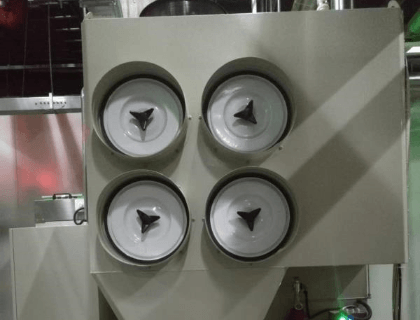
When it comes to industrial dust removal systems, understanding the different types of pulse jet dust collectors is crucial for selecting the right equipment for your needs. Each type offers unique features and benefits that cater to various applications, ensuring effective dust air filtration in diverse environments. Let's dive into the three primary types: baghouse collectors, cartridge collectors, and venturi collectors.
Baghouse Collectors
Baghouse collectors are a staple in the world of pulse jet dust collection systems. These robust units use fabric filter bags to capture airborne particles, making them ideal for high-volume applications where dust generation is significant. The pulse jet mechanism activates periodically, releasing bursts of compressed air that clean the filter bags, allowing for continuous operation without frequent manual maintenance.
In essence, baghouse collectors excel at handling a variety of dust types and sizes while maintaining a low-pressure drop across the filters. Their large surface area ensures efficient dust collector performance and longevity in demanding industrial settings. With their ability to accommodate significant airflow rates, baghouse systems are often found in manufacturing facilities and heavy industries where effective collector dust management is paramount.
Cartridge Collectors
Cartridge collectors are another popular choice within the realm of pulse jet dust collection systems. These compact units utilize cylindrical filter cartridges that provide high filtration efficiency while occupying less space compared to traditional baghouse models. Their design allows for easy replacement and maintenance, making them an attractive option for facilities with limited space or resources.
The versatility of cartridge collectors makes them suitable for various applications—from woodworking shops to metal fabrication environments—where fine particulate matter needs efficient removal. With advanced filtration technologies integrated into these systems, they ensure superior dust air filtration performance without compromising on airflow capacity or energy efficiency. Additionally, many modern cartridge units come equipped with automated cleaning mechanisms that enhance their usability and effectiveness as part of an industrial dust removal system.
Venturi Collectors
Venturi collectors represent a unique approach within pulse jet dust collection technology by leveraging fluid dynamics principles to separate particles from air streams effectively. These systems use a venturi tube design that creates a pressure drop as air flows through it, enabling efficient particle capture without relying solely on filter media like other collector types do. This innovative design allows venturi collectors to handle larger volumes of material while maintaining optimal airflow rates.
Ideal for applications involving bulk materials or abrasive substances, venturi collectors can be integral components in industries such as mining or cement production where traditional filters may wear out quickly due to harsh conditions. While they may not offer the same level of fine particulate filtration as baghouse or cartridge models, their operational efficiency makes them valuable assets in specific scenarios requiring robust industrial dust removal solutions. Ultimately, venturi technology showcases just one more way that jet dust collection systems continue evolving to meet diverse industry needs.
Applications of Jet Dust Collection Systems

Jet dust collection systems, particularly pulse jet dust collectors, play a vital role in various industries by ensuring clean air and efficient dust removal. These industrial dust removal systems are designed to handle the unique challenges presented by different environments, making them indispensable for maintaining air quality and operational efficiency. In this section, we will explore the applications of jet dust collection systems across several key sectors.
Manufacturing and Production Environments
In manufacturing and production environments, the need for effective dust air filtration is paramount. The pulse jet dust collector excels in these settings by efficiently capturing airborne particles generated during processes such as machining, assembly, and packaging. With its ability to maintain a clean work environment, a jet dust collector not only enhances worker safety but also improves equipment lifespan by preventing dust accumulation.
Moreover, these industrial dust removal systems can be customized to suit specific production needs, accommodating various materials and particulate sizes. By implementing a robust collector dust system tailored to their operations, manufacturers can significantly reduce downtime caused by maintenance or equipment malfunctions due to excessive dust buildup. Ultimately, investing in a reliable pulse jet dust collector translates into increased productivity and reduced operational costs.
Woodworking and Metal Fabrication
Woodworking shops and metal fabrication facilities generate substantial amounts of fine particles that pose risks to both health and machinery. A well-designed pulse jet dust collector is essential for managing this challenge effectively while ensuring compliance with safety regulations regarding airborne contaminants. The efficiency of these collectors makes them ideal for capturing wood shavings or metal filings before they disperse into the atmosphere.
In woodworking applications, the use of a jet dust collection system helps maintain cleaner workspaces while minimizing fire hazards associated with wood debris accumulation. Similarly, in metal fabrication environments, these collectors can prevent corrosion on machinery caused by metal particles settling on surfaces over time. By integrating advanced features into their collector dust systems—such as automated cleaning cycles—facilities can boost efficiency while reducing manual labor requirements.
Pharmaceutical and Food Processing Industries
The pharmaceutical and food processing industries require stringent adherence to cleanliness standards due to their sensitive nature involving health-related products or consumables. Pulse jet dust collectors are instrumental in ensuring that these facilities maintain optimal air quality through effective filtration methods that remove particulate matter from the environment without contaminating products or processes. This level of reliability is crucial for manufacturers aiming to meet regulatory compliance while producing high-quality goods.
In addition to enhancing product safety, utilizing an efficient industrial dust removal system like a pulse jet collector can help streamline operations within pharmaceutical plants or food processing units by minimizing downtime related to cleaning procedures or contamination incidents. Furthermore, modern designs often incorporate energy-efficient technologies that align with sustainability goals prevalent across many industries today—making them an attractive investment option for businesses looking toward future growth while prioritizing environmental responsibility.
Features of Modern Dust Collectors
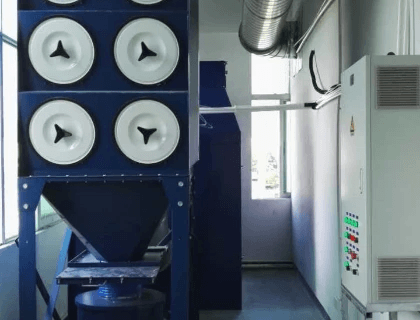
Modern dust collectors have evolved significantly, incorporating advanced features that enhance their efficiency and usability. Among these features, automation and control systems stand out as essential for optimizing performance in various industrial settings. Additionally, energy efficiency and sustainability are increasingly prioritized to align with contemporary environmental standards, making modern jet dust collection systems not only effective but also responsible. Finally, maintenance ease ensures that facilities can focus on productivity without getting bogged down by complicated upkeep routines.
Automation and Control Systems
Automation is revolutionizing the way pulse jet dust collectors operate within industrial environments. With smart control systems, these dust collectors can monitor air quality in real-time and adjust filtration cycles accordingly, ensuring optimal performance without constant manual intervention. This level of automation not only enhances the effectiveness of dust air filtration but also helps reduce operational costs by minimizing energy waste associated with unnecessary filter cleaning cycles.
Moreover, modern industrial dust removal systems often come equipped with user-friendly interfaces that allow operators to easily track performance metrics and receive alerts about potential issues before they escalate. By integrating sensors and IoT technology into the collector dust system, facilities can achieve a higher degree of efficiency while maintaining compliance with safety regulations. Ultimately, automated pulse jet dust collectors represent a significant leap forward in managing airborne contaminants in manufacturing environments.
Energy Efficiency and Sustainability
The push for energy efficiency has become a hallmark of modern jet dust collection systems, directly impacting both operational costs and environmental footprints. Advanced designs focus on optimizing airflow dynamics to ensure that the pulse jet dust collector operates at peak performance while consuming minimal energy resources. Features such as variable speed fans adjust airflow based on real-time data from the facility's needs, reducing unnecessary power consumption.
Sustainability is also at the forefront of innovations in collector dust technology; many manufacturers are utilizing eco-friendly materials for filter media that not only improve filtration rates but also contribute to reduced waste over time. By investing in energy-efficient solutions like these pulse jet dust collectors, companies can significantly lower their carbon footprint while enhancing their overall productivity levels in various applications—from woodworking to pharmaceutical processing.
Furthermore, adopting sustainable practices through efficient industrial dust removal systems aligns businesses with global sustainability goals—a win-win for both profitability and planet preservation! As industries continue to embrace greener technologies, it’s clear that modern jet dust collection is leading the charge toward a cleaner future.
Maintenance and Ease of Use
One significant advantage of contemporary pulse jet dust collectors is their design simplicity aimed at facilitating easy maintenance routines for users across different sectors. The layout often allows quick access to key components such as filters or cleaning mechanisms without requiring extensive disassembly—saving time during routine checks or repairs! This ease of use translates directly into minimized downtime for operations reliant on effective dust air filtration.
Additionally, many modern collector dust models incorporate self-cleaning capabilities which automate filter maintenance processes—further reducing labor costs associated with upkeep tasks! These advancements ensure consistent performance from your industrial dust removal system while allowing operators more freedom to focus on other critical aspects of production rather than spending hours maintaining equipment.
In summary, investing in a state-of-the-art pulse jet dust collector means less hassle when it comes to maintenance—making them an attractive option for any facility looking to optimize its operations efficiently!
Choosing the Right Dust Collector
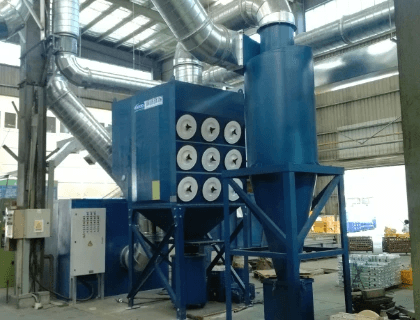
Selecting the right dust collector for your facility can feel like finding a needle in a haystack, but it doesn’t have to be that complicated. With various options available, understanding your specific needs is crucial to ensure optimal dust air filtration and efficiency in your industrial dust removal system. Let's dive into some key factors to consider that will help you make an informed decision.
Factors to Consider for Your Facility
When evaluating which pulse jet dust collector best fits your facility, start with the type of materials you'll be dealing with. Different industries generate distinct types of dust, whether it’s fine wood particles or heavy metal shavings; knowing this will guide you toward the appropriate collector dust technology. Additionally, consider the volume of airborne particles produced—higher volumes may require more robust jet dust collection systems capable of handling increased loads without compromising performance.
Another important factor is the layout and space available in your facility. A compact design might be essential if you are working in a tight area, while larger operations may benefit from more expansive setups that allow for greater airflow and filtration capacity. Lastly, don’t overlook compliance with local regulations regarding air quality and emissions; ensuring your chosen system meets these standards is crucial for avoiding costly fines down the line.
NAROO Solutions: Tailored Dust Collector Options
At NAROO Solutions, we understand that one size does not fit all when it comes to dust collectors. That’s why we offer tailored options designed specifically to meet the unique demands of various industries and applications within industrial settings. Our range includes advanced pulse jet dust collectors equipped with state-of-the-art features for seamless integration into any existing infrastructure.
Our team collaborates closely with clients to assess their specific requirements—whether it's optimizing energy efficiency or enhancing automation capabilities within their industrial dust removal systems. We pride ourselves on providing solutions that not only improve workplace safety through effective dust air filtration but also boost overall productivity by minimizing downtime caused by maintenance issues.
Case Studies of Successful Implementations
To illustrate how effective our pulse jet dust collectors can be, let’s look at a couple of successful implementations across different industries. In one case study involving a woodworking facility, we replaced their outdated collector dust system with our modern jet dust collection system, resulting in a 40% increase in filtration efficiency and significantly reduced maintenance costs over time. The client reported improved air quality and employee satisfaction as a direct consequence.
In another instance within a pharmaceutical manufacturing plant, our tailored solution allowed them to comply with stringent regulatory standards while maintaining operational efficiency during peak production times. The implementation of our advanced pulse jet technology not only enhanced their overall air quality but also contributed to significant energy savings thanks to its optimized design features.
Conclusion

In summary, pulse jet dust collectors are essential for maintaining clean air in industrial environments. Their efficient dust air filtration capabilities ensure that harmful particles are removed from the air, promoting a healthier workplace. With various types of collector dust systems available, these solutions cater to diverse industry needs.
Recap of Pulse Jet Dust Collector Benefits
The benefits of using a pulse jet dust collector are manifold. They provide superior dust control through effective filtration while minimizing downtime with their automated cleaning mechanisms. Additionally, these industrial dust removal systems enhance productivity by creating a safer and cleaner working environment, crucial for industries ranging from manufacturing to food processing.
Future Trends in Dust Collector Technology
As technology evolves, so too does the landscape of dust collection systems. Future trends indicate a shift towards more energy-efficient models that not only reduce operational costs but also promote sustainability within industries. Enhanced automation and smart technology integration will allow for real-time monitoring and maintenance alerts, ensuring optimal performance of jet dust collection systems.
Why NAROO is the Go-To for Dust Solutions
NAROO stands out as the premier choice for those seeking reliable dust collector solutions due to its commitment to quality and innovation. With tailored options that meet specific facility needs, NAROO’s expertise ensures you get the best performance from your pulse jet dust collector. Their proven track record in successful implementations solidifies their reputation as leaders in industrial dust removal systems.