

Introduction
In today's industrial landscape, the risks associated with combustible dust are often underestimated, yet they pose significant threats to safety and operations. Understanding these risks is crucial for organizations looking to protect their workforce and assets from potential fire hazards. The National Fire Protection Association standards (NFPA) provide essential guidelines that help mitigate these dangers effectively.
Understanding Combustible Dust Risks
Combustible dusts can be found in a variety of industries, from food processing to woodworking, and their presence can lead to catastrophic explosions if not properly managed. These fine particles ignite easily when suspended in air, creating a risk that can escalate quickly without adequate precautions in place. Recognizing the potential for NFPA fire incidents related to combustible dust is the first step toward implementing effective safety measures.
Importance of NFPA Standards
The NFPA standards serve as a critical framework for establishing safety protocols across industries dealing with combustible dust risks. Specifically, NFPA 660 outlines best practices for assessing and managing these hazards, ensuring compliance with national regulations while promoting workplace safety. By adhering to these standards, organizations can significantly reduce their vulnerability to fires and explosions linked to combustible dusts.
How NAROO Fits into Fire Safety
NAROO plays an integral role in enhancing fire safety by providing innovative solutions tailored to meet the challenges posed by combustible dust environments. Their commitment to aligning with NFPA standards ensures that businesses not only comply but also adopt proactive measures against potential hazards. By partnering with experts like NAROO, organizations can create robust systems designed specifically for managing nfpa hazard scenarios related to combustible dust.
The Nature of Combustible Dust

Understanding the nature of combustible dust is crucial for effective fire safety management in various industries. Combustible dusts are fine particles that can ignite and cause explosions when suspended in the air under certain conditions. This section delves into defining these hazardous materials, identifying the industries most affected, and explaining the scientific principles behind their combustion.
Defining Combustible Dusts
Combustible dusts are solid particles that are small enough to become airborne and pose a significant fire hazard when accumulated in certain concentrations. According to NFPA standards, any dust that can ignite under specific conditions qualifies as combustible dust, making it essential for businesses to recognize these materials within their operations. By understanding what constitutes combustible dust, organizations can better adhere to NFPA hazard assessments and implement effective fire safety measures.
Common Industries Affected
Numerous industries face challenges related to combustible dust, including food processing, woodworking, pharmaceuticals, and metalworking. In these sectors, common materials such as flour, wood chips, sugar, and metal shavings can create hazardous environments if not properly managed according to NFPA standards. The National Fire Protection Association has identified these industries as high-risk areas where the implementation of NFPA 660 guidelines is critical for preventing catastrophic incidents.
The Science Behind Dust Combustion
The science behind dust combustion involves several key factors: particle size, concentration levels in the air, ignition sources, and confinement conditions. When combustible dust particles reach a certain concentration in an oxygen-rich environment and encounter an ignition source—such as static electricity or open flames—they can ignite explosively. Understanding this process is vital for developing effective strategies aligned with NFPA fire safety protocols aimed at mitigating risks associated with combustible dust.
NFPA Standards Overview
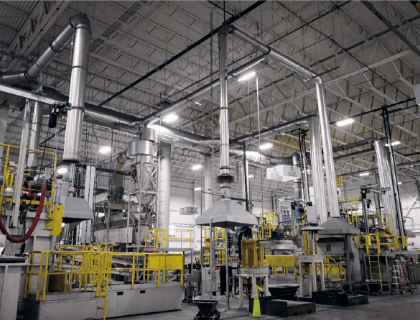
When it comes to fire safety, understanding the National Fire Protection Association (NFPA) standards is crucial, especially concerning combustible dust. These standards serve as a blueprint for assessing hazards and implementing preventive measures in various industries. By adhering to NFPA guidelines, businesses can significantly reduce the risks associated with combustible dusts and ensure a safer working environment.
Key NFPA Hazard Assessments
The NFPA has developed several hazard assessments that are essential for identifying risks related to combustible dust. These assessments provide a systematic approach to evaluating potential fire hazards in workplaces, ensuring that all aspects of safety are considered. By conducting these assessments, organizations can pinpoint vulnerabilities and implement effective strategies to mitigate the dangers posed by nfpa combustible dust.
One of the most critical aspects of these hazard assessments is their focus on specific industry needs. Different sectors may face unique challenges regarding nfpa fire risks; therefore, tailored assessments allow for more effective solutions. This targeted approach not only enhances safety but also promotes compliance with nfpa standards that govern fire prevention.
Importance of NFPA 660
NFPA 660 is a pivotal standard specifically addressing combustible dusts and their associated hazards within industrial settings. This standard outlines essential requirements for managing combustible dust effectively, thereby reducing the likelihood of catastrophic incidents. The importance of NFPA 660 cannot be overstated; it serves as a comprehensive guide for organizations looking to enhance their fire safety protocols.
By following the guidelines set forth in NFPA 660, companies can develop robust systems for monitoring and controlling combustible dust accumulation. This proactive approach helps prevent fires before they start and protects both personnel and property from potential harm caused by nfpa fire incidents. Ultimately, compliance with this standard not only safeguards lives but also reinforces an organization’s commitment to maintaining high safety standards.
How NFPA Standards Shape Safety Protocols
The influence of NFPA standards extends beyond mere compliance; they actively shape safety protocols across various industries dealing with combustible dusts. By integrating these national fire protection association standards into their operations, businesses can create comprehensive safety plans that address multiple facets of risk management. This alignment ensures that all employees understand their roles in maintaining a safe work environment.
Moreover, adhering to nfpa hazard guidelines fosters a culture of safety within organizations where awareness and training become paramount priorities. Employees trained under these protocols are better equipped to recognize potential hazards related to nfpa combustible dust and take appropriate action when necessary. As such, these established standards play an integral role in elevating overall workplace safety while minimizing liability concerns associated with non-compliance.
Effective Dust Collection Strategies
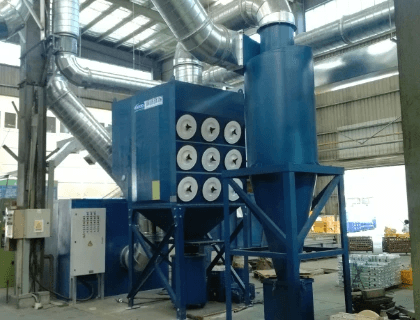
When it comes to managing combustible dust, effective dust collection strategies are paramount. The right equipment and practices can significantly reduce the risk of fire hazards associated with combustible dusts, aligning with NFPA standards and guidelines. Understanding these strategies not only helps in compliance with NFPA hazard assessments but also ensures a safer work environment.
Choosing the Right Dust Collector
Selecting the appropriate dust collector is crucial for any facility dealing with combustible dusts. Factors such as the type of material, volume of dust generated, and specific industry requirements must be considered to ensure compliance with NFPA standards. A well-chosen dust collector not only captures hazardous particles efficiently but also plays a vital role in adhering to NFPA 660 guidelines regarding fire safety.
Different types of collectors—such as baghouses, cyclones, and cartridge collectors—offer various advantages depending on the application. For instance, baghouses are excellent for high-volume applications while cartridge collectors may be more suitable for facilities with limited space. Ultimately, choosing the right equipment tailored to your specific needs can greatly mitigate risks associated with combustible dust.
NAROO's Innovative Solutions
NAROO is at the forefront of providing innovative solutions that address the challenges posed by combustible dusts effectively. Their advanced filtration systems are designed not just to meet but exceed national fire protection association standards, ensuring that facilities remain compliant while enhancing safety protocols. By integrating cutting-edge technologies into their products, NAROO helps businesses minimize their risk profiles related to NFPA fire incidents.
Their solutions include customizable systems that cater specifically to industry demands—whether it’s food processing or woodworking—ensuring optimal performance and safety measures are in place. NAROO’s commitment to innovation means they continuously evaluate and improve their offerings based on the latest research concerning nfpa hazard assessments and best practices for managing combustible materials. Partnering with NAROO enables organizations to implement robust strategies against potential fire hazards posed by combustible dust.
Best Practices for Dust Management
Implementing best practices for dust management is essential in maintaining a safe working environment where combustible dusts are present. Regular maintenance of equipment and adherence to NFPA standards can prevent accumulation that leads to dangerous conditions during operations involving flammable materials. Additionally, routine training sessions help staff understand how quickly conditions can change if proper procedures aren’t followed.
Establishing a comprehensive housekeeping schedule ensures that all areas prone to accumulating dust are regularly cleaned according to nfpa guidelines; this includes using appropriate cleaning methods that don’t disturb settled debris unnecessarily. Furthermore, integrating real-time monitoring solutions allows facilities to track airborne particles effectively and respond proactively before they escalate into a hazardous situation related to nfpa 660 recommendations on fire safety measures.
In conclusion, effective management of combustible dusts requires thoughtful selection of equipment like those offered by NAROO alongside diligent adherence to established NFPA standards and best practices tailored specifically for your industry’s needs.
Implementing Fire Safety Measures
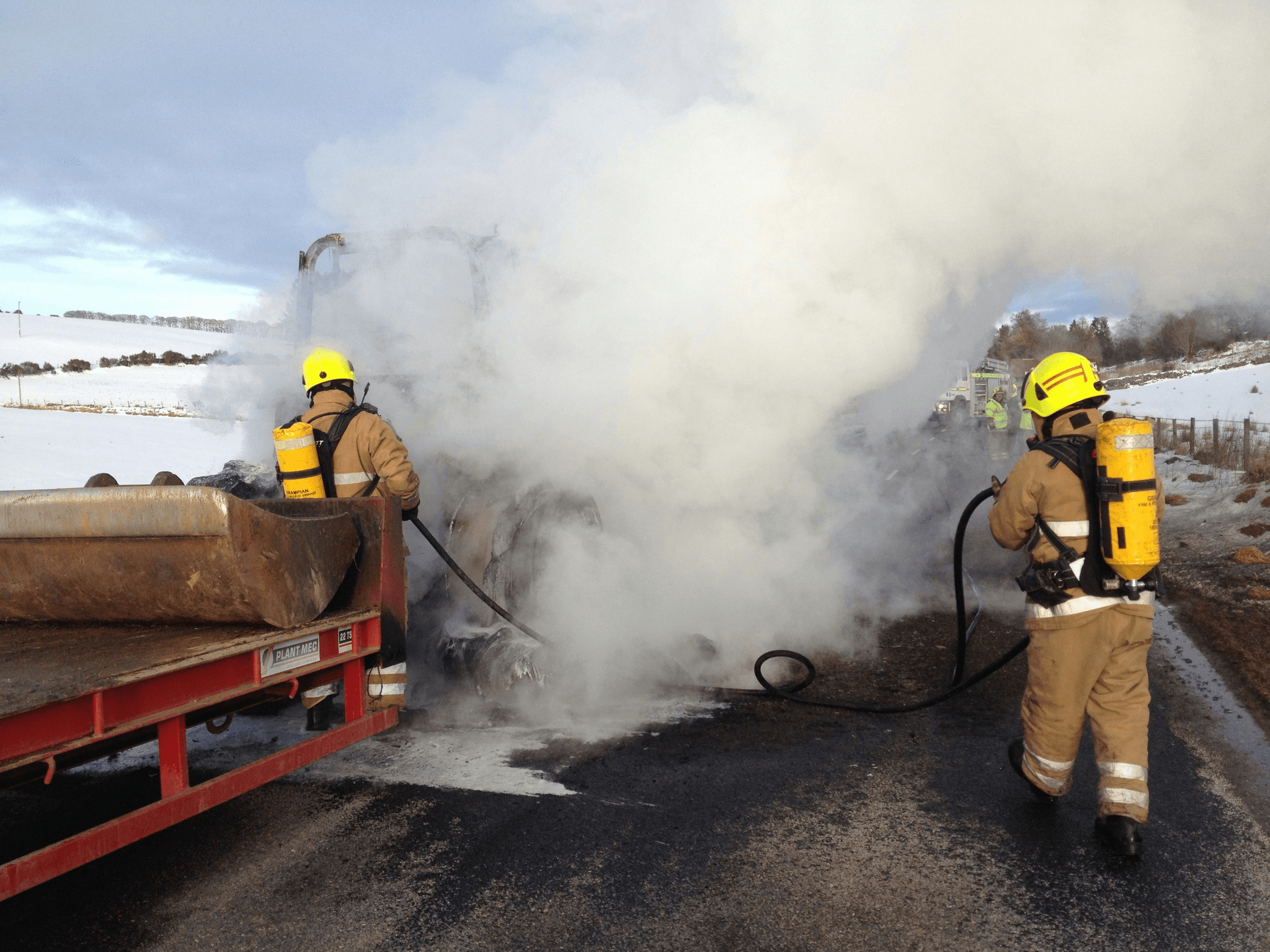
When it comes to fire safety, especially regarding nfpa combustible dust, having a solid plan is paramount. The implementation of fire safety measures not only protects lives but also safeguards property and ensures operational continuity. In this section, we will explore how to create an effective fire safety plan, integrate NFPA guidelines, and train staff on essential protocols.
Creating a Fire Safety Plan
Creating a comprehensive fire safety plan is the first step in mitigating risks associated with combustible dusts. This plan should include detailed assessments of potential hazards, including nfpa hazard evaluations that identify specific risks within your facility. Additionally, it should outline emergency procedures, evacuation routes, and designated assembly points to ensure everyone knows what to do in case of an emergency.
Incorporating regular reviews and updates into your fire safety plan is crucial as it keeps the document relevant and effective against evolving threats. Engage employees in the planning process; their insights can provide valuable perspectives on potential risks that may not be immediately obvious. A well-structured fire safety plan aligned with national fire protection association standards will not only comply with regulations but also foster a culture of safety within your organization.
Integration with NFPA Fire Guidelines
To enhance your fire safety measures further, integrating NFPA standards into your existing protocols is essential. The National Fire Protection Association has developed comprehensive guidelines that address various aspects of fire prevention related to combustible dusts—most notably NFPA 660, which outlines best practices for managing these materials safely. By aligning your operations with these standards, you can significantly reduce the risk of fire incidents.
Moreover, understanding how nfpa 660 applies specifically to your industry allows for tailored solutions that address unique challenges posed by combustible dusts. Regular audits based on NFPA guidelines can help identify areas for improvement and ensure compliance with national regulations. Ultimately, this integration serves as a proactive approach to preventing fires before they start while demonstrating commitment to safety standards.
Training Staff on Fire Safety Protocols
Training staff on fire safety protocols is an often-overlooked yet critical component in the fight against nfpa combustible dust hazards. Regular training sessions should cover everything from basic firefighting techniques to specific procedures related to handling combustible materials safely according to nfpa standards. This knowledge empowers employees and fosters an environment where everyone takes responsibility for maintaining a safe workplace.
In addition to standard training sessions, consider conducting simulations or drills that mimic real-life scenarios involving combustible dust fires; these exercises prepare staff for swift action during emergencies while reinforcing their understanding of established protocols. Engaging employees through interactive learning methods can increase retention rates and promote active participation in maintaining a safe work environment. When staff are well-trained in nfpa fire prevention strategies, the entire organization benefits from heightened awareness and preparedness.
Case Studies and Success Stories

In the realm of fire safety, particularly concerning combustible dust, real-world examples can be illuminating. NAROO has proven its worth by partnering with industry leaders to enhance safety protocols and mitigate risks associated with combustible dusts. By implementing NFPA standards, including NFPA 660, these organizations have seen significant reductions in fire hazards and improved overall safety.
NAROO's Impact on Industry Leaders
NAROO has made substantial strides in helping industry leaders navigate the complexities of nfpa combustible dust regulations. One notable case involved a major manufacturing facility that faced repeated fire incidents due to inadequate dust management practices. After integrating NAROO’s innovative solutions, including advanced dust collection systems aligned with nfpa standards, the facility reported a dramatic decrease in fire hazards and enhanced operational efficiency.
The collaboration didn’t stop there; NAROO also facilitated training sessions for staff on the importance of adhering to NFPA guidelines. This proactive approach not only reinforced their commitment to fire safety but also fostered a culture of awareness among employees regarding nfpa hazard assessments related to combustible dusts. As a result, this facility became a benchmark for best practices within its sector.
Real-World Applications of NFPA Standards
The National Fire Protection Association standards serve as crucial benchmarks for industries dealing with combustible dusts. In one illustrative example, an agricultural processing plant implemented NFPA 660 guidelines after experiencing several near-miss incidents related to dust ignition. By adopting these nfpa standards, they revamped their processes and equipment to ensure compliance and minimize risk.
This plant’s journey highlighted how adherence to NFPA standards could transform operations from reactive measures to proactive strategies in fire prevention. The integration of robust fire safety measures not only safeguarded personnel but also protected valuable assets from potential disasters linked to combustible dust explosions. Such real-world applications underscore the vital role that national fire protection association standards play in establishing safer work environments.
Lessons Learned from Fire Incidents
Analyzing past fire incidents provides invaluable insights into improving future practices surrounding nfpa combustible dust management. For instance, a bakery suffered significant damage due to an explosion caused by accumulated flour dust—a classic case where lessons learned have led to heightened awareness about proper ventilation and cleaning protocols based on nfpa hazard assessments.
This incident prompted many businesses within the food processing industry to reevaluate their adherence to nfpa standards related specifically to combustibles like flour or sugar powders—essentially making them rethink their entire approach toward fire safety measures involving combustible dusts. The takeaway? Regular audits and ongoing training are paramount; they ensure that everyone is aware of potential risks and equipped with knowledge on how best to mitigate them according to established nfpa guidelines.
Conclusion

In wrapping up our exploration of combustible dust safety, it's clear that understanding the risks associated with combustible dusts is paramount for any industry. Implementing best practices not only safeguards lives but also ensures compliance with NFPA standards, particularly those set forth by the National Fire Protection Association. By prioritizing fire safety and adhering to NFPA guidelines, businesses can effectively mitigate hazards related to combustible dust.
Best Practices for Combustible Dust Safety
To enhance safety against combustible dust, organizations should conduct regular hazard assessments as outlined in NFPA 660 and other relevant NFPA standards. This includes identifying potential sources of dust accumulation and ensuring effective dust collection systems are in place. Additionally, fostering a culture of safety through continuous training and awareness programs can significantly reduce the risk of fire incidents stemming from combustible dusts.
Implementing robust housekeeping protocols is another crucial aspect of maintaining a safe environment where combustible dust is present. Regular cleaning schedules should be adhered to, targeting areas where dust tends to accumulate. Moreover, utilizing appropriate personal protective equipment (PPE) for staff members working in high-risk areas reinforces the commitment to fire safety and compliance with NFPA fire regulations.
The Role of NFPA in Fire Prevention
The National Fire Protection Association plays an instrumental role in shaping fire prevention strategies across various industries through its comprehensive standards and guidelines. By establishing clear criteria for assessing risks associated with combustible dusts, the NFPA helps organizations develop effective safety protocols tailored to their specific needs. Understanding and implementing these NFPA standards not only enhances workplace safety but also fosters a proactive approach to mitigating potential fire hazards.
NFPA 660 serves as a cornerstone document that outlines essential requirements for managing combustible dust risks effectively. Organizations that align their operations with these national standards demonstrate their commitment to prioritizing employee safety while minimizing liability concerns related to fire incidents. Ultimately, adherence to NFPA guidelines creates a safer work environment that benefits both employees and employers alike.
Partnering with Experts like NAROO
Collaborating with experts like NAROO can elevate your organization’s approach to managing combustibles safely while ensuring compliance with NFPA standards. NAROO's innovative solutions help businesses implement cutting-edge technologies for efficient dust collection while addressing specific industry challenges associated with combustible dusts. By leveraging their expertise, companies can enhance their operational efficiency while significantly reducing the risk of fires.
Furthermore, partnering with professionals who understand the nuances of nfpa hazard assessments ensures that your facility remains compliant with evolving regulations surrounding fire safety practices related to combustible materials. This partnership fosters continuous improvement in safety measures and aligns your organization’s objectives with best practices advocated by the National Fire Protection Association standards. In doing so, you’ll not only protect your workforce but also contribute positively toward creating a culture centered on proactive risk management.