

Introduction
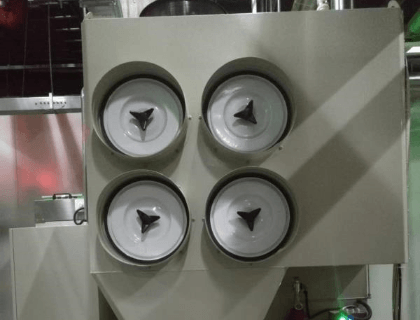
In the world of industrial dust collection, understanding the pivotal role of rotary airlock valves is essential for maintaining a clean, safe, and efficient workspace. These valves are the unsung heroes in a dust collector system, controlling the flow of collector dust from one stage to another without letting contaminants escape.
The industry has seen remarkable innovations with brands like NAROO leading the charge in dust collection technology. Their solutions stand out because they combine precision engineering with innovative features, making them a top choice for various applications involving cyclone dust collectors or baghouse dust collectors. By leveraging advanced valve rotary designs, NAROO enhances overall system performance and reduces downtime, setting new standards in industrial dust collection.
Enhancing safety and efficiency is at the core of modern rotary airlock systems used in dust collectors. An effective air lock prevents unwanted material leakage while maintaining airtight conditions necessary for optimal operation. Whether you're dealing with cyclone dust collectors or baghouse systems, implementing a robust rotary airlock dust collector not only improves productivity but also ensures compliance with environmental safety standards—making your facility safer and more environmentally friendly.
The Basics of Rotary Airlock Dust Collectors
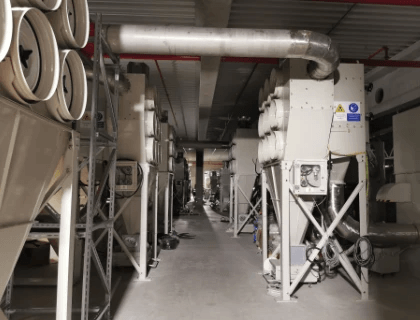
Understanding how a rotary airlock dust collector functions is fundamental to ensuring efficient dust management in industrial settings. These systems rely on the precise control of collector dust, which is achieved through a combination of key components working seamlessly together. Whether you're dealing with cyclone dust collectors or baghouse dust collectors, the air lock plays a pivotal role in maintaining system integrity and preventing dust escape.
How Rotary Airlock Valves Control Material Flow
At the heart of a rotary airlock dust collector is the valve rotary—an essential component that manages the flow of collector dust from one chamber to another without allowing air to escape. This valve rotary operates by rotating blades that form sealed compartments, enabling controlled discharge of dust while maintaining system pressure. By precisely regulating material flow, these valves prevent blockages and ensure smooth operation across various types of industrial dust collectors, including cyclone and baghouse models.
Key Components of a Rotary Airlock System
A typical rotary airlock dust collector comprises several vital parts: the rotary valve itself, an inlet for incoming dusty material, an outlet connected to downstream equipment, and seals that keep dust contained within the system. The durability and reliability of these components are critical for long-term performance, especially in demanding environments where explosion-proof features may be necessary. When selecting a system, it's essential to consider how each part interacts to optimize efficiency and safety in your industrial dust collector setup.
Benefits of Using a NAROO Rotary Airlock Dust Collector
Choosing a NAROO rotary airlock dust collector offers numerous advantages for managing your collector dust effectively. These systems are renowned for their durability and reliability backed by global certifications, making them suitable for diverse industry needs. Moreover, NAROO's innovative designs provide precision control over your plant’s dusty environment—reducing downtime and maintenance costs while enhancing overall safety standards.
Types of Dust Collectors and Their Suitability

When it comes to managing dust in an industrial setting, selecting the right collector dust system is crucial for efficiency and safety. Two popular options are cyclone dust collectors and baghouse dust collectors, each with their own strengths. Understanding these differences helps you determine whether a cyclone dust collector or a baghouse dust collector best suits your facility’s needs, especially when incorporating components like a valve rotary or an air lock.
Cyclone Dust Collectors Versus Baghouse Dust Collectors
Cyclone dust collectors are like the tornadoes of the industrial world—using centrifugal force to separate larger particles from the air stream. They are generally more rugged and require less maintenance, making them ideal for applications where large volumes of coarse dust need quick removal. On the other hand, baghouse dust collectors excel at trapping fine, airborne particles that can escape traditional systems; they utilize fabric filter bags to capture tiny dust particles effectively.
When integrating a rotary airlock dust collector into your system, understanding whether a cyclone or baghouse is appropriate depends on the type of dust you're dealing with and your desired level of filtration. For example, if you're handling heavy-duty debris or larger particle sizes, a cyclone dust collector paired with a reliable valve rotary can provide robust performance without clogging issues. Conversely, for fine powders or hazardous materials requiring high purity levels, a baghouse dust collector with an efficient air lock becomes indispensable to prevent leaks and ensure environmental safety.
Choosing the Right Industrial Dust Collector for Your Facility
Selecting an industrial dust collector isn’t just about matching size; it’s about matching function with purpose. Consider your facility’s specific needs—are you dealing with abrasive materials that wear down components? Do you need airtight containment to comply with environmental regulations? A well-chosen system might incorporate both cyclone units for initial separation followed by a baghouse for final filtration.
In this context, incorporating high-quality valves rotary into your system enhances performance by controlling material flow through various stages of collection seamlessly. An efficient air lock ensures that collected material doesn’t escape during transfer—crucial when using a collector dust setup that involves sensitive powders or hazardous substances. Ultimately, choosing between different types of industrial dust collectors hinges on understanding your process requirements and ensuring compatibility with key components like rotary airlock valves.
The Role of the Air Lock in Different Collector Types
The air lock plays a pivotal role across various types of collection systems by acting as the gatekeeper between stages—preventing unwanted air leaks while allowing continuous material flow. Whether it's part of a cyclone dust collector setup or integrated into a baghouse system, the valve rotary ensures consistent operation without disrupting airflow or contaminating surrounding environments.
In cyclone systems, an efficient rotary airlock prevents large particles from bypassing filters while maintaining airflow integrity; this keeps your operations running smoothly without costly downtime. Meanwhile, in baghouse setups where fine particulate control is paramount, an expertly designed air lock minimizes emissions by sealing off dusty environments during discharge processes—making it essential for compliance and safety standards.
Advantages of NAROO Rotary Airlock Valves
NAROO rotary airlock valves are the backbone of many dust collection systems, offering unmatched durability and reliability that stand the test of time. Whether integrated into a cyclone dust collector or a baghouse dust collector, these valves ensure seamless operation by preventing air leaks and material spills. Their robust construction means fewer breakdowns and maintenance headaches, making them an essential component for any industrial dust collector aiming for long-term performance.
Durability and Reliability Backed by Global Certifications
When it comes to collector dust management, durability is king—and NAROO’s rotary airlock dust collector valves deliver just that. Certified internationally, these valves meet stringent standards for safety and performance, giving plant managers peace of mind across diverse industries. From handling abrasive materials in cyclone dust collectors to fine powders in baghouse systems, their resilience ensures your dust collector runs smoothly without frequent replacements or downtime.
Precision Control for Collector Dust Management
Precision is key when controlling dust in an industrial setting, and NAROO’s valve rotary design excels at this task. It provides accurate regulation of material flow from the hopper into the air lock chamber, which is crucial for maintaining optimal performance in any dust collector system—be it cyclone or baghouse types. This level of control minimizes emissions of fine particles and prevents blockages, ensuring your system efficiently manages all forms of collector dust while maintaining compliance with environmental standards.
Custom Solutions for Diverse Industry Needs
No two facilities are alike—they each have unique requirements when it comes to handling different kinds of collector dust. Fortunately, NAROO offers custom solutions tailored to fit various industry needs with their versatile rotary airlock valves. Whether you’re dealing with sticky materials or highly abrasive substances in a cyclone dust collector or require specialized configurations for a large-scale industrial dust collector setup, these custom options optimize your system’s efficiency and longevity.
Installation and Maintenance of Rotary Airlock Valves

Proper installation and diligent maintenance of a rotary airlock dust collector are crucial for ensuring optimal performance, longevity, and safety. When setting up your dust collector system, paying attention to details like alignment, sealing, and compatibility with your cyclone dust collector or baghouse dust collector can prevent costly downtime. Regular upkeep keeps the valve rotary functioning smoothly, minimizing the risk of leaks or blockages that could compromise your industrial dust collector’s efficiency.
Best Practices for Installing a Dust Collector System
Start by thoroughly assessing your facility’s airflow requirements to select the right type of collector dust system—whether it’s a cyclone dust collector or a baghouse dust collector—and ensure the air lock is compatible. During installation, align the rotary airlock dust collector precisely with ductwork to prevent air leaks that could diminish performance; misalignment can lead to excessive wear on the valve rotary components. Additionally, sealing all joints properly and securing mounting points will help maintain consistent material flow and reduce maintenance needs down the line.
Maintenance Tips for Extending Valve Life
Routine inspection is key—check for signs of wear on the rotary blades and seals in your dust collector’s air lock regularly, especially if you’re handling abrasive or sticky materials. Lubricate moving parts according to manufacturer guidelines to keep everything turning smoothly; this is particularly important in systems integrated with cyclone or baghouse dust collectors where debris can accelerate deterioration. Keep an eye out for unusual noises or vibrations from your valve rotary as these often signal impending issues that could lead to system failure if ignored; proactive maintenance extends the lifespan of your industrial dust collector.
Troubleshooting Common Issues with Collector Dust Systems
Clogging or bridging within the rotary airlock is a common problem that hampers material flow—this often results from moisture buildup or incompatible materials in your cyclone dust collector setup. If you notice excess leakage around the valve rotary, it might be time to replace worn seals or realign components; such leaks undermine overall system efficiency and safety standards. Persistent vibration or uneven operation could indicate misalignment or damage within your baghouse dust collector’s air lock mechanism—addressing these early prevents costly repairs and keeps your facility running smoothly.
Innovations in Rotary Airlock Technology
The world of dust collection is constantly evolving, and rotary airlock valves are at the forefront of this innovation. Modern rotary airlock dust collectors are now equipped with features that enhance safety, efficiency, and environmental compliance. These advancements ensure that industrial dust collectors can handle more challenging dust types while maintaining a high level of operational reliability.
Explosion-Proof Features in NAROO Valves
One of the most critical innovations in rotary airlock dust collector technology is the integration of explosion-proof features. NAROO valves have been engineered to prevent ignition sources from igniting combustible collector dust within the system. This makes them ideal for cyclone dust collectors and baghouse dust collectors handling fine, potentially explosive particles. The explosion-proof design not only protects personnel and equipment but also ensures compliance with strict safety standards across industries.
Enhancing Environmental Safety and Compliance
Environmental safety is a top priority for any industrial dust collector system, especially when dealing with hazardous or toxic collector dust. NAROO’s latest valve rotary innovations include sealing systems that minimize fugitive emissions, reducing the risk of airborne contaminants escaping into the environment. These features help facilities meet stringent environmental regulations while maintaining optimal airflow and collection efficiency in their cyclone dust collectors or baghouse systems.
Future Trends in Dust Collection and Air Purification
Looking ahead, future trends point toward smarter, more adaptive rotary airlock valves integrated with IoT technology for real-time monitoring of collector dust levels and valve performance. Innovations will likely focus on improving durability under extreme conditions, such as high temperatures or corrosive environments common in industrial applications involving cyclone or baghouse dust collectors. As air lock technology advances, expect to see even more energy-efficient designs that contribute to greener operations without compromising on the precision control essential for managing collector dust effectively.
Conclusion
Efficient dust management is crucial for maintaining a safe and productive industrial environment, and a high-quality rotary airlock dust collector plays a pivotal role in this process. When you choose NAROO's innovative valves, you're investing in durability, precision, and reliability that elevate your collector dust system to new heights. Partnering with industry leaders ensures your facility benefits from cutting-edge solutions that keep dust under control while optimizing operational efficiency.
Securing Efficient Dust Management with NAROO
NAROO’s rotary airlock valves are designed to seamlessly integrate with various types of dust collectors, including cyclone dust collectors and baghouse dust collectors. Their robust construction guarantees long-lasting performance even in demanding industrial settings where controlling collector dust is essential. With NAROO’s expertise, you can confidently operate your industrial dust collector system knowing that the air lock will deliver consistent material flow and prevent leaks or blockages.
The Impact of High-Quality Valves on Your Dust Collector System
The quality of the valve rotary used in your dust collector directly influences the overall system efficiency and safety. A reliable rotary airlock dust collector ensures precise control of dusty materials, reducing downtime caused by maintenance issues or malfunctioning components. Incorporating top-tier valves into your cyclone or baghouse dust collector enhances environmental safety and compliance by effectively managing airborne particles and preventing fugitive emissions.
Partnering with Industry Leaders for Robust Dust Control Solutions
Choosing a partner like NAROO means gaining access to custom solutions tailored to diverse industry needs, whether you operate a large-scale industrial plant or a specialized manufacturing facility. Their expertise in explosion-proof features and environmental safety standards makes them an ideal collaborator for upgrading or installing new collector systems. Together, you can build a resilient dust collection setup that safeguards personnel health, minimizes waste, and maximizes operational uptime.