

Introduction
Understanding the risks associated with grain dust explosions is essential for any facility handling large quantities of grain. These combustible dust hazards can lead to catastrophic fires and explosions if not managed properly, making effective dust control a top priority. Implementing reliable grain dust collection systems helps mitigate these dangers by capturing and containing airborne dust particles before they pose a threat.
Dust collection systems play a crucial role in protecting your facility’s safety and operational integrity. By utilizing collector dust and advanced filter systems, an industrial dust collection system ensures that harmful dust doesn’t settle on equipment or accumulate in dangerous concentrations. Properly designed industrial dust removal systems are vital to maintaining a safe environment and complying with safety standards.
Key features of effective dust control solutions include high-efficiency filters bags, durable cyclone separators, and optimized airflow management within the system. These elements work together to provide comprehensive protection against airborne grain dust, reducing explosion risks while improving air quality. Choosing the right components for your dust collection system guarantees long-term reliability and safety in your facility.
The Importance of Industrial Dust Collection Systems
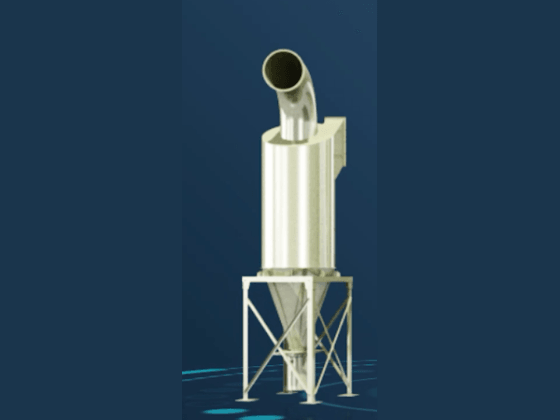
In the bustling world of grain processing, dust isn't just a nuisance—it's a serious safety concern. Proper dust management begins with reliable grain dust collection systems that capture and contain airborne particles before they turn into explosive hazards or health threats. An effective dust collection system not only keeps your facility clean but also safeguards your staff and equipment from the destructive power of combustible dust.
Why Proper Dust Management Matters
Implementing a robust industrial dust removal system is crucial because unchecked dust can lead to costly downtime and dangerous explosions. Dust control through advanced filter systems ensures that fine particles like collector dust are efficiently captured, preventing accumulation on surfaces and machinery. When you invest in high-quality filters bags within your dust collection system, you're actively reducing fire risks and promoting a healthier work environment for everyone involved.
Common Hazards in Grain Processing Facilities
Grain processing facilities are hotspots for combustible dust, especially when dealing with fine particles such as collector dust that easily become airborne. Without proper industrial dust collection systems, these tiny particles can settle on equipment or become suspended in the air, creating explosion hazards if ignited. Additionally, poor ventilation and inadequate filtration exacerbate these dangers, emphasizing the need for comprehensive dust control measures like well-designed filters bags and cyclone separators to mitigate risks effectively.
Benefits of Implementing Advanced Filter Systems
Switching to advanced filter systems within your industrial dust collection system offers numerous benefits—improved safety being paramount among them. These sophisticated filter bags efficiently trap even the smallest grains of collector dust, ensuring cleaner air quality while maintaining optimal airflow in your facility. Plus, investing in high-performance filters extends the lifespan of your equipment and reduces maintenance costs, making it a smart move for long-term operational success.
[Image description=industrial grain processing plant with large ductwork connected to multiple filter units containing bags for collector dust separation, workers inspecting filters, safety signage visible], [Image name=grain_dust_collection_systems_in_action], [Alt tag=grain dust collection systems ensuring safety in grain processing facilities]
Components of a Robust Dust Collection System
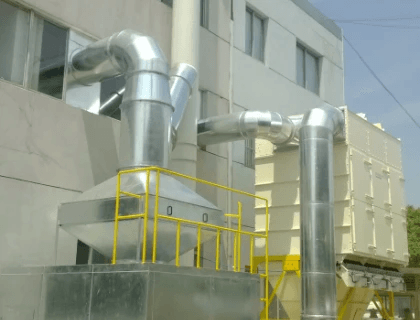
A well-designed dust collection system is the backbone of any effective grain dust management strategy. It combines various components that work together to capture, filter, and remove hazardous dust particles from industrial environments. When selecting parts for your grain dust collection systems, understanding each element's role can significantly boost your facility’s safety and efficiency.
The Role of Filter Bags and Cyclones
Filter bags are the frontline soldiers in any dust control setup, especially in grain processing facilities. These filter systems trap tiny particles of grain dust, preventing them from recirculating into the workspace or posing explosion risks. Cyclones act as pre-cleaners within the system, spinning off larger dust particles before they reach the filters, which extends their lifespan and maintains optimal airflow in your industrial dust removal system.
Choosing the Right Collector Dust Equipment
Picking the appropriate collector dust equipment is crucial for tailoring your industrial dust collection system to specific needs. Factors like airflow capacity, particle size, and material compatibility influence whether you opt for cartridge filters or baghouses—each suited for different grain industries. Investing in high-quality collector dust ensures consistent performance while reducing maintenance costs and downtime.
Ensuring Proper Airflow and Ventilation
Proper airflow management is essential to keep your dust control efforts effective; it prevents clogging and maintains consistent filtration performance across all components of your industrial dust collection system. Adequate ventilation not only optimizes filter bags’ lifespan but also minimizes potential explosion hazards associated with grain dust accumulation. Regularly inspecting ductwork and adjusting fan speeds guarantees that air moves smoothly through every part of your grain dust collection systems.
Safety Standards and Certifications for Dust Control

Ensuring your facility’s safety starts with adhering to the right standards and certifications for dust control. Grain dust collection systems, collector dust, and other components of an industrial dust collection system must meet rigorous international benchmarks to prevent explosions and health hazards. Certifications act as a seal of approval, guaranteeing that your dust collection system is reliable, efficient, and compliant with global safety protocols.
NAROO’s Certification and International Standards
NAROO’s commitment to quality is reflected in its comprehensive certifications aligned with international standards for industrial dust removal systems. Their dust collection systems incorporate advanced filter systems designed to handle high volumes of collector dust while maintaining safety margins. These certifications ensure that each component, from filter bags to cyclone separators, meets strict criteria for performance and durability across diverse grain processing environments.
Compliance with ATEX and UL Regulations
Compliance with ATEX (explosive atmospheres) directives and UL (Underwriters Laboratories) regulations is crucial when selecting a dust control solution for grain industries. An industrial dust collection system must be explosion-proof, especially when dealing with combustible dust like grain or flour particles that can ignite easily. NAROO’s dust removal solutions are engineered to meet these standards by integrating explosion-proof features into their filters bags and cyclone units, ensuring safe operation even in high-risk zones.
How Certifications Ensure Reliability and Safety
Certifications serve as a guarantee that your dust collection system will perform reliably over time while safeguarding personnel from potential hazards associated with collector dust buildup or filter failure. They validate that the filters bags used in the system are capable of trapping fine grain dust particles effectively without compromising airflow or causing blockages. Investing in certified industrial dust removal systems not only protects your facility but also enhances operational efficiency by reducing downtime caused by equipment failures.
Designing an Efficient Industrial Dust Removal System
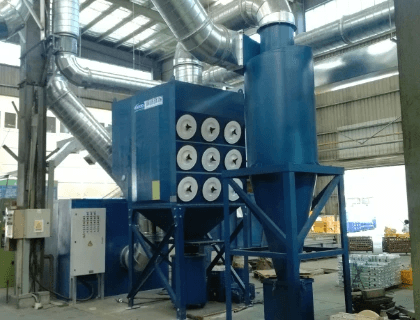
Creating a dust removal system that’s both efficient and tailored to your specific needs is essential for maintaining safety and productivity in grain processing facilities. A well-designed industrial dust collection system not only captures dust at the source but also minimizes downtime and operational costs. By customizing your dust control setup, you ensure that collector dust and filter systems work seamlessly together, providing optimal performance across different grain industries.
A successful design begins with understanding the unique properties of the grain dust produced in your operation. Different grains generate varying levels of fine particulate matter, which requires specialized filters bags and collector dust components to effectively trap airborne particles. An industrial dust collection system should be adaptable, incorporating high-quality filters bags that are resistant to moisture and abrasion, ensuring long-lasting performance while maintaining a safe environment.
Integration with existing manufacturing processes is crucial for maximizing efficiency. An effective dust collection system must be compatible with your current equipment layout without causing disruptions or bottlenecks. Seamless integration involves careful planning of ductwork, airflows, and placement of collector dust units so that the entire system functions as a cohesive unit—reducing emissions while optimizing airflow rates for maximum dust control.
Regular maintenance is the backbone of any durable industrial dust removal system. Ensuring longevity involves routine inspections of filters bags for tears or clogging and cleaning cyclones or other separation units regularly. Proper upkeep guarantees that your facility remains compliant with safety standards while maintaining peak efficiency in capturing harmful grain dust particles before they escape into the environment.
Implementing Dust Control and Explosion Prevention Measures

Effective implementation of dust control measures is crucial for safeguarding facilities handling grain dust. A well-designed industrial dust collection system can significantly reduce the risk of explosions caused by collector dust accumulation. Incorporating best practices ensures that your dust collection system operates efficiently, minimizing hazards and maintaining compliance with safety standards.
Best Practices for Dust Explosive Risk Reduction
To effectively reduce the risk of grain dust explosions, it’s essential to maintain a clean environment by regularly inspecting and cleaning your dust collection system. Properly functioning filter systems, including filter bags and cyclones, trap fine particles of collector dust before they become airborne or cause dangerous build-ups. Implementing a routine maintenance schedule for your industrial dust removal system helps prevent filter bags from clogging and ensures optimal airflow, which is vital for safe operations.
In addition, controlling ignition sources within the facility plays a pivotal role in dust control strategies. Using explosion-proof components in your industrial dust collection system can prevent sparks from igniting collector dust or other combustible materials. Regular staff training on handling and troubleshooting these systems further reduces risks, making sure everyone understands how to operate the filters bags and other equipment safely.
NAROO’s Explosion-Proof Dust Removal Solutions
NAROO offers cutting-edge explosion-proof dust removal solutions designed specifically for grain processing facilities where collector dust poses a significant hazard. Their advanced industrial dust collection systems incorporate specialized filter systems that are certified to meet international safety standards like ATEX and UL regulations. These robust systems are engineered to contain potential explosions within their design while maintaining high efficiency in removing fine particles from the air.
By integrating NAROO’s explosion-proof features into your existing setup, you enhance overall safety without sacrificing performance. Their innovative solutions ensure that every component—from filter bags to cyclone separators—is built with safety first in mind, providing peace of mind during daily operations involving grain dust collection systems.
Training Staff for Optimal Safety
Even the most sophisticated industrial dust collection system is only as effective as the personnel operating it. Comprehensive training programs are essential to ensure staff understand how to properly manage filters bags and maintain optimal airflow within the system. Educating employees about recognizing signs of filter failure or blockages helps prevent dangerous buildups of collector dust that could lead to an explosion.
Encouraging a culture of safety around your dust control processes means regular drills, clear procedures for cleaning and replacing filters bags, and awareness about potential hazards associated with grain dust collection systems. When staff are knowledgeable about proper operation techniques—such as avoiding unnecessary agitation of filters—they contribute significantly to reducing explosion risks while keeping your facility compliant with industry standards.
Conclusion
A reliable dust collection system is the backbone of any safe and efficient grain processing facility. Investing in high-quality collector dust solutions ensures that grain dust collection systems operate smoothly, reducing explosion risks and maintaining a cleaner environment. With the right industrial dust removal system, facilities can significantly minimize hazards associated with dust buildup while enhancing productivity.
Protecting Your Facility with Reliable Dust Collection
Implementing robust dust control measures is essential for safeguarding your facility from potential explosions caused by grain dust collection systems. Properly designed filter systems and durable filters bags trap fine particles effectively, preventing dangerous accumulations of collector dust that could ignite. When you prioritize a well-maintained industrial dust collection system, you're not just complying with safety standards — you're actively protecting your employees and assets from unforeseen disasters.
The Role of NAROO in Enhancing Safety Standards
NAROO plays a pivotal role in elevating safety standards through innovative, certified dust control solutions tailored for grain industries. Their advanced filter systems and explosion-proof equipment ensure your industrial dust removal system meets international regulations like ATEX and UL certifications. By partnering with NAROO, you gain access to reliable, future-ready dust control technologies that keep your operation compliant and secure.
Investing in Future-Ready Dust Control Solutions
Looking ahead means investing in future-ready solutions designed to adapt to evolving industry needs. Modern grain dust collection systems incorporate smart filters bags and optimized airflow designs to maximize efficiency while minimizing maintenance costs. Embracing these innovative technologies ensures your facility remains at the forefront of safety standards while maintaining peak performance for years to come.