

Introduction
Welcome to the world of fiberglass dust—a topic that might not be at the forefront of your mind, but one that deserves your attention. If you’ve ever done a home renovation or found yourself poking around in your attic, you may have unknowingly encountered this pesky particulate. Understanding what fiberglass dust is and how it can infiltrate your living space is crucial for maintaining a healthy home environment.
What is Fiberglass Dust?
Fiberglass dust consists of tiny particles from fiber glass materials, commonly used in insulation and construction. When disturbed, these minuscule bits can become airborne, making their way into the air you breathe—especially if you have fiberglass attic insulation installed. While it may seem harmless at first glance, this dust can pose health risks if not managed properly.
Why You Should Care About It
You should care about fiberglass dust in house because it can affect indoor air quality and overall health. Prolonged exposure to these fibers may lead to respiratory issues and other health complications, especially for vulnerable populations like children or those with pre-existing conditions. By understanding its sources and effects, you can take proactive measures to protect yourself and your loved ones.
Common Sources of Fiberglass Dust
Common sources of fiberglass dust include construction sites, older homes with outdated insulation materials, and even routine maintenance tasks involving duct work or insulation upgrades. Places like attics where fiberglass insulation is prevalent are often hotspots for this type of dust accumulation. Regular interactions with these areas without proper precautions can significantly increase the likelihood of encountering harmful levels of fiberglass dust in house settings.
Understanding Fiberglass Dust in Your Home

Fiberglass dust in the house can be an unwelcome guest, sneaking in through various entry points and settling into your living space. Understanding how this dust infiltrates your home is crucial for maintaining a healthy environment. With the right knowledge, you can take proactive steps to minimize its presence and impact.
How Fiberglass Dust Enters
Fiberglass dust often enters your home through air leaks, gaps around windows, or even from outside sources like construction sites. When you disturb fiberglass insulation—whether during renovations or routine maintenance—you inadvertently release tiny glass fibers into the air. These microscopic particles can then hitch a ride on clothing, shoes, or pets, making their way into every nook and cranny of your home.
The Role of Fiberglass Insulation
Fiberglass insulation is commonly used in attics and walls to regulate temperature and improve energy efficiency. While it serves a vital purpose, it can also be a significant source of fiberglass dust if not properly maintained. Over time, wear and tear on fiberglass attic insulation can lead to fiber release, increasing the likelihood of exposure within your living spaces.
Identifying Fiberglass Dust in House
Identifying fiberglass dust in your house may not be as straightforward as spotting dirt or pet hair; however, there are telltale signs to look for. If you notice fine particles resembling lint accumulating near vents or on surfaces after HVAC usage, it could indicate that fiberglass dust is present. Additionally, if you're sensitive to allergens or experience respiratory issues that seem to worsen indoors, it might be time to investigate the state of your duct work and insulation for potential fiberglass contamination.
Health Risks Associated with Fiberglass Dust

When it comes to fiberglass dust in the house, understanding the health risks is crucial. This fine particulate matter can easily become airborne, making its way into your lungs and body. The symptoms of exposure can range from mild irritation to more severe health issues, making awareness essential.
Symptoms of Exposure
Exposure to fiberglass dust often leads to a variety of symptoms that may not seem alarming at first but can become bothersome over time. Common complaints include skin irritation, itchy eyes, and respiratory issues like coughing or wheezing. If you’ve recently installed fiberglass insulation or have old fiberglass attic insulation, these symptoms might be your body's way of signaling that something isn’t quite right.
Long-term Health Implications
The long-term health implications of continuous exposure to fiberglass dust are a bit more concerning. Prolonged inhalation can lead to chronic respiratory conditions and even lung fibrosis in extreme cases. Additionally, individuals exposed over many years may face an increased risk of developing certain types of cancer; thus, it’s vital to keep those air filters clean and maintain proper duct work in your home.
Vulnerable Populations
Certain populations are particularly vulnerable when it comes to the effects of fiberglass dust in the house. Children and elderly individuals may experience heightened sensitivity due to their developing or weakened immune systems. Furthermore, those with pre-existing respiratory conditions should be especially cautious around areas with fiberglass insulation or poor air filtration systems; investing in a quality HEPA filter can make a significant difference in their well-being.
Controlling Fiberglass Dust Levels

Keeping fiberglass dust levels in check is crucial for maintaining a healthy indoor environment. By implementing effective housekeeping practices, utilizing air filters, and choosing the right HEPA filter, you can significantly reduce the presence of fiber glass particles in your home. These steps not only improve air quality but also contribute to overall well-being.
Effective Housekeeping Practices
Regular cleaning is your first line of defense against fiberglass dust in house environments. Vacuuming with a vacuum cleaner equipped with a HEPA filter can help trap fine particles that traditional vacuums might miss, ensuring that fiber glass doesn’t settle back into your living space. Additionally, damp dusting surfaces can prevent fiberglass dust from becoming airborne and spreading throughout your home.
Don’t forget about those hard-to-reach areas where fiberglass insulation might be lurking! Cleaning behind furniture and under appliances should be part of your routine to keep the dust at bay. Also, consider using microfiber cloths that attract and hold onto dust particles more effectively than typical cotton rags.
Finally, make it a habit to wash bedding and curtains regularly to minimize any accumulation of fiberglass particles. This simple practice can help ensure that you’re not inadvertently breathing in harmful fibers while you sleep or relax at home.
Importance of Air Filters
Air filters play a pivotal role in controlling fiberglass dust levels within your home’s atmosphere. Installing high-quality air filters in your HVAC system helps capture airborne particles, including those pesky fiber glass bits that tend to circulate through duct work. This proactive measure not only improves indoor air quality but also prolongs the life of your heating and cooling systems by preventing debris buildup.
Moreover, changing or cleaning these air filters regularly is essential for their effectiveness; clogged filters can restrict airflow and allow contaminants like fiberglass insulation fibers to escape back into the living space. Aim for monthly checks during peak seasons when HVAC systems are working overtime—this simple act can make all the difference!
In essence, don’t underestimate the power of an effective air filter; it’s like having an invisible shield against unwanted pollutants floating around in your house!
Choosing the Right HEPA Filter
When selecting a HEPA filter for your home, it’s important to ensure it meets industry standards for trapping small particles like fiberglass dust in house environments effectively. Look for filters labeled as True HEPA; these are designed to capture at least 99.97% of particles down to 0.3 microns—perfect for capturing those sneaky fiber glass strands!
Consider factors such as airflow rate and compatibility with existing duct work when making your choice; an ideal filter should balance filtration efficiency with minimal impact on airflow performance throughout your system. You wouldn’t want reduced efficiency just because you opted for an overly dense filter!
Lastly, remember that not all rooms need the same filtration level—places like bedrooms might benefit from higher-grade HEPA filters compared to less-used spaces like attics filled with fiberglass attic insulation materials! Tailoring your approach ensures every corner of your house breathes easier.
The Role of Duct Work in Dust Management
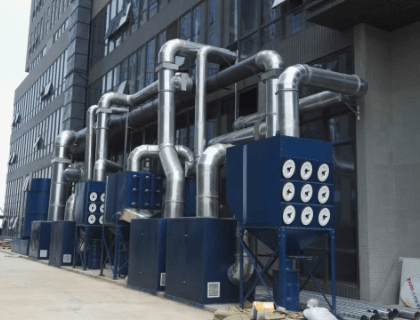
Duct work plays a crucial role in managing fiberglass dust in your house, acting as both a pathway for air circulation and a potential reservoir for airborne particles. When systems are poorly maintained, they can become hotspots for fiberglass dust accumulation, especially if you have fiberglass insulation in your attic. Understanding how duct work contributes to the presence of fiberglass dust can help you take proactive steps to mitigate its effects.
How Duct Work Contributes
Duct work is essentially the circulatory system of your home’s heating and cooling setup, delivering conditioned air throughout different rooms. Unfortunately, if there’s any damage or leaks, these ducts can also draw in and distribute fiberglass dust throughout your living spaces. This means that even if you’ve done everything right with your air filter and insulation choices, faulty duct work can still lead to unwanted fiber glass particles floating around.
Cleaning and Maintenance Strategies
To keep fiberglass dust levels low in your home, regular cleaning and maintenance of duct work should be a priority. Start by inspecting the ducts for any signs of wear or damage; this could include visible tears or excessive dust buildup around joints. Additionally, using high-quality HEPA filters can significantly reduce the amount of airborne fiberglass dust that circulates through your home’s ventilation system—make sure to change these filters regularly to maintain their effectiveness.
When to Replace Duct Work
Knowing when to replace duct work is essential for maintaining a healthy indoor environment free from excessive fiberglass dust in house settings. If your ducts are older than 15-20 years or show signs of corrosion or significant damage, it might be time for an upgrade. Newer duct systems not only improve airflow efficiency but also provide better sealing against contaminants like fiber glass particles that could otherwise infiltrate your living space.
Innovations in Dust Removal
In the battle against fiberglass dust in the house, innovation is key. New technologies and methods are emerging to help homeowners manage and reduce the presence of fiber glass particles lurking in their living spaces. From advanced air filters to specialized cleaning services, there are a plethora of options available to tackle this pesky problem.
NAROO’s Advanced Solutions
NAROO has been at the forefront of developing advanced solutions for managing fiberglass dust in homes. Their innovative products focus on reducing airborne particles, including those pesky fibers from fiberglass insulation that can infiltrate your indoor air quality. By utilizing cutting-edge technology, NAROO's systems not only trap fiberglass dust but also improve overall ventilation, ensuring that your home remains a safe haven.
Moreover, NAROO emphasizes the importance of using high-efficiency particulate air (HEPA) filters in combination with their solutions. These filters are designed to capture even the tiniest particles, providing an extra layer of protection against fiberglass dust contamination. With such advancements at hand, homeowners can breathe easier knowing they have effective tools to combat this invisible adversary.
Benefits of Professional Removal Services
While DIY methods might seem appealing for tackling fiberglass dust in house environments, professional removal services offer unparalleled expertise and efficiency. Trained professionals understand how duct work contributes to dust distribution and can effectively clean areas that may be hard for homeowners to access themselves. This thorough approach ensures that every nook and cranny is addressed, significantly reducing potential exposure.
Additionally, professionals often use advanced equipment that goes beyond standard cleaning tools; they utilize specialized vacuums equipped with HEPA filters specifically designed for capturing fiber glass particles safely and effectively. This level of precision not only enhances your home's air quality but also prolongs the life of your HVAC system by preventing clogs caused by accumulated dust within duct work or insulation barriers like fiberglass attic insulation.
Lastly, hiring experts means less hassle for you as a homeowner; you can leave it to them while focusing on what truly matters—your family's comfort and health without worrying about lingering contaminants like fiberglass dust.
DIY vs. Professional Approaches
When considering how best to manage fiberglass dust in house settings, both DIY methods and professional approaches have their merits—and limitations too! For instance, simple housekeeping practices like regular vacuuming with a HEPA filter-equipped machine can help keep fiber glass particles at bay between deep cleans or renovations involving fiberglass insulation removal or installation.
However, while these DIY strategies may offer some relief from visible debris or minor airborne particles, they often fall short when dealing with significant accumulations within duct work or hidden areas where fiberglass might reside undetected. In contrast, professional services bring expertise along with specialized tools designed specifically for handling hazardous materials like fiber glass safely and effectively.
Ultimately, choosing between DIY efforts versus hiring professionals depends on your specific situation—consider factors such as severity of contamination levels or personal comfort levels when tackling such tasks! Whether you go solo or seek help from experts armed with knowledge about managing airborne hazards efficiently will determine how well you conquer those troublesome fibers floating around your home environment!
Conclusion
In conclusion, managing fiberglass dust in your home is crucial for maintaining a healthy living environment. By understanding the sources and health risks associated with fiberglass, you can implement effective strategies to reduce its presence. Remember, a proactive approach not only enhances indoor air quality but also protects your family’s well-being.
Strategies for Reducing Fiberglass Dust
To effectively reduce fiberglass dust in your house, start by regularly inspecting and maintaining any fiberglass insulation, especially in attics and walls. Implementing thorough housekeeping practices like vacuuming with a HEPA filter vacuum can significantly minimize the spread of fibers throughout your home. Additionally, sealing any gaps or leaks in duct work will help contain airborne particles and prevent them from circulating.
Ensuring Indoor Air Quality
Ensuring good indoor air quality hinges on the use of high-quality air filters that can capture microscopic particles, including those pesky fiberglass fibers. Installing a HEPA filter not only helps trap fiberglass dust but also improves overall air cleanliness by filtering out other allergens and pollutants. Regularly changing these filters is essential to maintain their effectiveness and keep your home free from harmful contaminants.
Getting Professional Help When Needed
Sometimes DIY solutions just won't cut it when dealing with stubborn fiberglass dust in your house; that's when professional help becomes invaluable. Engaging specialists who understand the intricacies of fiberglass attic insulation and duct work can provide comprehensive cleaning services that ensure all traces of dust are removed safely and efficiently. Don't hesitate to reach out for expert assistance if you suspect excessive buildup or contamination—your health deserves it!