

Introduction
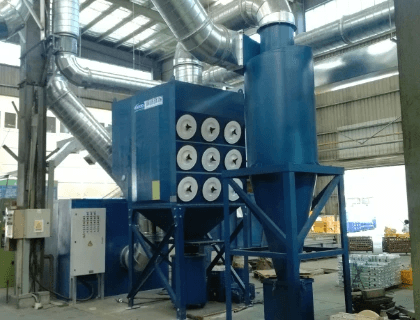
In today's industrial landscape, safety standards are paramount, and one of the most critical among them is NFPA 660. This standard specifically addresses the hazards associated with combustible dust, which can lead to catastrophic events if not properly managed. Understanding and implementing NFPA combustible dust guidelines is essential for protecting both workers and facilities from potential risks.
The Importance of NFPA 660
NFPA 660 serves as a cornerstone for ensuring safety in environments where combustible dust is present. By establishing clear guidelines, it helps organizations navigate the complexities of managing these hazardous materials effectively. Compliance with these standards not only enhances workplace safety but also fosters a culture of accountability and diligence regarding industrial dust control.
Overview of Combustible Dust Hazards
Combustible dust hazards are often underestimated, yet they pose significant risks across various industries—from food processing to woodworking and metalworking. When fine particles accumulate and become airborne, they can ignite under certain conditions, leading to explosions or fires that endanger lives and property. Recognizing these hazards is crucial for implementing effective strategies such as industrial dust extraction systems that mitigate risks associated with combustible dust.
Understanding the Need for New Standards
The need for updated combustible dust standards stems from evolving industrial practices and technologies that can introduce new risks. As industries grow more complex, so too do the challenges related to managing combustible materials safely. Therefore, enhancing existing regulations like NFPA 660 ensures that safety measures keep pace with advancements in production techniques and equipment while promoting best practices in industrial dust control.
What is NFPA 660?

NFPA 660 is a critical standard developed by the National Fire Protection Association (NFPA) specifically addressing the hazards posed by combustible dust in various industries. This standard aims to provide guidelines that help organizations identify, evaluate, and mitigate risks associated with combustible dust, ensuring a safer working environment. By understanding NFPA 660, facilities can implement effective measures that align with best practices in industrial dust control.
Key Principles of NFPA Combustible Dust
At its core, NFPA 660 emphasizes the need for comprehensive risk assessment and management strategies concerning combustible dust hazards. The standard outlines essential principles such as identification of materials that pose explosion risks, proper housekeeping practices to minimize dust accumulation, and installation of appropriate industrial dust extraction systems to capture airborne particles effectively. Additionally, it advocates for regular training and education of employees about combustible dust safety protocols to foster a culture of safety within organizations.
Historical Context and Development
The development of NFPA 660 stems from a long history of incidents related to combustible dust explosions that have resulted in significant loss of life and property damage across various sectors. Over the years, regulatory bodies recognized the urgent need for more stringent standards focused specifically on these hazards; thus, NFPA began formulating guidelines tailored to address these concerns comprehensively. The evolution of this standard reflects ongoing advancements in technology and an increased understanding of how combustible dust behaves under different conditions.
Relation to Other Combustible Dust Standards
NFPA 660 does not exist in isolation; rather, it complements other established combustible dust standards such as OSHA’s General Industry Standards and those set forth by the American National Standards Institute (ANSI). Together with these regulations, NFPA's guidelines create a robust framework for managing combustible dust risks across various industries—including food processing, woodworking, pharmaceuticals, and metalworking—ensuring comprehensive protection against potential hazards. By aligning with multiple standards related to industrial dust control measures and equipment like industrial dust collectors or extraction systems, organizations can enhance their overall compliance efforts while promoting workplace safety.
Identifying Combustible Dust
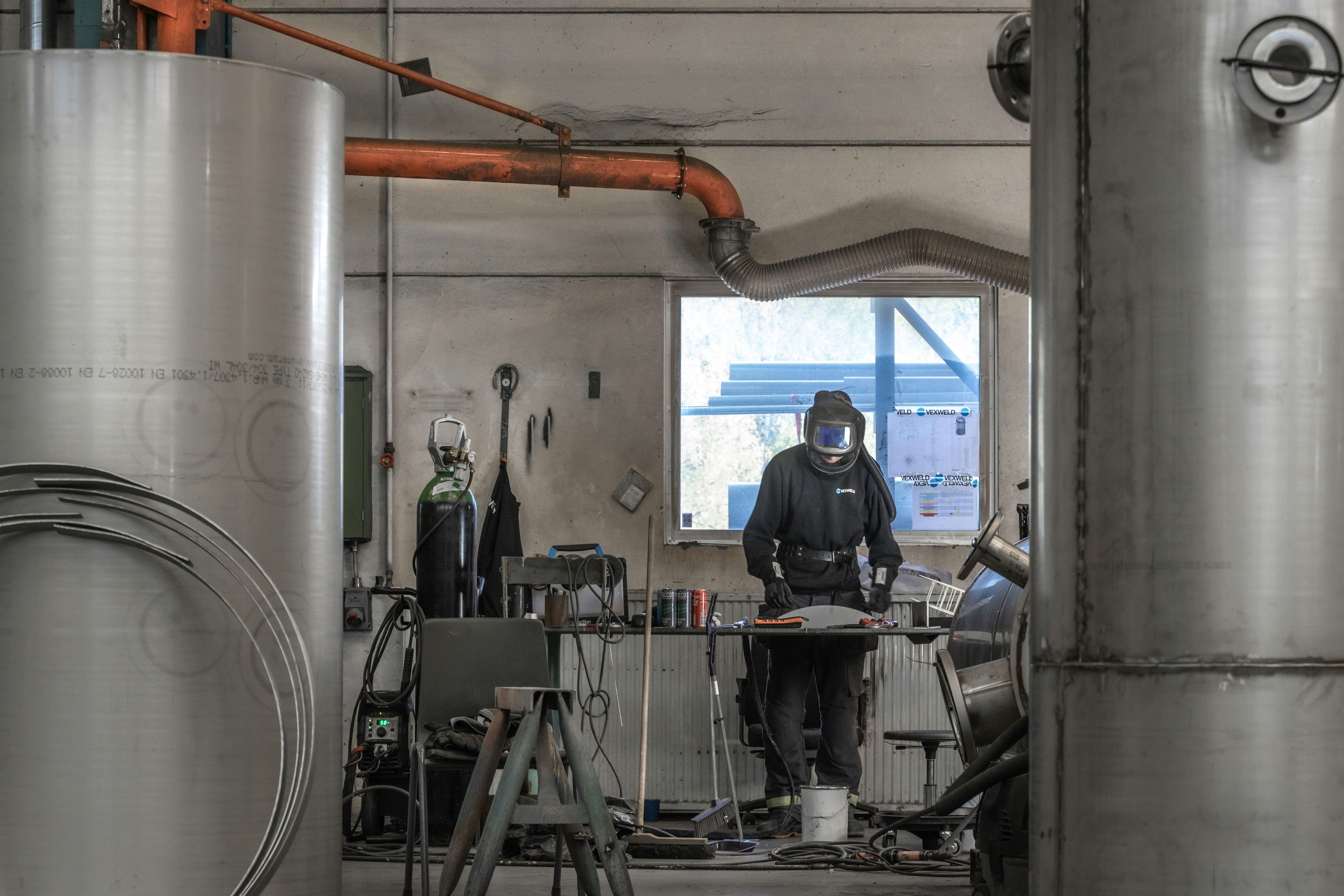
Identifying combustible dust is a critical step in ensuring workplace safety and compliance with the NFPA combustible dust standards. Proper identification not only helps in mitigating risks but also plays a significant role in implementing effective industrial dust control measures. Understanding which industries are most affected by combustible dust hazards can guide organizations in developing robust safety protocols.
Common Industries Affected
Several industries are particularly susceptible to the dangers posed by combustible dust, including food processing, woodworking, pharmaceuticals, and metalworking. In these sectors, materials such as flour, wood chips, sugar, and metal powders can create hazardous environments if not properly managed. The NFPA combustible dust guidelines emphasize the need for awareness and vigilance in these industries to prevent potential explosions or fires caused by accumulated combustible dust.
Characteristics of Combustible Dust
Combustible dust typically consists of fine particles that can ignite and cause explosions when suspended in air at certain concentrations. These particles may vary significantly in size, composition, and moisture content; however, they share common traits that make them dangerous when not controlled properly. For instance, many forms of industrial dust—such as those generated during manufacturing processes—can become airborne easily and pose serious risks if an effective industrial dust extraction system is not in place.
Importance of Proper Identification
Proper identification of combustible dust is paramount for effective risk management and compliance with NFPA standards. Organizations must conduct thorough assessments to determine the types of materials present on-site and their potential combustibility characteristics. By accurately identifying these hazards early on, companies can implement appropriate industrial dust control strategies that include regular monitoring and maintenance of their industrial dust collectors to maintain a safe working environment.
Implementing NFPA 660 in Facilities
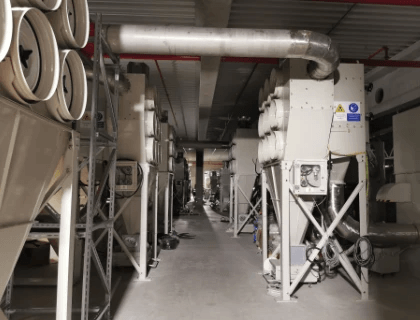
Implementing NFPA 660 in facilities is not merely a box-ticking exercise; it’s a crucial step toward ensuring safety and compliance with combustible dust standards. Facilities must recognize the unique risks associated with combustible dust, as outlined by the NFPA combustible dust guidelines. By proactively addressing these hazards, businesses can protect their employees and assets while fostering a culture of safety.
Steps for Compliance with NFPA Standards
Compliance with NFPA standards begins with a comprehensive risk assessment to identify potential sources of combustible dust within your facility. This involves evaluating processes, materials, and equipment that could contribute to dust generation and accumulation. Once identified, facilities should develop an action plan that includes regular inspections, maintenance schedules, and employee training focused on the importance of adhering to these combustible dust standards.
Next, it's essential to document all findings and actions taken to comply with NFPA requirements thoroughly. This documentation serves as both a reference for ongoing compliance efforts and evidence in case of audits or inspections. Additionally, engaging employees in discussions about the significance of following NFPA combustible dust protocols can foster a sense of ownership over workplace safety.
Lastly, consider consulting experts or industry professionals who specialize in industrial dust control measures to ensure that your facility meets all necessary guidelines effectively. They can provide insights into best practices tailored specifically for your operations while also helping you understand the latest developments related to industrial dust extraction systems.
Role of Industrial Dust Collectors
Industrial dust collectors play an integral role in implementing effective strategies for managing combustible dust hazards within facilities. These systems are designed to capture and filter airborne particles before they can accumulate on surfaces or enter workspaces—essentially acting as the first line of defense against potential explosions or fires caused by combustible dust nfpa concerns. Choosing the right industrial dust collector is vital; it should be appropriately sized based on your facility's specific needs and types of materials handled.
Moreover, regular maintenance and monitoring of these industrial dust extraction systems are essential for optimal performance. Clogged filters or malfunctioning equipment can lead to increased risks associated with combustible dust accumulation—defeating the purpose of having such systems in place! Facilities should establish routine checks on their collectors to ensure they are functioning correctly while also training staff on how to operate them safely.
Investing in high-quality industrial dust collectors not only helps meet compliance requirements but also contributes significantly towards creating a safer working environment overall. When workers feel confident about their safety measures against combustibles like flour or wood chips being processed nearby—they’re more likely to stay engaged and productive!
Creating an Effective Industrial Dust Control Plan
An effective industrial dust control plan is paramount for any facility dealing with combustible materials under NFPA regulations. The first step is identifying all areas where combustible dust may be generated during production processes—this includes everything from raw material handling through manufacturing operations down to packaging stages! Once identified, strategies should be developed that encompass both engineering controls (like ventilation) as well as administrative controls (like worker training).
Regularly updating this plan ensures it remains relevant amidst changing production processes or new regulations introduced by organizations like the NFPA regarding combustibles at work sites! Involving employees across various levels when developing this plan fosters collaboration—and often leads directly towards innovative solutions tailored specifically for addressing unique challenges presented by different types of industries dealing with various forms/types/sizes/concentrations/volumes/frequencies/etc., associated with hazardous substances present within those environments!
Finally—and perhaps most importantly—it’s crucial that management demonstrates commitment towards ongoing education around these issues faced daily by front-line workers tasked directly implementing procedures outlined within their respective plans! This could involve regular workshops featuring interactive components where staff members engage actively rather than passively absorbing information presented solely through lectures alone!
The Role of NAROO in Combustible Dust Safety

When it comes to addressing combustible dust hazards, NAROO stands out as a leader in innovative solutions tailored for compliance with NFPA combustible dust standards. Their approach combines advanced technology with industry expertise to create effective industrial dust extraction systems that not only meet regulatory requirements but also enhance workplace safety. By focusing on comprehensive industrial dust control strategies, NAROO empowers facilities to tackle the challenges posed by combustible dust head-on.
Overview of NAROO’s Innovative Solutions
NAROO has developed a range of cutting-edge solutions specifically designed to manage combustible dust safely and effectively. From state-of-the-art industrial dust collectors that capture particles at their source to customizable filtration systems, their products are engineered for optimal performance in various industries. By integrating smart technology and data analytics into their offerings, NAROO ensures that facilities can monitor and manage their combustible dust levels proactively.
In addition to hardware, NAROO provides software solutions that help track compliance with NFPA standards and streamline operational processes. Their comprehensive approach not only reduces the risk associated with combustible dust but also enhances overall efficiency within industrial environments. With an emphasis on innovation, NAROO remains committed to developing solutions that adapt to the evolving needs of businesses facing combustible dust challenges.
Certifications and Partnerships
NAROO's commitment to safety is reflected in its numerous certifications and strategic partnerships within the industry. By collaborating with leading organizations focused on fire safety and environmental protection, they ensure that their products meet or exceed all applicable NFPA combustible dust standards. These partnerships not only enhance credibility but also foster continuous improvement in product development.
Moreover, NAROO actively participates in industry conferences and training sessions aimed at educating stakeholders about the importance of proper industrial dust control measures. Their involvement helps raise awareness about best practices for managing combustible dust hazards while promoting a culture of safety across various sectors. This proactive stance positions NAROO as a trusted partner for companies striving for compliance with stringent regulations.
Case Studies with Leading Companies
To illustrate the effectiveness of its innovative solutions, NAROO has partnered with several leading companies across diverse industries facing significant challenges related to combustible dust management. For instance, one notable case involved a manufacturing facility where traditional methods were insufficient for controlling high volumes of explosive particulate matter; after implementing an advanced industrial dust extraction system from NAROO, they achieved remarkable reductions in airborne particulates while ensuring compliance with NFPA guidelines.
Another success story includes a food processing plant that struggled with maintaining hygiene standards due to excessive flour accumulation—a common issue related to combustible dust risks in such environments. By integrating customized industrial dust collectors from NAROO into their operations, they significantly improved air quality while reducing potential fire hazards associated with flour accumulation on surfaces and equipment.
These case studies highlight not only the practical applications of NAROO's solutions but also demonstrate how effective industrial dust control can lead directly to enhanced safety outcomes—proving once again why investing in robust systems is crucial for any facility dealing with combustible materials.
Best Practices for Ongoing Compliance

Ensuring ongoing compliance with NFPA combustible dust standards is not a one-time task but a continuous commitment. By integrating best practices into your facility's operations, you can significantly reduce the risks associated with combustible dust. This section will explore essential strategies to maintain compliance and enhance safety.
Regular Training and Education
One of the cornerstones of maintaining compliance with combustible dust standards is regular training and education for all personnel involved in industrial processes. Employees should be well-versed in the properties of combustible dust, how to identify it, and the specific protocols outlined by NFPA 660. Continuous education helps create a culture of safety where everyone understands their role in managing combustible dust hazards.
In addition to initial training, consider implementing refresher courses at least annually to keep staff updated on best practices and any changes in regulations related to NFPA combustible dust standards. Incorporating hands-on training with industrial dust control equipment can also reinforce learning and ensure that employees are comfortable using these systems effectively. Remember, an informed workforce is your first line of defense against potential incidents involving combustible dust.
Keeping Up with Industrial Dust Extraction Systems
Staying current with advancements in industrial dust extraction systems is crucial for effective compliance with NFPA guidelines. As technology evolves, newer models of industrial dust collectors offer improved efficiency and better filtration capabilities that can significantly reduce airborne particulate matter associated with combustible dust hazards. Regularly assessing your existing systems ensures they meet or exceed current standards.
Investing in state-of-the-art industrial dust extraction systems not only enhances safety but also boosts operational efficiency by minimizing downtime caused by maintenance issues or system failures. Additionally, consider collaborating with manufacturers or experts who specialize in NFPA combustible dust solutions; their insights can help tailor your system to fit your specific needs more effectively. Keeping abreast of industry trends will position your facility as a leader in safety and compliance.
Importance of Monitoring and Maintenance
Monitoring and maintenance are vital components of any comprehensive plan addressing combustible dust risks within facilities adhering to NFPA standards. Regular inspections should be conducted on both the facility’s environment and its industrial dust control equipment to identify potential issues before they escalate into serious problems. Implementing a routine maintenance schedule for your industrial dust collectors ensures optimal performance while reducing the likelihood of malfunctions that could lead to hazardous situations.
Moreover, utilizing monitoring technologies such as sensors can provide real-time data regarding airborne particulate levels, allowing for immediate corrective actions when necessary. This proactive approach not only helps maintain compliance but also fosters an environment where safety is prioritized at all levels of operation within the organization. Remember: an ounce of prevention is worth a pound of cure when it comes to managing combustible dust hazards effectively.
Conclusion
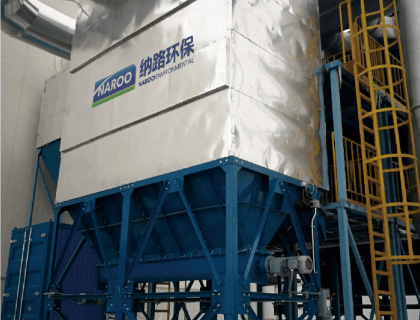
In wrapping up our exploration of NFPA 660 and its impact on combustible dust safety, it’s clear that understanding and implementing these standards is crucial for various industries. The NFPA combustible dust guidelines not only provide a framework for identifying and managing risks but also foster a culture of safety within facilities. As we look ahead, the importance of compliance with combustible dust standards cannot be overstated; it’s a matter of protecting lives and property.
Key Takeaways on NFPA 660
The key takeaways from NFPA 660 highlight the essential aspects of managing combustible dust hazards effectively. First, the standard emphasizes the need for proper identification of combustible dust in various industrial settings, ensuring that facilities recognize potential risks specific to their operations. Second, compliance with NFPA combustible dust guidelines requires a proactive approach, including regular assessments and the implementation of robust industrial dust control measures to mitigate hazards.
Moreover, understanding the relationship between NFPA 660 and other existing standards can help organizations align their practices with best industry norms. The integration of an industrial dust extraction system is vital in meeting these standards while enhancing overall operational efficiency. By adhering to these principles, organizations can create safer work environments that prioritize employee well-being.
Enhancing Safety through Compliance
Enhancing safety through compliance with NFPA 660 goes beyond mere regulatory adherence; it involves fostering a culture where safety becomes everyone’s responsibility. Organizations must invest in training programs aimed at educating employees about combustible dust hazards and effective control measures like industrial dust collectors. This ongoing education ensures that staff remain vigilant and equipped to identify potential risks before they escalate into serious incidents.
Additionally, developing an effective industrial dust control plan tailored to specific facility needs is paramount for successful implementation of these standards. Regular monitoring and maintenance of systems are essential components that contribute significantly to long-term compliance efforts. By prioritizing safety through diligent adherence to NFPA guidelines, companies not only protect their workforce but also enhance productivity by minimizing downtime due to accidents or equipment failures.
Future of Combustible Dust Standards
Looking toward the future, we anticipate that combustible dust standards will continue evolving in response to emerging technologies and changing industry practices. As more innovative solutions become available—such as advanced industrial dust extraction systems—the ability to manage risks associated with combustible dust will improve significantly. This evolution will likely lead to more stringent regulations aimed at ensuring comprehensive safety across various sectors.
Furthermore, collaboration among industry stakeholders—including manufacturers, regulatory bodies like the NFPA, and end-users—will be crucial in shaping new standards that address contemporary challenges related to combustible dust management. As awareness grows regarding the dangers posed by combustible materials, we can expect a push towards more standardized approaches globally—ensuring consistent protection against fire hazards linked to combustible dust across all industries.
In conclusion, embracing NFPA 660 not only adheres your operations to established norms but also establishes a foundation for future advancements in workplace safety regarding combustible materials.