

Introduction

In today’s world, the quality of the air we breathe is more critical than ever, especially in industrial settings where pollutants and dust can compromise health and productivity. Enter the industrial HEPA air filter—a powerful ally in maintaining clean air environments. Understanding its function and significance is essential for anyone looking to enhance their workspace with effective air purification solutions.
Understanding Industrial HEPA Air Filters
Industrial HEPA air filters are designed to capture a staggering 99.97% of airborne particles, making them indispensable for industries such as manufacturing, pharmaceuticals, and food processing. These filters work by using a dense mat of fibers that trap particles as small as 0.3 microns, ensuring that even the tiniest dust specks are filtered out. With an industrial air purifier for dust equipped with HEPA technology, businesses can significantly reduce contaminants in their facilities.
Importance of Replacement Filters
Like any vital component in an industrial setting, HEPA filters require regular replacement to maintain optimal performance and efficiency. Over time, these filters become clogged with trapped particles, leading to diminished airflow and reduced filtration effectiveness—an issue that can directly impact product quality and worker health. Therefore, understanding when to perform an industrial HEPA air filter replacement is crucial for sustaining a safe working environment.
Overview of NAROO's Solutions
NAROO stands at the forefront of air filtration technology by providing some of the best industrial HEPA air filters available on the market today. With a commitment to innovation and quality, NAROO offers a range of products tailored to meet diverse industry needs while keeping industrial HEPA air filter prices competitive. Their solutions not only promise superior filtration but also emphasize ease of use and maintenance—key factors for any business invested in improving indoor air quality.
What is an Industrial HEPA Air Filter?

When it comes to maintaining a clean and safe environment, the industrial HEPA air filter stands out as a critical component in air purification systems. These filters are designed to capture a minimum of 99.97% of particles that are 0.3 microns or larger, making them incredibly effective at removing dust, allergens, and other harmful pollutants from the air. Whether you're in manufacturing, healthcare, or any industry concerned with air quality, understanding these filters is essential for optimal performance.
Definition and Functionality
An industrial HEPA air filter is a high-efficiency particulate air filter specifically engineered for large-scale applications where air quality is paramount. These filters operate by forcing air through a fine mesh that traps particles, ensuring that only clean air circulates back into the environment. Their functionality not only enhances indoor air quality but also protects equipment and processes from contamination.
Key Features of HEPA Filters
One of the standout features of industrial HEPA air filters is their ability to remove microscopic particles that traditional filters often miss. They are constructed using advanced materials such as fiberglass or synthetic fibers which provide superior filtration efficiency and durability under heavy use conditions. Additionally, many models come with features like pleated designs for increased surface area and pre-filters to extend the life of the main filter—making them an excellent investment for any facility looking to improve its indoor atmosphere.
Applications in Various Industries
Industrial HEPA air filters find applications across a multitude of sectors including pharmaceuticals, food processing, electronics manufacturing, and healthcare facilities where sterile environments are crucial. In these settings, an industrial HEPA air filter plays a vital role in preventing contamination that can lead to product spoilage or health risks for employees and customers alike. Furthermore, when considering options like an industrial air purifier for dust control specifically tailored to your industry needs can significantly enhance operational efficiency.
When to Replace Your HEPA Filter

Keeping your industrial HEPA air filter in top shape is crucial for maintaining clean air quality in your workspace. Over time, these filters can lose their effectiveness, leading to a buildup of dust, allergens, and other pollutants that can compromise the health of everyone in the environment. Understanding when to replace your industrial HEPA air filter will not only enhance air quality but also prolong the life of your industrial air purifier for dust.
Signs of Diminished Performance
Recognizing the signs that your industrial HEPA air filter needs replacement is key to maintaining optimal performance. If you notice an increase in dust accumulation on surfaces or a persistent musty smell in the air, it may be time to consider an industrial HEPA air filter replacement. Additionally, if your HVAC system is running louder than usual or struggling to maintain airflow, these could be indicators that the filter has reached its capacity and needs replacing.
Another telltale sign is a drop in efficiency; if you find yourself frequently adjusting settings on your industrial air purifier for dust without any improvement, it might be due to a clogged filter. Monitoring pressure drops across the filter can also provide insight; significant increases indicate that airflow is being restricted by dirt buildup. Regular checks will help ensure you catch these signs early before they lead to bigger issues.
Recommended Replacement Schedule
While some filters may seem fine at first glance, following a recommended replacement schedule helps avoid unexpected performance dips. Generally speaking, it's advisable to replace an industrial HEPA air filter every six months to one year depending on usage levels and environmental conditions. High-demand environments—like manufacturing plants or hospitals—may require more frequent changes compared to less intensive settings.
Keep track of operating hours and environmental factors like humidity and particulate levels; these can significantly influence how often you'll need replacements. Consider setting reminders based on this schedule so you're not caught off guard by deteriorating performance when you need clean air most. Investing time into planning regular replacements will save money over time by ensuring you're using the best industrial HEPA air filter available.
Impact of Neglecting Replacement
Neglecting timely replacements for your industrial HEPA air filter can lead to several adverse outcomes that go beyond just poor indoor air quality. A clogged or worn-out filter forces HVAC systems to work harder, which can result in increased energy consumption and higher operational costs—defeating any savings from delaying replacements! Furthermore, prolonged use of ineffective filters may allow harmful particles such as mold spores and bacteria into the environment.
The health implications are serious too; employees exposed to unfiltered pollutants are more likely to experience respiratory issues or allergies over time—a situation no employer wants on their conscience! Ultimately, failing to prioritize maintenance means risking both employee wellbeing and productivity levels while undermining investments made into high-quality filtration systems like those offered by NAROO's lineup of products.
When to Replace Your HEPA Filter

Keeping your industrial HEPA air filter in top shape is crucial for maintaining optimal air quality. Over time, these filters can lose their effectiveness, which can lead to a host of issues, from increased dust levels to potential health risks. Knowing when to replace your industrial HEPA air filter can save you money and ensure that your environment remains safe and clean.
Signs of Diminished Performance
Several indicators suggest that it's time for an industrial HEPA air filter replacement. One of the most noticeable signs is a decline in airflow; if you feel less air coming from your industrial air purifier for dust, it may be clogged with particles. Additionally, if you start noticing an increase in dust accumulation or unpleasant odors in the environment, it’s a clear signal that your filter is no longer doing its job effectively.
Another telltale sign is the presence of allergens or respiratory issues among employees or occupants in the area. If individuals begin experiencing more frequent allergies or respiratory problems, this could indicate that the HEPA filter isn't capturing contaminants as it should. Regularly checking the pressure gauge on your system can also provide insights into whether it's time for a replacement; a significant drop in pressure often means that it's time to swap out the old filter for a new one.
Recommended Replacement Schedule
To ensure optimal performance of your industrial HEPA air filter, adhering to a recommended replacement schedule is essential. Generally speaking, these filters should be replaced every 6 to 12 months depending on usage and environmental conditions; high-traffic areas may require more frequent changes than quieter spaces. Keeping track of operating hours and conditions will help determine the best timing for an industrial HEPA air filter replacement.
It's worth noting that some manufacturers provide guidelines based on specific applications and environments; following these recommendations can help extend the life of both your filters and equipment. For industries dealing with heavy dust loads or hazardous materials, more regular replacements may be necessary—sometimes as frequently as every three months! Always consult with experts or product specifications to find out what works best for your unique situation.
Impact of Neglecting Replacement
Neglecting timely replacement of your industrial HEPA air filter can have serious repercussions not only on indoor air quality but also on overall operational efficiency. A clogged or ineffective filter forces machinery to work harder, leading to increased energy consumption and higher operational costs—a double whammy! Moreover, poor filtration can result in higher levels of airborne pollutants like dust and allergens causing health issues among employees.
In addition to health risks, failing to replace filters on schedule can shorten equipment lifespan due to strain from unfiltered particulates circulating through systems designed for clean environments. This means more frequent repairs or replacements down the line—an expense no business wants! Ultimately, investing in regular industrial HEPA air filter replacements not only enhances workplace safety but also improves cost-effectiveness over time.
NAROO: Leading the HEPA Revolution
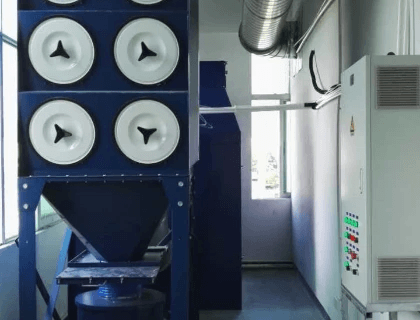
NAROO has firmly established itself as a frontrunner in the realm of air filtration, particularly with its commitment to producing high-quality industrial HEPA air filters. With years of experience under their belt, they have honed their expertise in creating solutions that ensure optimal air quality across various industries. Their dedication to innovation and performance makes them a trusted name when it comes to industrial HEPA air filter replacement.
Company Overview and Expertise
Founded with a mission to revolutionize air quality management, NAROO specializes in advanced filtration technologies tailored for industrial applications. Their team comprises experts who understand the nuances of air purification, ensuring that each industrial HEPA air filter meets stringent standards for efficiency and reliability. By focusing on both research and development, NAROO is constantly pushing the envelope to provide the best industrial HEPA air filters available on the market.
Innovations in Air Filtration
NAROO's commitment to innovation is evident in its cutting-edge designs that enhance the performance of industrial HEPA air filters. They utilize state-of-the-art materials and technologies that improve dust capture rates while prolonging filter life, making their products both effective and cost-efficient. As industries face increasing demands for cleaner environments, NAROO’s innovations ensure that their customers receive top-notch solutions tailored for specific needs—whether it's an industrial air purifier for dust or other airborne contaminants.
Trusted Partnerships and Certifications
To further solidify its reputation, NAROO has forged strong partnerships with leading organizations worldwide, ensuring that their products are recognized for excellence in quality and performance. These collaborations enable NAROO to stay ahead of industry trends while adhering to strict regulatory standards governing air filtration systems. Additionally, numerous certifications validate their products' effectiveness, providing customers confidence when investing in an industrial HEPA air filter replacement.
NAROO: Leading the HEPA Revolution

When it comes to industrial HEPA air filters, NAROO stands out as a pioneer in the field. With years of experience and a commitment to quality, this company has positioned itself as a leader in air filtration solutions. Their expertise not only encompasses manufacturing high-performance filters but also understanding the specific needs of various industries that rely on clean air.
Company Overview and Expertise
NAROO has built its reputation on providing top-notch industrial HEPA air filter solutions tailored for diverse applications. The company prides itself on its innovative approach, combining cutting-edge technology with extensive research to develop filters that meet stringent industry standards. With a dedicated team of experts, NAROO ensures that each industrial HEPA air filter is designed for optimal performance and durability.
In addition to their products, NAROO emphasizes customer education regarding the importance of regular industrial HEPA air filter replacement. They understand that maintaining air quality is crucial for health and productivity in workplaces across sectors such as manufacturing, healthcare, and food processing. By offering guidance on when and how to replace filters, NAROO empowers customers to make informed decisions about their air purification needs.
Innovations in Air Filtration
Innovation is at the heart of NAROO's mission to revolutionize air filtration technology. The company continually invests in research and development to enhance the efficiency of its industrial HEPA air filters while keeping an eye on affordability—after all, who wants an exorbitant industrial HEPA air filter price? Their latest advancements include smart sensors that monitor filter performance in real-time, alerting users when it’s time for replacement.
These innovations not only improve indoor air quality but also extend the lifespan of their filters, making them some of the best industrial HEPA air filters available today. By focusing on sustainability and efficiency, NAROO helps businesses reduce operational costs while ensuring a healthier environment for employees. This forward-thinking approach sets them apart from competitors who may still rely on outdated technologies.
Trusted Partnerships and Certifications
NAROO understands that trust is key when it comes to selecting an industrial HEPA air filter supplier. That's why they have forged strong partnerships with leading organizations within various industries—ensuring their products meet or exceed regulatory standards for safety and efficiency. These collaborations have allowed them to stay ahead of market trends while maintaining high-quality production processes.
Moreover, all NAROO products come with certifications from recognized bodies attesting to their effectiveness against dust particles and other airborne contaminants—making them ideal choices for those seeking an industrial air purifier for dust control specifically tailored for challenging environments. This credibility not only reassures customers about product reliability but also reinforces NAROO's position as a trusted leader in the field.
In conclusion, if you're looking for reliable solutions in industrial HEPA air filtration backed by expertise and innovation, look no further than NAROO! Their commitment to excellence ensures you receive top-quality products at competitive prices without compromising on performance or safety.
Choosing the Best Industrial HEPA Air Filter
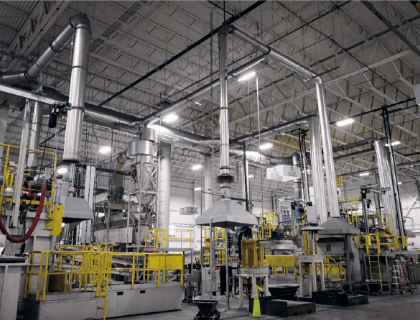
Selecting the right industrial HEPA air filter can feel like navigating a maze, but with the right information, you can find your way. Factors such as efficiency, filter size, and specific application needs come into play when making your choice. Understanding these elements will help ensure that you invest in an industrial HEPA air filter that meets your requirements and enhances air quality.
Factors Influencing Your Choice
When it comes to choosing the best industrial HEPA air filter, several factors should be considered. First and foremost, the efficiency rating of the filter is crucial; look for filters that capture at least 99.97% of particles down to 0.3 microns for optimal performance. Additionally, consider the size of the filter and how it fits within your existing system—an ill-fitting filter could compromise its effectiveness.
Another factor is the specific contaminants you need to address; some filters are designed for dust while others target allergens or chemical vapors. This makes it essential to assess your environment before making a decision on an industrial HEPA air filter replacement. Don’t forget about maintenance needs as well; some filters require more frequent changes than others, impacting long-term costs.
Comparing Industrial HEPA Air Filter Prices
Price comparison is key when selecting an industrial HEPA air filter because costs can vary significantly based on brand and specifications. Generally speaking, higher-priced filters may offer better filtration efficiency or longer lifespans, but it's essential to balance cost with quality to ensure you're not just throwing money at a label. Be sure to factor in potential savings from reduced energy consumption and longer replacement intervals when evaluating overall value.
You’ll also want to explore bulk purchase options or subscription services offered by manufacturers like NAROO that might lower your overall expenses on industrial HEPA air filter replacements over time. Reading user reviews can provide insight into whether a particular model justifies its price tag based on real-world performance and durability. Ultimately, finding a balance between price and effectiveness will lead you toward making an informed choice.
Recommendations for Specific Applications
Different industries have unique demands when it comes to air filtration systems; thus, recommendations vary widely based on application type. For instance, if you're in manufacturing or construction where dust is prevalent, look for an industrial air purifier specifically designed for dust capture—these often feature enhanced pre-filters alongside their HEPA components for maximum efficacy against particulates.
In healthcare settings where airborne pathogens are a concern, investing in high-efficiency models designed specifically for medical environments is crucial; these filters not only trap harmful particles but also tend to have antimicrobial properties as well. For food processing facilities seeking compliance with strict sanitation standards, consider filters that meet FDA regulations while maintaining excellent filtration capabilities.
By matching your specific application needs with the right type of industrial HEPA air filter solution available in today’s market—whether it's focusing on dust control or ensuring clean airflow in sensitive environments—you'll be better equipped to make informed decisions that boost both safety and productivity.
Choosing the Best Industrial HEPA Air Filter

Selecting the right industrial HEPA air filter can feel like navigating a maze. With various options available, it's essential to consider several factors that influence your choice, ensuring you invest in an effective solution tailored to your needs. From performance metrics to application requirements, understanding these elements will lead you to the best industrial HEPA air filter for your environment.
Factors Influencing Your Choice
When it comes to choosing an industrial HEPA air filter, several key factors come into play. First and foremost, consider the specific contaminants you need to filter out; whether it's dust, allergens, or other particulates will dictate the type of filter you require. Additionally, pay attention to the airflow rate and efficiency ratings—filters with higher ratings typically provide better performance but may also come at a higher price.
Another crucial aspect is compatibility with your existing systems; ensure that your chosen industrial HEPA air filter replacement fits seamlessly into your current setup without requiring extensive modifications. You should also evaluate maintenance requirements; some filters demand more frequent upkeep than others, which can affect long-term costs and convenience. Lastly, don’t overlook manufacturer reputation and customer reviews; insights from other users can guide you toward reliable options that have proven their worth in real-world applications.
Comparing Industrial HEPA Air Filter Prices
Price is often a deciding factor when selecting an industrial HEPA air filter replacement, but it's vital not to sacrifice quality for cost alone. While searching for the best industrial HEPA air filter deals online or in-store, be cautious of filters that seem too cheap—they might compromise on efficacy or durability. Instead of focusing solely on upfront costs, consider long-term value; investing in a high-quality filter may save you money down the road by reducing energy consumption and improving overall efficiency.
To effectively compare prices across different brands and models of industrial HEPA air filters, create a checklist of features and specifications that matter most for your application. This way, you can assess whether a higher-priced option offers additional benefits worth the investment or if more affordable alternatives meet your needs adequately. Remember also to factor in potential shipping costs and warranty options when evaluating total expenses.
Recommendations for Specific Applications
Every industry has its unique challenges when it comes to maintaining clean air quality; thus selecting an appropriate industrial air purifier for dust is crucial for optimal performance. For manufacturing facilities dealing with fine particles or hazardous materials, choose filters specifically designed for heavy-duty use—these often feature enhanced filtration capabilities and longer lifespan compared to standard models.
In healthcare settings where airborne pathogens are a concern, look for high-efficiency filters with certifications like UL 586 or EN 1822 standards—these ensure maximum protection against contaminants while maintaining airflow efficiency essential for patient comfort. For commercial kitchens or food processing plants where grease particles are prevalent, consider specialized filters that offer both grease capture and particulate removal capabilities.
No matter what industry you're in, choosing the right industrial HEPA air filter involves careful consideration of specific needs combined with budgetary constraints—striking this balance will lead you toward cleaner indoor environments conducive to health and productivity.
Installation and Maintenance Tips

Installing and maintaining your industrial HEPA air filter is crucial for ensuring optimal performance and longevity. Proper installation not only maximizes filtration efficiency but also prolongs the life of your industrial HEPA air filter replacement cycles. Here, we’ll provide a clear guide to help you through the installation process, maintenance practices, and troubleshooting common issues.
Step-by-Step Installation Guide
To kick things off, gather all necessary tools: a screwdriver, safety goggles, and gloves are usually good bets when dealing with an industrial HEPA air filter. Start by turning off the air purifier to avoid any accidents; safety first! Next, remove the old filter carefully—make sure to follow the manufacturer’s instructions to avoid damaging any components.
Once you’ve successfully removed the old filter, take a moment to clean the surrounding area of dust and debris. This is especially important if you're using an industrial air purifier for dust removal in high-traffic environments like factories or warehouses. After cleaning, install your new industrial HEPA air filter by aligning it properly in its designated slot; make sure it fits snugly without forcing it into place.
Finally, secure everything back together as per the manufacturer's guidelines and turn on your unit. Voila! You’re now equipped with one of the best industrial HEPA air filters available on the market today. Remember to dispose of your old filters responsibly—environmentally friendly disposal is always appreciated!
Regular Maintenance Practices
Regular maintenance is key when it comes to ensuring that your industrial HEPA air filter operates at peak efficiency. Schedule routine checks every month to examine both the filter and the overall system performance; this will help you catch any potential issues before they escalate into costly problems or necessitate premature industrial HEPA air filter replacements.
In addition to monthly inspections, keep track of how often you use your unit and adjust your maintenance schedule accordingly. If you're operating in a particularly dusty environment or using an industrial air purifier for dust control extensively, consider more frequent checks—perhaps every two weeks—to ensure optimal performance levels are maintained.
Cleaning around your air purification system also plays a significant role in its functionality; dust buildup can hinder airflow and reduce efficiency over time. Keeping surfaces clean will not only extend the life of your filters but may also save you money on future industrial HEPA air filter prices.
Troubleshooting Common Issues
Even with proper installation and regular maintenance practices in place, issues can arise with any mechanical device—including your beloved industrial HEPA air filter system! One common issue is reduced airflow; if you notice this happening, check if there’s excessive dust buildup on or around the unit that could be obstructing airflow.
Another sign that something might be amiss is unusual sounds coming from your unit during operation—these could indicate loose components or even a failing motor that may require professional attention. If you've recently replaced an old filter but still experience diminished performance, double-check that you've installed it correctly according to manufacturer specifications.
Lastly, keep an eye out for warning lights or alerts from monitoring systems integrated into some modern units—they're designed specifically to notify you when it's time for an industrial HEPA air filter replacement or if there are other operational concerns needing immediate attention.