

Introduction
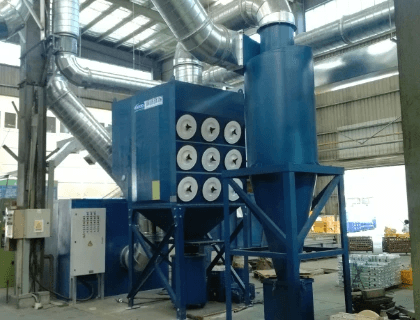
In any industrial setting, managing dust and airborne particles is crucial for maintaining a safe and efficient workspace. Dust collection systems play a pivotal role in this process, ensuring that harmful particles are effectively captured and removed from the air. Understanding the various types of dust collectors available can help businesses choose the right system tailored to their specific needs.
Understanding Dust Collection Systems
Dust collection systems are designed to filter and eliminate particulate matter generated during manufacturing processes, construction, or woodworking. These systems come in various forms, each with its unique mechanism of action and efficiency levels. Familiarizing oneself with different types of dust collectors—like Pulse jet dust collectors, Shaker dust collectors, Cartridge dust collectors, and Cyclone dust collectors—can significantly impact operational safety and productivity.
Importance of Selecting the Right Collector
Choosing the appropriate type of dust collector is essential for optimizing performance and ensuring compliance with health regulations. An ill-suited system may lead to inefficiencies or even hazardous working conditions due to inadequate filtration. By carefully evaluating factors such as space constraints, particle size, and volume of dust generation, businesses can select a collector that meets their operational demands effectively.
Overview of Common Dust Collectors
Among the common types of dust collectors are Baghouse systems, Cartridge systems, Cyclone designs, and specialized options like NAROO systems. Each type offers distinct advantages depending on application requirements; for instance, Baghouse systems excel in large-scale operations while Cartridge dust collectors are ideal for tighter spaces. Understanding these differences helps organizations make informed decisions about which type will best serve their needs while maximizing efficiency.
Baghouse Dust Collectors

Baghouse dust collectors are a popular choice for managing industrial dust and particulate matter. These systems utilize large fabric bags to capture dust particles from the air, making them highly efficient in various settings. In this section, we will explore how baghouse systems operate, their advantages, and the diverse industries that benefit from their use.
How They Work
Baghouse dust collectors function through a straightforward yet effective mechanism. Air laden with dust enters the collector and passes through a series of filter bags where the particles are trapped while clean air is released back into the environment. There are two primary types of baghouse systems: pulse jet dust collectors, which use bursts of compressed air to clean the bags periodically, and shaker dust collectors, which rely on mechanical shaking to dislodge accumulated dust.
The design of these systems allows for continuous operation without significant downtime for maintenance or cleaning. As the filter bags become coated with dust over time, they need to be cleaned regularly; this is where pulse jet and shaker mechanisms come into play. By ensuring optimal airflow and minimal resistance, baghouse systems maintain efficiency even in high-dust environments.
Advantages of Baghouse Systems
One of the standout advantages of baghouse systems is their versatility; they can handle various types of dust across multiple industries effectively. Unlike some other types of dust collector systems like cartridge or cyclone collectors, baghouses can manage larger volumes and heavier particulates without compromising performance. Additionally, they tend to have lower operational costs over time due to their durable construction and efficient cleaning mechanisms.
Another benefit lies in their high filtration efficiency; many baghouses can achieve up to 99% particle removal rates depending on the filter material used. This makes them particularly suitable for applications where air quality is critical or regulatory compliance must be met. Furthermore, advancements in technology have led to improved designs that enhance energy efficiency while reducing noise levels during operation.
Applications Across Industries
Baghouse dust collectors find applications across a wide range of industries due to their adaptability and effectiveness in capturing airborne pollutants. In manufacturing sectors such as woodworking or metalworking, these systems play an essential role in maintaining clean work environments by controlling harmful particles generated during processes like cutting or grinding. Similarly, they are widely used in food processing plants where hygiene standards demand rigorous control over airborne contaminants.
Other industries benefiting from baghouses include pharmaceuticals and chemicals where precision filtration is paramount for product integrity and worker safety. With stringent regulations surrounding emissions in many regions, businesses often turn to baghouse technology not only as a means of compliance but also as part of their commitment to sustainability practices by minimizing environmental impact. Overall, this type of dust collector remains a vital component across numerous sectors striving for cleaner air quality.
Cartridge Dust Collectors
Cartridge dust collectors are a popular type of dust collector known for their compact design and efficient filtration capabilities. These systems utilize cylindrical filter cartridges to capture dust and particulates from the air, making them ideal for environments where space is at a premium. With their ability to handle various types of dust, including fine particles, cartridge dust collectors have become a go-to solution in many industries.
Mechanism of Action
The mechanism of action in cartridge dust collectors revolves around the use of filter cartridges that are pleated to increase surface area and enhance filtration efficiency. Air laden with dust enters the collector, passing through the cartridges where particulates are trapped on the surface while clean air is expelled back into the environment. This process can be enhanced using either pulse jet or shaker mechanisms; pulse jet systems use bursts of compressed air to dislodge collected dust from the filters, while shaker systems rely on mechanical vibrations to achieve similar results.
Benefits for Smaller Spaces
One significant advantage of cartridge dust collectors is their suitability for smaller spaces, making them ideal for workshops and facilities with limited floor space. Their compact design allows them to fit easily into tight corners without compromising performance, which is often a challenge with larger system types like cyclone dust collectors or baghouse units. Additionally, cartridge systems generally require less maintenance than other types of dust collectors due to their efficient filtration methods and ease of access for cleaning.
Ideal Use Cases
Cartridge dust collectors shine in various applications where fine particulate matter is prevalent—think woodworking shops, metalworking facilities, and even pharmaceutical manufacturing environments. They are especially effective in situations where high levels of airborne contaminants can pose health risks or operational challenges; hence their popularity among industries focused on safety and compliance. Moreover, as industries evolve towards more compact machinery setups, these versatile systems continue to gain traction as an essential type of dust collector that meets modern demands.
Cyclone Dust Collectors

Cyclone dust collectors are a popular choice for many industries due to their unique design and efficient operation. This type of dust collector utilizes centrifugal force to separate dust and debris from the air, making it an effective solution for maintaining clean work environments. With a variety of configurations available, cyclone dust collectors can be tailored to meet specific needs across different applications.
The Science Behind Cyclonic Action
At the heart of cyclone dust collectors is the principle of cyclonic action, where air enters the collector at an angle, creating a spiral motion. This motion generates centrifugal force that pushes heavier particles outward against the walls of the collector, allowing lighter particles to escape through the exhaust. The larger particles then fall into a collection bin at the bottom, while cleaner air is expelled from the top—an elegant dance of physics that results in superior filtration.
Understanding this mechanism helps clarify why cyclone dust collectors are often favored over other types like pulse jet dust collectors or shaker dust collectors for certain applications. Their ability to handle large volumes of air with high efficiency makes them ideal for industries that generate significant amounts of particulate matter. Plus, they require minimal maintenance compared to some alternatives, making them an attractive option for businesses looking to streamline operations.
Cost-Effectiveness and Efficiency
When it comes to cost-effectiveness, cyclone dust collectors shine brightly in comparison with other types of dust collectors such as cartridge or baghouse systems. Their low operational costs stem from their simple design and lack of complex filter media that require frequent replacement or cleaning. Additionally, they operate efficiently across various airflow rates without sacrificing performance—a crucial factor for businesses aiming to maximize productivity while minimizing expenses.
The efficiency doesn’t stop at cost savings; cyclone systems also boast impressive collection rates, effectively capturing up to 99% of larger particles on first pass—something not all pulse jet or shaker systems can claim with similar effectiveness. This means less downtime due to maintenance and more time focused on your core operations. For anyone weighing options among different types of dust collectors, it's clear why cyclones hold appeal: they deliver robust performance without breaking the bank.
Use in Woodworking and Metalworking
Cyclone dust collectors find their niche predominantly in woodworking and metalworking industries due to their ability to handle heavy loads of sawdust and metal shavings efficiently. In woodworking shops where large quantities of fine sawdust are generated daily, these systems excel by quickly removing debris before it can settle and create hazards or respiratory issues for workers. Similarly, in metalworking environments where chips accumulate rapidly during machining processes, cyclone systems keep workspaces clear and safe.
Moreover, these systems can be easily integrated into existing setups without requiring extensive modifications—a boon for businesses looking to upgrade their current type of dust collector without massive overhauls. Whether you’re running a small woodworking shop or a large-scale manufacturing facility, investing in a cyclone system not only enhances air quality but also boosts overall productivity by ensuring equipment operates smoothly without blockage from accumulated debris.
NAROO Dust Collectors

When it comes to dust collection systems, NAROO dust collectors stand out due to their innovative design and advanced technology. These systems incorporate features that enhance efficiency and safety, making them a top choice for various industries. With a focus on high-performance filtration, NAROO dust collectors are engineered to handle the most challenging environments.
Unique Features of NAROO Systems
NAROO dust collectors utilize pulse jet technology, which allows for effective cleaning of filters without interrupting the airflow. This feature is particularly beneficial in maintaining optimal performance over time, ensuring that the system operates at peak efficiency. Additionally, these systems are equipped with advanced monitoring capabilities that provide real-time data on filter status and air quality, making them one of the most user-friendly types of dust collectors available today.
Another unique aspect is their modular design, which enables easy customization based on specific needs or space constraints. Whether it's a shaker dust collector or a cartridge dust collector configuration, NAROO can adapt to different industrial requirements seamlessly. This flexibility makes them an ideal solution for businesses looking to optimize their dust management processes without extensive renovations.
Applications in High-Risk Industries
NAROO dust collectors are particularly well-suited for high-risk industries such as pharmaceuticals, food processing, and metalworking where airborne particulates can pose serious health risks. The ability to effectively capture fine particles ensures compliance with stringent safety regulations while protecting worker health and productivity. In these sectors, using reliable types of dust collectors like NAROO not only enhances workplace safety but also improves overall operational efficiency.
Moreover, these systems excel in environments where hazardous materials are handled or processed—think welding fumes or toxic powders—making them indispensable in maintaining clean air standards. By effectively managing contaminants through advanced filtration technologies such as pulse jet and shaker mechanisms, NAROO helps companies mitigate risks associated with poor air quality. Their robust construction also means they can withstand harsh operational conditions typical of high-risk settings.
Trusted by Leading Companies
Leading companies across various sectors have placed their trust in NAROO dust collectors due to their proven track record of reliability and performance. Organizations understand that investing in high-quality types of dust collectors is essential for maintaining compliance and ensuring employee safety while minimizing downtime caused by equipment failure or maintenance issues. Brands known for excellence often choose NAROO because they recognize the value added by superior filtration technology combined with responsive customer support.
Furthermore, testimonials from satisfied clients highlight how switching to NAROO has transformed their approach to air quality management—reducing emissions while increasing productivity levels significantly over time. As more businesses prioritize sustainability alongside operational effectiveness, it’s no wonder that innovative solutions like those offered by NAROO continue gaining traction among industry leaders worldwide.
Conclusion

In summary, understanding the various types of dust collectors is crucial for maintaining a clean and safe working environment. Each type of dust collector—whether it’s a baghouse, cartridge, or cyclone system—offers unique advantages tailored to specific applications. Choosing the right collector not only enhances efficiency but also ensures compliance with health and safety regulations.
Key Takeaways on Dust Collector Types
When considering different types of dust collectors, it's essential to recognize their operational mechanisms and suitability for various environments. Pulse jet dust collectors are known for their powerful cleaning capabilities, making them ideal for heavy-duty applications. Meanwhile, shaker dust collectors offer simplicity and reliability in less demanding settings, demonstrating that there's a perfect fit for every situation.
Cartridge dust collectors stand out in compact spaces due to their high filtration efficiency and ease of maintenance. Cyclone dust collectors excel in separating larger particles without the need for filters, showcasing their cost-effectiveness in woodworking and metalworking industries. Ultimately, understanding these nuances helps businesses make informed decisions that enhance productivity while ensuring worker safety.
Importance of Tailored Solutions
Selecting the right type of dust collector is not a one-size-fits-all scenario; it requires careful consideration of specific needs and operational contexts. Each industry has unique challenges that necessitate tailored solutions—what works for woodworking may not suit metal fabrication or pharmaceutical manufacturing. By assessing factors like space constraints, particle size, and airflow requirements, companies can optimize their systems effectively.
Moreover, investing in the appropriate type of dust collector can lead to significant long-term savings by reducing maintenance costs and improving air quality. Custom solutions also ensure compliance with environmental regulations while boosting overall workplace efficiency. Therefore, businesses should prioritize finding a system that aligns with their operational needs rather than settling for generic options.
Future Trends in Dust Collection Technology
The field of dust collection technology is evolving rapidly as industries seek more efficient and sustainable solutions. Innovations such as smart sensors integrated into pulse jet dust collectors are paving the way for real-time monitoring and automated cleaning cycles—this means less downtime and greater efficiency overall! Additionally, advancements in filtration materials are enhancing the performance of cartridge dust collectors by capturing even finer particles.
Sustainability is also becoming increasingly important; manufacturers are now focusing on creating eco-friendly systems that minimize energy consumption while maximizing performance. As industries embrace greener practices, we can expect to see more developments aimed at reducing waste generated from traditional methods like shaker dust collectors or cyclone systems alone. The future looks bright—and cleaner—for those who invest wisely in cutting-edge technology!