

Introduction

In industries ranging from woodworking to metal fabrication, dust collection systems are not just optional; they are essential for maintaining a safe and productive work environment. Dust can cause health issues, reduce visibility, and even lead to catastrophic fires or explosions if left unchecked. Therefore, understanding the various methods of dust collection is crucial for any operation that generates particulate matter.
Importance of Dust Collection Systems
Dust collection systems serve multiple purposes: they protect workers' health, improve air quality, and enhance equipment efficiency. By effectively removing harmful particles from the air, these systems help companies comply with safety regulations while promoting a cleaner workspace. Furthermore, investing in a good dust collection system can save money in the long run by reducing equipment wear and tear caused by accumulated dust.
Overview of Collection Methods
There are several methods to tackle dust control, each tailored to specific needs and environments. Among these methods are Cartridge Dust Collectors, Baghouses, Wet Scrubbers, and Portable Dust Collectors—each offering unique advantages depending on the application at hand. Understanding these options allows businesses to select a solution that best fits their operational requirements.
Selecting the Right System
Choosing the right dust collection system requires careful consideration of various factors such as space constraints, type of dust generated, and budget limitations. For example, Cartridge Dust Collectors are ideal for smaller spaces with fine particulate matter while Baghouses excel in large-scale operations requiring high capacity. Additionally, Portable Dust Collectors offer flexibility for tasks requiring mobility; integrating an exhaust fan for dust removal can further enhance their effectiveness across different job sites.
The Basics of Dust Collection
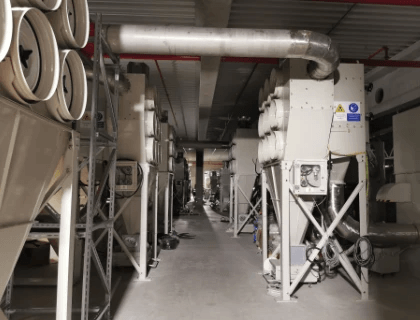
Dust collection systems are essential for maintaining a clean and safe working environment in various industries. By effectively capturing airborne particles, these systems help reduce health risks associated with dust exposure and improve overall air quality. Understanding how these systems work, their applications, and the benefits of dust control can lead to better decision-making when selecting a solution.
How Dust Collection Works
At its core, dust collection relies on a combination of airflow and filtration methods to remove particulate matter from the air. Systems like Cartridge Dust Collectors utilize filters that capture dust as it passes through, while Baghouses employ large fabric filters to handle high volumes of material. An exhaust fan for dust removal often plays a crucial role in creating the necessary airflow to draw contaminants into these systems.
The operation begins with an exhaust fan that pulls air laden with dust into the collector system. Once inside, larger particles settle due to gravity, while finer particles are trapped by filters or scrubbers. This process not only cleans the air but also allows for the safe disposal or recycling of collected materials.
Common Applications
Dust collection systems find their place in numerous industries where airborne particulates pose a risk—think woodworking shops, metal fabrication facilities, and food processing plants. Cartridge Dust Collectors are particularly popular in settings where space is limited yet efficient filtration is needed. On the other hand, Baghouses shine in heavy-duty applications like cement production or bulk material handling due to their robust design.
Wet Scrubbers serve well in environments where moisture can aid in particle capture—such as chemical manufacturing—while Portable Dust Collectors offer flexibility for tasks like sanding or grinding on job sites where mobility is key. Each type has its niche application based on specific needs and environmental conditions.
Benefits of Dust Control
The advantages of implementing effective dust control measures extend beyond mere aesthetics; they significantly enhance workplace safety and productivity. By using an exhaust fan for dust removal along with suitable collectors like Wet Scrubbers or Portable Dust Collectors, companies can mitigate health risks such as respiratory issues caused by inhaling fine particulate matter.
Moreover, effective dust management can lead to improved equipment lifespan by reducing wear caused by abrasive particles settling on machinery surfaces. Not only does this save money over time through maintenance reduction, but it also fosters a cleaner work environment that boosts employee morale and efficiency.
Cartridge Dust Collectors Explained

Cartridge dust collectors are a popular choice for managing airborne particles in various industrial settings. These systems utilize filter cartridges that effectively capture dust and other contaminants from the air, providing a cleaner environment for workers and equipment alike. Their compact design makes them suitable for both large and small operations, offering flexibility that is often unmatched by Baghouses or Wet Scrubbers.
How Cartridge Collectors Operate
The operation of cartridge dust collectors hinges on their unique filtration system. Air laden with dust enters the collector, where it passes through cylindrical filter cartridges that trap particulate matter while allowing clean air to escape. This process can be enhanced by integrating an exhaust fan for dust removal, which helps maintain optimal airflow and ensures efficient operation by removing collected dust from the cartridges at regular intervals.
Advantages of Cartridge Systems
One of the primary advantages of cartridge systems is their high filtration efficiency, which can capture particles as small as 0.5 microns. Compared to Baghouses, which may require more space and maintenance, cartridge collectors are often more compact and easier to service, making them ideal for facilities with limited room. Additionally, they typically have lower operational costs than Wet Scrubbers due to their energy-efficient design and reduced water usage.
Ideal Situations for Use
Cartridge dust collectors shine in environments where space is at a premium but effective dust control is still essential. They are particularly beneficial in woodworking shops, metalworking facilities, and any setting generating fine particulate matter that needs to be captured quickly and efficiently. Furthermore, when paired with an exhaust fan for dust removal, these systems can significantly enhance air quality while minimizing downtime associated with maintenance—making them a go-to solution in many industries.
Baghouses: The Heavyweights of Dust Collection
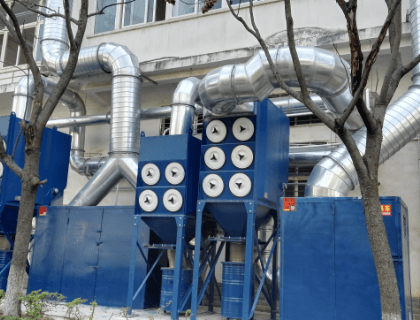
These robust systems utilize fabric filters to capture airborne particles efficiently, making them ideal for industries with high dust loads. Their unique design allows for continuous operation, ensuring that your workspace remains clean and compliant with health regulations.
What Makes Baghouses Unique
Baghouses stand out in the dust collection arena due to their ability to handle large volumes of air and fine particulate matter. Unlike Cartridge Dust Collectors, which may excel in smaller applications, baghouses can manage extensive operations without breaking a sweat. Their design features multiple filter bags housed in a large chamber, allowing for effective filtration while maintaining airflow.
The versatility of baghouses is another factor that sets them apart; they can be customized with various filter media depending on the specific dust characteristics of an industry. Whether you're dealing with wood dust or metal shavings, there's a baghouse configuration tailored just for you! Moreover, they often incorporate an exhaust fan for dust removal that enhances their efficiency by creating the necessary suction power.
Performance and Capacity
They can handle airflow rates ranging from hundreds to thousands of cubic feet per minute (CFM), making them suitable for even the most demanding environments. This capacity ensures that they can effectively reduce airborne contaminants while keeping operational costs low.
In terms of filter efficiency, modern baghouses boast ratings above 99%, meaning nearly all particulate matter is captured before it escapes into the atmosphere. This kind of performance not only protects workers but also helps companies avoid costly fines associated with environmental regulations—talk about a win-win! Plus, when paired with an exhaust fan for dust removal, these systems ensure that collected debris is safely disposed of or recycled without any hassle.
Applications in Various Industries
Baghouses are versatile enough to find applications across numerous industries—from manufacturing and woodworking to food processing and pharmaceuticals. In manufacturing settings where heavy machinery generates copious amounts of fine particles, these systems provide essential support by maintaining air quality standards. Similarly, in woodworking shops where sawdust reigns supreme, baghouses efficiently capture this nuisance before it becomes a health hazard.
Moreover, as industries evolve and adapt to new technologies like Wet Scrubbers or Portable Dust Collectors for specific tasks, baghouses remain steadfast as reliable workhorses capable of managing larger scale operations effectively. Their adaptability makes them indispensable in any industry where cleanliness is crucial—after all, nobody wants their production line covered in dust! With their proven track record and robust construction capabilities combined with an exhaust fan for dust removal system integration; it's hard not to see why so many businesses rely on these heavyweights.
---
Wet Scrubbers: The Moisture Approach

When it comes to dust collection, wet scrubbers offer a unique solution that leverages moisture to capture and remove particulate matter from the air. Unlike Cartridge Dust Collectors or Baghouses, which primarily rely on filtration, wet scrubbers utilize liquid to trap dust and contaminants. This method not only cools the air but also reduces dust emissions effectively, making it an appealing option for various industries.
How Wet Scrubbers Function
Wet scrubbers operate by passing contaminated air through a spray of liquid, usually water or a chemical solution. As the air flows through this mist, particles collide with water droplets and are captured in the liquid medium. The cleaned air is then expelled through an exhaust fan for dust removal, while the collected dust settles at the bottom of the scrubber system for disposal or further processing.
Wet scrubbers can be designed in several configurations—such as venturi scrubbers or packed bed scrubbers—each tailored for specific applications and types of pollutants. This versatility gives them an edge over other systems like Portable Dust Collectors when dealing with sticky or hazardous materials that require more than just dry filtration methods. In essence, wet scrubbers provide a robust solution where moisture plays a pivotal role in maintaining air quality.
Pros and Cons of Wet Scrubbing
While wet scrubbing has its advantages, it’s essential to weigh these against potential downsides. One significant benefit is their effectiveness in removing both particulate matter and gaseous pollutants simultaneously; something Cartridge Dust Collectors might struggle with alone. Additionally, they can help control odors and are often easier to maintain than other systems like Baghouses due to their self-cleaning capabilities.
However, there are drawbacks worth considering as well; for instance, wet scrubbers can lead to wastewater disposal issues if not managed properly. They also require more energy for pumping liquids compared to dry systems like Portable Dust Collectors that simply filter out particles without additional fluid management needs. Ultimately, understanding these pros and cons will help you determine whether a wet scrubber fits your specific needs.
Best Practices for Implementation
Implementing a wet scrubber system requires careful planning and execution to maximize its benefits while minimizing potential pitfalls. First off, ensure that you have conducted thorough assessments of your facility's airflow patterns and pollutant types; this will inform your choice of design—be it venturi or packed bed configurations tailored for optimal performance against specific contaminants.
Regular maintenance is crucial; keep an eye on pump functionality and monitor liquid levels to avoid operational hiccups that could compromise efficiency over time. Moreover, consider integrating an exhaust fan for dust removal into your setup strategically so that clean air is efficiently expelled from the system without creating back pressure issues associated with improper installation.
In conclusion, whether you're leaning towards Baghouses or exploring options like Cartridge Dust Collectors or Portable Dust Collectors, understanding how wet scrubbers function will enhance your decision-making process regarding dust control solutions.
Portable Dust Collectors: Flexibility in Action

In the world of dust collection, flexibility is key, and portable dust collectors offer just that. These systems are designed to be easily moved from one location to another, making them ideal for various applications where dust generation is a concern. With their compact design and versatility, they can be an excellent addition to any workshop or industrial setting.
Features of Portable Collectors
Portable dust collectors come equipped with a range of features that enhance their functionality and ease of use. Many models include powerful motors that deliver high suction capabilities, allowing them to effectively capture fine particles at the source. Additionally, these systems often have built-in filtration options similar to those found in Cartridge Dust Collectors, ensuring that even the smallest dust particles are trapped efficiently.
Another notable feature is their mobility; most portable units are fitted with wheels or casters for easy transport around the workspace. This mobility allows operators to position the collector near specific machines generating dust without hassle. Furthermore, many portable collectors boast user-friendly controls and quick-release bags or containers for simple maintenance and disposal.
Use Cases for Mobility
The versatility of portable dust collectors makes them suitable for a wide range of applications across various industries. For instance, carpenters often utilize these systems during woodworking projects to manage sawdust effectively while maintaining a clean work environment. Similarly, metalworking shops benefit from portable units when grinding or cutting materials that produce harmful metal shavings.
In construction sites where temporary setups are common, having a mobile solution can significantly reduce airborne contaminants while keeping workers safe from respiratory issues caused by excessive dust exposure. Additionally, hobbyists at home can leverage these systems in workshops where space might be limited but cleanliness remains essential. The ability to move the unit as needed ensures optimal performance in any scenario.
Connecting to an Exhaust Fan for Dust Removal
To maximize efficiency in capturing airborne particles, connecting a portable dust collector directly to an exhaust fan for dust removal can be highly effective. This setup enhances the overall airflow system by allowing captured dust and debris to be expelled safely outside or into designated containment areas without cluttering the workspace further.
When integrating an exhaust fan with your portable collector, ensure proper sizing and compatibility between both units; this will help maintain optimal suction power while preventing leaks or blockages in the system. Moreover, utilizing this combination not only improves air quality but also prolongs equipment life by reducing buildup on machines similar to how Baghouses operate on a larger scale.
Ultimately, whether you're using Cartridge Dust Collectors or considering Wet Scrubbers alongside your portable solutions, understanding how each component interacts will lead you toward achieving superior results in effective dust control.
Conclusion

In summary, dust collection systems are essential for maintaining a safe and clean working environment across various industries. Understanding the different types of systems—such as Cartridge Dust Collectors, Baghouses, Wet Scrubbers, and Portable Dust Collectors—helps businesses make informed decisions that align with their specific needs. Each method has its unique advantages and applications, making it crucial to assess your operational requirements carefully.
Key Takeaways on Dust Collection Types
Cartridge Dust Collectors are compact and efficient, ideal for environments with limited space while providing high filtration efficiency. Baghouses stand out for their impressive performance and capacity, making them suitable for heavy-duty applications in industries like cement or metalworking. Meanwhile, Wet Scrubbers offer a moisture-based approach to dust control that can be effective in handling sticky or hazardous particulate matter.
Choosing the Right Solution for Your Needs
Selecting the right dust collection system involves evaluating factors such as the type of dust generated, space constraints, and budget considerations. For example, if mobility is a priority in your operations, Portable Dust Collectors may be your best bet; they can easily adapt to different work areas without compromising performance. Conversely, if you're dealing with larger volumes of dust or more complex materials, investing in Baghouses or Cartridge Dust Collectors could provide long-term benefits.
NAROO: A Trusted Partner in Dust Control Solutions
NAROO stands out as a reliable partner when it comes to implementing effective dust control solutions tailored to your specific needs. With expertise spanning various technologies—including Cartridge Dust Collectors and Wet Scrubbers—they can guide you through selecting the perfect system for your operation’s requirements. Plus, NAROO understands how crucial an exhaust fan for dust removal is in ensuring optimal performance across all types of collectors.