

Many plants use the search phrase "vent dust collector outside" because outdoor discharge appears simpler than returning filtered air to the building. It can reduce concern about recirculating a filter failure into occupied space, but it creates a new system boundary. Every cubic foot exhausted must be replaced, the discharge must not return through an intake or door, and the collector must operate through weather and seasonal pressure changes.
Outdoor discharge is therefore not just a final piece of duct. It connects source capture, building ventilation, energy use, environmental review, worker locations, and collector safety.
What "Vent Dust Collector Outside" Changes
The instruction to vent dust collector outside affects more than the outlet location. It changes total duct resistance, building pressure, conditioned-air loss, stack dispersion, noise, weather exposure, maintenance access, and potentially the environmental permitting basis. The project team should treat it as a ventilation-system modification.
Before layout, define whether the collector itself will move outdoors or only the clean-side exhaust duct will cross the wall or roof. Then identify the fan, stack, makeup-air, structural, electrical, controls, and service changes required for that arrangement.
Outside Air Can Find Its Way Back Inside
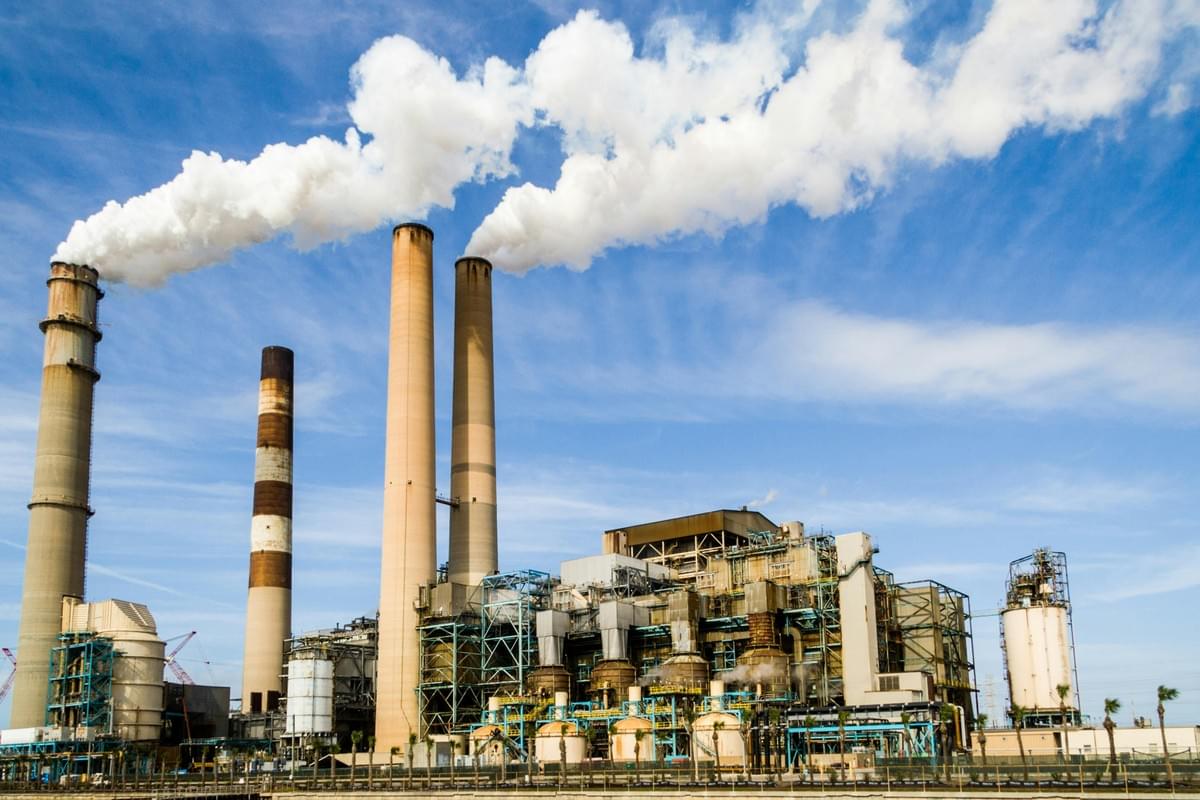
A discharge point near a roof intake, loading door, window, courtyard, or neighboring building can allow exhausted contaminants to re-enter. Wind direction, roof wakes, nearby walls, stack height, and outlet velocity affect dispersion. A simple weather cap may deflect flow downward instead of carrying it away.
Walk the site and mark all outdoor-air intakes, doors, pedestrian routes, break areas, roof access points, property boundaries, and future building expansions. Consider prevailing and adverse wind conditions. Qualified ventilation and environmental professionals should determine an appropriate discharge arrangement.
HSE research notes that most local exhaust systems discharge filtered air outside, while warning that recirculated systems can return contaminants if the filter is incorrect or fails. Outdoor discharge avoids one return path but must still prevent re-entry around the building.
Exhausted Air Must Be Replaced
Without planned makeup air, the building becomes negatively pressurized. Doors may become difficult to open, combustion appliances may backdraft, process exhaust can lose stability, and cold or hot outdoor air may enter through uncontrolled gaps.
Provide replacement air in a location and pattern that supports source capture. A high-velocity supply jet can push dust away from a hood. Makeup air should generally move from cleaner zones toward controlled sources without crossing the breathing zone with contamination.
Calculate heating, cooling, humidity, and energy effects across seasonal conditions. Returning filtered air can save conditioning energy in some applications, but it requires a stricter review of contaminant, filter performance, monitoring, and failure response.
The Fan Must Overcome the Entire Discharge Path
Adding a long outdoor duct or stack increases system resistance. Elbows, transitions, silencers, dampers, weather protection, and outlet geometry all add pressure loss. If the existing fan cannot overcome the new total pressure, airflow at the hoods will fall.
Recalculate the complete system rather than adding duct after the fan. Confirm fan operating point, motor load, branch balance, transport velocity, noise, and structural support. NAROO's cartridge dust collector design approach includes airflow resistance, duct layout, diameter, and equipment pressure loss, all relevant when the discharge path changes.
Commission source capture after the outdoor duct is installed. A strong plume at the stack is not proof that every hood receives its required airflow.
Weather Changes More Than the Paint Color

An outdoor collector faces rain, snow, freezing temperatures, solar heat, wind, corrosion, and condensation. Water ingress can blind filters, damage controls, and create hopper bridging. Cold compressed air can affect pulse systems. Moisture may condense where warm exhaust enters cold equipment or ductwork.
Review enclosure rating, insulation, heat tracing where justified, drainage, access platforms, snow load, wind load, lightning protection, foundations, and service clearance. Keep access doors and filter-change areas usable in poor weather.
Outdoor placement should not move maintenance into an unsafe or neglected location. Provide lighting, fall protection, clear walkways, lifting access, and a practical route for removing collected dust.
Combustible Dust Needs More Than Outdoor Location
Moving a collector outdoors does not by itself complete a combustible-dust strategy. OSHA's technical guidance identifies concerns for outdoor collectors handling combustible dust when explosion protection is absent or when workers, exits, and outdoor occupied areas may be exposed.
A qualified hazard assessment may need to address collector location, separation distance, deflagration protection, safe vent direction, isolation from upstream equipment, ignition control, ductwork, discharge, and emergency access. Exhaust air routed back indoors can add another concern.
Do not place the collector beside an exit, walkway, vehicle route, or break area simply because wall space is available. Safety zones and site use must be considered together.
Outdoor Discharge Still Has Environmental Requirements
Filtered exhaust may remain subject to permits, emission limits, opacity requirements, stack testing, nuisance-dust rules, or local restrictions. The applicable obligations depend on the process, pollutant, location, and jurisdiction.
Confirm requirements before finalizing stack height or monitoring. EPA fabric-filter guidance identifies outlet particulate concentration as a direct performance indicator and also lists differential pressure, flow, temperature, cleaning operation, and fan current as useful context.
NAROO's industrial dust collection products support particulate removal, but equipment selection does not replace the owner's environmental review.
Decide Whether the Collector or Only the Exhaust Goes Outside
A plant can place the collector outdoors, keep it indoors and run only clean-side exhaust outside, or use another approved arrangement. Each choice affects duct length, maintenance, weather exposure, combustible-dust protection, noise, floor space, and discharge handling.
An indoor collector avoids weather but may create indoor safety and housekeeping concerns. An outdoor collector frees floor space and can support certain risk strategies, yet increases service and climate demands. The correct layout follows the process and hazard assessment.
Heavy dust may lead to a bag dust collector, while coarse loading may benefit from a cyclone pre-separator. Outdoor suitability must be engineered for the selected equipment and climate.
A Weather Cap Can Create a Bad Discharge
Some caps protect from rain by turning exhaust downward. That can reduce upward momentum and increase the chance of deposition on the roof or re-entry nearby. Alternative stack terminations, drainage details, and weather protection should be selected by a qualified designer.
Inspect outlets for corrosion, bird screens or guards that become blocked, snow accumulation, and residue. Any screen or termination adds resistance and needs maintenance access.
Noise Does Not Stop at the Wall
Fans, pulse cleaning, air movement, rotary valves, and vibrating ducts can affect neighbors and outdoor work areas. Moving equipment outside may reduce indoor noise while creating a property-line issue.
Include sound levels, operating schedule, tonal noise, structural vibration, and nighttime conditions in the site review. Silencers can add pressure loss, so acoustics and airflow must be designed together.
Monitoring Must Reach the People Who Operate the Process
An outdoor collector can be out of sight and out of mind. Bring key status and alarms into the production or control area. Operators should know whether the fan is running, airflow is available, differential pressure is normal, pulse cleaning is healthy, and the hopper or dust container needs service.
Use a planned inspection route for outdoor equipment. Check weather seals, duct supports, corrosion, water ingress, compressed-air condition, filter pressure, discharge, stack condition, and unusual noise. NAROO's design-through-installation support can help coordinate the collector with building and site interfaces.
Information Suppliers Need Before Layout
Provide dust data, hazard information, source airflow, duct route, building drawings, intake and door locations, outdoor occupancy, climate, structural constraints, utilities, noise limits, environmental requirements, maintenance access, and expansion plans.
Ask for total pressure calculations, fan selection, stack and termination logic, makeup-air assumptions, weather protection, controls, alarms, service access, discharge handling, commissioning, and owner responsibilities. For wet or sticky particulate, NAROO's wetted filter may be part of the technology discussion, with freezing and liquid-management issues included in outdoor design.
FAQ
Is it always safer to vent a dust collector outside?
No. A request to vent dust collector outside can reduce some recirculation concerns, but safety depends on the dust, collector location, protection measures, discharge direction, occupied areas, and applicable requirements.
Can filtered air be returned indoors in winter?
Possibly for suitable contaminants and systems, but recirculation requires a qualified review of filtration, monitoring, failure response, exposure, fire and explosion hazards, and local rules.
Will adding an outdoor stack reduce hood airflow?
It can if the added pressure loss is not included in fan selection. Recalculate and rebalance the complete system.
Does outdoor discharge eliminate the need for a filter?
No. Environmental, safety, nuisance-dust, equipment, and process requirements may still require filtration and monitoring before discharge.
The Air Path Ends Only After It Stays Away
To vent a dust collector outside successfully, trace the entire loop: capture at the source, transport through the collector, discharge above or away from the building, and replacement air returning to the plant. The system works only when every part of that path supports clean, stable, and maintainable operation.