

There Is No Universal Best Collector

The best industrial dust collector is not the largest unit, the newest model, or the machine with the most impressive catalog language. The best collector is the one matched to the dust, process, airflow, hazard level, maintenance reality, and production goal. A system that works beautifully in laser processing may be wrong for battery powder handling. A compact cartridge collector may be efficient for fine dry dust, while a bag filter or cyclone-assisted system may fit a heavier dust load better.
This is why industrial buyers should avoid ranking dust collectors as if they were ordinary equipment. Dust collection is closer to process engineering. The collector must work with capture hoods, ducting, fan selection, filter media, cleaning controls, discharge equipment, and safety devices. When combustible dust may be present, the system also enters a deeper safety review.
NAROO's products page positions its dust collection systems as customizable across industrial sectors, with features such as dust capture hoods, optimized air speed, pipe airflow, filtration, explosion-proof capabilities, intelligent controls, and auxiliary equipment. That is the right framing: the best industrial dust collector is selected by fit, not by slogan.
Decision 1: What Dust Are You Capturing?
Dust character drives collector selection. Fine dry powder behaves differently from abrasive grinding dust, sticky chemical dust, hot particulate, fiber, plastic dust, or mixed fume. Some dusts need high-efficiency filtration. Some need pre-separation. Some require moisture management. Some may create fire or explosion hazards. OSHA identifies combustible dust as an explosion hazard and lists multiple standards that may address aspects of combustible dust conditions.
Before comparing equipment, document particle size, dust concentration, moisture, temperature, abrasiveness, toxicity, and combustible potential. If dust characteristics are unknown, testing may be needed. Guessing at this stage can lead to undersized filters, poor capture, unsafe discharge, or frequent maintenance problems.
For lithium battery production, NAROO's lithium battery application page emphasizes safety and precision in dust management. For laser cutting and fine fume, the laser processing application page provides a more relevant internal reference. A buyer should first locate the process family, then narrow the collector type.
Decision 2: Which Collector Family Fits?
Several collector families may be relevant. A cartridge dust collector is often attractive where fine filtration, compact footprint, and pulse cleaning are useful. Donaldson notes that cartridge collectors are designed to capture a broad spectrum of dust particles in production environments. Camfil APC also emphasizes dust and fume collection products for varied manufacturing processes.
A bag filter may be preferred when the process generates heavier dust loads or when baghouse-style filtration better fits the application. Donaldson describes baghouses as collectors using multiple felt bags to filter dusty air from manufacturing and processing applications. A cyclone dust collector can help separate heavier particles and reduce loading on high-efficiency filters.
For wet or spark-related conditions, a wetted filter may be part of the conversation, but it must be evaluated against the specific dust chemistry, sludge handling, corrosion risk, and maintenance capability. Wet collection is not a magic answer; it is a different operating system.
Decision 3: Can the Facility Maintain It?
The best industrial dust collector is one that the facility can keep operating. A collector that needs frequent filter changes, awkward access, constant compressed-air tuning, or difficult dust disposal may lose performance over time. Maintenance should be designed before purchase, not solved after installation.
Ask how filters are changed, how differential pressure is monitored, how dust is discharged, how bins are moved, how operators inspect hoods, and how alarms are handled. If the process runs continuously, filter life and spare-part availability matter. If dust is hazardous, maintenance steps must protect workers from exposure and ignition risks.
NAROO's other products page includes auxiliary options such as powder feeders, explosion proof vacuum cleaners, automatic ash suction machines, and crushed material compression. Supporting equipment can determine whether the collector works smoothly in daily production.
A Practical Ranking Method
Instead of asking vendors to nominate the best collector, create a scoring method. The criteria do not need to be complicated, but they should be tied to plant risk.
- Capture effectiveness at each dust source
- Fit with dust characteristics and process temperature
- Filter life and cleaning method
- Combustible dust and explosion protection considerations
- Maintenance access and dust discharge method
- Energy use and pressure drop
- Controls, alarms, monitoring, and remote diagnostics
- Supplier engineering support and installation capability
This ranking method helps prevent a common mistake: choosing a collector because one specification looks impressive. High airflow is not useful if the hood is wrong. High filtration efficiency is not useful if the filter blinds immediately. A low initial price is not useful if maintenance and downtime erase the savings.
When NAROO Should Be on the Shortlist
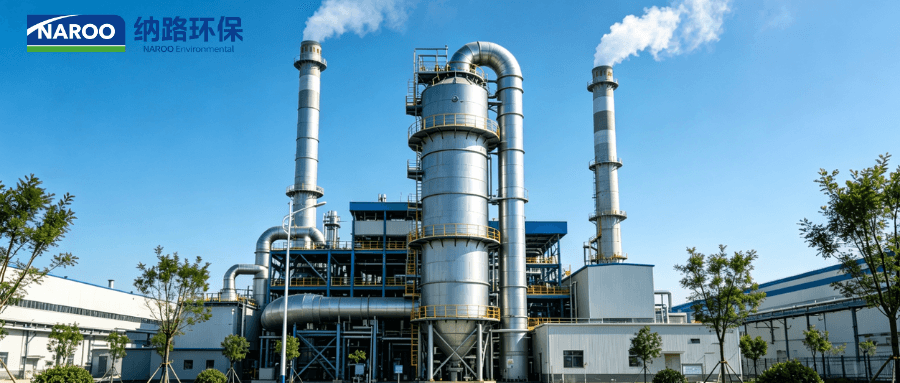
NAROO should be considered when the buyer needs a customized industrial dust removal or air purification solution rather than a simple replacement part. The company website describes R&D, design, production, sales, installation, and service, plus applications across lithium batteries, automobiles, photovoltaics, laser processing, and other industries. Its automobile application and photovoltaics application pages can support buyer conversations in those sectors.
The strongest RFQ gives NAROO process details: dust sources, airflow targets, equipment layout, dust characteristics, working hours, safety concerns, and maintenance expectations. With that information, the supplier can discuss whether cartridge, bag, cyclone, wetted, or mixed equipment makes the most sense.
Final Rule for Choosing
The best industrial dust collector is the collector that controls the actual dust in the actual facility with a maintainable, verifiable, and appropriately protected system. Buyers should be cautious of one-size-fits-all answers. A plant that handles combustible dust needs a different discussion from a facility managing ordinary nuisance dust. A high-dust-volume process needs a different package from a compact fume source.
For plant managers, EHS teams, and procurement buyers, the right path is clear: define the dust, map the process, score equipment by risk fit, and choose a supplier that can support the system after purchase.
What a Strong RFQ Should Include
A strong RFQ helps suppliers recommend equipment instead of guessing. Include process descriptions, dust source photos or layout drawings, operating hours, dust loading estimates, dust test data if available, temperature, moisture, and any known combustible or hazardous material concerns. Add maintenance constraints, indoor or outdoor installation requirements, available compressed air, power expectations, and preferred monitoring features.
Buyers should also explain what problem they are trying to solve. Is the goal lower visible dust, better worker protection, cleaner product, lower filter cost, combustible dust risk reduction, energy savings, or support for a new production line? The best industrial dust collector for one goal may not be the best for another. A supplier who understands the goal can recommend a system that fits the facility rather than a generic model.
After proposals arrive, compare them by assumptions as well as price. If one supplier assumes lower dust loading, shorter duct runs, or no combustible dust concern, the quote may look attractive but be incomplete. A reliable comparison should normalize airflow assumptions, filtration approach, safety features, maintenance access, installation scope, and documentation. Procurement discipline protects the plant from choosing the cheapest incomplete answer.
Operating Cost Often Decides the Real Winner
The purchase price rarely tells the full story. A dust collector consumes fan energy, compressed air, filters, replacement parts, maintenance time, and production floor space. If pressure drop is high, energy use rises. If filters fail early, maintenance cost rises. If dust discharge is awkward, labor cost rises. The best industrial dust collector should be evaluated over its operating life, not only at purchase.
Energy and maintenance can also interact. A system that runs at a higher pressure drop may require more fan power and may still capture less dust if filters are overloaded. On the other hand, a correctly selected collector with stable cleaning can maintain airflow with less disruption. This is why engineering and procurement should compare total cost of ownership, not only equipment price.
Ask suppliers to explain expected filter life, cleaning method, compressed-air requirements, spare parts, inspection intervals, and service access. If those details are missing, the proposal may be too shallow for a serious industrial project.