

Introduction

In the world of industrial dust collection, understanding dust filter bag materials is crucial for maintaining efficient operations. Dust collector systems rely heavily on the performance of their bag filters, which act as the frontline defense against airborne particulates. Choosing the right material for these filtration bags can significantly impact both air quality and operational costs.
Understanding Dust Filter Bag Materials
Dust filter bag materials come in a variety of options, each designed to tackle specific types of dust and contaminants found in industrial environments. These materials can be broadly classified into synthetic and natural fabrics, each offering unique benefits depending on the application. By grasping the characteristics of these materials, businesses can better align their filtration needs with their operational requirements.
Importance of Choosing the Right Material
Selecting appropriate dust filter bag materials is not merely a matter of preference; it directly affects efficiency and longevity in dust filtration systems. The right choice can enhance airflow while minimizing pressure drop, leading to lower energy consumption and maintenance costs over time. Furthermore, using high-quality filtration bags tailored to specific dust types ensures that your industrial dust collector operates at peak performance.
Overview of Bag Filtration Systems
Bag filtration systems are essential components in various industries that generate airborne particles during production processes. These systems utilize a series of bag filter bags to capture and contain particulate matter before it escapes into the atmosphere. Understanding how these systems work—and how different dust filter bag materials influence their efficacy—can empower businesses to make informed decisions about their filtration strategies.
Types of Dust Filter Bag Materials
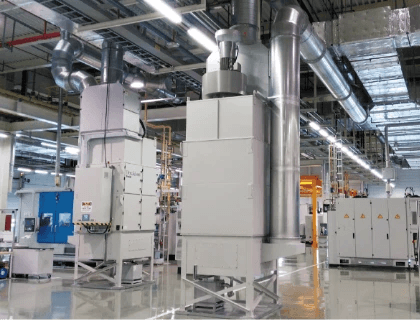
Selecting the right material is crucial for ensuring optimal performance and longevity of your bag filtration system. In this section, we will explore the common fabrics used in bag filters, compare synthetic and natural materials, and highlight the advantages each type offers.
Common Fabrics Used in Bag Filters
Dust filter bag materials come in a variety of fabrics tailored for specific applications. Commonly used fabrics include polyester, polypropylene, and aramid (Nomex), each with unique properties suited to different environments. For instance, polyester is favored for its durability and resistance to abrasion, while aramid excels in high-temperature settings typical in industries like cement or metalworking.
Furthermore, some industrial dust collectors utilize fiberglass bags for their exceptional heat resistance and chemical stability. Each fabric type has its own strengths that can significantly impact the overall effectiveness of your bag filtration system. Understanding these common fabrics will help you make informed decisions when selecting dust filter bag materials.
Synthetic vs. Natural Materials
When evaluating dust filter bag materials, one must consider whether to choose synthetic or natural options. Synthetic materials like polyester and polypropylene are engineered for specific performance characteristics such as moisture resistance and durability against harsh chemicals. On the other hand, natural fibers like cotton have been traditionally used due to their excellent filtration capabilities but may not withstand extreme conditions as well as their synthetic counterparts.
Choosing between synthetic and natural materials often depends on the specific requirements of your application within an industrial dust collector setup. For example, if you're dealing with high temperatures or corrosive substances, synthetic options might be more suitable than natural fibers. Ultimately, understanding these differences will guide you toward selecting the best bag filter bags for your needs.
Advantages of Each Material Type
Each type of dust filter bag material offers distinct advantages that can enhance your dust filtration process significantly. Synthetic materials generally provide superior chemical resistance and longer service life compared to natural options; this translates into fewer replacements over time and cost savings for businesses relying on efficient filtration systems. Additionally, many synthetic fabrics are designed with enhanced airflow properties that improve overall efficiency in capturing fine particles.
Conversely, natural fibers may offer better initial filtration efficiency due to their porous structure but tend to wear out faster under adverse conditions such as moisture or heat exposure found in industrial settings. Therefore, while they may be cost-effective initially as dust filter bag materials, they could lead to increased maintenance costs later on if not monitored closely within a dust collector system. By weighing these advantages carefully against your operational needs, you can make an informed choice about which material will best serve your industrial applications.
Factors Affecting Dust Filter Performance

Understanding these factors can help you select the right bag filtration system for your industrial dust collector needs. From particle size to airflow requirements, each element contributes to the efficiency and effectiveness of your dust filtration system.
Particle Size and Concentration
The size and concentration of particles being filtered are critical in selecting appropriate dust filter bag materials. Smaller particles often require finer filtration fabrics, while larger particles can be managed with coarser materials. Additionally, high concentrations of dust may lead to quicker saturation of the bag filter bags, which necessitates more frequent maintenance and replacement.
For optimal performance in an industrial dust collector, it's essential to match the filter's specifications with the expected particle characteristics. If you anticipate a high volume of fine particulates, investing in specialized filtration bags designed for such conditions can enhance efficiency significantly. Ultimately, understanding these dynamics will ensure that your bag filtration system operates effectively under varying conditions.
Temperature and Chemical Resistance
Temperature fluctuations and exposure to corrosive chemicals are crucial considerations when selecting your dust filter bag materials. Different fabrics have varying degrees of thermal stability; some can withstand extreme heat while others may degrade quickly under elevated temperatures. Likewise, certain synthetic or natural materials exhibit better resistance against specific chemicals encountered in industrial environments.
Selecting a bag filter that aligns with temperature and chemical requirements is vital for maintaining the longevity of your filtration bags. For instance, if you're dealing with hot gases or aggressive substances, opting for high-performance synthetic filters could save you from costly downtime due to premature failures. This foresight not only ensures consistent operation but also protects your investment in the long run.
Airflow Requirements in Industrial Dust Collectors
Airflow is another pivotal factor influencing the efficacy of any dust collector system using bag filters. The design and material composition of your chosen dust filter bags must accommodate specific airflow rates required by your industrial application without compromising on filtration efficiency. Insufficient airflow can lead to increased pressure drop across the filters, resulting in reduced performance and higher energy costs.
To optimize air movement through your bag filtration system, it's important to consider both fabric permeability and overall design layout when selecting dust filter bag materials. Choosing bags that offer a balance between adequate airflow capacity and effective particulate capture will enhance operational efficiency significantly. In summary, understanding airflow dynamics is essential for maximizing both performance metrics and cost-effectiveness within any industrial dust collector setup.
Comparing Cost and Efficiency

When it comes to dust filtration, comparing cost and efficiency is crucial for making informed decisions. The right dust filter bag materials can significantly influence both the initial investment and the long-term savings of your industrial dust collector system. Understanding this relationship helps businesses optimize their operations while maintaining a clean environment.
Initial Investment vs. Long-Term Savings
Choosing the right bag filter bags involves weighing the initial investment against potential long-term savings. While high-quality dust filter bag materials may come with a steeper price tag upfront, they often translate to reduced maintenance costs and longer lifespans, ultimately saving money over time. Investing in superior filtration bags can lead to fewer replacements, less downtime, and improved overall efficiency of your bag filtration system.
Moreover, consider the energy costs associated with your industrial dust collector; efficient filtration can enhance airflow and reduce energy consumption. A well-chosen bag filter not only captures more particles but also minimizes strain on your equipment, leading to lower operational costs in the long run. It's like buying a premium coffee maker; you might spend more initially but enjoy better brews (and savings!) for years to come.
Evaluating Performance Metrics
When evaluating performance metrics for dust collector systems, several factors come into play that directly correlate with the choice of dust filter bag materials. Key performance indicators include filtering efficiency, airflow resistance, and particulate capture rates—all vital for ensuring optimal operation of your bag filtration system. High-performance filtration bags can significantly enhance these metrics by providing superior particle retention while allowing adequate airflow.
Additionally, it's essential to monitor how well different materials perform under varying conditions such as temperature fluctuations or exposure to chemicals found in industrial settings. This evaluation not only informs purchasing decisions but also helps in understanding how different types of synthetic versus natural materials stack up against each other in real-world applications. Remember that choosing a material based solely on price could lead to subpar performance metrics that ultimately cost more than expected.
When to Choose High-End Filtration Bags
Knowing when to invest in high-end filtration bags is key for any operation relying on effective dust filtration solutions. If your industrial dust collector deals with fine particulate matter or operates under extreme conditions—like high temperatures or corrosive environments—premium dust filter bag materials are worth considering for their durability and efficiency benefits. In such cases, opting for top-tier bag filter bags can save you from frequent replacements and costly downtimes.
Furthermore, if compliance with environmental regulations is critical for your business operations, investing in advanced filtration technology becomes non-negotiable. High-end options often offer better performance metrics that help meet stringent air quality standards without sacrificing operational efficacy or safety measures within the facility. Ultimately, knowing when it’s time to splurge on quality ensures you’re not just filtering out dust but also safeguarding both people and processes effectively.
Innovative Solutions in Dust Filtration
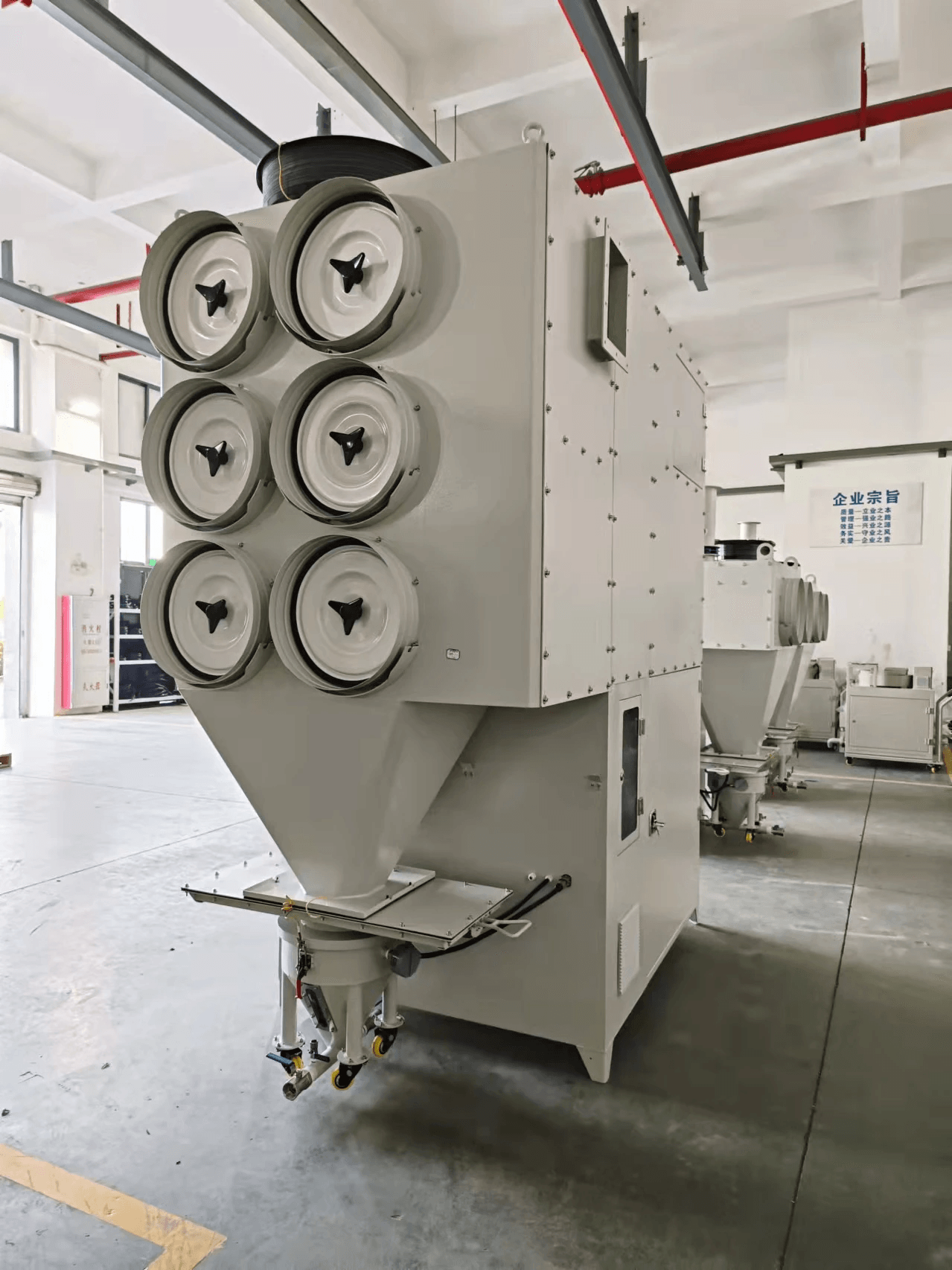
The landscape of dust filtration is rapidly evolving, driven by the need for more efficient and effective dust collector systems. Innovations in dust filter bag materials are at the forefront of this transformation, enhancing the performance of bag filtration systems across various industries. As companies seek to optimize their operations, embracing these advancements becomes essential for maintaining clean air and improving overall productivity.
NAROO's Latest Technologies
NAROO has been a trailblazer in developing cutting-edge technologies that redefine dust filtration. Their latest innovations focus on enhancing the durability and efficiency of bag filter bags, utilizing advanced synthetic fibers that resist wear and tear while maximizing airflow. By incorporating smart technology into their industrial dust collectors, NAROO allows for real-time monitoring of filter performance, ensuring optimal operation and reducing downtime.
These advancements not only improve the lifespan of filtration bags but also enhance their ability to capture fine particles, providing superior dust control in various applications. The integration of nanotechnology into bag filter materials enables even smaller particles to be trapped effectively without compromising airflow. This means businesses can enjoy cleaner air while minimizing energy consumption—a win-win situation!
Case Studies: Success Stories
Numerous industries have successfully implemented innovative dust filtration solutions with remarkable outcomes. For instance, a leading manufacturer in the automotive sector upgraded its bag filtration system using NAROO's advanced materials, resulting in a 40% reduction in particulate emissions within just six months. This significant improvement not only met regulatory standards but also enhanced workplace safety and employee health.
Another success story comes from a food processing plant that faced challenges with contamination risks due to inadequate filtration methods. By switching to high-performance dust collector bags made from specialized fabrics designed for food-grade applications, they achieved a dramatic decrease in product spoilage rates and improved overall product quality. These case studies underscore how investing in modern bag filter technologies can yield tangible benefits across different sectors.
Future Trends in Bag Filter Technology
Looking ahead, several trends are poised to shape the future of bag filter technology within the realm of dust filtration. One significant trend is the increasing adoption of eco-friendly materials that reduce environmental impact while maintaining high performance levels—think biodegradable or recyclable options for dust filter bag materials! As sustainability becomes a priority for many businesses, these innovations will likely gain traction.
Moreover, advancements in artificial intelligence (AI) and machine learning are set to revolutionize how industrial dust collectors operate by predicting maintenance needs before issues arise—allowing companies to stay ahead of potential problems with their filtration bags. This proactive approach not only enhances efficiency but also extends the lifespan of equipment significantly.
Lastly, as regulations around emissions tighten globally, we can expect an ongoing push towards developing even more efficient bag filters capable of capturing ultra-fine particulates without sacrificing airflow or increasing energy costs—a challenge manufacturers are eager to tackle head-on.
Maintenance Tips for Dust Collector Bags

Maintaining dust collector bags is essential for optimal performance and longevity of your bag filtration system. Regular maintenance not only ensures that the dust filter bag materials are functioning effectively but also helps prevent costly downtime in industrial applications. By staying proactive with inspections and care, you can maximize the efficiency of your dust collector.
Importance of Regular Inspections
Regular inspections are crucial for identifying potential issues with your dust filter bag materials before they escalate into significant problems. These checks allow you to assess the condition of your filtration bags, ensuring they are free from tears, blockages, or excessive wear. By catching these issues early, you can maintain the efficiency of your bag filtration system and extend the life of your industrial dust collector.
Cleaning vs. Replacing Filter Bags
When it comes to maintaining your bag filter bags, knowing when to clean versus when to replace is key. Cleaning can restore functionality to some extent, particularly if the buildup is minimal; however, heavily soiled or damaged filters may require replacement to ensure peak performance in dust filtration. Ultimately, investing in high-quality dust filter bag materials can make a significant difference in how often you'll need to replace them.
Signs Your Bag Filters Need Attention
There are several telltale signs that indicate your bag filters require immediate attention within an industrial dust collector setup. If you notice increased pressure drop across the filtration bags or a decline in overall air quality, it's time to investigate further; these could be signs that the bags are clogged or damaged. Additionally, any visible wear such as holes or fraying on the dust filter bag materials should prompt immediate action to avoid compromising your entire filtration system.
Conclusion

In the ever-evolving world of dust filtration, making informed choices on materials is paramount. The right dust filter bag materials can significantly enhance the efficiency of your industrial dust collector, ensuring optimal performance and longevity. By understanding the various options available in bag filtration systems, you can tailor your selection to meet specific operational needs.
Making Informed Choices on Materials
Choosing the appropriate dust filter bag materials involves a careful evaluation of your unique requirements and operational conditions. Different bag filter bags are designed for various applications, so it’s essential to consider factors like particle size and chemical exposure when selecting your filtration bags. Investing time in research can lead to better performance and reduced costs over time, as the right material will ensure efficient dust filtration while minimizing maintenance.
The Role of Maintenance in Filtration
Regular maintenance plays a crucial role in ensuring that your dust collector operates at peak efficiency. Neglecting to inspect or replace worn-out bag filter bags can result in decreased airflow and increased energy consumption, ultimately impacting overall productivity. By establishing a routine maintenance schedule that includes cleaning or replacing filters when necessary, you can extend the life of your filtration system and ensure consistent performance.
Embracing New Technologies for Efficiency
The landscape of dust filtration is continuously advancing with innovative solutions that enhance efficiency and effectiveness. Companies like NAROO are leading the charge with cutting-edge technologies that promise improved air quality and lower operational costs through advanced bag filter designs. By staying informed about future trends in bag filter technology, businesses can embrace these innovations to optimize their industrial dust collectors for superior performance.