

Introduction

In the realm of industrial operations, dust is more than just an annoyance; it poses significant risks to both health and productivity. This is where baghouse dust collection systems come into play, serving as a crucial line of defense against airborne particles generated during manufacturing processes. By effectively capturing dust and particulate matter, these systems not only protect workers but also enhance overall operational efficiency.
What is Baghouse Dust Collection
Baghouse dust collection refers to a specialized system designed to filter and collect dust from industrial environments. At its core, a baghouse dust collector utilizes fabric filter bags to trap particulates while allowing clean air to pass through. This method of bag filtration is essential for maintaining a safe workplace and ensuring compliance with environmental standards.
Importance of Dust Collection Systems
The importance of an effective dust collection system cannot be overstated; it plays a vital role in safeguarding employee health and enhancing air quality in industrial settings. By minimizing exposure to harmful airborne particles, these systems help reduce the risk of respiratory issues among workers, which can lead to increased absenteeism and healthcare costs for employers. Moreover, proper dust management through an industrial dust removal system is critical for meeting regulatory compliance, thereby avoiding potential fines or operational shutdowns.
How Bag Filtration Works
Bag filtration works by employing a series of fabric filter bags that capture dust particles as air flows through them. When contaminated air enters the baghouse dust collector, larger particles are trapped on the surface while finer particles are captured within the fabric's fibers. Over time, this process creates a cake layer on the filters that actually enhances their efficiency—allowing for optimal performance in any industrial filtration application.
Overview of Baghouse Dust Collectors

Baghouse dust collectors are essential components in the realm of industrial filtration, designed to capture and manage airborne particles generated during various manufacturing processes. These systems utilize a series of fabric filter bags to trap dust, ensuring that facilities maintain compliance with health and environmental standards. Understanding the structure and function of a baghouse dust collection system can help businesses optimize their operations while enhancing workplace safety.
Components of a Baghouse System
A typical baghouse dust collection system consists of several key components that work together to ensure efficient industrial dust removal. At its core, the system features filter bags made from specialized materials that capture particulate matter as air flows through them. Additionally, it includes a fan for airflow management, a hopper for collecting the captured dust, and often an automated cleaning mechanism to maintain optimal performance.
The design of these components varies depending on the specific needs of the industry using them; however, all baghouse systems share common elements aimed at maximizing efficiency in dust control. A well-constructed collector dust setup not only enhances filtration but also extends the lifespan of filter bags by minimizing clogging and wear over time. This comprehensive approach ensures that industrial facilities can effectively manage their emissions while adhering to strict environmental regulations.
Types of Baghouse Dust Collectors
Baghouse dust collectors come in various types tailored to meet diverse industrial needs. The most common types include pulse jet collectors, shaker collectors, and reverse air collectors; each has unique mechanisms for cleaning filter bags and varying efficiencies based on application requirements. Pulse jet systems are particularly popular due to their ability to provide continuous operation without significant downtime for maintenance.
Another classification is based on airflow direction—either downflow or upflow—which affects how efficiently these systems operate under different conditions. Depending on factors like space availability or specific particulate characteristics, businesses can select an appropriate baghouse type that enhances their industrial filtration efforts while ensuring effective performance in their operations. Ultimately, choosing the right bag filtration technology can lead to significant improvements in both productivity and compliance with safety standards.
Key Applications in Various Industries
The versatility of baghouse dust collection systems makes them indispensable across numerous industries such as pharmaceuticals, food processing, metalworking, and woodworking. In pharmaceutical manufacturing, stringent air quality requirements necessitate robust industrial dust collection solutions capable of trapping fine particles without compromising production efficiency. Similarly, food processing plants rely on these systems not only for compliance but also for maintaining product quality by preventing contamination from airborne particulates.
In metalworking applications where welding fumes and grinding debris are prevalent, effective industrial dust removal systems play an integral role in safeguarding worker health while improving overall operational efficiency. Woodworking facilities benefit from baghouses by controlling wood shavings and sawdust emissions that could otherwise pose fire hazards or respiratory risks for employees working in confined spaces. Ultimately, understanding how different industries leverage baghouse technology allows organizations to make informed decisions regarding their own dust collection strategies.
Benefits of Industrial Dust Collection Systems
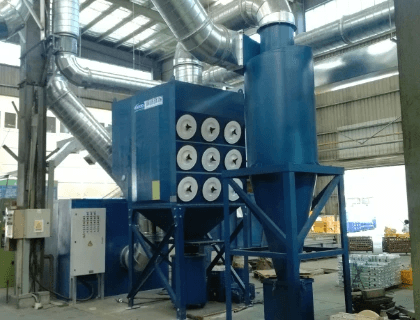
In the realm of industrial operations, effective dust management is not just a luxury—it's a necessity. Implementing an industrial dust collection system, particularly a baghouse dust collector, can transform the workplace environment by enhancing safety, air quality, and regulatory compliance. These systems are designed to capture and filter out harmful particles, ensuring that both employees and equipment operate in optimal conditions.
Improving Workplace Safety
Safety is paramount in any industrial setting, and a robust baghouse dust collection system plays a crucial role in protecting workers from hazardous airborne particles. By efficiently collecting dust at its source, these systems minimize the risk of inhalation-related health issues among employees. Moreover, reducing dust accumulation on surfaces decreases slip-and-fall accidents and fire hazards associated with combustible dust.
When businesses prioritize workplace safety through an effective collector dust system, they create an environment where employees can thrive without fear of exposure to harmful substances. This proactive approach not only boosts morale but also enhances productivity as workers feel secure in their surroundings. Ultimately, investing in an industrial dust removal system pays dividends by fostering a culture of safety and well-being.
Enhancing Air Quality
Air quality is often overlooked but is critical for maintaining employee health and productivity. Bag filtration technology used in baghouse dust collectors effectively captures fine particulate matter that could otherwise compromise indoor air quality. By filtering out contaminants before they circulate within the workspace, these systems ensure that workers breathe cleaner air.
An enhanced air quality environment contributes significantly to overall health outcomes for employees while also reducing sick days caused by respiratory issues or allergic reactions to airborne particles. Furthermore, improved air quality can lead to higher levels of concentration and efficiency among staff members—an invaluable asset for any business aiming for success in today’s competitive market. Investing in an industrial filtration solution not only benefits employees but also elevates the company's reputation as a responsible employer.
Compliance with Environmental Regulations
Compliance with environmental regulations has become increasingly stringent across various industries; thus, incorporating an effective baghouse dust collection system is essential for staying on the right side of the law. Regulatory bodies mandate strict guidelines regarding emissions and workplace safety standards that necessitate proper management of airborne pollutants generated during manufacturing processes or material handling activities.
By utilizing advanced collector dust technologies like those found in modern baghouse systems, companies can demonstrate their commitment to environmental stewardship while avoiding hefty fines associated with non-compliance. Moreover, adopting sustainable practices through efficient industrial dust collection not only satisfies regulatory requirements but also attracts environmentally conscious consumers who favor businesses prioritizing sustainability efforts.
In conclusion, investing in an industrial dust removal system offers numerous benefits ranging from improved workplace safety to enhanced air quality and compliance with environmental regulations—all essential elements for thriving in today's industry landscape.
Bag Filtration Technology Explained

Bag filtration technology is at the heart of effective baghouse dust collection systems, ensuring that industries can maintain clean air and comply with environmental regulations. This technology uses a series of filter bags to capture particulate matter from the air stream, preventing harmful dust from entering the atmosphere. Understanding how this mechanism works is crucial for anyone involved in industrial dust removal systems.
Mechanism of Dust Capture
The mechanism of dust capture in a baghouse dust collector relies on various processes, primarily filtration and inertial impaction. As dusty air enters the collector, it passes through filter bags made from specialized materials designed to trap particles efficiently. The larger particles are captured through inertia while smaller particles adhere to the surface of the filter media, forming a cake layer that enhances filtration efficiency over time.
This dynamic process ensures that even fine particulates are effectively removed from the air stream before it is released back into the environment. Additionally, periodic cleaning mechanisms such as pulse-jet or shaker systems help maintain optimal performance by dislodging accumulated dust from the bags. Ultimately, this sophisticated method makes industrial dust collection systems indispensable for maintaining workplace safety and compliance.
Types of Filter Bags Used
When it comes to bag filtration in industrial settings, various types of filter bags cater to different applications and requirements within baghouse dust collectors. Common materials include polyester, polypropylene, and fiberglass, each offering unique properties suited for specific temperature ranges and chemical exposures. For instance, polyester bags are widely used due to their balance between durability and cost-effectiveness.
In applications involving high temperatures or corrosive substances, specialized filter bags made from materials like PTFE or aramid may be necessary to ensure longevity and performance under harsh conditions. Furthermore, selecting the right type of filter bag can significantly impact an industrial dust collection system’s efficiency; therefore, understanding your specific needs is vital when choosing these components.
Maintenance Tips for Optimal Performance
To ensure an efficient baghouse dust collection system operates at peak performance levels, regular maintenance is essential. One crucial tip is to monitor differential pressure across the filters; significant changes could indicate clogging or wear on your filter bags that need immediate attention. Routine inspection schedules should also be established to check for signs of damage or wear on both filters and support structures.
Moreover, implementing a proactive cleaning schedule will help maintain airflow rates and prolong the life of your filter media—keeping your industrial dust removal system running smoothly while minimizing downtime costs associated with unexpected failures. Lastly, always consult manufacturer guidelines for specific maintenance practices tailored to your particular baghouse setup; after all, prevention is better than cure!
Choosing the Right Dust Collection System

Selecting the right dust collection system is a critical decision that can significantly impact your operations. With various options available, understanding the nuances of baghouse dust collection systems is essential for achieving optimal performance and compliance with regulations. This section will guide you through key considerations to help you make an informed choice.
Factors to Consider
When choosing a baghouse dust collector, several factors come into play. First and foremost, assess the type and volume of dust generated by your processes; different materials require specific filtration capabilities. Additionally, consider airflow requirements and space constraints in your facility to ensure that the industrial dust removal system fits seamlessly into your existing setup.
Another crucial aspect is maintenance needs; some systems may require more frequent servicing than others. Evaluate how much downtime you can afford for maintenance when selecting a bag filtration system, as this will impact overall productivity. Finally, consider energy efficiency and operational costs associated with each option to ensure long-term sustainability for your industrial dust collection system.
Comparing Baghouse Options
Not all baghouse dust collectors are created equal; thus, comparing different options is vital for finding the best fit for your needs. Start by looking at various types of collectors available in the market—pulse jet, shaker, or reverse air—and assess their suitability based on your specific applications and dust characteristics. Each type has its advantages and disadvantages related to efficiency, cost-effectiveness, and ease of maintenance.
Next, examine filter media selections available within each baghouse option; high-quality filter bags can significantly enhance performance while reducing operational costs over time. Some filters may offer better resistance against chemical exposure or higher temperatures depending on your industry requirements. Make sure to evaluate these features while comparing vendors to find an industrial filtration solution that meets both performance standards and budget constraints.
Integrating with Existing Systems
Integrating a new baghouse dust collection system into an existing setup might seem daunting but can be achieved smoothly with careful planning. Begin by conducting a thorough assessment of current operations to identify any potential compatibility issues between new equipment and existing machinery or workflows. This evaluation will help you determine whether modifications are needed for seamless integration.
Once compatibility is established, work closely with suppliers who understand both your industry requirements and integration challenges; they can provide valuable insights into optimizing performance during implementation phases of the industrial dust collection system installation process. Training staff on how to operate new systems effectively also ensures that everyone is on board when transitioning from older models or methods to modern solutions like advanced bag filtration technologies.
Case Studies of Successful Implementation
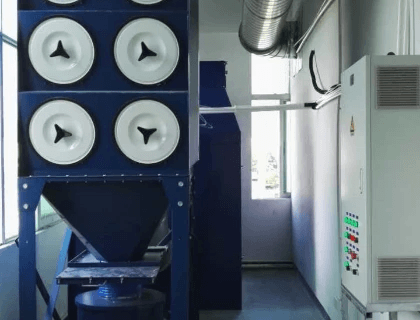
In the realm of industrial operations, effective dust management is not merely a luxury—it's a necessity. The following case studies showcase how leading companies have successfully implemented advanced baghouse dust collection systems to enhance their processes and ensure compliance with environmental standards. These examples illustrate the transformative impact of robust collector dust solutions in various industries.
NAROO’s Impact on Industry Leaders
NAROO has emerged as a game-changer in the field of industrial filtration, particularly with its innovative baghouse dust collection solutions. By integrating state-of-the-art technology into their products, NAROO has helped industry leaders optimize their dust collection systems, resulting in significant improvements in air quality and operational efficiency. Companies that have adopted NAROO's industrial dust removal system report enhanced performance and reduced downtime due to more efficient filter bag replacements and maintenance protocols.
The effectiveness of NAROO’s bag filtration technology is evident through its widespread adoption across multiple sectors, including automotive and manufacturing. As businesses strive to meet stringent environmental regulations, NAROO’s commitment to sustainability through superior filtration solutions has positioned it as a trusted partner for organizations seeking reliable dust control measures. This partnership not only bolsters workplace safety but also enhances overall productivity by minimizing airborne contaminants.
Performance Improvements at CATL
At CATL, a global leader in battery manufacturing, the implementation of an advanced baghouse dust collector has led to remarkable performance enhancements within their production facilities. Recognizing the importance of maintaining a clean working environment, CATL integrated an industrial dust collection system designed specifically for high-capacity operations. This strategic move significantly reduced particulate emissions during battery production processes while ensuring compliance with local environmental regulations.
The new collector dust system allowed CATL to streamline its operations by improving airflow dynamics and reducing energy consumption associated with traditional filtration methods. Employees reported noticeable improvements in air quality, contributing to better health outcomes and increased morale on the factory floor. With these advancements, CATL not only solidified its reputation as an environmentally responsible manufacturer but also set new benchmarks for efficiency within the industry.
Dust Control Strategies for Mercedes-Benz
Mercedes-Benz has long been synonymous with innovation and quality in the automotive sector; however, even they faced challenges related to airborne particulates during vehicle assembly processes. To tackle this issue head-on, they implemented cutting-edge baghouse dust collection systems that effectively manage emissions from painting and sanding operations—a critical step toward achieving cleaner production standards.
The integration of an efficient industrial filtration solution allowed Mercedes-Benz to capture fine particles before they could escape into the atmosphere or affect worker health negatively. By employing specialized filter bags tailored for specific applications within their plants, they maximized both performance and longevity of their collector dust systems while minimizing maintenance costs associated with frequent replacements. As a result, Mercedes-Benz not only enhanced its commitment to sustainability but also improved operational efficiencies across its manufacturing sites.
Conclusion

As we wrap up our exploration of baghouse dust collection systems, it's clear that these industrial filtration solutions are not just a passing trend—they're essential for maintaining safety and compliance in various industries. With advancements in technology and growing awareness of environmental issues, the future of dust collection looks promising. Innovations in bag filtration techniques and smarter collector dust management will likely enhance the efficiency and effectiveness of these systems.
Future Developments in Dust Collection
The landscape of industrial dust collection is evolving rapidly, with emerging technologies poised to revolutionize how we approach air quality management. Future developments may include more intelligent sensors that monitor air quality in real-time, allowing for immediate adjustments to the dust collection system as needed. Additionally, advancements in materials used for filter bags could lead to longer-lasting solutions that require less frequent replacement, ultimately reducing costs associated with maintenance.
Best Practices for Effective Maintenance
To ensure your baghouse dust collector operates at peak performance, implementing best practices for effective maintenance is crucial. Regular inspections and timely replacements of filter bags are essential to prevent inefficiencies within your industrial dust removal system. Moreover, keeping a detailed log of maintenance activities can help identify patterns or recurring issues that may require further attention or upgrades.
NAROO’s Role in Industrial Filtration Solutions
NAROO has positioned itself as a leader in providing innovative solutions within the realm of industrial filtration and baghouse dust collection systems. By focusing on high-quality materials and cutting-edge technology, NAROO ensures its products meet the demands of modern industries while adhering to strict environmental regulations. As companies strive to improve their air quality standards and workplace safety, NAROO's commitment to excellence makes it an invaluable partner in achieving effective dust control strategies.