

Introduction
Understanding the risks associated with combustible dust is crucial for any business operating in manufacturing, woodworking, or other dusty environments. When combustible dust accumulates, it can lead to devastating fires and explosions if not properly managed under the osha combustible dust standard. Implementing effective osha dust control measures not only keeps your facility compliant but also safeguards your employees and assets from preventable hazards.
Understanding Combustible Dust Risks for Your Business
Combustible dust poses a silent yet deadly threat that many businesses underestimate until it’s too late. The osha combustible dust standard emphasizes the importance of identifying and controlling these risks before disaster strikes. From fine sawdust to flour particles, any airborne particulate can ignite if proper precautions like cyclone for dust collector systems or centrifugal dust separators aren’t in place, making awareness and proactive measures essential.
Why Standards and Regulations Matter
Navigating osha combustible dust regulations may seem daunting, but these standards serve as your safety blueprint to prevent catastrophic incidents. OSHA’s requirements for osha construction dust control regulations ensure that even during building projects, proper containment methods like bag house filter systems are used effectively. Staying compliant not only avoids hefty fines but demonstrates your commitment to a safe working environment where everyone can breathe easier.
How Combustible Dust Control Protects People and Assets
Implementing robust osha dust control strategies—such as installing cyclone for dust collector units or centrifugal dust separators—creates a safer workspace by minimizing airborne hazards. These systems are vital in reducing the risk of fire or explosion caused by accumulated combustible dust on surfaces or equipment surfaces. Ultimately, investing in top-tier solutions like bag house filter systems helps protect your personnel while extending the lifespan of your machinery and facilities.
What Is the OSHA Combustible Dust Standard
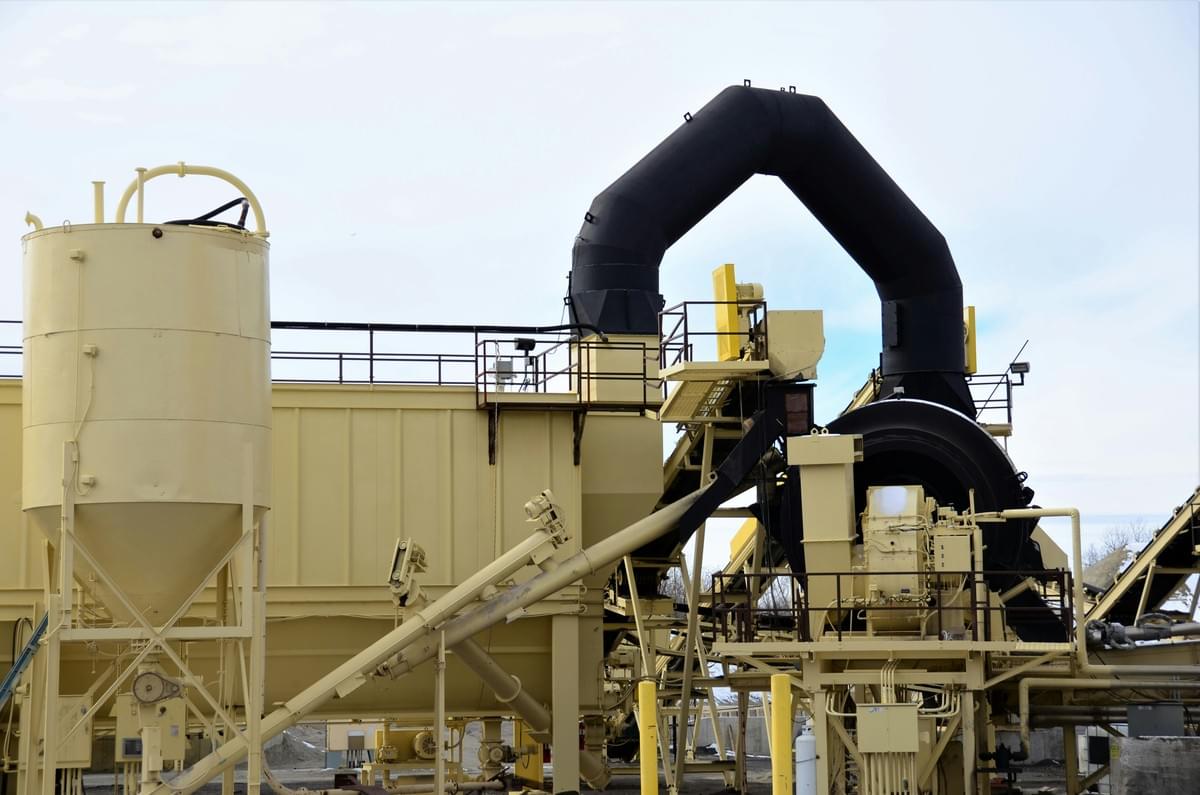
The OSHA combustible dust standard is a set of regulations designed to mitigate the risks associated with combustible dust in various industries. These standards aim to prevent devastating explosions and health hazards caused by airborne dust particles that can ignite or explode under certain conditions. Implementing effective osha dust control measures, such as cyclone for dust collector systems, is crucial for maintaining safety compliance and protecting workers.
Understanding the origins of the osha combustible dust standard reveals its roots in tragic incidents where dust explosions led to injuries and fatalities. OSHA developed these regulations to address gaps in industry safety protocols, emphasizing proactive dust control strategies like centrifugal dust separators and bag house filter systems. These measures are essential components of osha construction dust control regulations, ensuring that industries stay ahead of potential hazards.
The impact of the osha combustible dust standard on industry safety protocols cannot be overstated. Companies are now required to adopt comprehensive osha dust control solutions—integrating cyclone for dust collector units, centrifugal separators, and bag house filter systems—to minimize explosion risks. Regular inspections and maintenance aligned with these standards help businesses stay compliant while safeguarding their assets and personnel from catastrophic events.
OSHA Construction Dust Control Regulations Explained
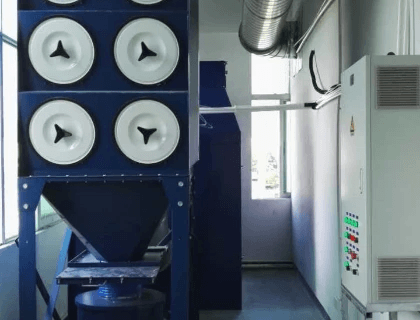
Understanding the nuances between construction dust and combustible dust is crucial for maintaining safety and compliance on job sites. OSHA construction dust control regulations are tailored to address these differences, emphasizing the importance of proper dust management systems. When it comes to osha combustible dust, implementing effective measures like cyclone for dust collector, centrifugal dust separator, or bag house filter system can significantly reduce explosion risks and health hazards.
To stay compliant with osha construction dust control regulations, companies should prioritize regular maintenance of their bag house filter system and other filtration equipment. Properly installed cyclone for dust collector units help in minimizing airborne hazards, aligning with the requirements of the osha combustible dust standard. Consistent inspection and adherence to industry best practices not only meet regulatory demands but also foster a safer work environment by reducing the likelihood of fires or explosions caused by combustible particles.
Differentiating Construction Dust and Combustible Dust
Construction projects generate various types of dust, but not all are classified as combustible under osha standards. The key difference lies in the particle's ability to ignite; while some construction debris may be nuisance particles, others pose serious fire or explosion risks if classified as osha combustible dust. Recognizing this distinction helps determine whether specific controls like a cyclone for dust collector or centrifugal dust separator are necessary.
Combustible dust is characterized by fine particles that can become suspended in air and ignite under certain conditions—making it a critical concern under the osha combustible dust standard. Construction activities such as cutting, grinding, or sanding can produce these hazardous particles that require special attention according to OSHA’s regulations on industrial hygiene and fire safety. Proper identification ensures that appropriate measures—like installing an effective bag house filter system—are implemented promptly.
Differentiating between general construction debris and potentially explosive osha combustible dust is essential because it influences safety protocols significantly. While traditional construction dirt might be managed through routine cleaning, hazardous combustibles demand advanced solutions such as cyclone for dust collector systems designed specifically for explosive environments. Understanding this distinction supports compliance with both OSHA construction dust control regulations and the broader requirements of the osha combustible dusty standard.
Essential OSHA Construction Dust Control Measures
Effective management of construction site airborne particulates hinges on implementing proven strategies aligned with OSHA’s guidelines on osha constructiondust control regulations. Installing a cyclone fordust collector is one of the most efficient ways to capture large volumes of hazardous debris before they become airborne—reducing inhalation risks and meeting regulatory demands related to osha combustibledust standards.
Another critical measure involves deploying centrifugaldust separators alongside bag house filter systems; these devices work together to trap fine particles that could otherwise accumulate dangerously in enclosed spaces or pose explosion hazards under the osha combustibledust regulation framework. Regular inspection and maintenance ensure these systems operate at peak efficiency while keeping your site compliant with industry standards on safe occupational environments.
Compliance also requires training workers on proper handling procedures for materials generating potentially explosive combustion hazards—and ensuring all equipment used aligns with established safety protocols like those mandated by OSHA’s constructiondust control regulations. Incorporating comprehensive controls such as cycloneforDust Collector units coupled with robust filtration systems helps minimize risks associated with osha combustibledust while promoting a healthier workspace overall.
Best Practices for Compliance
Achieving full compliance with OSHA’s constructiondust control regulations involves adopting best practices centered around proactive hazard mitigation strategies involving equipment like cycloneforDust Collector units, centrifugald ust separators, and bag house filter systems—all designed to meet the stringent criteria set out by the oshacombustibledust standard. Regularly scheduled inspections ensure these devices function correctly; neglecting maintenance could result in non-compliance issues or even catastrophic accidents involving ignition sources within a dusty environment.
Training employees about proper operation procedures related to all components involved in controlling combustion hazards—such as ensuring filters are replaced timely within your bag house filter system—is vital in adhering to industry standards enforced through both OSHA regulation frameworksand NFPA guidelines concerning explosive atmospheres stemming from combustibledust scenarios). Implementing comprehensive documentation processes further supports ongoing compliance efforts while demonstrating due diligence during audits or inspections related totheo sha combustibledust standard.
Staying ahead means continuously updating your safety protocols based on new developments within industry standards—and partnering with trusted suppliers who provide certified solutions like NAROO’s explosion-proof extraction systems ensures your site remains compliant over time without sacrificing efficiency or safety margins.
Critical Components of OSHA Dust Control
Effective dust control in industrial environments hinges on understanding and implementing key components that align with the osha combustible dust standard. Selecting the right equipment and integrating explosion-proof systems are crucial steps toward maintaining a safe workspace. By focusing on these critical elements, industries can prevent dust explosions and ensure compliance with osha combustible dust regulations, ultimately safeguarding personnel and assets.
The Role of OSHA Combustible Dust Regulations in Industry
The osha combustible dust standard sets clear guidelines for industries handling fine particulate matter, emphasizing the importance of controlling combustible dust to prevent fires and explosions. These regulations influence how companies design their processes, enforce safety protocols, and select appropriate equipment. Adhering to osha combustible dust standards is not just about compliance; it’s about creating a culture of safety that minimizes risk across manufacturing floors and construction sites alike.
Choosing the Right Dust Collection Equipment
Selecting suitable dust collection systems is fundamental to effective osha dust control strategies. Equipment like cyclones for dust collectors efficiently separate large particles from airborne dust, reducing hazards associated with combustible dust accumulation. Centrifugal dust separators further enhance safety by providing high-efficiency removal of fine particles, aligning perfectly with the requirements outlined in the osha combustible dust standard.
Moreover, bag house filter systems are vital for capturing residual fine particulate matter, ensuring that emissions stay within regulatory limits while protecting workers from inhaling hazardous substances. When choosing equipment under osha construction dust control regulations or general industry standards, it’s essential to consider durability, filtration efficiency, and explosion-proof features—especially if dealing with volatile or flammable materials.
Integrating NAROO’s Explosion-Proof Dust Removal Systems
To meet stringent osha combustible dust standards effectively, integrating explosion-proof solutions like NAROO’s specialized systems is a game-changer. These systems are designed specifically to prevent ignition sources during active collection or maintenance activities—an essential aspect of osha asbestos-free or fire-safe environments. Incorporating explosion-proof components into cyclone for dust collector setups or centrifugal dust separators ensures compliance while maintaining peak operational performance.
Regulatory Compliance and Industry Standards
Navigating the maze of OSHA and NFPA guidelines can feel like trying to find your way through a fog of dust—thick but navigable with the right map. The osha combustible dust standard is designed to keep industries safe from the hazards of combustible dust, but compliance isn’t just about ticking boxes; it requires understanding how osha dust control measures integrate with NFPA standards. Staying compliant means regularly updating your procedures to align with both OSHA and NFPA regulations, especially when implementing systems like cyclone for dust collector setups or centrifugal dust separator technology.
Real-World Applications and Case Studies
Major manufacturers across various industries have successfully navigated the complexities of osha combustible dust standards by implementing comprehensive dust control solutions. These companies recognize that compliance with osha combustible dust regulations is not just about avoiding fines but ensuring the safety of their workforce and protecting valuable assets. By integrating systems like cyclone for dust collector, centrifugal dust separator, and bag house filter system, they create safer environments that meet or exceed osha construction dust control regulations.
Many leading firms have adopted innovative dust collection equipment to stay ahead of osha combustible dust standards. For example, installing cyclone for dust collector units allows these manufacturers to efficiently separate fine particles from the air, significantly reducing explosion risks. Similarly, centrifugal dust separator systems are employed to enhance filtration efficiency, while bag house filter systems provide a final safeguard against airborne combustible dust, ensuring ongoing osha dust control compliance.
Some success stories highlight how companies tailored their approach to meet the specific demands of their industry while adhering to osha combustible dust standards. These organizations often combine multiple solutions like cyclone for dust collector and bag house filter system to achieve optimal safety performance. Their proactive stance on osha construction dust control regulations demonstrates that investing in proper equipment not only prevents accidents but also boosts productivity by maintaining a safe work environment.
How Major Manufacturers Meet OSHA Standards
Leading manufacturers understand that complying with the osha combustible dust standard requires more than just installing equipment; it involves a holistic approach to safety management. They often incorporate cyclone for dust collector systems as part of their routine maintenance plans because these devices effectively capture fine particles before they pose explosion hazards under osha regulations. Additionally, many utilize centrifugal dust separators alongside bag house filter systems to ensure all airborne contaminants are controlled according to osha construction dust control regulations.
These companies also prioritize employee training on the importance of osha combustible dust standards and proper operation of their filtration systems. Regular inspections and maintenance of components like cyclone for dust collector units help maintain compliance with both OSHA and NFPA guidelines related to combustion risks associated with industrial debris. By doing so, they demonstrate that adherence to OSHA’s rules is integral not only for legal compliance but also for fostering a culture of safety within their operations.
Success Stories of Dust Control Implementation
One standout success story involves a manufacturing plant that faced frequent shutdowns due to non-compliance with osha combustible dust standards. After upgrading its facility with advanced cyclone for dust collector technology combined with a robust bag house filter system, the company drastically reduced airborne particle levels—meeting all OSHA requirements—and minimized fire hazards linked to combustible materials. Their investment in centrifugal dust separators further enhanced overall air quality while maintaining regulatory adherence.
Another example features a woodworking facility that integrated custom-designed exhaust systems aligned with osha construction Dust Control Regulations into its workflow processes. The result was improved worker safety, fewer regulatory violations related to osha combustible dust issues, and increased operational efficiency thanks to cleaner air conditions fostered by reliable filtration components like cyclone units and bag houses. These successes underscore how strategic investments in compliant equipment can turn regulatory challenges into competitive advantages.
Lessons Learned from Non-Compliance Issues
Failing to adhere strictly to OSHA’s combustible Dust Standard can lead to devastating consequences—both financially and in human lives—highlighting why proactive measures matter so much in industrial settings. Several cases reveal how neglecting regular inspection or opting out of using proper filtration methods such as cyclone for Dust Collector or centrifugal separators resulted in catastrophic explosions or fires due solely to unmitigated airborne combustibles per OSHA guidelines.
These incidents serve as stark reminders that cutting corners on OSHA Dust Control protocols jeopardizes safety and invites hefty penalties from regulators like NFPA while tarnishing corporate reputation permanently. Implementing comprehensive solutions—including reliable bag house filter systems—and maintaining them diligently ensures ongoing compliance with both OSHA’s requirements and industry best practices related to the handling of hazardous dusty environments.