

Introduction
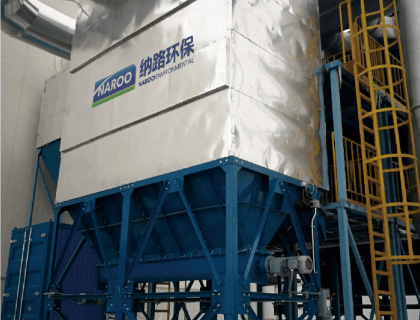
In the realm of industrial operations, air quality is paramount, and understanding the intricacies of industrial filtration systems is essential for maintaining a safe and efficient working environment. Among these systems, the bag house filter system stands out as a popular choice for dust air filtration, effectively capturing particulate matter and ensuring cleaner air. As industries evolve, so too do their needs; this has led to a growing interest in both standard and tailor-made air filtration filters designed to meet diverse operational requirements.
Understanding Industrial Filtration Systems
Industrial filtration systems serve as the backbone of air quality management in various sectors. These systems are designed to remove contaminants from the air, including dust and other harmful particles that can affect both equipment performance and employee health. The bag house filter system exemplifies this technology, utilizing fabric filters to efficiently collect dust while allowing clean air to pass through.
The Importance of Effective Air Filtration
Effective air filtration is not just about compliance with regulations; it directly impacts productivity and worker safety. Poor air quality can lead to respiratory issues among employees and increased wear on machinery due to dust accumulation—two costly problems that no business can afford. By investing in robust solutions like bag filtration systems or advanced collector dust technologies, companies can enhance their operational efficiency while safeguarding their workforce.
Overview of Standard and Tailor-Made Options
When it comes to selecting an appropriate filtration solution, businesses often face a choice between standard options like bag house filter systems and more customized alternatives tailored to specific needs. Standard filters provide reliable performance across common applications but may lack the flexibility required for unique challenges faced by certain industries. On the other hand, tailor-made solutions offer bespoke designs that optimize efficiency for specialized processes—an increasingly appealing option for organizations seeking superior dust collector capabilities.
Defining Standard Industrial Filtration Systems

Standard industrial filtration systems have become the backbone of effective air quality management in various industries. Among these, the bag house filter system stands out as a popular choice for dust air filtration. These systems are designed to handle large volumes of air while efficiently capturing particulate matter, making them essential in maintaining a clean and safe work environment.
Characteristics of Bag House Filter Systems
Bag house filter systems are characterized by their use of fabric filters to collect dust and other particulates from the air stream. The design typically includes multiple compartments filled with bag filtration units that can be cleaned periodically, ensuring sustained performance over time. Additionally, these systems are equipped with automated cleaning mechanisms that help maintain optimal airflow and reduce downtime, making them an efficient choice for many industrial applications.
Common Applications of Standard Filters
Standard filters like bag house systems find their applications across a wide range of industries, including manufacturing, mining, food processing, and pharmaceuticals. In manufacturing plants, they are commonly used to capture dust generated during processes such as grinding or cutting materials. Similarly, in mining operations, these dust collectors play a crucial role in controlling airborne particles that can pose health risks to workers.
Pros and Cons of Standard Solutions
While standard solutions like bag house filter systems offer numerous advantages such as cost-effectiveness and ease of installation, they also come with certain limitations. On the pro side, these air filtration filters provide reliable performance at lower upfront costs compared to tailor-made options; they are readily available and compatible with various setups. However, the downside is that standard filters may not meet specific needs for unique industrial applications or environments where specialized filtration is required—this could lead to inefficiencies or increased operational costs in the long run.
The Rise of Tailor-Made Filtration Systems
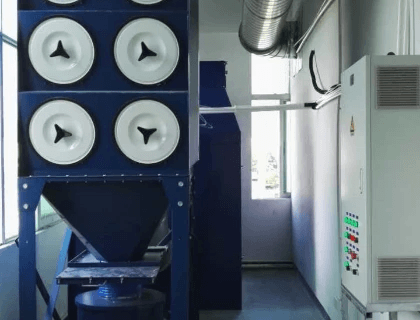
In an era where customization reigns supreme, tailor-made filtration systems are stepping into the limelight. Unlike standard solutions, these systems are designed to meet specific industry requirements, ensuring optimal performance and efficiency. With the growing complexity of air filtration needs, businesses are increasingly turning to custom solutions that address their unique challenges.
What Sets Tailor-Made Systems Apart
Tailor-made systems stand out due to their ability to adapt and respond to the specific demands of various environments. While a bag house filter system may work wonders in one application, it might not be the best fit for another industry’s dust air filtration needs. The flexibility inherent in custom designs allows for adjustments in size, configuration, and filtration media—ensuring that every aspect works harmoniously for maximum efficacy.
Moreover, tailor-made air filtration filters can incorporate advanced technologies and materials that standard filters simply can't offer. This adaptability is crucial when dealing with challenging substances or environments where conventional methods fall short. Ultimately, it's this bespoke approach that differentiates tailor-made systems from their off-the-shelf counterparts.
Custom Solutions for Unique Industry Needs
Industries vary widely in terms of their operational processes and the types of contaminants they generate; therefore, a one-size-fits-all solution often misses the mark. Custom solutions allow companies to specify exactly what they need—be it enhanced dust collector efficiency or specialized bag filtration techniques tailored for particular pollutants. This means that businesses can achieve higher levels of compliance with environmental regulations while also improving overall workplace safety.
For instance, a manufacturing facility might require a unique configuration of a bag filter system to handle heavy particulate loads without clogging or losing suction power over time. Similarly, industries dealing with hazardous materials benefit immensely from tailored designs that prioritize both effective dust collection and worker safety measures. Such attention to detail ensures that every aspect of air quality management is optimized according to real-world conditions.
Benefits of Tailor-Made Air Filtration Filters
The advantages of choosing tailor-made air filtration filters extend beyond mere customization; they also include significant long-term benefits like increased durability and reduced maintenance costs. When systems are designed specifically for an application’s unique demands, they tend to perform better over time compared to standard options—which can lead to lower operational expenses overall. Additionally, custom solutions often come equipped with advanced monitoring capabilities that provide real-time data on performance metrics.
Another key benefit lies in energy efficiency; tailored designs can minimize energy consumption by optimizing airflow patterns within the system—resulting in lower utility bills over time. Furthermore, improved dust collector effectiveness means cleaner emissions and less environmental impact—a win-win scenario for both companies and communities alike! Ultimately, investing in tailor-made air filtration not only enhances operational effectiveness but also promotes sustainability initiatives within various industries.
NAROO's Innovative Approach to Filtration

NAROO has carved a niche in the air filtration industry by developing innovative solutions tailored to meet diverse needs. Their approach emphasizes efficiency and effectiveness, ensuring that both standard and tailor-made options are available for various industrial applications. With a focus on dust air filtration, NAROO's systems are designed not only to capture particulate matter but also to enhance overall air quality.
Overview of NAROO's Solutions
NAROO offers a range of advanced air filtration filters, including bag house filter systems that cater to different industrial requirements. These solutions are engineered with cutting-edge technology, allowing for superior dust collection and minimal maintenance downtime. The versatility of their bag filtration systems makes them suitable for industries such as manufacturing, pharmaceuticals, and food processing, where clean air is crucial.
NAROO's Contributions to Dust Air Filtration
NAROO has made significant strides in the realm of dust collector technology by focusing on enhancing the performance of bag filter systems. Their innovations have led to improved capture rates for fine particles while reducing energy consumption during operation. By integrating smart technology into their dust air filtration systems, NAROO ensures that users can monitor performance metrics in real-time, optimizing efficiency and compliance with environmental regulations.
Case Studies: NAROO in Action
One notable case study involves a large manufacturing facility struggling with excessive dust emissions from their production line. After implementing NAROO’s tailor-made bag house filter system, they reported a 95% reduction in airborne particulates and significant savings on operational costs due to increased efficiency of their dust collector system. Another example showcases a food processing plant that benefited from NAROO’s custom solutions; they experienced enhanced product quality and compliance with stringent health standards thanks to improved air filtration.
Cost Considerations: Standard vs Tailor-Made

When it comes to selecting the right air filtration solution, cost is often a significant factor. Understanding the budget for bag filtration systems can help businesses make informed decisions that align with their operational needs. Investing in a reliable dust collector or bag house filter system is crucial, as it directly impacts both short-term expenses and long-term savings.
Budgeting for Bag Filtration Systems
Budgeting for bag filtration systems involves more than just the initial purchase price; it requires a comprehensive understanding of installation, maintenance, and operational costs. Standard solutions typically come with fixed pricing structures, making them easier to budget for upfront. However, tailor-made options may have higher initial costs but can offer greater efficiency and lower ongoing expenses due to their customized nature.
For many industries, the choice between a standard bag house filter system and a tailor-made air filtration solution hinges on specific needs and financial constraints. While standard filters might seem more economical initially, they can lead to increased operational costs if they don’t meet unique requirements effectively. Thus, businesses must consider not only the sticker price but also how well each option will perform over time.
Long-Term Value of Custom Solutions
Tailor-made air filtration filters may require a heftier investment upfront but often pay off in the long run through enhanced efficiency and effectiveness in dust air filtration processes. These custom solutions are designed to address specific challenges faced by industries such as manufacturing or pharmaceuticals where standard filters may fall short. By optimizing performance and reducing downtime associated with maintenance or replacements, companies can realize substantial savings over time.
Moreover, custom filtration systems can be engineered to adapt as business needs change or evolve—something standard options struggle with due to their one-size-fits-all approach. This adaptability not only ensures compliance with regulations but also enhances overall productivity by maintaining optimal air quality in work environments. Ultimately, investing in tailor-made solutions can lead to lower total costs when considering the lifetime value of efficient dust collector systems.
Analyzing the Total Cost of Ownership
Analyzing the total cost of ownership (TCO) for both standard and tailor-made filtration systems reveals insightful differences that go beyond initial expenditure figures. The TCO encompasses all associated costs over a system's lifespan—including installation fees, energy consumption, maintenance labor, replacement parts like bag filters, and even potential downtime losses during repairs or inefficiencies in operation caused by inadequate systems.
Standard bag house filter systems may appear cheaper at first glance but could incur hidden costs due to frequent replacements or inefficient filtering capabilities leading to higher energy bills from running subpar equipment continuously. Conversely, while tailor-made solutions might come with higher upfront investments for design and implementation phases of dust air filtration projects, their efficiency translates into lower operating expenses over time—making them financially prudent choices despite their initial price tag.
In conclusion, evaluating cost considerations requires businesses to think beyond mere purchase prices; understanding long-term value is essential when choosing between standard versus custom options for effective air quality management through reliable dust collectors.
Choosing the Right Filtration System for Your Needs

Choosing the right filtration system can feel like trying to find a needle in a haystack, especially when it comes to air filtration. With various options available, including bag house filter systems and tailor-made solutions, it's essential to evaluate your specific requirements first. This step ensures you select an air filtration system that not only meets your needs but also enhances operational efficiency and compliance.
Evaluating Your Specific Filtration Requirements
When evaluating your specific filtration requirements, consider the type of dust or contaminants present in your environment. For instance, if you're dealing with fine particulate matter or hazardous substances, a robust dust collector may be necessary to ensure effective dust air filtration. Additionally, assessing the volume of air that needs filtering will help determine whether a standard bag filter or a more customized solution is appropriate for your situation.
Another critical factor is the operating conditions within your facility; temperature and humidity levels can significantly impact the performance of different bag house filter systems. Make sure to analyze these aspects thoroughly before making a decision. Lastly, don't forget about maintenance—choosing an air filtration system that simplifies upkeep can save time and costs in the long run.
Factors Influencing the Decision: Efficiency, Space, and Compliance
Efficiency is often at the forefront of decision-making when selecting an air filtration system; after all, no one wants to compromise on clean air quality! High-efficiency bag filtration systems are designed to capture even minute particles effectively while minimizing energy consumption. Moreover, understanding how much space you have available for installation will play a crucial role—some dust collectors require significant room compared to more compact options.
Compliance with industry regulations should also be on your radar as you weigh your options; many sectors have stringent standards for air quality that must be met through effective dust air filtration methods. This means ensuring that whichever solution you choose adheres to local and national guidelines is paramount for both safety and legal reasons. Balancing these factors—efficiency, space constraints, and compliance—will guide you toward making an informed choice.
Consultation and Support in the Selection Process
Navigating through various options can be overwhelming; that's where consultation comes into play! Engaging with experts who specialize in industrial filtration can provide valuable insights tailored specifically to your needs. They can help clarify which type of bag house filter system or custom solution would work best based on your unique operating conditions.
Support doesn’t stop at selection; ongoing assistance throughout installation and maintenance phases ensures optimal performance from your chosen system over time. Many companies offer comprehensive service packages that include training staff on proper usage of their dust collector equipment too! So don’t hesitate to reach out for support—making informed decisions is key to maintaining excellent air quality while maximizing efficiency.
Conclusion

In the realm of industrial air filtration, understanding the nuances between standard and tailor-made solutions is crucial for optimizing air quality. The bag house filter system stands as a robust option, providing reliable dust air filtration for various applications. However, tailor-made systems shine when specific industry needs demand unique solutions that standard filters simply cannot accommodate.
Key Differences Between Filter Types
The primary distinction between a bag house filter system and tailor-made options lies in customization versus standardization. While standard filters offer efficiency and cost-effectiveness, they may lack the flexibility required for specialized environments where unique dust characteristics are present. Tailor-made air filtration filters cater to these specific needs, ensuring optimal performance while addressing compliance and operational challenges.
Moreover, the construction of bag filtration systems often utilizes pre-defined specifications that may not always match every operation's requirements perfectly. This can lead to inefficiencies or increased maintenance costs down the line. In contrast, tailor-made solutions are designed with particular applications in mind, providing enhanced functionality and longevity in demanding environments.
The Future of Industrial Filtration Solutions
Looking ahead, the future of industrial filtration solutions appears to be leaning toward more innovative approaches that prioritize sustainability and efficiency. With advancements in technology, we can expect improvements in dust collector designs that enhance air quality while minimizing energy consumption. The integration of smart technology into air filtration systems will also allow for real-time monitoring and adjustments to maintain optimal performance levels.
Additionally, as industries become increasingly aware of their environmental impact, there will be a growing emphasis on eco-friendly materials and processes within both standard and custom filter designs. This shift not only benefits companies aiming for greener operations but also promotes better health outcomes for workers exposed to airborne contaminants over time.
Making Informed Decisions for Air Quality
When choosing an air filtration system—whether a bag house filter system or a tailored solution—it's essential to evaluate your specific requirements thoroughly. Consider factors such as efficiency ratings, available space for installation, regulatory compliance needs, and long-term operational costs associated with both types of filters. Engaging with experts who can provide insights into these variables ensures that your decision aligns with both immediate needs and future growth plans.
Ultimately, making informed decisions about dust air filtration systems can significantly enhance workplace safety while improving overall productivity levels within your organization. By weighing the pros and cons of each option thoughtfully—and considering potential innovations on the horizon—you'll be well-equipped to choose an effective solution that meets your unique demands.