

Introduction
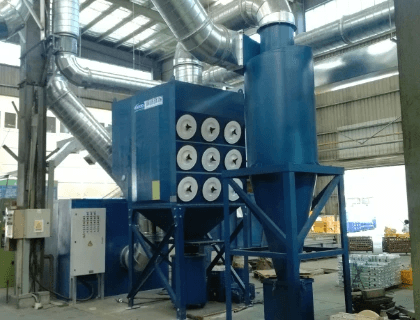
In the world of manufacturing, effective dust collection is not just a luxury but a necessity. A well-designed dust exhaust system can significantly enhance workplace safety, improve air quality, and increase operational efficiency. With the right industrial dust extractor in place, factories can reduce health risks associated with airborne particles while ensuring compliance with regulatory standards.
Importance of Effective Dust Collection
The importance of an efficient factory dust collector cannot be overstated; it plays a crucial role in maintaining a clean and safe working environment. Dust accumulation can lead to various hazards, including respiratory issues for workers and potential fire risks from combustible dust particles. Investing in a high-quality industrial vacuum dust collector not only protects employees but also contributes to the longevity of machinery by preventing wear and tear caused by excessive dust buildup.
Understanding Your Factory's Needs
Factors such as the type of materials processed, production volume, and existing equipment all influence the choice of an appropriate industrial dust cleaning machine. By evaluating these elements carefully, manufacturers can tailor their approach to effectively address their particular dust challenges.
Choosing the Right Dust Collection System
Selecting the right dust collection system is pivotal for achieving optimal results in any manufacturing setting. Options range from centralized systems that manage large volumes of airborne particulates to portable units designed for localized cleaning tasks—each with its own set of advantages and limitations. When choosing between models like NAROO or other brands, factors such as filtration efficiency, ease of maintenance, and integration capabilities with existing equipment should guide your decision-making process.
Evaluating Your Factory’s Dust Challenges

When it comes to maintaining a clean and safe factory environment, evaluating dust challenges is paramount. A well-implemented dust exhaust system can significantly enhance air quality and worker safety while ensuring compliance with industry regulations. By identifying common dust sources, assessing the volume and type of dust produced, and analyzing current control methods, you can tailor your approach to meet your factory's unique needs.
Identifying Common Dust Sources
Dust can originate from various processes within your factory, making it essential to identify these sources accurately. Common culprits include machining operations, material handling, sanding, and even packaging activities that generate particulates. Understanding where the dust comes from allows you to implement targeted solutions like an industrial dust extractor or a specialized factory dust collector that effectively addresses those specific issues.
In many cases, the types of materials being processed will dictate the kind of dust generated—wood shavings in carpentry shops or metal filings in machining facilities are prime examples. By cataloging these sources systematically, you can prioritize which areas need immediate attention for effective industrial dust cleaning machine deployment. This strategic identification is key to developing a comprehensive plan for your facility's dust management.
Assessing Dust Volume and Type
Once you've identified where the dust is coming from, it's time to assess both its volume and type—two critical factors that will influence your choice of equipment like an industrial vacuum dust collector or a powerful industrial dust extractor. The volume of dust generated will determine the capacity needed in your chosen system; for instance, high-volume production lines may require larger systems with greater CFM (cubic feet per minute) ratings to maintain efficiency.
Additionally, different types of materials produce varying sizes and weights of particles that affect how they should be collected. For example, fine powders may require more sophisticated filtration systems than heavier wood chips or metal shavings. Understanding these nuances ensures that your chosen solutions align perfectly with what you're dealing with on the shop floor.
Analyzing Current Dust Control Methods
Before investing in new equipment like an advanced industrial vacuum dust collector or upgrading existing systems such as a factory dust collector, it's essential to analyze what's currently being used for controlling dust within your facility. Are existing methods effective? Are they compliant with regulatory standards? This evaluation will help you identify gaps in performance and areas ripe for improvement.
Take stock of how well current methods are working by measuring their effectiveness against industry benchmarks for air quality standards. If you're relying solely on manual cleaning methods or subpar equipment like outdated filters in an industrial exhaust system, it might be time for an upgrade to more efficient options like modern industrial vacuum systems designed specifically for heavy-duty applications.
Investing time into this analysis not only helps pave the way for better solutions but also sets up a foundation on which you can build continuous improvements moving forward.
Selecting the Right Industrial Dust Extractor

Choosing the right industrial dust extractor is crucial for maintaining a clean and safe working environment in your factory. With various options available, it’s essential to identify which features align with your specific needs. A well-selected factory dust collector can significantly enhance productivity while minimizing health risks associated with dust exposure.
Key Features to Look For
When shopping for an industrial dust cleaning machine, there are several key features to consider that can greatly impact performance. First and foremost, look for a robust filtration system; high-efficiency filters will capture fine particles effectively, ensuring cleaner air quality. Additionally, consider the size and capacity of the unit; a larger industrial vacuum dust collector may be necessary for high-volume operations to handle significant dust loads without frequent maintenance interruptions.
Another important aspect is portability and ease of use; some models offer wheels or built-in handles for easy maneuverability around your factory floor. Noise levels should also be evaluated; quieter models can provide a more pleasant working environment without sacrificing extraction power. Lastly, ensure that the machine has user-friendly controls and maintenance indicators to streamline operation and upkeep.
Comparing Popular Models: NAROO vs Other Brands
When comparing popular models of industrial dust extractors, NAROO stands out due to its innovative technology and reliability in real-world applications. Unlike many other brands that may compromise on filtration efficiency or durability, NAROO’s offerings are designed specifically for rigorous industrial environments where performance matters most. By evaluating user reviews and expert opinions on various models, you can better understand how NAROO stacks up against competitors.
For instance, while some brands may focus on lower initial costs with minimal features, NAROO emphasizes value through advanced filtration systems that last longer and require less frequent replacement—saving you money in the long run. Additionally, examining warranty options can provide insights into each brand's confidence in their product's longevity; NAROO typically offers robust warranties reflecting their commitment to quality.
The Role of Filtration Efficiency
Filtration efficiency plays a pivotal role in determining the effectiveness of any dust exhaust system you choose for your factory. A high-efficiency particulate air (HEPA) filter is often essential as it captures 99.97% of particles down to 0.3 microns—crucial for industries dealing with hazardous materials or fine particulates like wood or metal shavings from machining processes. When selecting an industrial dust extractor, pay close attention not only to filter type but also to airflow rates since they directly influence how well the system operates under different conditions.
Moreover, regular maintenance of filters ensures optimal performance over time; clogged filters lead to decreased suction power and inefficient operation which could ultimately compromise worker safety and productivity levels within your facility’s atmosphere. Investing in a reliable filtration system as part of your overall dust management strategy will yield significant long-term benefits by reducing airborne contaminants effectively.
Implementing a Comprehensive Dust Exhaust System

When it comes to maintaining a clean and safe factory environment, implementing a comprehensive dust exhaust system is non-negotiable. A well-designed dust system not only enhances air quality but also boosts productivity by reducing downtime caused by dust-related issues. The effectiveness of your factory dust collector hinges on thoughtful planning and integration with existing processes.
Designing an Effective Dust System Layout
Designing an effective dust system layout requires a keen understanding of your factory's workflow and potential dust sources. Begin by mapping out the areas where dust is generated most frequently, such as cutting stations or assembly lines, and position your industrial dust extractor strategically to capture particles at their source. A smart layout minimizes ductwork complexity while ensuring optimal airflow, ultimately enhancing the efficiency of your industrial vacuum dust collector.
Moreover, consider the type of materials being processed; different materials produce varying types of dust that require specific handling techniques. By tailoring the design of your dust exhaust system to accommodate these variables, you can ensure higher filtration efficiency and lower maintenance costs in the long run. Keep in mind that an adaptable design allows for future expansions or changes in production processes without significant overhauls.
Integrating with Existing Equipment
Integrating your new industrial dust cleaning machine with existing equipment is crucial for maximizing its effectiveness. Start by evaluating how current machinery interacts with the proposed dust collection system; this ensures that any modifications do not disrupt operations or compromise safety standards. Seamless integration can enhance performance, allowing for better coordination between machines and the factory dust collector.
To facilitate this process, invest in flexible ductwork solutions that can easily connect various machines to your industrial vacuum dust collector without causing airflow restrictions or leaks. Additionally, consider automation options that allow for real-time monitoring of air quality and system performance; this will help you identify any inefficiencies early on and adjust accordingly. Remember, a well-integrated system not only improves overall productivity but also creates a safer working environment for employees.
Maintenance Considerations for Longevity
Maintenance plays a pivotal role in ensuring the longevity and effectiveness of your industrial vacuum dust collector and associated systems. Regular checks on filters are essential; clogged filters can lead to decreased suction power and increased energy consumption—neither of which are ideal outcomes for any factory operation! Schedule routine maintenance tasks such as cleaning ducts, replacing filters, and inspecting connections to keep your factory's air clean.
Moreover, training employees on proper usage protocols helps maintain peak performance levels while extending equipment lifespan. Encourage staff to report any unusual noises or drops in suction immediately so you can address potential issues before they escalate into costly repairs or replacements. In essence, proactive maintenance not only safeguards your investment but also reinforces a culture of safety within your workplace.
Exploring Industrial Vacuum Dust Collectors
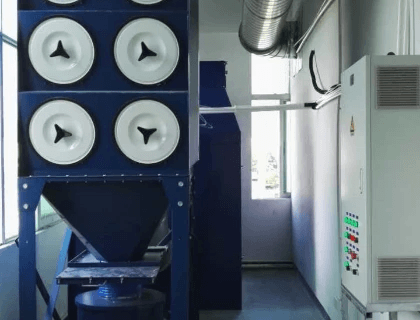
In the quest for a cleaner and safer working environment, industrial vacuum dust collectors are becoming increasingly essential. These machines not only tackle the challenges posed by factory dust but also enhance overall operational efficiency. By integrating a robust dust system into your facility, you can significantly reduce health risks associated with airborne particles while improving productivity.
Benefits of Using Vacuum Systems
One of the primary benefits of using vacuum systems in your factory is their ability to effectively capture and contain dust at its source. Unlike traditional methods that may merely redistribute particles, an industrial vacuum dust collector ensures that harmful debris is removed from the air and surfaces promptly. This proactive approach minimizes downtime caused by cleaning and maintenance, allowing your team to focus on what truly matters: production.
Moreover, these systems are designed for versatility and can handle various types of materials, making them ideal for different industries. Whether you're dealing with fine powders or larger debris, an industrial dust extractor can be tailored to meet your specific needs. Additionally, with advanced filtration technologies available today, you can expect improved air quality that complies with regulatory standards—an essential aspect of any modern factory dust collection strategy.
NAROO Vacuum Solutions: A Case Study
To illustrate the effectiveness of industrial vacuum solutions, let’s look at a case study involving NAROO's innovative products in a manufacturing facility known for high levels of particulate matter. The factory faced significant challenges due to excessive dust generated during production processes, which hampered employee safety and productivity levels alike. After implementing NAROO's state-of-the-art industrial vacuum dust collector system, they observed a remarkable reduction in airborne particles and enhanced overall workplace conditions.
NAROO's equipment features advanced filtration systems that capture even the smallest particles while maintaining optimal airflow rates—critical factors in ensuring efficient operation within a busy factory environment. The switch not only improved compliance with health regulations but also led to increased employee satisfaction as workers noticed fewer respiratory issues related to dust exposure. This case underscores how investing in an effective dust exhaust system pays dividends beyond mere compliance; it fosters a culture of safety and productivity.
Cost vs. Performance Analysis
When considering an investment in an industrial vacuum dust collector or any other type of industrial dust cleaning machine, it's crucial to perform a thorough cost vs. performance analysis. While up-front costs may vary significantly among different brands and models—including NAROO—it's essential to look beyond price tags to evaluate long-term benefits such as efficiency gains and maintenance requirements over time.
The initial investment might seem high for some top-tier models; however, their superior performance often translates into lower operational costs due to reduced energy consumption and less frequent maintenance needs compared to cheaper alternatives. Furthermore, consider potential savings from improved worker health resulting from better air quality—a factor that's hard to quantify but undeniably impactful on overall productivity levels within your facility.
Ultimately, selecting the right equipment requires balancing immediate budget constraints against long-term operational goals—a challenge well worth tackling when seeking effective solutions for your factory’s unique needs.
Training and Compliance in Dust Management

Effective dust management in a factory setting goes beyond just installing an industrial dust extractor or a dust exhaust system; it requires a systematic approach to training and compliance. Employees must be well-versed in safety protocols and efficiency practices to ensure that the chosen factory dust collector operates at its best. This section will delve into the importance of employee training, regulatory standards, and continuous improvement plans for your dust management strategy.
Employee Training for Safety and Efficiency
Training employees on how to operate the industrial vacuum dust collector is crucial for maintaining safety and efficiency within the workplace. This includes familiarizing them with the proper use of an industrial dust cleaning machine, understanding how to identify potential hazards, and knowing how to respond in case of emergencies related to dust exposure. Regular training sessions can reinforce safe practices while also highlighting the importance of using the right tools—like your selected factory dust collector—to optimize performance.
In addition, educating staff about the types of materials being processed helps them understand how these factors influence their health and safety. When employees recognize that certain materials may produce more hazardous dust, they are more likely to adhere strictly to established protocols involving equipment like industrial dust extractors. Ultimately, a well-trained workforce contributes significantly to reducing downtime caused by accidents or inefficiencies.
Regulatory Standards for Dust Control
Compliance with regulatory standards is non-negotiable when it comes to effective dust management in any factory environment. Various organizations set forth guidelines that dictate acceptable levels of airborne particulates; failing to comply can lead not only to health risks but also costly fines for your business. Ensuring that your industrial vacuum dust collector meets these regulations is essential for safeguarding both workers' health and your company’s bottom line.
Moreover, staying informed about local regulations regarding air quality can help you choose suitable systems such as advanced filtration options within your chosen dust exhaust system. Regular audits can identify gaps in compliance, allowing you to make necessary adjustments before issues arise. By prioritizing adherence to these standards, you demonstrate commitment not only towards legal obligations but also towards creating a safer work environment.
Creating a Continuous Improvement Plan
A continuous improvement plan is essential for sustaining effective dust management strategies over time—think of it as fine-tuning your factory's performance engine! This involves regularly assessing the effectiveness of current methods used in conjunction with your industrial dust extractor or vacuum systems while seeking out new technologies or practices that might enhance results further. Periodic evaluations provide insight into whether existing equipment like an industrial cleaning machine remains adequate or if upgrades are necessary.
Collaboration among team members across departments can foster innovative ideas aimed at improving overall efficiency within your operations regarding waste reduction from excess airborne particles. Don't forget; feedback from employees who interact daily with these systems can offer invaluable insights into what works best—and what doesn’t! Embracing this culture of continuous improvement ensures that you stay ahead of industry trends while optimizing both safety and productivity across all levels.
Conclusion

In conclusion, selecting the right factory dust collector is crucial for maintaining a clean and safe working environment. NAROO stands out as a reliable provider of industrial dust cleaning machines that cater to diverse factory needs, ensuring effective solutions tailored to specific dust challenges. By investing in a high-quality industrial dust extractor, you not only enhance operational efficiency but also safeguard the health of your workforce.
Choosing NAROO for Effective Solutions
Their industrial vacuum dust collectors are engineered with advanced filtration technology, ensuring that even the finest particles are captured and removed from the air. With a strong focus on performance and reliability, NAROO’s offerings help streamline your dust system while maximizing productivity.
Long-Term Benefits of Proper Dust Collection
Implementing a robust dust exhaust system can yield significant long-term benefits for any factory operation. Proper dust collection not only improves air quality but also reduces wear and tear on machinery, leading to lower maintenance costs over time. Moreover, a clean workspace enhances employee morale and productivity—an investment in an industrial dust extractor pays dividends in both health and efficiency.
Staying Current with Technology and Innovations
The landscape of industrial dust management is constantly evolving with new technologies that enhance performance and safety standards. Staying current with these advancements ensures that your factory remains compliant with regulatory standards while benefiting from improved efficiency through innovative solutions like advanced filtration systems or automated cleaning processes. Embracing these innovations in your factory's dust collection strategy will keep you ahead of the curve and ready to tackle future challenges.