

Introduction
The surge in EV battery manufacturing is reshaping the automotive landscape, driven by the growth of EV production and lithium-ion battery demand. As electric vehicles become increasingly mainstream, manufacturers are racing to meet consumer expectations while grappling with a hidden dilemma: dust contamination. This issue not only threatens worker safety but also poses significant risks to the quality and performance of the batteries being produced.
The Rise of EV Battery Manufacturing
In recent years, the rise of EV battery manufacturing has been nothing short of meteoric, fueled by advancements in technology and a global push for sustainable energy solutions. With governments incentivizing electric vehicle adoption, the demand for lithium-ion batteries has skyrocketed, prompting manufacturers to ramp up production capabilities. However, this rapid growth comes with its own set of challenges—most notably, the risk of thermal runaway and air contamination within production facilities.
Understanding the Dust Dilemma
Dust generated during lithium-ion battery manufacturing presents a silent threat that can significantly impact both worker health and product integrity. Airborne contaminants not only pose serious health hazards but can also lead to decreased battery performance over time. Understanding how these contaminants affect every aspect of EV battery manufacturing is crucial for developing effective solutions that safeguard both workers and products alike.
Why This Issue Matters
Addressing dust contamination is paramount in ensuring safe working conditions within lithium-ion battery plants and maintaining high-quality standards in production processes. Unfortunately, standard air filtration systems are failing to adequately manage these airborne threats, leaving workers vulnerable to harmful exposure while compromising battery efficiency. The science behind effective air filtration in lithium-ion battery manufacturing must evolve if we aim to meet future demands without sacrificing safety or quality.
The Hidden Risks of EV Battery Dust

As the growth of EV production and lithium-ion battery demand surges, the hidden risks associated with dust generated during manufacturing become increasingly concerning. The dust created in these facilities is not merely an inconvenience; it poses significant health hazards for workers, environmental concerns, and can even impact production efficiency. Understanding these risks is pivotal for ensuring a sustainable future in the rapidly evolving landscape of EV battery manufacturing.
Health Hazards for Workers
The health hazards for workers in EV battery manufacturing are alarming and multifaceted. Exposure to airborne contaminants can lead to respiratory issues, skin irritations, and long-term health complications that may not manifest until years later. Moreover, the risk of thermal runaway—where batteries overheat due to internal faults—can be exacerbated by air contamination, making it crucial to address how airborne pollutants affect worker safety.
In addition to immediate health threats, chronic exposure to lithium and other materials used in battery production can have serious consequences on overall well-being. Workers may experience fatigue or decreased cognitive function as a result of inhaling fine particulate matter generated during the manufacturing process. This highlights why standard air filtration systems are failing in lithium-ion battery plants; they simply cannot keep pace with the unique challenges posed by these environments.
Environmental Concerns
The environmental concerns surrounding dust from EV battery manufacturing extend beyond just workplace safety; they also impact local ecosystems and communities. Dust particles can settle on nearby vegetation and water sources, leading to contamination that disrupts local wildlife habitats and agricultural practices. As demand for lithium-ion batteries increases, so does the potential for widespread environmental degradation if proper measures aren't taken.
Moreover, when dust enters the air supply, it contributes to broader pollution issues that affect air quality on a larger scale. This becomes particularly problematic in urban areas where multiple manufacturing plants operate simultaneously, amplifying the silent threat posed by airborne contaminants impacting both human health and environmental integrity. Thus, addressing how contaminants affect battery performance is directly tied to safeguarding our planet's future.
Impact on Production Efficiency
The impact of dust on production efficiency cannot be overstated in the context of EV battery manufacturing. Contaminants can interfere with various stages of production—from material handling to assembly—leading to costly delays and increased waste rates due to defective products caused by unclean conditions. In an industry striving for rapid growth amid rising lithium-ion battery demand, such inefficiencies could hinder progress toward meeting market needs.
Furthermore, when standard air filtration systems fail to effectively capture particulates specific to this industry’s requirements, manufacturers face additional hurdles in maintaining optimal operational conditions. Poor air quality can necessitate more frequent equipment maintenance or replacement cycles that further drain resources away from innovation efforts aimed at enhancing productivity or developing new technologies within EV battery manufacturing processes.
In summary, recognizing these hidden risks associated with dust is essential not only for protecting workers but also for ensuring sustainable practices within this booming sector.
What is EV Battery Dust?
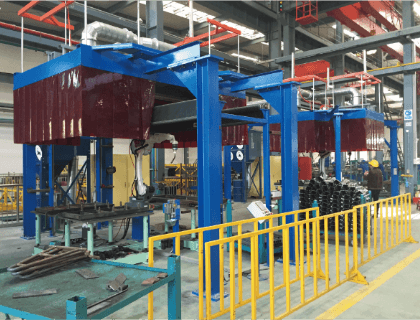
In the rapidly evolving realm of EV battery manufacturing, dust has emerged as a silent yet formidable adversary. With the growth of EV production and lithium-ion battery demand skyrocketing, understanding the nature of this dust is crucial for maintaining efficiency and safety in manufacturing environments. This section delves into what constitutes EV battery dust, its sources, generation mechanisms, and the specific role of materials like lithium.
Composition and Sources
EV battery dust primarily comprises fine particles generated during various stages of lithium-ion battery production. These particles can include metal oxides, graphite residues, and other chemical compounds used in electrodes and electrolytes. The sources of this dust are numerous: from machining processes to material handling and even during packaging—each step can contribute to airborne contaminants that pose risks in the manufacturing environment.
As the demand for electric vehicles continues to surge, so does the volume of materials processed within these facilities. Consequently, understanding the composition of EV battery dust becomes increasingly vital; it not only affects worker health but also influences overall product integrity. The risk of thermal runaway—a dangerous situation where a cell overheats—can be exacerbated by contaminants that compromise battery performance.
How Dust is Generated
Dust generation in EV battery manufacturing happens through multiple avenues, making it a pervasive issue that cannot be ignored. Mechanical processes such as grinding or cutting raw materials release fine particles into the air, while routine activities like transporting materials can stir up existing dust on surfaces. Additionally, equipment wear and tear contribute to ongoing contamination challenges within production facilities.
The silent threat posed by airborne contaminants significantly impacts both worker safety and operational efficiency in these plants. When fine particulates infiltrate sensitive areas where batteries are assembled or tested, they can disrupt critical processes that determine product quality and reliability. As a result, manufacturers must adopt proactive measures to mitigate dust generation effectively.
The Role of Lithium and Other Materials
Lithium plays a central role in modern batteries due to its high energy density; however, it also contributes uniquely to dust-related challenges within manufacturing settings. As lithium compounds are processed into electrode materials or electrolytes, they generate fine particles that can become airborne if not properly managed. This underscores why standard air filtration systems are failing in lithium-ion battery plants—traditional systems often lack the specificity needed to capture such small particulates effectively.
Moreover, other materials used alongside lithium can amplify contamination issues when combined with moisture or heat during production processes. Understanding how contaminants affect battery performance is essential for manufacturers aiming to produce high-quality products consistently while ensuring worker safety remains a priority. The science behind effective air filtration in lithium-ion battery manufacturing cannot be overstated; advanced filtration solutions tailored for these unique environments are crucial for maintaining an optimal workplace atmosphere.
Industry Responses to Dust Concerns

The growth of EV production and lithium-ion battery demand has prompted manufacturers to take a closer look at the dust dilemma. As the industry expands, so too do the risks associated with airborne contaminants in EV battery manufacturing. Companies are now prioritizing safety protocols and innovative solutions to address these concerns head-on.
Safety Protocols in Manufacturing
In response to the silent threat posed by airborne contaminants, manufacturers have implemented rigorous safety protocols within their facilities. These measures include regular air quality assessments and enhanced personal protective equipment (PPE) for workers, ensuring that they are shielded from harmful dust exposure. Furthermore, training programs are being introduced to educate employees on recognizing and mitigating the risks of thermal runaway and air contamination during production processes.
To combat how contaminants affect battery performance, manufacturers are also establishing strict cleanliness standards for their production environments. This includes maintaining controlled humidity levels and utilizing advanced filtration systems that go beyond standard air filtration systems, which have proven inadequate in lithium-ion battery plants. By adopting these comprehensive safety protocols, companies aim not only to protect their workforce but also to ensure high-quality output in EV battery manufacturing.
Innovations in Dust Control
Innovations in dust control technology have become crucial as the demand for lithium-ion batteries continues to surge. New advancements include specialized air filtration systems designed specifically for EV battery manufacturing environments, which effectively capture fine particles that traditional filters might miss. The science behind effective air filtration highlights the importance of multi-stage filtering processes that can tackle various sizes of airborne contaminants.
Additionally, some manufacturers are exploring automated dust suppression techniques that utilize misting systems or ionization methods to neutralize particles before they can settle on sensitive equipment or products. These innovations not only enhance worker safety but also improve overall production efficiency by reducing downtime caused by contamination-related issues. As companies strive for excellence in EV battery manufacturing, investing in cutting-edge dust control solutions is becoming a top priority.
Examples from Leading Companies
Leading companies within the EV sector have taken significant steps toward addressing dust concerns through proactive measures and innovative technologies. For instance, Tesla has implemented state-of-the-art cleanroom environments designed explicitly for lithium-ion battery assembly, ensuring optimal conditions free from contaminants that could jeopardize performance or safety. Their approach exemplifies how understanding the risk of thermal runaway can lead to better design choices within manufacturing facilities.
Another noteworthy example is LG Energy Solution's commitment to enhancing air quality through advanced filtration systems tailored for their production lines. By recognizing why standard air filtration systems are failing in lithium-ion battery plants, they have invested heavily in research and development of unique solutions aimed at maintaining clean working environments while maximizing efficiency during production cycles.
These examples demonstrate how industry leaders are taking decisive action against airborne contaminants while setting benchmarks for others in ev battery manufacturing to follow suit.
NAROO’s Role in Solving Dust Problems
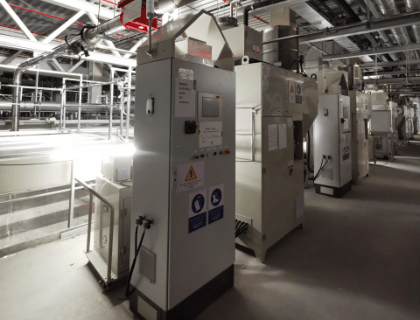
In the rapidly evolving world of EV battery manufacturing, addressing the challenges posed by airborne contaminants is crucial. NAROO has emerged as a leader in providing innovative solutions tailored specifically for this industry. Their focus on effective air purification systems is not just a response to current challenges but a proactive approach to ensure the safe growth of EV production and lithium-ion battery demand.
Overview of NAROO’s Solutions
NAROO offers advanced air filtration technologies that target the unique dust issues found in lithium-ion battery plants. Their systems are designed to capture harmful particles that can lead to thermal runaway and air contamination, ensuring that workers remain safe while maintaining optimal production efficiency. By integrating cutting-edge science into their filtration solutions, NAROO addresses the silent threat posed by airborne contaminants that can impact not only worker health but also battery performance.
The company recognizes that standard air filtration systems are failing in lithium-ion battery plants, often unable to handle the specific types of dust generated during manufacturing processes. Instead, NAROO’s innovative products utilize multi-layered filtration technology designed specifically for the challenges faced by EV battery manufacturers. This ensures cleaner air and a safer working environment, which is vital for sustaining growth in EV production.
Case Studies with Major Clients
NAROO has successfully partnered with several leading companies in the EV sector, showcasing their effectiveness through real-world applications. One notable case involved a major lithium-ion battery manufacturer struggling with high levels of airborne contaminants affecting both worker safety and product quality. After implementing NAROO's tailored air purification solutions, they reported a significant reduction in dust levels and an improvement in overall production efficiency.
Another success story comes from an automotive giant looking to ramp up its electric vehicle output while ensuring compliance with stringent health regulations. By adopting NAROO’s advanced filtration technology, they were able to mitigate risks associated with thermal runaway and maintain consistent performance across their battery lines. These case studies illustrate how effective air purification can transform operations within EV battery manufacturing.
Importance of Reliable Air Purification
Reliable air purification is paramount for any facility engaged in EV battery manufacturing due to the potential hazards linked with airborne contaminants. The risk of thermal runaway is exacerbated when dust particles interfere with critical components during production; hence maintaining clean air becomes essential for both safety and product integrity. As companies strive to meet growing demands for lithium-ion batteries, investing in robust filtration systems will be key to overcoming these challenges.
Moreover, understanding how contaminants affect battery performance underscores the importance of effective air management strategies within factories producing electric vehicle batteries. With increased scrutiny on environmental impacts and worker safety standards, implementing state-of-the-art solutions like those offered by NAROO will be pivotal for manufacturers aiming for sustainable growth amidst rising competition in the market.
As we look toward a future where electric vehicles dominate roads worldwide, prioritizing reliable air purification will not only safeguard workers but also enhance overall operational excellence within EV battery manufacturing facilities.
Regulatory Landscape Surrounding EV Battery Dust
The regulatory landscape surrounding EV battery manufacturing is evolving rapidly, driven by the Growth of EV Production and Lithium-Ion Battery Demand. As the industry expands, so too do concerns about the implications of airborne contaminants in manufacturing environments. Regulatory bodies are now focusing on establishing guidelines that address The Risk of Thermal Runaway and Air Contamination, ensuring that workers and the environment are protected.
Current Guidelines and Standards
Currently, there are several guidelines in place aimed at mitigating risks associated with dust in lithium-ion battery plants. Organizations like OSHA (Occupational Safety and Health Administration) have set standards regarding permissible exposure limits to hazardous materials found in dust generated during EV battery manufacturing. However, many argue that these standards fall short when it comes to addressing The Silent Threat: How Airborne Contaminants Impact EV Battery Manufacturing, as they often do not account for the specific chemical compositions unique to this industry.
Moreover, existing regulations often focus on general workplace safety rather than the nuanced challenges posed by contaminants specific to lithium-ion batteries. This oversight can lead to significant issues; for example, How Contaminants Affect Battery Performance can be detrimental if not properly managed through stringent regulations. As a result, manufacturers may find themselves navigating a patchwork of outdated guidelines that fail to reflect current technological advancements or health risks.
Future Policy Considerations
Looking ahead, there is an urgent need for more comprehensive policy frameworks that specifically address the complexities of air quality in EV battery manufacturing facilities. Policymakers must consider factors such as evolving technologies and emerging research about airborne contaminants when drafting future regulations. This includes understanding Why Standard Air Filtration Systems Are Failing in Lithium-Ion Battery Plants and how innovative solutions can be integrated into regulatory requirements.
Furthermore, collaboration between regulators and industry stakeholders will be essential for developing effective policies that ensure both worker safety and operational efficiency in lithium-ion battery production. Future policies should also prioritize investment in research focused on The Science Behind Effective Air Filtration in Lithium-Ion Battery Manufacturing to enhance air quality management systems across facilities globally. By fostering a proactive approach towards regulation, we can create safer working environments while supporting the sustainable growth of the EV sector.
The Role of Advocacy Groups
Advocacy groups play a critical role in shaping public awareness around dust-related issues within EV battery manufacturing facilities. These organizations often serve as watchdogs that hold manufacturers accountable for maintaining safe working conditions amidst rapid industrial growth fueled by increasing demand for electric vehicles. By raising awareness about The Risk of Thermal Runaway and Air Contamination linked to inadequate dust control measures, advocacy groups help push for stronger regulatory actions.
Additionally, these groups work closely with policymakers to ensure that future legislation reflects both scientific findings and real-world experiences from workers on the ground who face exposure daily. They highlight cases where How Contaminants Affect Battery Performance has led to operational inefficiencies or health complications among employees—issues that might otherwise go unnoticed without their intervention. Ultimately, advocacy efforts contribute significantly toward fostering an environment where worker safety is prioritized alongside innovation within the burgeoning field of lithium-ion battery production.
Conclusion

In the rapidly evolving landscape of EV battery manufacturing, understanding the risks associated with dust is crucial for maintaining both worker safety and production efficiency. As the growth of EV production and lithium-ion battery demand surges, so too does the potential for airborne contaminants that can compromise health and performance. It's imperative to recognize that these issues are not just minor inconveniences; they pose significant threats to both employees and the overall quality of battery output.
Key Takeaways on Dust Risks
The silent threat posed by airborne contaminants in EV battery manufacturing cannot be overstated. These pollutants not only impact worker health but also contribute to risks like thermal runaway, which can lead to catastrophic failures if left unchecked. Furthermore, as we delve deeper into how contaminants affect battery performance, it becomes clear that failing to address dust issues could hinder the industry's growth trajectory.
The Future of Safe EV Battery Manufacturing
Looking ahead, safe EV battery manufacturing will hinge on innovative solutions that tackle air contamination effectively. The industry must prioritize advancements in air filtration systems; unfortunately, many standard systems are failing in lithium-ion battery plants due to their inability to capture fine particles effectively. By embracing the science behind effective air filtration in lithium-ion battery manufacturing, companies can ensure a safer work environment while enhancing product reliability.
How Companies Can Prioritize Worker Safety
To prioritize worker safety amidst these challenges, companies must implement comprehensive strategies aimed at dust management and air quality control. This includes investing in advanced filtration technologies tailored specifically for lithium-ion environments and establishing rigorous safety protocols that protect workers from exposure to harmful dust particles. By fostering a culture of safety and innovation within their operations, organizations can not only safeguard their workforce but also improve overall production efficiency in the booming field of EV battery manufacturing.