

Introduction

In the rapidly evolving world of electric vehicles, battery pollution has emerged as a critical concern. As the demand for EVs surges, so does the need for efficient manufacturing processes that minimize environmental impact. Understanding the nuances of battery pollution is essential for ensuring a sustainable future in electric mobility.
Understanding Battery Pollution
Battery pollution primarily stems from the production and disposal of lithium-ion batteries, which are vital in powering electric vehicles. The manufacturing process can release harmful particles and chemicals into the environment, contributing to air and soil contamination. Awareness of these issues is crucial as we strive to balance technological advancement with ecological responsibility.
Importance of Dust Collection in Manufacturing
In EV battery manufacturing, effective dust collection systems play a pivotal role in mitigating risks associated with lithium-ion battery manufacturing hazards. These systems help capture harmful dust particles before they can escape into the environment or pose health risks to workers on the shop floor. By prioritizing dust collection, manufacturers can ensure safer workplaces while also addressing broader concerns related to battery pollution.
Overview of NAROO's Solutions
NAROO offers innovative solutions designed specifically for tackling challenges related to dust collection in battery manufacturing environments. Their advanced technology not only enhances air quality but also aligns with industry standards aimed at reducing battery pollution and protecting worker health. With a commitment to excellence, NAROO stands at the forefront of providing effective strategies that support sustainable practices within the EV sector.
The Impact of Battery Pollution
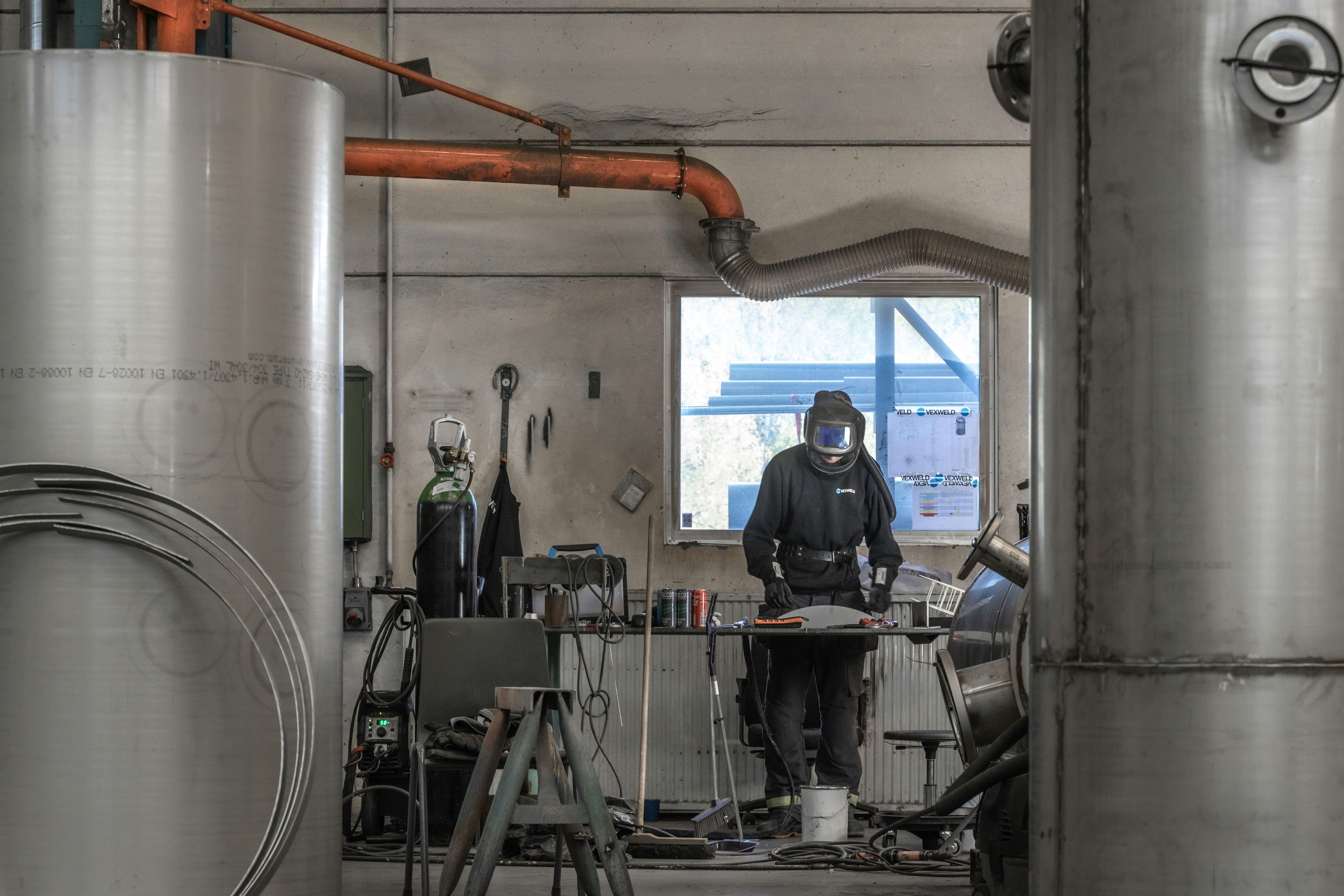
Battery pollution is a growing concern as the demand for electric vehicles (EVs) skyrockets. With the rise in EV battery manufacturing, the environmental ramifications of lithium-ion battery production are becoming increasingly apparent. From toxic waste to greenhouse gas emissions, the consequences of battery pollution extend far beyond the factory floor, impacting ecosystems and communities alike.
Environmental Consequences
The environmental consequences of battery pollution cannot be overstated. Lithium-ion batteries often contain hazardous materials that pose significant risks when not disposed of properly, leading to soil and water contamination. Additionally, the extraction processes for raw materials used in EV battery manufacturing contribute to habitat destruction and increased carbon footprints, exacerbating climate change.
Moreover, improper management of waste from lithium-ion battery manufacturing can lead to severe ecological damage. Contaminants can leach into groundwater or be released into the atmosphere during production processes, creating a cycle of pollution that affects wildlife and human populations alike. As we push towards a more sustainable future with electric vehicles, addressing these environmental impacts is crucial for maintaining our planet's health.
Health Risks for Workers
Workers involved in EV battery manufacturing face significant health risks due to exposure to harmful substances found in lithium-ion batteries. These risks include respiratory issues from inhaling dust particles generated during production and potential skin irritations from direct contact with corrosive materials used in battery assembly. Long-term exposure can lead to chronic health problems that jeopardize workers’ well-being.
Additionally, mental health concerns may arise as employees navigate hazardous working conditions without adequate protective measures or training on managing lithium-ion battery manufacturing hazards effectively. Ensuring worker safety should be a top priority for manufacturers; implementing robust dust collection systems can significantly mitigate these risks while promoting healthier work environments.
Regulatory Landscape
The regulatory landscape surrounding battery pollution is evolving rapidly as governments worldwide recognize the need for stricter guidelines on EV battery manufacturing practices. Various agencies are introducing regulations aimed at minimizing environmental impacts and protecting worker safety within this burgeoning industry. Compliance with these regulations is essential not only for legal reasons but also for fostering public trust in electric vehicle technologies.
Many manufacturers are now required to adopt environmentally friendly practices throughout their operations—from sourcing materials responsibly to implementing effective waste management strategies that address issues related to lithium-ion batteries specifically. Staying ahead of evolving regulations can give companies a competitive edge while contributing positively towards reducing overall battery pollution.
Exploring EV Battery Manufacturing Hazards

The world of electric vehicle (EV) battery manufacturing is not just about innovation and efficiency; it also comes with its fair share of hazards. As the demand for lithium-ion batteries surges, so does the need to understand the potential risks associated with their production. From battery pollution to health hazards, it’s essential for manufacturers to stay informed and proactive in mitigating these issues.
Common Risks in Lithium-Ion Production
Lithium-ion battery manufacturing hazards are numerous and multifaceted. Workers face exposure to toxic chemicals, including solvents and heavy metals, which can lead to serious health risks if not properly managed. Additionally, there's the ever-looming threat of fires or explosions due to volatile materials used in battery production—making safety protocols absolutely vital.
Beyond immediate physical threats, there are long-term concerns associated with battery pollution that can affect not only workers but also surrounding communities. The improper handling of hazardous materials can lead to contamination of local ecosystems, posing risks to both human health and wildlife. As lithium-ion technology evolves, so too must our understanding of these inherent dangers.
Contamination of EV Battery Materials
Contamination is a significant concern in EV battery manufacturing that can compromise product quality and safety. The presence of dust or foreign particles during production can lead to defects in lithium-ion batteries, affecting their performance and lifespan. Moreover, contaminated raw materials may contribute further to battery pollution when disposed of improperly.
To combat contamination effectively, manufacturers must implement stringent quality control measures throughout the production process. This includes regular testing for impurities in EV battery materials as well as monitoring environmental conditions within manufacturing facilities. By ensuring clean environments, companies can enhance product integrity while also protecting workers from exposure-related hazards.
Strategies to Mitigate Risks
Mitigating risks associated with lithium-ion battery manufacturing requires a comprehensive approach that encompasses technology, training, and best practices. First and foremost, investing in advanced dust collection systems is crucial for minimizing airborne contaminants that contribute to both worker exposure and overall battery pollution levels. These systems should be tailored specifically for the unique challenges posed by EV battery materials.
Additionally, ongoing employee training programs play a vital role in fostering a culture of safety within manufacturing plants. Educating workers about potential hazards—such as chemical exposure or fire risks—can empower them to take proactive measures while on the job site. Furthermore, establishing clear procedures for handling hazardous materials will help reduce accidents related to contamination or improper disposal.
In summary, addressing lithium-ion production hazards involves recognizing common risks associated with EV battery manufacturing while implementing effective strategies for mitigation. By prioritizing safety through innovative technologies like dust collection systems alongside robust training programs for employees, manufacturers can significantly reduce both health risks and environmental impacts linked with battery pollution.
NAROO's Innovative Dust Collection Solutions
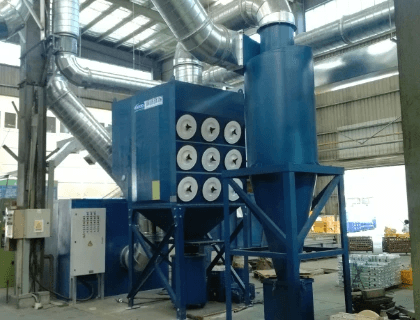
In the world of EV battery manufacturing, where precision meets pollution, NAROO stands out with its innovative dust collection solutions. These systems are designed to tackle the unique challenges posed by battery pollution, ensuring a safer and cleaner working environment for manufacturers. By integrating cutting-edge technology with practical features, NAROO is revolutionizing how dust is managed in lithium-ion battery production facilities.
Overview of Technology and Features
NAROO’s dust collection technology employs advanced filtration systems that effectively capture fine particulate matter generated during the production of EV battery materials. These systems not only enhance air quality but also minimize the risk associated with lithium-ion battery manufacturing hazards. With features such as real-time monitoring and automated cleaning cycles, manufacturers can maintain optimal performance while adhering to stringent regulatory standards.
One standout feature is NAROO's ability to customize solutions based on specific production needs, making it an ideal partner for companies navigating the complexities of battery pollution management. The integration of smart sensors allows for continuous assessment of dust levels, ensuring that any potential hazards are addressed before they escalate into serious issues. This proactive approach not only enhances workplace safety but also boosts overall productivity in EV battery manufacturing settings.
Explosive Dust Management Systems
Battery pollution isn't just about particulates; it poses explosive risks as well—especially in environments dealing with lithium-ion materials. Recognizing this threat, NAROO has developed specialized explosive dust management systems designed to neutralize these dangers effectively. These systems incorporate explosion-proof designs that mitigate risks while maintaining high efficiency in capturing hazardous dust.
The technology utilizes advanced suppression techniques that prevent ignition sources from interacting with combustible materials found in EV battery manufacturing processes. By implementing these robust solutions, manufacturers can ensure compliance with safety regulations while safeguarding their workforce from potential disasters related to explosive dust hazards. This commitment to safety reflects NAROO’s understanding of the critical nature of managing both air quality and explosive risks within the industry.
Case Studies with Leading Companies
NAROO’s innovative solutions have been successfully implemented by several leading companies within the EV battery sector, showcasing their effectiveness against battery pollution challenges. For instance, a prominent manufacturer reported a significant reduction in airborne contaminants after installing NAROO’s advanced dust collection system tailored for lithium-ion production lines. This not only improved worker health but also enhanced overall operational efficiency.
Another case involved a company facing compliance issues due to excessive particulate emissions during their manufacturing process. After adopting NAROO's customized explosive dust management system, they achieved compliance within weeks and created a safer working environment for their employees—a win-win scenario! These case studies highlight how investing in effective dust control measures can lead to substantial benefits both financially and environmentally for those involved in EV battery manufacturing.
Best Practices for Dust Collection Systems

When it comes to dust collection systems in the realm of EV battery manufacturing, adopting best practices is crucial for both efficiency and safety. The challenges posed by battery pollution, especially from hazardous materials like lithium-ion components, necessitate a well-thought-out design approach. By focusing on optimal layouts and effective filtration technologies, manufacturers can significantly reduce the risks associated with dust while enhancing operational performance.
Designing for Efficiency and Safety
Designing a dust collection system that prioritizes efficiency and safety begins with understanding the specific hazards linked to lithium-ion battery manufacturing. A well-implemented system should incorporate features such as high-efficiency particulate air (HEPA) filters that capture fine particles effectively, reducing the chances of battery pollution contaminating the workspace. Additionally, ensuring proper airflow dynamics can prevent dust accumulation in critical areas, thus safeguarding both workers and sensitive EV battery materials from contamination.
Moreover, integrating explosion-proof designs is essential given the flammable nature of certain dusts generated during production. This entails using materials that can withstand potential ignition sources while maintaining operational integrity under varying conditions. Ultimately, an efficient design not only protects against health risks but also enhances productivity by minimizing downtime caused by maintenance or safety incidents.
Maintenance Tips for Longevity
Regular maintenance of dust collection systems is vital to ensure their longevity and effectiveness in combating battery pollution during EV battery manufacturing processes. Establishing a routine inspection schedule helps identify wear and tear early before they escalate into costly failures or safety hazards. Key components such as filters should be checked frequently; replacing them when necessary ensures optimal airflow and filtration performance.
In addition to routine checks on physical components, it’s equally important to monitor system performance metrics regularly. Keeping an eye on pressure differentials can alert operators to blockages or inefficiencies that could lead to increased exposure to harmful particles in the workplace environment. By staying ahead of maintenance needs through proactive measures, companies can safeguard their employees while also protecting valuable EV battery materials from contamination.
Employee Training and Awareness
An often-overlooked aspect of effective dust collection systems in lithium-ion battery manufacturing is employee training and awareness regarding potential hazards associated with battery pollution. Workers should be educated about the importance of proper equipment use and maintenance practices that contribute to a safer work environment. Regular training sessions can empower employees with knowledge about recognizing signs of insufficient dust control measures or equipment malfunctions.
Encouraging a culture of safety not only promotes adherence to best practices but also fosters open communication among team members regarding any concerns related to dust exposure or equipment performance issues. This proactive approach helps reinforce accountability at all levels within an organization while ensuring compliance with regulatory standards surrounding worker health in environments involving hazardous materials like those found in EV batteries.
By implementing these best practices—efficient design strategies, diligent maintenance routines, and comprehensive employee training—manufacturers can create safer working conditions while mitigating risks associated with lithium-ion production processes.
The Future of Dust Collection in Battery Manufacturing

As the demand for electric vehicles (EVs) surges, the spotlight on battery pollution and its implications grows ever brighter. The manufacturing of lithium-ion batteries, essential for powering these vehicles, presents unique challenges that require innovative dust collection solutions. Staying ahead of these challenges is crucial for ensuring a cleaner environment and safer working conditions.
Emerging Technologies in Air Purification
The future of air purification technology is promising, with advancements designed specifically to tackle the challenges posed by battery pollution. New filtration systems are being developed that can capture even the finest particles generated during EV battery manufacturing, effectively reducing contamination risks associated with lithium-ion battery production. These technologies not only enhance air quality but also contribute to more sustainable manufacturing processes by minimizing waste and improving energy efficiency.
In addition to traditional filters, electrostatic precipitators and advanced cyclone separators are gaining traction as effective tools in dust collection systems. These emerging technologies provide manufacturers with robust options for managing airborne pollutants while maintaining compliance with regulatory standards surrounding battery pollution. As research continues to evolve, we can expect even more sophisticated solutions that will redefine how we approach dust collection in this critical industry.
Predictions for EV Battery Manufacturing
Looking ahead, the landscape of EV battery manufacturing is set to undergo significant transformations driven by technological advancements and increased environmental awareness. With growing concerns about battery pollution, manufacturers will likely adopt greener practices that prioritize sustainability throughout the production process. This shift could lead to innovations such as closed-loop recycling systems for EV battery materials, minimizing waste and maximizing resource efficiency.
Moreover, as governments implement stricter regulations regarding emissions and workplace safety, companies will need to invest heavily in effective dust collection systems tailored for lithium-ion battery manufacturing hazards. Predictions indicate a rise in collaboration between industry leaders and technology providers like NAROO to develop comprehensive strategies that address both operational needs and environmental responsibilities. This collaborative approach will be essential in shaping a future where safety and sustainability go hand-in-hand.
NAROO’s Role in Advancing Industry Standards
NAROO is poised to play a pivotal role in advancing industry standards related to dust collection within the realm of EV battery manufacturing. By continuously innovating their products and services, NAROO aims to provide cutting-edge solutions that not only meet but exceed current regulatory requirements surrounding battery pollution management. Their commitment extends beyond product development; they actively engage with stakeholders across the industry to promote best practices for safe manufacturing environments.
As new technologies emerge and industry demands evolve, NAROO remains dedicated to leading the charge toward improved safety measures against lithium-ion battery manufacturing hazards. Through ongoing research initiatives and partnerships with leading companies, they are setting benchmarks that ensure not just compliance but excellence in air purification strategies tailored specifically for EV production facilities. In doing so, NAROO reinforces its position as a trusted partner committed to fostering a cleaner future through effective dust control solutions.
Conclusion
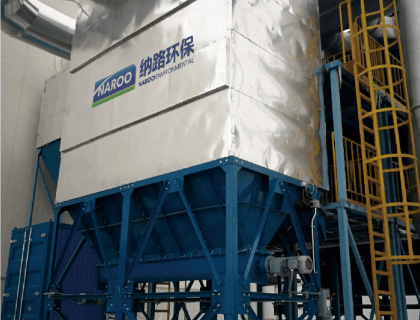
In the rapidly evolving landscape of EV battery manufacturing, effective dust control is not just a luxury; it's a necessity. Battery pollution poses significant environmental and health risks, making it imperative for manufacturers to implement robust dust collection systems. Without these measures, the industry may face severe repercussions, from regulatory fines to compromised worker safety.
The Necessity of Effective Dust Control
Dust generated during lithium-ion battery manufacturing can contain harmful particles that contribute to battery pollution and pose serious health risks. Effective dust control systems are essential for minimizing exposure to these pollutants, ensuring both environmental integrity and worker safety. By adopting advanced dust collection technologies, manufacturers can significantly reduce the incidence of hazardous conditions in their facilities.
NAROO’s Commitment to Quality Solutions
NAROO stands at the forefront of innovation in dust collection solutions tailored specifically for the challenges of EV battery manufacturing. With a focus on quality and reliability, NAROO designs systems that effectively manage the unique hazards associated with lithium-ion battery production. Their commitment extends beyond products; they actively engage with clients to ensure that their solutions meet evolving industry standards.
Ensuring Safety in Battery Manufacturing
Safety in EV battery manufacturing starts with understanding the specific risks associated with lithium-ion battery materials and processes. NAROO emphasizes comprehensive training programs that educate employees about potential hazards and best practices for maintaining safe work environments. By fostering a culture of safety and awareness, manufacturers can protect their workforce while also addressing critical issues related to battery pollution.