

Introduction

In the world of industrial and commercial operations, dust collector bag filters play a crucial role in maintaining air quality and ensuring a safe working environment. These filter bag systems are designed to capture and contain harmful particles, preventing them from entering the atmosphere and affecting both health and productivity. Understanding how these systems work is essential for anyone looking to optimize their dust filtration processes.
Understanding Dust Collector Bag Filters
Dust collector bag filters are specialized filtration devices that use fabric bags to trap airborne particles generated during various industrial processes. These filter bags come in different materials, such as polypropylene and polyester, each offering unique advantages based on the specific application requirements. By effectively removing collector dust from the air, these systems help maintain compliance with environmental regulations while enhancing overall operational efficiency.
Importance of Choosing the Right Filter
Selecting the right filter for your dust collection system is not just a matter of preference; it can significantly impact performance and cost-effectiveness. The right bag filtration solution ensures that you maximize airflow while minimizing pressure drops, leading to lower energy consumption and longer-lasting equipment. Moreover, choosing appropriate bag filter bags tailored for your specific dust type can enhance filtration efficiency and reduce maintenance needs.
Overview of Bag Filtration Systems
Bag filtration systems consist of a series of interconnected components designed to capture dust particles effectively while allowing clean air to pass through. At their core are the dust collector bags which act as barriers against various sizes of particulate matter, depending on their design and material composition. By understanding how these systems function together—from airflow dynamics to particle retention—you can make informed decisions about your dust filtration strategy.
Types of Dust Collector Bag Filters

Polypropylene vs. Polyester Filters
Polypropylene and polyester filters are two popular choices in the realm of dust collector bags, each offering unique benefits tailored to specific needs. Polypropylene filters excel in environments where chemical resistance is paramount; they are lightweight and provide excellent filtration for non-oily dust particles. Conversely, polyester filters boast superior temperature resistance, making them ideal for high-heat applications where durability and longevity are essential.
Choosing between these two materials often boils down to the specific requirements of your dust filtration system. If your collector dust consists mainly of chemical particulates, polypropylene may be your best bet; however, if you're dealing with hotter environments or more abrasive materials, polyester could save you from frequent replacements. Ultimately, understanding the composition of your dust can guide you toward selecting the right bag filter that maximizes efficiency.
Needle Felt vs. Woven Fabrics
The choice between needle felt and woven fabrics for bag filter bags can significantly impact performance in a dust collection system. Needle felt filters are known for their superior particle capture capabilities due to their dense structure; this makes them particularly effective at trapping fine particles while allowing airflow to remain relatively unobstructed. In contrast, woven fabrics offer greater strength and durability but may not be as efficient at capturing smaller particles.
Needle felt is often favored in industries where fine particulate matter is prevalent—think woodworking or metalworking shops—while woven fabrics might be used in applications requiring more robust physical properties such as higher abrasion resistance or heavier loads. It's essential to consider both air quality standards and operational demands when deciding which fabric type will suit your specific application best. With proper selection, you can enhance your overall dust filtration efficiency while extending the life of your filter bags.
Specialty Filters for Specific Applications
Specialty filters have emerged as game-changers in the world of bag filtration systems by catering to niche applications that standard options may not effectively address. These custom-designed filter bag solutions include features like anti-static properties for explosive environments or water-resistant coatings suitable for wet processes—essentially designed with a targeted approach to tackle unique challenges faced by various industries.
For instance, food processing facilities often require filter bags that comply with stringent hygiene standards while maintaining optimal airflow; specialty filters designed specifically for this purpose ensure both cleanliness and efficiency without compromising performance. Additionally, certain industrial settings might benefit from HEPA-rated filter bags that capture even smaller particles than traditional options allow—ideal for cleanroom environments or pharmaceutical manufacturing.
Choosing specialty filters tailored to specific applications not only enhances operational safety but also optimizes overall system performance by ensuring that every aspect—from airflow rates to particle retention—is precisely aligned with industry standards and regulations.
Key Factors to Consider

When navigating the world of dust collector bag filters, several key factors can significantly impact performance and efficiency. Understanding these elements will help you select the right bag filtration system for your specific needs. Let's dive into the essentials that will guide your decision-making process.
Airflow and Pressure Requirements
Airflow and pressure are critical considerations when choosing dust collector bags, as they directly affect the efficiency of dust filtration. Each bag filter has a specified airflow rate that it can handle, and exceeding this limit may lead to reduced performance or even damage to the system. It's essential to evaluate your collector dust application’s requirements, ensuring that your selected filter bags can maintain optimal airflow while managing pressure fluctuations effectively.
Inadequate airflow can lead to an accumulation of dust within the system, causing premature wear on both the filter bag and other components of your dust collection setup. Conversely, too much pressure can result in filter rupture or failure, leading to costly downtime and repairs. Therefore, it's crucial to balance airflow with pressure requirements when selecting your bag filtration solution.
Dust Type and Particle Size
The type of dust generated in your operation plays a significant role in determining which bag filter is best suited for your needs. Different materials exhibit varying properties when it comes to capturing particles; some filters excel at trapping fine particles while others are designed for heavier or abrasive dust types. Understanding the characteristics of the collector dust you deal with will allow you to choose a filter bag that optimally captures particles without compromising air quality.
Particle size also affects how well a bag filter performs; smaller particles may require specialized media or tighter weave fabrics for effective capture, while larger particles might be managed with more standard options. Additionally, certain types of dust may have unique properties—such as moisture content or chemical composition—that necessitate specific materials in your chosen filter bags for optimal performance and longevity. By assessing both particle size and type thoroughly, you can ensure efficient dust filtration tailored to your operational needs.
Temperature and Moisture Conditions
Temperature and moisture conditions are often overlooked yet vital factors influencing the effectiveness of dust collector bag filters. High temperatures may degrade certain materials used in filter bags over time; thus it's essential to select filters rated for higher thermal resistance if you're working in extreme environments. Similarly, moisture levels can affect not only how well a bag filter performs but also its lifespan—excessive humidity may lead to mold growth or clogging issues within the filtration system.
When evaluating temperature conditions, consider not just ambient temperatures but also any heat generated by machinery during operation that could impact overall performance. In environments where moisture is prevalent—such as food processing plants—selecting specialty filters designed specifically for wet conditions will enhance durability while maintaining efficient air quality control through effective dust filtration practices. Ultimately, choosing appropriate materials based on these environmental factors ensures long-term success with your bag filtration systems.
NAROO Innovations in Dust Filtration

Dust filtration technology has come a long way, and NAROO is at the forefront of this evolution. With a commitment to enhancing efficiency and sustainability, NAROO has developed innovative dust collector bag filters that redefine performance standards. These advancements not only improve air quality but also ensure that your bag filtration systems operate at peak efficiency.
Advanced Materials for Filter Bags
NAROO’s dust collector bag filters utilize cutting-edge materials designed for optimal filtration and longevity. By integrating advanced synthetic fibers into their filter bags, these products can capture finer particles while maintaining airflow efficiency. This means less frequent replacements and more effective dust collection, making your dust collector bags work smarter, not harder.
Moreover, the innovative composition of these filter bags enhances their resistance to wear and tear from harsh environments. Whether you're dealing with high temperatures or abrasive materials, NAROO's advanced materials hold up remarkably well. As a result, you get durable bag filters that promise reliable performance over time.
Eco-Friendly Bag Filter Solutions
In an era where environmental responsibility is paramount, NAROO leads the charge with eco-friendly bag filter solutions. These sustainable options are crafted from recyclable materials and designed to minimize waste throughout their lifecycle. By choosing NAROO's environmentally conscious dust collector bags, you’re not just improving air quality; you’re also contributing to a greener planet.
Additionally, these eco-friendly filter bags maintain high filtration efficiency without compromising on performance. With reduced environmental impact comes the added benefit of lower energy consumption during operation—making them both cost-effective and planet-friendly choices for any facility needing effective dust filtration solutions.
Enhanced Durability and Performance Features
When it comes to durability in the realm of bag filtration systems, NAROO doesn’t cut corners. Their dust collector bag filters boast enhanced features such as reinforced seams and superior moisture resistance that extend the life of each filter bag significantly. This means fewer replacements and less downtime for maintenance—an essential factor for any business aiming to maximize productivity.
Furthermore, these performance features are designed with user convenience in mind; easy installation processes allow for quick changes when necessary without requiring specialized tools or extensive training. The combination of durability and ease-of-use ensures that your operations run smoothly while keeping maintenance costs low over time.
Maintenance Tips for Filter Bags

Maintaining your dust collector bag filters is crucial to ensure optimal performance and longevity. Regular upkeep not only enhances the efficiency of your bag filtration system but also saves you from costly repairs down the line. Here are some essential maintenance tips to keep your dust collector bags in peak condition.
Cleaning Techniques for Bag Filters
Cleaning techniques for bag filters can significantly impact their efficiency and lifespan. One effective method is pulse jet cleaning, which uses bursts of compressed air to dislodge collected dust from the filter bag, ensuring that airflow remains unobstructed. Additionally, manual cleaning methods such as shaking or tapping the bags can remove excess dust; however, they may not be as thorough as automated systems designed specifically for this purpose.
Another approach involves using a vacuum system designed for filter maintenance, allowing you to remove accumulated dust without damaging the filter material. It's essential to follow manufacturer guidelines regarding cleaning frequency and methods to avoid compromising the integrity of your bag filter bags. Regularly scheduled cleanings will help maintain effective dust filtration and improve overall air quality in your workspace.
Signs Your Dust Collector Needs Attention
Being proactive about maintenance means recognizing when your dust collector needs attention before issues escalate. Common signs include a noticeable decrease in airflow or an increase in pressure drop across the filter bags, indicating that they may be clogged with collector dust. Additionally, if you observe excessive dust escaping from the exhaust or unusual noises from the system, it’s time to investigate further.
Another indicator is frequent replacement of bag filtration components; if you're changing out filters more often than expected, it might suggest underlying problems with your equipment or operational procedures. Keep an eye on these signs to ensure that your dust collector bags are operating efficiently and effectively capturing airborne particles as intended.
Extending the Life of Your Dust Collector Bags
To extend the life of your dust collector bags, consider implementing a proactive maintenance schedule that includes regular inspections and timely replacements when necessary. Proper installation is also key; make sure that all seals are tight and that there are no leaks in the system which could compromise filtration efficiency over time. Furthermore, selecting high-quality materials for your filter bags can make a significant difference—investing in durable options will pay off by reducing long-term costs associated with frequent replacements.
Another great way to prolong their lifespan is by monitoring environmental conditions such as temperature and humidity levels within your facility; extreme conditions can lead to premature wear on bag filters. Finally, educating staff on proper usage and care can foster a culture of responsibility around equipment maintenance—after all, teamwork makes dream work! By following these practices, you'll ensure that your dust filtration system runs smoothly while maximizing efficiency.
Cost vs. Quality in Bag Filtration

When it comes to dust collector bag filters, the balance between cost and quality can feel like a tightrope walk. Investing in high-quality bag filtration systems may seem daunting at first due to higher upfront costs, but the long-term benefits often outweigh these initial expenses. Understanding your specific needs and how they align with available options is crucial for making an informed decision.
Budgeting for Dust Collector Bag Filters
Budgeting for dust collector bag filters requires a careful assessment of both your immediate and future needs. Start by identifying the type of dust you’re dealing with, as this will dictate which filter bags are most effective. Additionally, consider factors such as the frequency of filter replacement and maintenance costs, as these will impact your overall investment in dust filtration.
It’s essential to create a realistic budget that not only covers the purchase of bag filter bags but also accounts for installation and ongoing maintenance expenses. Remember that while cheaper options may save you money upfront, they might lead to increased costs down the line due to more frequent replacements or inefficient performance. Ultimately, investing wisely in quality dust collector bags can lead to significant savings over time.
Balancing Price with Performance
Finding the sweet spot between price and performance when selecting bag filtration systems is key to efficient operation. High-performance dust collector bag filters often come at a premium price but are designed to handle specific challenges that lower-cost alternatives might struggle with—like fine particulate matter or extreme temperatures. Therefore, it’s crucial to evaluate what performance features are necessary for your application before making a purchase.
Consider factors such as airflow efficiency and dust retention capabilities when assessing various options on the market. Sometimes spending a little extra on a superior product can pay off by reducing downtime caused by clogged or ineffective filters—a common issue with lower-end models. In short, prioritize quality over cost if it means achieving better results in your dust collection efforts.
Long-Term Savings on Maintenance
Investing in high-quality dust collector bag filters can lead to substantial long-term savings on maintenance costs that shouldn’t be overlooked. Premium filter bags typically offer enhanced durability and require less frequent replacements compared to their cheaper counterparts—translating into reduced labor and material expenses over time. Moreover, efficient filtration systems help maintain optimal airflow rates, which can lower energy consumption significantly.
Regularly maintaining your bag filtration system ensures that it operates efficiently while extending its lifespan; therefore, understanding how different filter options affect maintenance schedules is vital for any facility manager or operator focused on cost-effectiveness. By choosing robust materials designed for longevity, you not only minimize downtime but also create a cleaner working environment free from excessive collector dust buildup—an added bonus!
In conclusion, while budgeting for dust collector bag filters might seem like an uphill battle initially, balancing price with performance ultimately leads you toward long-term savings on maintenance that make all the difference in operational efficiency.
Conclusion
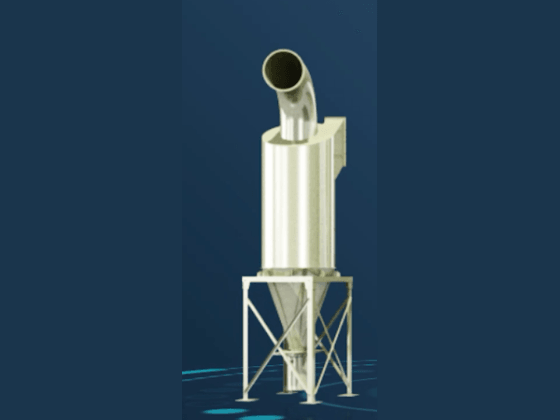
In the world of dust management, making informed decisions about dust collector bag filters can significantly enhance both efficiency and air quality. Understanding the nuances of bag filtration systems is crucial for selecting the right filter that meets specific needs. By considering factors such as airflow, particle size, and environmental conditions, you can ensure optimal performance from your dust collector bags.
Making Informed Decisions on Filters
Choosing the right bag filter requires a keen understanding of your unique application requirements. Whether you are dealing with fine dust or larger particles, the type of filter bag you select will directly impact your system's efficiency and longevity. Investing time in research and consulting with experts can save you headaches down the road, as a well-chosen filter will lead to fewer replacements and lower maintenance costs.
The Role of NAROO in Environmental Solutions
NAROO stands at the forefront of innovation in dust filtration technology, offering advanced solutions that prioritize both performance and sustainability. Their commitment to developing eco-friendly bag filter bags not only supports cleaner air but also aligns with global efforts to reduce environmental impact. By choosing NAROO products, you're not just investing in quality; you're contributing to a greener future.
Embracing Sustainable Dust Filtration Practices
Sustainable practices in dust filtration go beyond just selecting efficient filters; they encompass maintenance routines that extend the life of your equipment while minimizing waste. Regularly cleaning your dust collector bags and monitoring their condition can significantly enhance their lifespan and effectiveness. By adopting these practices alongside high-quality dust collector bag filters, industries can achieve better air quality while reducing operational costs.