

Introduction

In today's industrial landscape, understanding emission control is not just a regulatory requirement—it's a necessity for sustainable operations. Effective dust extraction plays a crucial role in maintaining air quality and ensuring compliance with environmental standards. As industries evolve, the importance of implementing robust dust collection systems cannot be overstated; they are vital for protecting both workers and the environment.
Understanding Emission Control Importance
Emission control is essential for reducing pollutants released into the atmosphere, thereby safeguarding public health and the environment. In sectors like agriculture, where agricultural dust extraction is prevalent, managing airborne particles becomes critical to avoid respiratory issues and other health hazards. By prioritizing effective dust control measures, businesses can enhance their reputation while contributing positively to ecological preservation.
The Balance Between Over and Under-extraction
Finding the sweet spot between over-extraction and under-extraction of dust is pivotal for any operation utilizing a collector dust system. Over-extraction can lead to excessive wear on equipment and unnecessary energy consumption, while under-extraction poses serious risks to workplace safety and product quality. Striking this balance ensures that your dust collection system operates efficiently without compromising performance or increasing operational costs.
The Role of Dust Collection Systems
Dust collection systems serve as the backbone of effective dust filtration strategies across various industries, including manufacturing and agriculture. These systems are designed to capture harmful particles before they enter the atmosphere or affect product integrity, making them indispensable in modern operations. Investing in high-quality dust filters not only improves air quality but also enhances productivity by creating a cleaner work environment free from hazardous contaminants.
The Science Behind Dust Extraction

Dust extraction is a crucial component in various industries, particularly in environments where particulate matter can pose risks to health and safety. At its core, dust extraction refers to the process of capturing and removing airborne particles generated during manufacturing, construction, or agricultural activities. Effective dust collection systems not only help maintain a cleaner workspace but also improve air quality for workers and reduce environmental impact.
What is Dust Extraction?
Dust extraction involves the systematic removal of dust and other particulates from the air using specialized equipment designed for this purpose. This process typically employs dust collector systems that utilize filters to trap particles before they can disperse into the atmosphere. In essence, agricultural dust extraction plays a vital role in ensuring that harmful substances do not compromise both product quality and worker safety.
Common Methods in Dust Control
There are several methods employed in dust control, each tailored to specific industrial needs. Mechanical systems like cyclones and baghouses are common choices for their efficiency in separating larger particles from airflow. Additionally, wet suppression techniques can be effective for agricultural dust extraction by using water sprays to settle airborne particulates quickly; however, these methods may require careful management to avoid creating sludge or runoff issues.
Benefits of Effective Dust Filtration
Implementing effective dust filtration through advanced collector dust systems offers numerous benefits that extend beyond mere compliance with regulations. First and foremost, it enhances workplace safety by reducing exposure to hazardous materials that could lead to respiratory problems or other health concerns among employees. Furthermore, investing in high-quality dust filters can lead to significant cost savings over time by minimizing equipment wear-and-tear and maintaining optimal operational efficiency—proving that a clean environment is indeed a profitable one!
Risks of Over-extraction

Over-extraction in dust control can lead to a plethora of issues that affect not only product quality but also the environment and finances. This delicate balance is crucial for industries reliant on effective dust extraction systems, particularly in agricultural settings where dust collector systems play a vital role. Understanding these risks helps businesses mitigate potential pitfalls associated with ineffective dust filtration.
Consequences on Product Quality
When over-extraction occurs, it can significantly compromise product quality. For instance, excessive suction from a dust collection system may remove essential particles that contribute to the integrity of agricultural products, leading to inconsistencies and inferior outputs. Additionally, this imbalance can disrupt processes like grain milling or seed processing, ultimately affecting yield and consumer satisfaction.
Environmental Impact of Over-extraction
The environmental ramifications of over-extraction are equally concerning. Dust collectors that operate inefficiently may inadvertently release harmful pollutants into the atmosphere as they struggle with maintaining optimal filtration levels. This not only affects air quality but can also have broader ecological impacts, including harm to local wildlife and disruption of natural habitats due to increased particulate matter.
Financial Implications
From a financial perspective, the implications of over-extraction are multi-faceted and often detrimental. Companies may face increased operational costs due to higher energy consumption as their dust collection systems work overtime to maintain performance levels. Furthermore, poor product quality stemming from inadequate dust control can lead to costly recalls or customer dissatisfaction—both scenarios that are far from ideal for any business aiming for sustainability and profitability.
Understanding Under-extraction

Under-extraction in dust collection systems can lead to a myriad of issues that affect both product quality and workplace safety. It occurs when the dust collection system fails to capture sufficient dust particles, allowing them to linger in the air and settle on surfaces. This inefficiency often arises from poorly designed dust filtration systems, inadequate maintenance, or simply using the wrong type of dust filters for specific applications.
How Under-extraction Occurs
Under-extraction typically happens when a dust collector is either undersized for the application or improperly installed. If the collector dust system lacks adequate suction power or has leaks, it won't effectively capture all airborne particles. Additionally, using inappropriate dust filters can exacerbate the problem; some filters may become clogged too quickly or fail to trap fine particulate matter essential for effective agricultural dust extraction.
Risks to Workplace Safety
The risks associated with under-extraction are significant and should not be underestimated. Poorly controlled dust levels can create hazardous environments, increasing the likelihood of respiratory issues among workers exposed to harmful particles over time. Moreover, accumulations of combustible dust pose serious fire and explosion risks, making efficient dust control not just a regulatory requirement but a crucial aspect of maintaining workplace safety.
Long-term Costs of Neglecting Dust Control
Neglecting effective dust control measures leads to long-term financial implications that can impact any business's bottom line. The costs associated with health-related claims from employees affected by poor air quality can be staggering, not to mention potential fines from regulatory bodies for non-compliance with safety standards. Furthermore, ongoing maintenance and repair costs due to equipment damage caused by excessive dust accumulation will quickly outweigh any initial savings from skimping on an effective dust collection system.
Optimizing Your Dust Collection System
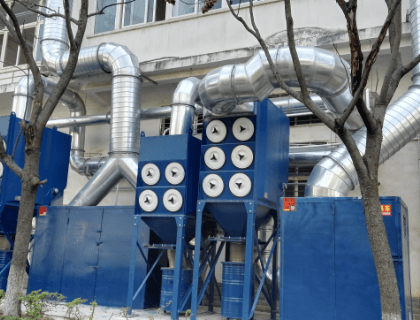
When it comes to maintaining a clean and safe working environment, optimizing your dust collection system is paramount. A well-designed dust extraction setup not only enhances air quality but also improves productivity and safety. This section will guide you through selecting the right dust filters, exploring custom solutions from NAROO, and maintaining your system for longevity.
Selecting the Right Dust Filters
Choosing the right dust filters is crucial for effective dust control in any industrial setting. The type of filter you select should align with the specific needs of your operation, whether it’s agricultural dust extraction or other industrial applications. High-efficiency particulate air (HEPA) filters are excellent for capturing fine particles, while baghouse filters can handle larger volumes of collector dust effectively.
Consider the nature of the materials being processed; some dust types may require specialized filtration systems to prevent clogs and maintain optimal airflow in your dust collection system. Additionally, selecting filters that are easy to replace or clean can save time and reduce maintenance costs significantly. Investing in quality dust filtration not only protects equipment but also ensures compliance with environmental regulations.
Custom Solutions: NAROO's Excellence
NAROO stands out as a leader in providing custom solutions tailored to meet specific industry needs for effective dust extraction and control. Their expertise allows them to design collector dust systems that fit seamlessly into existing workflows while maximizing efficiency and minimizing downtime. With advanced technology integrated into their products, NAROO ensures that each solution is optimized for performance.
One of NAROO's notable offerings includes customizable filtration options that adapt to various operational scales—from small agricultural setups to large manufacturing plants—ensuring comprehensive coverage against airborne particulates. Their commitment to innovation means they continually refine their products based on customer feedback and industry trends, making them a reliable partner in achieving superior emission control outcomes. By choosing NAROO's excellence, businesses can enhance their overall productivity while fostering a safer work environment.
Maintenance Tips for Longevity
To ensure your dust collection system remains effective over time, regular maintenance is key. Start by establishing a routine inspection schedule; this will help identify potential issues before they escalate into costly repairs or replacements of your essential dust filtration components. Pay close attention to filter conditions; clogged or damaged filters can severely impact airflow and reduce overall efficiency.
Cleaning protocols should be implemented based on the type of collector used—whether it's an agricultural dust extraction unit or an industrial-grade system—to maintain optimal performance levels consistently. Additionally, keeping an eye on all mechanical parts such as fans and ducts will help prolong the life of your entire setup while ensuring it operates at peak capacity when needed most. Remember, investing time in maintenance now translates into significant savings down the line!
Case Studies: Success Stories in Dust Control

In the world of dust control, various companies have set benchmarks that others aspire to reach. These case studies highlight the innovative strategies and technologies employed by industry leaders to optimize their dust collection systems, ensuring both efficiency and compliance with emission regulations. By examining these success stories, we can glean valuable insights into effective dust extraction practices.
CATL: A Model of Effective Dust Control
Contemporary Amperex Technology Co., Limited (CATL) has emerged as a beacon for effective dust control in battery production. Their commitment to implementing advanced agricultural dust extraction techniques has significantly reduced airborne particles in their facilities. By utilizing state-of-the-art dust collectors, CATL ensures that their dust filtration processes not only meet regulatory standards but also enhance overall product quality.
The company employs a robust collector dust system that integrates seamlessly with its manufacturing processes, allowing for real-time monitoring and adjustment. This proactive approach minimizes the risks associated with over-extraction while ensuring that the workplace remains safe and compliant. The financial implications of such investments are evident; CATL has seen reduced operational costs due to fewer disruptions from dust-related issues.
Moreover, CATL's success demonstrates how a well-designed dust collection system can lead to sustainable practices that benefit both the environment and business profitability. Their dedication to efficient dust management serves as an exemplary model for other industries grappling with similar challenges.
BYD's Innovative Approach to Emission Control
BYD Auto is renowned not just for its electric vehicles but also for its groundbreaking strategies in emission control through effective dust extraction methods. The company has invested heavily in sophisticated dust filters designed specifically for high-volume production environments, leading the way in sustainable manufacturing practices. With an emphasis on minimizing environmental impact, BYD’s approach includes comprehensive training programs focused on proper use of their advanced collector dust systems.
Their innovative use of automated technology allows for optimized performance in their agricultural dust extraction efforts, ensuring that every particle is effectively managed before it reaches the atmosphere or affects worker safety. This level of diligence not only enhances operational efficiency but also positions BYD as a leader in corporate responsibility regarding air quality standards.
As a result of these initiatives, BYD has reported significant improvements in workplace conditions and product reliability—demonstrating that investment in superior dust control technologies yields substantial returns both ethically and financially.
Mercedes-Benz and Sustainable Dust Extraction
Mercedes-Benz is another titan setting high standards for sustainable practices through meticulous attention to their dust collection systems across manufacturing plants worldwide. They have implemented cutting-edge solutions for agricultural dust extraction which are tailored specifically to automotive production needs while maintaining stringent environmental regulations compliance. Their commitment extends beyond mere compliance; it emphasizes innovation and sustainability at every level of operation.
The company's integration of high-efficiency particulate air (HEPA) filters within their collector dust setups exemplifies how advanced technology can drastically improve air quality without compromising productivity or safety standards within the workplace environment. Additionally, Mercedes-Benz places significant emphasis on regular maintenance schedules for these systems, ensuring longevity and consistent performance from their equipment.
By prioritizing effective dust filtration methods alongside employee education about potential hazards related to under-extraction or over-extraction scenarios, Mercedes-Benz showcases how proactive measures can lead not only to enhanced product quality but also a safer work environment overall.
Conclusion
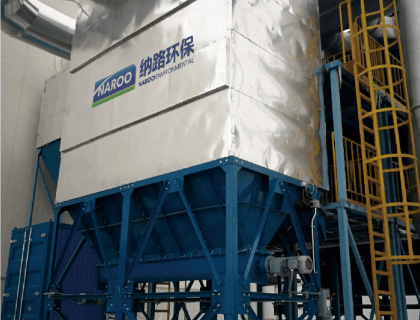
In wrapping up our exploration of emission control, it's clear that effective dust management is not just a regulatory box to check but a vital aspect of operational efficiency and safety. A well-implemented dust collection system can significantly enhance product quality while safeguarding the environment and maintaining workplace safety. As we've seen, the balance between over-extraction and under-extraction is delicate, necessitating a thoughtful approach to dust extraction.
Key Takeaways for Emission Control
The importance of agricultural dust extraction cannot be overstated; it plays a crucial role in protecting both workers and equipment from harmful particulates. By investing in high-quality dust collector systems equipped with efficient dust filters, businesses can ensure compliance with environmental standards while enhancing their overall productivity. Remember, neglecting proper dust control measures can lead to dire consequences—financially, environmentally, and in terms of product quality.
Future Trends in Dust Filtration
Looking ahead, we can anticipate exciting advancements in dust filtration technology that will make systems more efficient and user-friendly. Innovations such as smart sensors for real-time monitoring and automated cleaning mechanisms are on the horizon, promising to revolutionize how we approach agricultural dust extraction. Furthermore, eco-friendly materials for filters are gaining traction as sustainability becomes a central theme across industries.
Partnering with Experts like NAROO
When it comes to optimizing your dust collection system, collaboration with experts like NAROO can make all the difference. Their commitment to providing tailored solutions ensures that your specific needs are met while maximizing efficiency in your operations through advanced dust control technologies. With NAROO by your side, you’ll not only enhance your current setup but also stay ahead of future trends in dust filtration.