

Introduction

In the world of industrial operations, maintaining clean air is not just a luxury—it's a necessity. Enter the baghouse dust collector, a robust system designed to capture and filter out harmful airborne particles generated during manufacturing processes. With their unique design and functionality, these systems play an essential role in ensuring that workplaces remain safe and compliant with environmental regulations.
What is a Baghouse Dust Collector?
A baghouse dust collector is an elaborate filtration system that utilizes filter bags to trap dust and particulate matter from industrial exhaust streams. The inside baghouse refers to the internal structure where these filter bags are housed, allowing for efficient airflow while capturing unwanted contaminants. Understanding how do baghouses work is crucial for industries looking to improve their air quality and operational efficiency.
Importance of Industrial Air Filtration
Industrial air filtration is vital for protecting both employee health and equipment longevity. Without effective systems like baghouse dust collectors in place, harmful particulates can lead to respiratory issues among workers while also damaging machinery over time. By investing in quality filtration solutions, companies can create safer environments, enhance productivity, and comply with stringent environmental regulations.
How Baghouses Improve Workplace Safety
Baghouses significantly enhance workplace safety by reducing airborne pollutants that can contribute to health hazards such as lung disease or chronic respiratory conditions among employees. Furthermore, these systems help maintain compliance with occupational safety standards by effectively managing emissions at their source. Regular maintenance practices like understanding how are baghouses cleaned ensure optimal performance of these critical systems while prolonging the lifespan of filter bags.
Understanding the Inside Baghouse

In the world of industrial air filtration, understanding the inner workings of baghouse dust collectors is essential. These systems are designed to efficiently capture and filter airborne particulates, ensuring cleaner air in manufacturing environments. Let's delve into the components that make up a baghouse, how they function, and why bag filters are a popular choice.
Components of a Baghouse Dust Collector
A typical baghouse dust collector consists of several key components: filter bags, a fan for airflow, a hopper for collecting dust, and an optional cleaning system. The filter bags are made from various materials tailored to specific applications and types of dust. Each component plays a crucial role in ensuring that the inside baghouse operates effectively to minimize airborne contaminants.
The heart of any baghouse is undoubtedly its filter bags; they come in different shapes and sizes depending on the design and intended use of the system. The fan creates negative pressure within the baghouse, drawing contaminated air through the filter bags where particles are trapped. This combination ensures that only clean air is released back into the environment while collected dust accumulates in the hopper.
Additionally, many modern baghouses incorporate advanced monitoring systems to track performance metrics such as airflow rate and pressure drop across filters. These features not only enhance efficiency but also help in maintaining optimal operation levels over time.
How do Baghouses Work?
So, how do baghouses work? At their core, these systems utilize a simple yet effective process involving filtration and cleaning cycles to manage dust collection efficiently. When contaminated air enters through an inlet duct, it passes through multiple filter bags where larger particles are captured on their surface while cleaner air continues through.
As more particulates accumulate on the filter bags' surfaces during operation, airflow resistance increases—a phenomenon known as pressure drop. To combat this issue and maintain consistent performance levels within acceptable ranges (which leads us to our next topic: How Are Baghouses Cleaned?), most baghouses employ automatic or manual cleaning methods to dislodge accumulated dust periodically.
These cleaning methods can include reverse-air jet cleaning or mechanical shaking techniques that ensure minimal downtime while maximizing filtration efficiency—keeping both productivity high and workplace safety intact!
Advantages of Using Bag Filters
Using bag filters in your industrial setup offers numerous advantages over traditional filtration methods! One major benefit is their ability to handle varying particle sizes effectively; whether it’s fine powder or larger debris, bag filters can adapt accordingly based on material composition—making them versatile across different industries.
Another significant advantage lies in their high collection efficiency rates; even small particles can be captured with precision thanks to advancements in fabric technology used for manufacturing these filter bags! This means less pollution emitted into our atmosphere—and who wouldn't want cleaner air?
Lastly—and perhaps most importantly—bag filters require relatively low maintenance compared with other filtration systems available today! With proper upkeep (which brings us back around again: What Affects Baghouse Performance?), you can enjoy long-lasting performance from your investment without frequent replacements or repairs needed along the way!
The Cleaning Process of Baghouses

A baghouse dust collector is only as effective as its ability to stay clean. Regular cleaning is essential for maintaining the efficiency of the filter bags inside baghouses. Over time, dust and particulates accumulate on these filters, which can hinder airflow and reduce overall performance.
How Are Baghouses Cleaned?
Cleaning a baghouse involves several techniques designed to remove the accumulated dust from the filter bags. One common method is pulse jet cleaning, where bursts of compressed air are directed into each filter bag to dislodge the collected dust. This process not only ensures that the filter bags remain effective but also prolongs their lifespan, ultimately enhancing how do baghouses work in a practical setting.
Manual vs. Automatic Cleaning Methods
When it comes to cleaning methods, there are two primary approaches: manual and automatic. Manual cleaning requires personnel to physically inspect and clean each filter bag, which can be labor-intensive but allows for thorough inspection of the inside baghouse components. On the other hand, automatic cleaning systems utilize sensors and timers to activate pulse jet cleaning without human intervention, promoting efficiency and consistent performance in maintaining bag filters.
Maintenance Tips for Optimal Performance
To ensure optimal performance of your baghouse dust collectors, regular maintenance is key. Schedule routine inspections to check for wear and tear on filter bags; this will help identify potential issues before they escalate into costly repairs or replacements. Additionally, monitoring airflow rates can provide insights into what affects baghouse performance; significant drops may indicate that it’s time for a deep clean or replacement of certain components.
Factors Influencing Baghouse Performance

When discussing baghouse dust collectors, it's crucial to understand the myriad factors that influence their performance. These systems are designed to filter out harmful particulates from industrial air, but various elements can affect their efficiency and effectiveness. From the quality of the filter bags to the cleaning process, every detail matters in ensuring optimal operation.
What Affects Baghouse Performance?
Several variables impact how well a baghouse operates. The type of dust being collected plays a significant role; for instance, fibrous or sticky materials can clog filter bags more quickly than dry powders. Additionally, the design and configuration of the inside baghouse—such as its airflow dynamics—can either enhance or hinder performance, making it essential to choose a system tailored for specific applications.
Moreover, regular maintenance is vital for longevity and efficiency; neglecting to clean or replace filter bags can lead to reduced suction power and increased emissions. Understanding what affects baghouse performance allows operators to make informed decisions about maintenance schedules and operational adjustments. Ultimately, maximizing the effectiveness of bag filters is key to achieving cleaner air in industrial settings.
The Role of Airflow and Pressure
Airflow and pressure are critical components in determining how do baghouses work effectively. Proper airflow ensures that dust-laden air moves through the system at an optimal speed, allowing particles to be captured efficiently by the filter bags. If airflow is too high or too low, it can lead to poor filtration performance or even damage to the system itself.
Pressure drop across filters also significantly impacts performance; excessive pressure loss indicates that filter bags are becoming clogged with dust particles. This not only diminishes suction power but may also lead operators into a costly cycle of increased energy consumption and frequent maintenance needs. Maintaining balanced airflow and pressure levels is essential for ensuring that your baghouse functions at peak efficiency.
Environmental Considerations
Environmental factors cannot be overlooked when assessing baghouse performance; external conditions like temperature and humidity can influence how effectively these systems operate. High humidity levels may cause condensation within the inside baghouse, potentially leading to mold growth on filter bags or other components—definitely not ideal for maintaining air quality!
Additionally, fluctuations in temperature can affect both filtration efficiency and material durability over time; extreme conditions may require specialized materials for filter bags that resist wear from heat or cold exposure. Understanding these environmental considerations helps businesses select appropriate equipment while also promoting sustainability practices within their operations.
Applications of Baghouse Dust Collectors
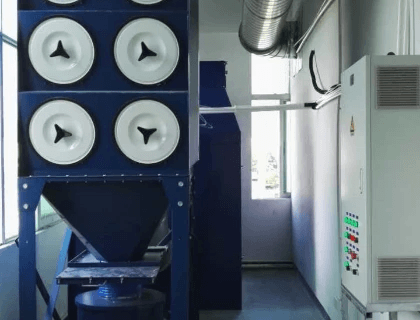
Baghouse dust collectors have become essential tools in various industries, providing efficient air filtration solutions that enhance workplace safety and environmental compliance. Their design allows for the capture of fine particulates, ensuring cleaner air while also protecting equipment and personnel from harmful dust exposure. As we explore the applications of baghouse systems, it becomes clear how they serve diverse sectors effectively.
Industries That Benefit Most
Numerous industries rely heavily on baghouse dust collectors to maintain air quality and adhere to regulatory standards. Manufacturing, construction, food processing, and pharmaceuticals are just a few sectors where these systems shine. By understanding how do baghouses work?, companies can select the right type of filter bag tailored to their specific needs, resulting in improved operational efficiency.
In manufacturing settings where particulate matter is prevalent, baghouses play a crucial role in capturing dust generated during processes such as machining or grinding. In construction sites, they help mitigate silica dust exposure—an important factor for worker health and safety. Similarly, the food processing industry benefits from these systems by ensuring that airborne contaminants do not compromise product quality.
Case Studies: NAROO's Impact
NAROO has made significant strides in revolutionizing the use of baghouse dust collectors across various industries through innovative technology and tailored solutions. One notable case study involved a large cement plant that faced challenges with excess airborne particles affecting both productivity and worker safety. By implementing NAROO's advanced bag filters within their existing inside baghouse system, they achieved a remarkable reduction in particulate emissions while enhancing overall performance.
Another instance involved a pharmaceutical company struggling with strict regulatory compliance regarding air quality standards. After integrating NAROO’s cutting-edge cleaning techniques into their baghouse system—specifically focusing on how are baghouses cleaned?—they reported improved filter longevity and lower maintenance costs while consistently meeting governmental requirements for clean air emissions.
These examples underscore NAROO's commitment to advancing industrial air filtration technologies by demonstrating tangible benefits derived from optimized baghouse systems.
Comparing Baghouse Systems to Other Filtration Methods
When it comes to industrial air filtration methods, comparing baghouse systems with alternatives like electrostatic precipitators (ESPs) or cartridge filters reveals distinct advantages for using bag filters. While ESPs may be effective at capturing larger particles, they often struggle with finer particulates commonly found in many industrial processes—this is where the inside baghouse truly excels due to its superior filtration capabilities.
Cartridge filters can be more compact but often require frequent replacement compared to robust filter bags used within traditional baghouses; this can lead to increased operational costs over time when considering maintenance practices like what affects baghouse performance? The longevity of filter bags translates into less downtime for cleaning or replacing components—a critical factor for businesses aiming for uninterrupted production cycles.
Ultimately, while other filtration methods have their place in specific scenarios, the versatility and efficiency offered by modern baghouses make them an indispensable choice across numerous industries seeking reliable solutions for cleaner air management.
Innovations in Baghouse Technology

The world of baghouse dust collectors is evolving rapidly, driven by the need for cleaner air and more efficient operations. New technologies are emerging to enhance performance, streamline maintenance, and reduce environmental impact. As industries strive for better compliance with regulations, these advancements are becoming essential for maintaining workplace safety and health.
Emerging Trends in Dust Collection
One of the most notable trends in dust collection is the integration of smart technology into baghouse systems. Sensors and IoT devices are now being used to monitor performance metrics such as airflow and filter efficiency in real-time. This data-driven approach not only helps answer the question, How do Baghouses Work? but also enables proactive maintenance strategies that can extend the life of filter bags and improve overall performance.
Another trend is the development of advanced filter bag materials that enhance dust capture while minimizing pressure drop. These new materials allow for better airflow management within the inside baghouse, leading to improved efficiency and reduced energy consumption. Additionally, manufacturers are increasingly focusing on eco-friendly solutions that minimize waste during production and operation.
Finally, automation is making waves in how baghouses are cleaned—moving from manual methods to sophisticated automated cleaning systems. This shift addresses concerns about How Are Baghouses Cleaned? by ensuring consistent cleaning cycles without human intervention, thereby reducing downtime and enhancing productivity.
NAROO’s Role in Advancing Standards
NAROO has emerged as a leader in advancing standards within the baghouse industry through innovative designs and rigorous testing protocols. Their commitment to quality has led to significant improvements in how bag filters perform under various conditions—addressing key factors that affect baghouse performance effectively. By collaborating with industry experts, NAROO ensures their products meet or exceed regulatory requirements while providing optimal filtration solutions.
Furthermore, NAROO actively participates in research initiatives aimed at developing next-generation filtration technologies that prioritize both efficiency and sustainability. Their focus on creating durable filter bags made from cutting-edge materials has set new benchmarks for reliability within the market. As a result, businesses utilizing NAROO's products can confidently navigate environmental regulations while enhancing workplace safety through superior air quality management.
NAROO's dedication also extends to educating clients about best practices for maintaining their systems—empowering them with knowledge on how often they should clean their equipment or replace filter bags based on specific operational demands.
Future of Industrial Air Filtration
Looking ahead, we can expect continued innovation in industrial air filtration technologies as industries adapt to stricter emissions regulations worldwide. The future will likely see even more integrated solutions where artificial intelligence plays a role not only in monitoring but also predicting maintenance needs based on historical data patterns related to What Affects Baghouse Performance?.
Moreover, sustainable practices will become increasingly important; companies will seek out eco-friendly alternatives that not only improve air quality but also reduce their carbon footprint during manufacturing processes associated with bag filters production. This shift towards greener technologies aligns perfectly with global efforts toward sustainability—a trend that's here to stay.
In conclusion, advancements in baghouse technology promise exciting changes for industrial air filtration systems moving forward—ensuring cleaner environments both inside workplaces and beyond while addressing critical challenges head-on.
Conclusion

In wrapping up our exploration of baghouse dust collectors, it's clear that these systems play a pivotal role in enhancing industrial air quality and workplace safety. Understanding the inside baghouse, how do baghouses work?, and the various cleaning methods can significantly impact operational efficiency. By leveraging advanced bag filters and maintaining optimal performance, industries can ensure cleaner air for their employees and compliance with environmental regulations.
Summary of Baghouse Benefits
Baghouse dust collectors offer a multitude of benefits that extend beyond simple air filtration. They effectively capture harmful particulates, ensuring that the air remains safe for workers while also protecting equipment from damage caused by dust accumulation. Additionally, the efficiency of filter bags in these systems means reduced operational costs and improved productivity across various industries.
Choosing the Right Baghouse Dust Collector
Selecting the right baghouse dust collector requires careful consideration of several factors, including airflow requirements, types of materials being filtered, and maintenance needs such as how are baghouses cleaned? It's essential to assess what affects baghouse performance to ensure that your chosen system meets your specific operational demands. Consulting with experts or utilizing case studies can also provide valuable insights into which model best suits your needs.
Next Steps for Cleaner Air Solutions
To move towards cleaner air solutions, organizations should start by evaluating their current filtration systems and identifying areas for improvement. Investing in modern baghouse technology not only enhances safety but also promotes sustainability within industrial operations. By focusing on innovations in dust collection methods and understanding how do baghouses work?, companies can take significant strides toward a healthier working environment.