

Introduction
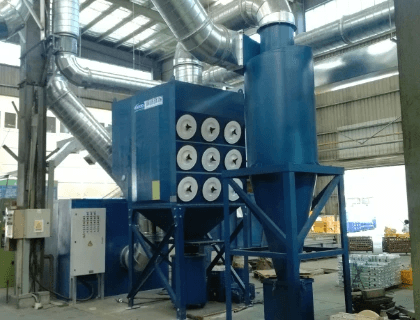
In the realm of OSD pharmaceutical manufacturing, dust control is not just a matter of cleanliness; it’s a crucial component of safety and efficiency. The presence of dust can compromise product integrity, create hazardous environments, and lead to regulatory non-compliance. Therefore, implementing effective dust collection strategies is essential for maintaining high standards in pharmaceutical production.
Importance of Dust Control in OSD Manufacturing
Dust control plays a pivotal role in ensuring the safety and quality of products in OSD pharmaceutical manufacturing. Fine particles can pose significant health risks to workers and contaminate products, leading to costly recalls or regulatory penalties. By prioritizing dust management through robust systems like industrial HEPA air filters and dedicated pharmaceutical dust collectors, manufacturers can protect both their workforce and their bottom line.
Overview of Pharmaceutical Dust Collection
Pharmaceutical dust collection encompasses various methods designed to capture airborne particulates generated during production processes. Central dust collectors serve as comprehensive solutions that efficiently manage large volumes of dust across multiple manufacturing areas. With the right factory dust collector in place, organizations can streamline operations while upholding stringent quality standards.
Key Benefits of Effective Dust Collection
Effective dust collection not only enhances workplace safety but also boosts operational efficiency and product quality. By utilizing advanced technologies such as industrial HEPA air filters, businesses can minimize downtime caused by equipment malfunctions due to contamination. Additionally, investing in reliable pharmaceutical dust collectors fosters a cleaner environment that supports compliance with industry regulations and improves overall productivity.
Understanding the Need for Dust Collection
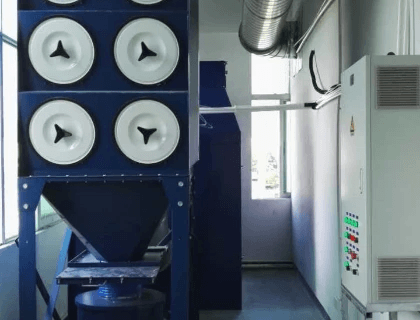
In the world of OSD pharmaceutical manufacturing, dust is more than just an inconvenience; it poses serious risks to safety and product integrity. The presence of dust can lead to contamination, affecting both workers and end-users alike. Therefore, effective dust collection systems, including industrial HEPA air filters and central dust collectors, are vital in maintaining a safe and compliant manufacturing environment.
Effects of Dust on Pharmaceutical Safety
Dust particles in pharmaceutical environments can carry harmful contaminants that compromise product safety. In OSD pharmaceutical manufacturing, even minute levels of particulate matter can lead to adverse health effects for patients if ingested or inhaled. Implementing a robust pharmaceutical dust collector ensures that these hazardous particles are effectively removed from the air, thus safeguarding both workers and consumers.
The consequences of neglecting dust control can be dire; recalls or regulatory fines may follow if safety standards are compromised. An efficient factory dust collector not only protects health but also helps maintain a clean working atmosphere where employees feel valued and secure. Ultimately, prioritizing safety through effective dust management translates into enhanced trust from consumers regarding product quality.
Compliance with Regulatory Requirements
Regulatory bodies such as the FDA impose stringent guidelines on OSD pharmaceutical manufacturing processes to ensure public safety. Compliance often requires manufacturers to implement effective dust collection measures that meet specific air quality standards. Failure to adhere to these regulations can result in severe penalties or even shutdowns, making it imperative for facilities to invest in high-quality industrial HEPA air filters and other advanced filtration systems.
Moreover, documentation related to the performance of these systems is crucial during inspections or audits by regulatory authorities. By maintaining thorough records of filter maintenance and efficacy testing for their central dust collectors, manufacturers demonstrate their commitment to compliance and quality assurance. Thus, a proactive approach towards regulatory adherence not only mitigates risks but also enhances operational credibility.
Impacts on Product Quality and Efficiency
The presence of airborne particulates in production areas can significantly impact the overall quality of pharmaceutical products manufactured in OSD facilities. Dust contamination may lead to inconsistencies in ingredient ratios or undesired chemical reactions during production processes—outcomes that compromise both efficacy and safety profiles of final products. Therefore, utilizing a reliable factory dust collector becomes essential for maintaining optimal product integrity throughout various stages of manufacturing.
Additionally, efficient dust collection contributes directly to operational efficiency by minimizing downtime caused by equipment malfunctions or cleaning interruptions due to excessive buildup of particulates. When manufacturers adopt best practices for airflow management alongside regular maintenance schedules for their pharmaceutical dust collectors, they optimize productivity while ensuring high-quality outputs remain consistent over time. The interplay between effective dust control measures and enhanced efficiency creates a win-win scenario for manufacturers aiming for excellence.
Types of Pharmaceutical Dust Collectors

In the realm of OSD pharmaceutical manufacturing, choosing the right dust collection system is paramount to ensuring safety and product integrity. Various types of pharmaceutical dust collectors are available, each designed to tackle specific challenges posed by dust particles in production environments. Understanding these options allows manufacturers to optimize their operations while adhering to stringent regulatory requirements.
Industrial HEPA Air Filters Explained
Industrial HEPA air filters are a cornerstone in the arsenal of pharmaceutical dust collectors, renowned for their ability to capture 99.97% of particles as small as 0.3 microns. These filters play a crucial role in maintaining cleanroom standards, essential for OSD pharmaceutical manufacturing where contamination can compromise drug quality and patient safety. By integrating industrial HEPA air filters into the dust collection filter system, manufacturers can significantly reduce airborne pollutants and enhance overall air quality.
Moreover, HEPA filters require regular maintenance and replacement to ensure optimal performance; neglecting this can lead to reduced efficiency and increased operational costs. The combination of high filtration efficiency with low airflow resistance makes industrial HEPA air filters an ideal choice for many facilities looking to improve their dust control measures. Ultimately, they serve as a reliable line of defense against harmful particulates in sensitive pharmaceutical environments.
Central Dust Collectors: A Comprehensive Solution
Central dust collectors provide a holistic approach to managing dust across large-scale OSD pharmaceutical manufacturing operations. Unlike localized systems that target specific areas, central units effectively capture and transport dust from multiple sources throughout the facility using a network of ducts and hoses connected to various machines and processes. This comprehensive solution not only improves cleanliness but also streamlines maintenance efforts by consolidating all filtration needs into one centralized unit.
Additionally, central dust collectors often feature advanced technologies such as automatic cleaning systems that enhance filter longevity while minimizing downtime during maintenance activities. The scalability offered by these systems makes them particularly advantageous for growing manufacturers who anticipate increased production demands or expansions in their operations over time. With robust designs tailored for heavy-duty use, central dust collectors stand out as an efficient choice for managing large volumes of pharmaceutical dust.
Choosing the Right Factory Dust Collector
Selecting the appropriate factory dust collector involves careful consideration of several factors unique to each OSD pharmaceutical manufacturing setting. Key elements include the type and volume of materials being processed, regulatory compliance needs, space constraints within the facility, and budgetary considerations for both initial investment and ongoing maintenance costs associated with your chosen technology—be it an industrial HEPA air filter or a central unit.
Moreover, consulting with industry experts can provide invaluable insights into which type of pharmaceutical dust collector will best suit your operational goals while maximizing efficiency and safety standards. It's crucial not only to assess current requirements but also anticipate future needs as production scales up or shifts focus—ensuring your investment remains relevant over time is key! Ultimately, making an informed decision will lead you toward enhanced productivity while safeguarding product quality through effective containment strategies.
Strategies for Effective Dust Collection

In the realm of OSD pharmaceutical manufacturing, effective dust collection strategies are essential for maintaining safety and product quality. Implementing robust systems not only minimizes contamination but also ensures compliance with stringent regulatory standards. Here, we delve into three key strategies: source capture techniques, airflow management, and regular maintenance of dust collection filters.
Implementing Source Capture Techniques
Source capture techniques are pivotal in controlling dust at its origin in OSD pharmaceutical manufacturing processes. By positioning a pharmaceutical dust collector close to the point of dust generation, manufacturers can effectively mitigate airborne particles before they disperse into the workspace. This proactive approach helps maintain a cleaner environment and reduces reliance on secondary dust collection methods such as central dust collectors.
Utilizing industrial HEPA air filters within these systems enhances their effectiveness by trapping even the smallest particulate matter. These filters ensure that any residual particles are effectively contained, safeguarding both product integrity and worker safety. Ultimately, implementing source capture techniques is a win-win; it not only protects employees but also improves overall operational efficiency.
Best Practices for Airflow Management
Effective airflow management plays a crucial role in optimizing the performance of factory dust collectors in OSD pharmaceutical manufacturing facilities. Ensuring proper airflow means strategically designing ductwork to minimize bends and obstructions that could impede performance. When air flows smoothly through the system, it allows for better capture of airborne contaminants by the pharmaceutical dust collector.
Regularly assessing airflow velocity is another best practice; maintaining optimal speeds ensures that particles are efficiently transported to the central dust collector or local filtration units without settling back into production areas. Furthermore, utilizing variable speed fans can help adjust airflow according to real-time needs, enhancing energy efficiency while ensuring cleanliness in manufacturing environments.
Regular Maintenance of Dust Collection Filters
To ensure longevity and performance, regular maintenance of dust collection filters is non-negotiable in OSD pharmaceutical manufacturing settings. A well-maintained filter system prevents clogging and maximizes airflow through industrial HEPA air filters or other filtration technologies used within factory dust collectors. This not only extends filter life but also guarantees consistent performance levels.
Scheduled inspections should include checking for wear and tear on filters as well as cleaning or replacing them as needed based on manufacturer recommendations or observed performance metrics. Additionally, keeping detailed records of maintenance activities aids in identifying trends that may require attention over time—an essential aspect for compliance with regulatory standards in pharmaceuticals.
By adopting these strategies—implementing source capture techniques, managing airflow effectively, and conducting regular maintenance—pharmaceutical manufacturers can significantly enhance their dust control efforts while ensuring a safer working environment.
Case Studies in OSD Pharmaceutical Manufacturing

In the world of OSD pharmaceutical manufacturing, effective dust collection is not just a regulatory requirement but a cornerstone of operational efficiency. This section delves into real-world examples that highlight the successes and lessons learned from implementing robust dust collection systems. By exploring these case studies, we can better understand how strategic investments in dust collection filters and equipment can lead to significant improvements in safety and productivity.
Success Stories from NAROO Implementations
NAROO has made waves in the OSD pharmaceutical manufacturing sector by successfully integrating advanced dust collection systems within its facilities. One standout success involved the installation of industrial HEPA air filters that dramatically reduced airborne particulate matter during production runs. The result? Not only did product quality improve, but employee satisfaction also soared as workers enjoyed cleaner air and a safer environment.
Another notable implementation was NAROO's deployment of central dust collectors across multiple production lines, which streamlined operations and minimized downtime caused by maintenance issues with traditional factory dust collectors. By centralizing their approach to pharmaceutical dust collection, NAROO achieved a 30% increase in efficiency while ensuring compliance with stringent regulatory standards. These successes illustrate how thoughtful investment in dust management technology can yield tangible benefits.
Lessons Learned from Leading Manufacturers
Leading manufacturers have shared valuable insights regarding their experiences with pharmaceutical dust collectors, emphasizing the importance of proactive planning and regular maintenance. One key lesson is that investing in high-quality dust collection filters pays off; using subpar options often leads to increased costs due to frequent replacements and inefficiencies during production cycles. Manufacturers discovered that selecting industrial HEPA air filters not only improves air quality but also enhances product integrity.
Furthermore, many companies learned the hard way about the need for comprehensive training programs for staff operating these systems. Ensuring that employees understand how to maintain factory dust collectors properly minimizes operational disruptions caused by human error or negligence. Ultimately, these lessons underscore the critical role of continuous improvement efforts in optimizing OSD pharmaceutical manufacturing processes.
Impact of Dust Collection on Overall Efficiency
The impact of effective dust collection on overall efficiency within OSD pharmaceutical manufacturing cannot be overstated. Facilities equipped with modern central dust collectors report significant reductions in waste generation and increased throughput due to fewer interruptions caused by excessive particulate buildup. This translates into higher profit margins as companies are able to produce more while adhering to safety standards.
Moreover, an efficient pharmaceutical dust collector system contributes positively to environmental sustainability efforts by minimizing emissions released into the atmosphere during production processes. As companies strive for greener practices, investing in advanced filtration technologies becomes increasingly essential for maintaining compliance while promoting corporate responsibility. In summary, effective strategies for managing airborne particulates lead directly to enhanced operational performance across all facets of OSD pharmaceutical manufacturing.
Future Trends in Pharmaceutical Dust Collection

The landscape of dust collection in OSD pharmaceutical manufacturing is rapidly evolving, driven by technological advancements and a growing emphasis on safety and efficiency. As the industry seeks to navigate increasingly stringent regulations and enhance product quality, innovative solutions are becoming essential. Understanding these trends will help manufacturers stay ahead of the curve and maintain competitive advantages.
Innovations in Dust Collection Technology
Recent innovations in dust collection technology have led to significant improvements in the effectiveness of pharmaceutical dust collectors. For instance, modern industrial HEPA air filters are now designed with enhanced filtration capabilities, allowing them to capture even the smallest particles that could compromise product integrity. Additionally, new designs for central dust collectors have emerged, featuring modular systems that can be customized for specific manufacturing environments, ensuring optimal performance tailored to individual needs.
These advancements not only improve air quality but also streamline maintenance processes for factory dust collectors. With smart sensors integrated into these systems, manufacturers can monitor filter conditions in real-time, reducing downtime and increasing operational efficiency. The result is a more sustainable approach to OSD pharmaceutical manufacturing that prioritizes both safety and productivity.
Role of Automation and IoT in Dust Management
Automation and the Internet of Things (IoT) are revolutionizing how dust management is approached within pharmaceutical settings. By utilizing connected devices, manufacturers can automate the monitoring of their dust collection filters, providing data-driven insights into performance metrics such as airflow rates and particle accumulation levels. This level of oversight allows for timely interventions before issues escalate into costly downtimes or compliance failures.
Moreover, integrating IoT technology with central dust collectors enables predictive maintenance strategies that optimize filter replacement schedules based on actual usage rather than arbitrary timelines. This not only extends the lifespan of equipment but also ensures that factory dust collectors operate at peak efficiency continuously. As a result, OSD pharmaceutical manufacturing facilities can achieve higher productivity while minimizing waste.
Sustainability Practices in OSD Manufacturing
Sustainability practices are becoming increasingly important within OSD pharmaceutical manufacturing as companies strive to reduce their environmental footprint while maintaining compliance with regulatory standards. Innovative approaches include using energy-efficient industrial HEPA air filters that require less power to operate without compromising filtration quality or effectiveness. Additionally, many organizations are exploring recycling programs for used dust collection filters to minimize landfill contributions.
Another trend is the adoption of greener materials within central dust collector systems that enhance durability while being less harmful to the environment upon disposal or recycling. By investing in sustainable technologies and practices for their factory dust collectors, manufacturers not only comply with regulations but also appeal to environmentally conscious consumers who prioritize sustainability alongside product efficacy. Ultimately, embracing these practices positions companies as leaders committed to both innovation and responsibility.
Conclusion

In the realm of OSD pharmaceutical manufacturing, dust collection is not just an operational necessity; it’s a cornerstone of safety and quality assurance. The presence of dust can lead to contamination, which poses significant risks to both product integrity and patient health. Thus, implementing effective dust collection filters is essential for maintaining a clean and compliant manufacturing environment.
The Critical Role of Dust Collection in Safety
The critical role that dust collection plays in safety cannot be overstated, particularly in environments where pharmaceuticals are produced. A well-implemented pharmaceutical dust collector not only mitigates the risks associated with airborne contaminants but also ensures compliance with stringent regulatory standards. Utilizing industrial HEPA air filters enhances this safety by capturing even the smallest particles, providing peace of mind for manufacturers and consumers alike.
Enhancing Efficiency with Effective Solutions
Effective solutions like central dust collectors significantly enhance operational efficiency within OSD pharmaceutical manufacturing facilities. By streamlining the process of capturing and filtering dust at its source, these systems reduce downtime caused by maintenance issues or contamination events. Moreover, a well-maintained factory dust collector can improve overall productivity by ensuring that equipment operates without the hindrance of excessive particulate buildup.
Looking Ahead: Evolving Strategies for Success
Looking ahead, the future of dust collection in OSD pharmaceutical manufacturing will undoubtedly involve innovative technologies and strategies. Automation and IoT integration are set to revolutionize how we manage air quality and monitor the performance of our industrial HEPA air filters in real-time. Embracing sustainability practices will also become increasingly important as manufacturers strive to create cleaner environments while maintaining efficiency through effective pharmaceutical dust collectors.