

Introduction

In the bustling world of industrial operations, maintaining a clean and safe environment is paramount. This is where industrial dust collection systems play a crucial role, serving as the frontline defense against airborne particulates that can pose health risks to workers and compromise product quality. Understanding how a dedusting system functions is essential for any facility looking to enhance its dust management strategies effectively.
Understanding Industrial Dust Collection Systems
At their core, dust collector systems are engineered to capture and filter out harmful particles generated during manufacturing processes. These systems come in various forms, each tailored to specific applications and environments, ensuring that no corner of your workspace remains susceptible to dust accumulation. To truly grasp how does a dust collector work, one must delve into its key components—filters, fans, and ductwork—that work harmoniously to maintain air quality.
Importance of Effective Dust Management
Effective dust management is not just about compliance; it’s about creating a healthier workplace where productivity can thrive without the threat of respiratory issues or equipment damage from accumulated debris. With proper implementation of a dedusting system, businesses can reduce downtime caused by maintenance and improve overall operational efficiency. Moreover, investing in high-quality dust collection filters like HEPA air filters enhances air purity while ensuring OSHA dust regulations are met.
Exploring OSHA Dust Regulations
Navigating OSHA dust regulations can be daunting for many industries; however, understanding these guidelines is critical for maintaining compliance and safeguarding employees' health. The Occupational Safety and Health Administration (OSHA) outlines permissible exposure limits (PELs) for various types of airborne contaminants, emphasizing the need for robust dust control measures within facilities. By adhering to these standards through effective dust collector system design and regular assessments of HEPA air filter productivity, organizations can foster safer working conditions while avoiding costly penalties.
Overview of Dedusting Systems

In the realm of industrial operations, a dedusting system plays a crucial role in maintaining air quality and ensuring compliance with regulations. These systems are designed to capture and eliminate harmful dust particles generated during various processes, protecting both workers and equipment. Understanding the components and functionality of a dedusting system is essential for effective dust management.
What is a Dedusting System?
A dedusting system is an integrated setup specifically engineered to remove airborne dust particles from industrial environments. It functions as part of a larger dust collector system design aimed at minimizing exposure to hazardous materials that can compromise health and safety. By employing various filtration technologies, including HEPA air filters, these systems can significantly enhance workplace air quality while adhering to OSHA dust regulations.
Key Components of Dedusting Systems
A typical dedusting system consists of several key components that work in harmony to ensure optimal performance. These include the dust collector itself, which houses the filtration elements; fans or blowers that facilitate airflow; and ductwork that transports contaminated air from the source to the collector. Additionally, control systems monitor performance metrics like airflow and filter efficiency, ensuring that the dedusting system operates within its designed parameters.
How Does a Dedusting System Work?
Understanding how does a dust collector work involves looking at its core operational principles: capturing airborne particles before they can settle or become inhaled by workers. Initially, contaminated air enters through an inlet where it encounters filters—commonly industrial HEPA air filters—that trap particulates effectively. The cleaned air is then expelled back into the environment or recirculated within the facility, demonstrating not only efficiency but also compliance with OSHA dust regulations.
Types of Dust Collector Systems
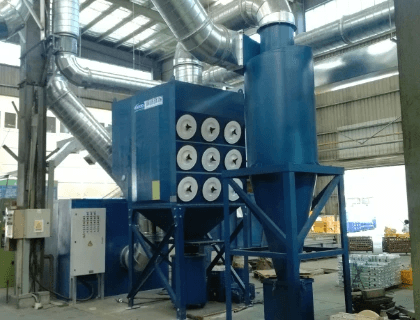
When it comes to industrial dust management, understanding the various types of dust collector systems is crucial for maintaining a safe and compliant environment. Each system has its unique features, advantages, and applications that cater to different industrial needs. By exploring the intricacies of these systems, businesses can make informed decisions about their dust collection filter technologies and ensure adherence to OSHA dust regulations.
Baghouse Dust Collector Systems
Baghouse dust collector systems are among the most widely used dedusting systems in various industries due to their efficiency and effectiveness in capturing particulate matter. These systems utilize large fabric bags that filter out dust particles from the air as it passes through them, ensuring high levels of HEPA air filter productivity. The design allows for easy maintenance and replacement of bags, making them a practical choice for facilities that generate significant amounts of dust.
The operation of a baghouse is straightforward: as airborne dust enters the system, it is trapped by the fabric bags while clean air is released back into the environment. This process not only helps meet OSHA dust regulations but also minimizes health risks associated with airborne contaminants. Additionally, baghouses can be customized in their design to suit specific operational needs or space constraints, making them versatile across various applications.
Cyclone Dust Collectors
Cyclone dust collectors operate on a different principle than baghouses; they utilize centrifugal force to separate larger particles from the air stream without relying on filters. The design resembles a tornado: as air enters at high speed, it spirals downwards through a conical chamber where heavier particles are flung outward and collected at the bottom while cleaner air exits through an upper outlet. This method makes cyclone collectors particularly effective for coarse materials and reduces wear on filters when integrated into a dedusting system.
One of the significant benefits of cyclone collectors is their low maintenance requirements since they don't use traditional filtration elements like baghouses do. However, they may not achieve HEPA-level filtration efficiency; thus, they are often used as pre-collectors before finer filtration methods are employed for optimal results in compliance with OSHA dust regulations. Businesses looking for an efficient yet straightforward solution will find that cyclone collectors provide an excellent balance between performance and cost-effectiveness.
Cartridge Dust Collectors
Cartridge dust collectors represent another innovative option within the realm of industrial dedusting systems designed for spaces constrained by height or footprint limitations. These units utilize cylindrical filter cartridges made from advanced materials capable of capturing fine particulate matter while maintaining high airflow rates—ensuring impressive HEPA air filter productivity even in compact designs. Their ability to handle varying loads makes cartridge collectors suitable for diverse applications across industries.
The operation involves drawing contaminated air into the cartridge housing where particles adhere to the surface of each cartridge filter; clean air then flows out through exhaust vents after filtering out impurities effectively. Regular maintenance is essential to ensure optimal performance; however, many models come equipped with automatic cleaning mechanisms that enhance overall efficiency while adhering to strict OSHA dust regulations guidelines regarding workplace safety standards. For facilities seeking flexibility without sacrificing performance, cartridge collectors present an excellent solution worth considering.
Dust Collection Filter Technologies

When it comes to maintaining clean air in industrial environments, the choice of dust collection filter technologies is crucial. These technologies not only improve air quality but also ensure compliance with OSHA dust regulations, promoting a safer workplace. Understanding how different filters operate can guide businesses in selecting the right dedusting system for their needs.
HEPA Air Filter Productivity
HEPA (High-Efficiency Particulate Air) filters are renowned for their impressive ability to trap tiny particles, making them a staple in many dust collector system designs. With an efficiency rating of 99.97% for particles as small as 0.3 microns, industrial HEPA air filter productivity is unmatched when it comes to ensuring clean air. By incorporating HEPA filters into a dedusting system, companies can significantly reduce airborne contaminants and comply with OSHA dust regulations.
The remarkable effectiveness of HEPA filters stems from their unique design, which utilizes dense layers of fine fibers to capture dust particles efficiently. This high level of filtration not only improves workplace safety but also enhances overall system performance—after all, who wouldn’t want a cleaner environment? Furthermore, understanding how does a dust collector work with these filters can help operators maintain optimal functionality and longevity.
Regular maintenance is essential for maximizing HEPA air filter productivity within any dust collector system design. Filters should be inspected and replaced according to manufacturer guidelines to prevent clogs that could impair airflow and filtration efficiency. By prioritizing these practices, businesses can ensure that their dedusting systems remain effective over time.
Electrostatic Precipitators
Electrostatic precipitators (ESPs) are another innovative technology used in modern dust collection filter systems. These devices utilize electrical charges to attract and capture particulate matter from the air stream, making them highly efficient at removing even the smallest particles from industrial emissions. As industries strive for cleaner operations while adhering to OSHA dust regulations, ESPs offer an effective solution that complements traditional dedusting systems.
One of the significant advantages of electrostatic precipitators is their ability to handle large volumes of gas without significant pressure drops—a crucial factor when designing a robust dust collector system design. This characteristic allows ESPs to operate effectively in various applications while maintaining energy efficiency and minimizing operational costs. Additionally, they require less frequent maintenance compared to other filtering methods because they do not rely on media that can become clogged over time.
However, it's essential for operators to understand how does a dust collector work with ESP technology so they can troubleshoot potential issues effectively and maintain optimal performance levels. Regular inspections will help identify any faults or inefficiencies early on—ensuring compliance with OSHA standards while keeping workplaces safe and healthy.
Foam and Fiber Filters
Foam and fiber filters represent another versatile option within the realm of dust collection filter technologies designed specifically for various applications across industries. These filters are often employed in conjunction with other systems or as standalone solutions due to their flexibility and effectiveness at capturing larger particles while allowing airflow through easily—ideal for many dedusting systems!
Foam filters are typically made from open-cell polyurethane foam materials that trap larger debris without significantly restricting airflow; this feature makes them suitable for pre-filtering applications before finer filtration occurs downstream via HEPA or other types of media-based collectors. On the other hand, fiber filters utilize densely packed synthetic fibers or natural materials like cotton or polyester designed specifically for high dirt-holding capacity while remaining lightweight—a perfect fit when considering your overall dust collector system design!
Choosing between foam or fiber options depends on specific application requirements such as particle size distribution, moisture levels present within process streams (which may impact filter performance), and desired longevity before replacement becomes necessary under OSHA guidelines related directly back into maintaining safe working conditions! Therefore understanding both types’ strengths will aid companies seeking efficient solutions tailored toward improving indoor air quality across diverse settings—from manufacturing plants down through woodworking shops alike!
Selecting the Right Dust Collector System Design

Choosing the right dust collector system design is crucial for ensuring efficient operation and compliance with safety standards. A well-designed dedusting system not only captures harmful particles but also enhances overall workplace air quality. With various options available, understanding the nuances of each type can significantly impact your decision-making process.
Factors Influencing Design Choices
Several factors influence the design choices for a dust collector system, including the type of dust generated, airflow requirements, and space constraints. For instance, industries dealing with fine particulates may benefit from a high-efficiency particulate air (HEPA) filter productivity that ensures even the smallest particles are captured effectively. Additionally, understanding how does a dust collector work in conjunction with existing equipment can help tailor solutions that maximize efficiency and minimize downtime.
Another critical consideration is the volume of dust produced during operations; this will dictate whether you need a baghouse or cartridge-style system. The specific characteristics of your workspace—like temperature fluctuations or humidity levels—can also affect filter performance and longevity. Ultimately, selecting an appropriate dust collection filter involves balancing these factors to create an effective dedusting system tailored to your unique needs.
Custom Solutions from NAROO
NAROO specializes in providing custom solutions for dust collector systems that cater to diverse industrial applications. Their expertise allows them to analyze individual workplace conditions and recommend tailored designs that optimize HEPA air filter productivity while adhering to industry regulations. Whether you need modifications to existing systems or entirely new installations, NAROO’s innovative approach ensures that every dedusting system meets specific operational demands.
By leveraging advanced technology and understanding client requirements, NAROO can enhance the effectiveness of any dust collection filter employed in your facility. Their commitment to quality not only improves air quality but also contributes to overall safety in industrial environments. When it comes to custom solutions, partnering with NAROO means investing in a future-proof dedusting system designed for both efficiency and compliance.
Importance of Compliance with OSHA Dust Regulations
Compliance with OSHA dust regulations is non-negotiable for any industry aiming to protect worker health and safety while avoiding costly penalties. These regulations set forth guidelines on permissible exposure limits (PELs) for hazardous particulates, making it essential for businesses to implement effective dust collector systems that adhere strictly to these standards. Failing to comply not only jeopardizes employee safety but can lead to significant legal ramifications as well.
A well-designed dedusting system plays a pivotal role in meeting OSHA requirements by ensuring efficient capture of airborne contaminants before they pose health risks. Investing in reliable technologies such as industrial HEPA air filters elevates your compliance status while enhancing workplace conditions significantly. Thus, understanding how does a dust collector work within these regulatory frameworks helps businesses maintain operational integrity without compromising on safety.
Maintenance and Efficiency of Dust Collection Systems
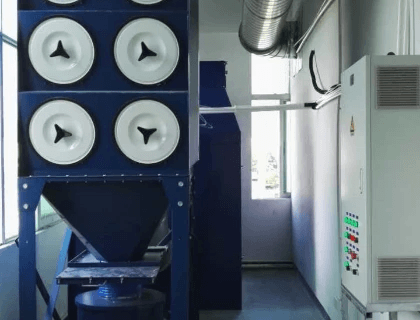
Maintaining an efficient dust collection system is essential for both productivity and compliance with OSHA dust regulations. A well-maintained dedusting system not only improves air quality but also extends the life of the equipment. Regular checks and proactive maintenance can prevent costly downtime and ensure optimal performance.
Routine Maintenance Tips
Routine maintenance is crucial for any dust collector system design to function effectively over time. Start with regular inspections of the dust collection filter, ensuring that it’s clean and free from blockages that could impede airflow. Additionally, monitor the performance of HEPA air filters; their productivity can significantly drop if not maintained, leading to reduced efficiency in capturing fine particulates.
Don't forget to check for any leaks or wear in ductwork, as these can greatly impact how does a dust collector work overall. Keeping an eye on fan motors and belts is also vital; replacing worn parts promptly will help maintain system integrity. Following a structured maintenance schedule can save time and money in the long run while keeping your workplace compliant with OSHA dust regulations.
Troubleshooting Common Issues
Even the best dedusting systems face challenges now and then, but knowing how to troubleshoot common issues can save you headaches down the line. If you notice decreased suction power or increased noise levels, it may indicate a clogged dust collection filter or an issue with the fan motor—both require immediate attention to restore efficiency. Regularly checking these components helps identify problems before they escalate into costly repairs.
Another common issue is excessive dust accumulation in areas outside the designated collection zones; this often points to leaks in ductwork or improper seals within your system design. Ensuring all connections are airtight will help maintain optimal airflow and compliance with OSHA dust regulations while improving overall safety standards at your facility. Lastly, if you’re using industrial HEPA air filters, be sure they’re replaced according to manufacturer guidelines—failure to do so can lead to diminished performance.
Enhancing System Efficiency
Enhancing the efficiency of your dedusting system isn’t just about fixing problems; it's also about optimizing performance from day one. Consider investing in advanced technologies like electrostatic precipitators or upgrading existing filters for improved HEPA air filter productivity—these changes can dramatically reduce airborne contaminants while minimizing energy consumption. Additionally, implementing smart monitoring systems allows real-time tracking of airflow rates and filter conditions, enabling timely interventions before issues arise.
Training staff on best practices for operating your dust collector system design can also lead to significant improvements in efficiency—after all, knowledgeable operators are crucial for maintaining peak performance levels! Furthermore, regularly revisiting your setup against OSHA dust regulations ensures you're not just compliant but also maximizing operational effectiveness across all areas of production.
In conclusion, maintaining a robust dedusting system requires diligence but pays off through enhanced safety and productivity at workspaces where airborne particulates pose risks.
Conclusion
In the world of manufacturing and industrial operations, dust collectors play a crucial role in maintaining safety and efficiency. These systems not only comply with OSHA dust regulations but also enhance workplace air quality, reducing health risks associated with airborne particles. By understanding how a dust collector works, businesses can make informed decisions about their dust collection filter technologies and overall dedusting system designs.
The Role of Dust Collectors in Safety
Dust collectors are essential for ensuring a safe working environment by effectively managing hazardous particles that can lead to respiratory issues and other health problems. A well-designed dust collector system not only captures harmful dust but also prevents it from settling on surfaces, which can create additional hazards. Furthermore, compliance with OSHA dust regulations is vital; failure to adhere can lead to severe penalties and compromised employee safety.
NAROO's Innovative Solutions for Industry
NAROO stands at the forefront of industrial innovation, offering cutting-edge solutions tailored to meet specific dust management needs. Their expertise in designing efficient dedusting systems ensures that each facility benefits from optimized HEPA air filter productivity while adhering strictly to OSHA standards. With custom solutions that incorporate advanced technology like electrostatic precipitators and foam filters, NAROO is helping industries tackle their unique challenges head-on.
Future Trends in Dust Collection Technology
The future of dust collection technology looks promising as manufacturers continue to innovate and improve upon existing designs. Emerging trends include smarter dedusting systems equipped with IoT capabilities for real-time monitoring and maintenance alerts, enhancing overall system efficiency. Additionally, advancements in materials used for industrial HEPA air filters are expected to increase filtration effectiveness while reducing energy consumption—a win-win for both operational costs and environmental sustainability.